Insects are often overlooked in discussions about biodiversity, yet they play a crucial role in maintaining ecological balance and supporting human life. As of 2026, it is estimated that there are over 10 million species of insects on Earth, contributing to pollination, decomposition, and even serving as a food source for other wildlife. Understanding insect biodiversity is essential for preserving the health of our planet and ensuring sustainable ecosystems. This article delves into the importance of insects, the process of insect species identification, and highlights ten of the most fascinating insect species that exemplify the diversity and significance of these creatures.

Insects are the most diverse group of organisms on the planet, with a staggering variety of species that exhibit an array of behaviors, adaptations, and ecological functions. Their biodiversity is vital for several reasons:
Insects fulfill numerous ecological roles that are essential for the functioning of ecosystems. They act as:
The economic value of insects is significant. They contribute to agriculture by enhancing crop yields through pollination and soil health. The global economic impact of insect pollination alone is estimated to be around $235 billion annually. Furthermore, insects are utilized in various industries, including:
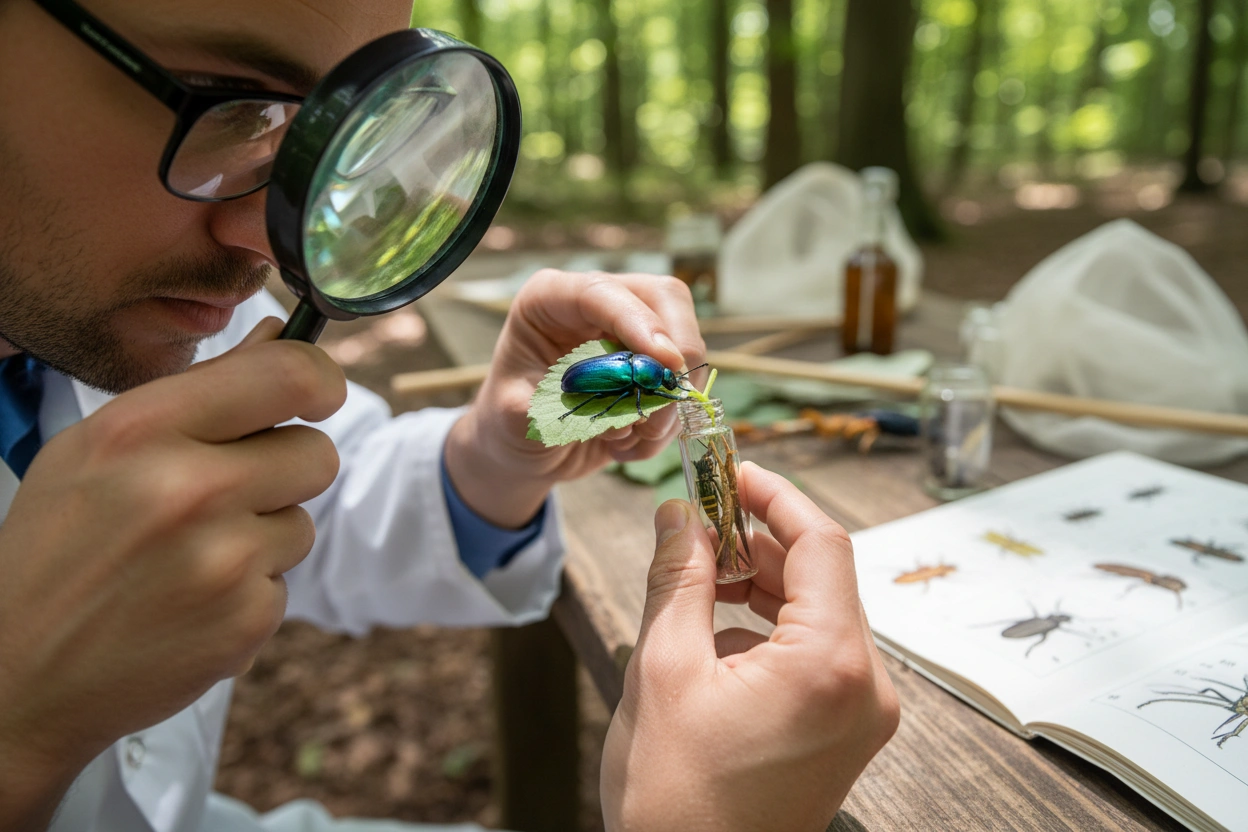
Identifying insect species is crucial for understanding biodiversity and ecosystem health. Here are some fundamental aspects of insect species identification:

Exploring the diverse world of insects reveals numerous species that are not only interesting but also exhibit unique adaptations and behaviors. Here are ten of the most fascinating insect species:
The Monarch butterfly is renowned for its incredible migration journey from North America to central Mexico, covering thousands of miles. This striking insect is not only beautiful but also serves as a vital pollinator.
This beetle is famous for its unique defense mechanism. When threatened, it can eject a boiling chemical spray from its abdomen, deterring predators. This fascinating adaptation showcases the complexity of insect survival strategies.
The Orchid Mantis is a master of camouflage, resembling an orchid flower to attract prey. This ambush predator demonstrates the intricate relationship between insects and their environments.
One of the largest insects in the world, the Goliath beetle can weigh up to 3.5 ounces and measure over 4 inches in length. Its impressive size and striking appearance make it a favorite among insect enthusiasts.
Leafcutter ants are known for their remarkable ability to cultivate fungus. They cut leaves and bring them back to their nests to create a substrate for their fungal gardens, demonstrating advanced agricultural practices in the insect world.
Fireflies are not just enchanting; they communicate through bioluminescence, using light patterns to attract mates. This phenomenon highlights the diverse communication methods among insects.
The Hercules beetle is famous for its impressive horns, which can grow longer than its body. This species is often used in mating displays and fights, showcasing the role of physical characteristics in insect reproduction.
Stick insects are masters of disguise, mimicking twigs and branches to avoid predators. Their incredible camouflage techniques are a remarkable example of evolutionary adaptation.
Dragonflies are agile hunters, capable of flying in all directions. They play a vital role in controlling mosquito populations and are indicators of healthy aquatic ecosystems.
The Atlas moth is one of the largest moths in the world, with a wingspan of up to 12 inches. Its impressive size and striking coloration make it a true marvel of nature.
Educating the public about the importance of insects is vital for conservation efforts. Awareness campaigns and community engagement can foster appreciation for these creatures and encourage protective measures. Here are some strategies to promote insect conservation:
Encouraging citizen participation in insect monitoring and identification can provide valuable data for researchers. Platforms that allow individuals to report sightings contribute to a greater understanding of insect populations and trends.
Promoting the preservation of natural habitats is crucial for sustaining insect populations. Initiatives can include:
Insects are integral to the health of our planet and are essential to food security, environmental balance, and economic sustainability. By understanding the complexities of insect biodiversity, we can make informed decisions that support conservation efforts and foster a sustainable future.
The work of organizations like Banana Slug Club is vital in promoting awareness and action around insect biodiversity. Through educational initiatives, community engagement, and practical conservation efforts, we can collectively contribute to preserving the intricate web of life that insects represent.
By learning about the fascinating world of insects and their ecological roles, we can better appreciate their importance and advocate for their protection.
For those looking to deepen their understanding and participate actively in insect conservation, consider reaching out to Banana Slug Club for resources, workshops, and community events. Visit Banana Slug Club to discover how you can make a difference in the world of insect biodiversity and contribute to a healthier planet.
Get free resources, early access to new features and updates.
No spam. Just fun educational emails!


.svg)
.svg)