Insects are among the most diverse and fascinating creatures on our planet. With over a million identified species and an estimated ten million yet to be discovered, the world of insects is vast and intriguing. For nature lovers and enthusiasts, understanding insect behavior patterns can enhance your appreciation of these small yet significant organisms. This guide will explore the intricate behaviors of insects, provide actionable insights into insect species identification, and highlight ten of the most fascinating insect species you might encounter.
Insects play crucial roles in ecosystems, from pollination to decomposition. Their behaviors are often complex and can vary significantly between species. By delving into the patterns of insect behavior, you will gain a better understanding of their ecological importance and how they interact with their environment. This knowledge can foster a deeper connection to nature and inspire conservation efforts.
Insect behavior encompasses a wide range of activities, including foraging, mating, and social interactions. Understanding these behaviors requires a closer look at the underlying factors that influence them.
Foraging Behavior
Insects exhibit various foraging strategies to find food. Some species, like ants, use pheromone trails to communicate the location of food sources, while others, such as bees, perform intricate dances to inform their hive about the distance and direction of nectar.
Mating Rituals
Mating behaviors can be equally fascinating. Many insects engage in elaborate courtship displays to attract partners. For instance, male fireflies use bioluminescent signals to lure females, while certain species of moths produce pheromones to attract mates from great distances.
Social Structures
Social insects, such as bees and ants, display complex social behaviors that include division of labor and communication. In a bee colony, for example, worker bees perform various roles, from foraging to caring for the queen and her offspring.
Insect behavior is influenced by several factors:
Environmental Conditions: Temperature, humidity, and light levels can significantly affect insect activity and behavior. Many insects are ectothermic, meaning their body temperature is regulated by external conditions.
Predation and Competition: The presence of predators or competitors can alter foraging and mating behaviors. Insects may adopt different strategies to avoid predation or to compete for resources.
Seasonal Changes: Seasonal variations can lead to changes in behavior, such as migration or hibernation. For instance, many butterfly species migrate thousands of miles in response to changing climates.
Understanding these factors can help nature lovers predict insect behavior and appreciate the delicate balance of ecosystems.

Identifying insect species is crucial for both enthusiasts and researchers. With the right knowledge and tools, anyone can begin to recognize different insects in their environment.
Field Guides
Utilizing field guides is one of the best methods for identifying insects. These guides often include detailed descriptions, photographs, and information on behavior, habitat, and distribution.
Apps and Technology
Modern technology has made insect identification more accessible. Numerous apps allow users to take a photo of an insect and receive instant identification along with information about its behavior and habitat.
Observation
Observing insects in their natural habitat can provide insights into their behavior and characteristics. Noting color patterns, size, and movement can help narrow down species identification.
By honing your identification skills, you can deepen your connection with the insect world and contribute to citizen science efforts that help track and monitor insect populations.

The diversity of the insect world is nothing short of extraordinary. Here are ten of the most fascinating insect species that capture the imagination of nature lovers:
Renowned for its incredible migration journey, the Monarch Butterfly travels thousands of miles from North America to central Mexico each year. This remarkable feat is a testament to their resilience and navigational abilities.
The Bombardier Beetle has a unique defense mechanism that involves ejecting a hot chemical spray from its abdomen. This spray can reach temperatures of up to 100 degrees Celsius, deterring predators effectively.
As one of the largest moth species in the world, the Atlas Moth boasts a wingspan of up to 10 inches. Its striking coloration and unique wing patterns make it a favorite among insect enthusiasts.
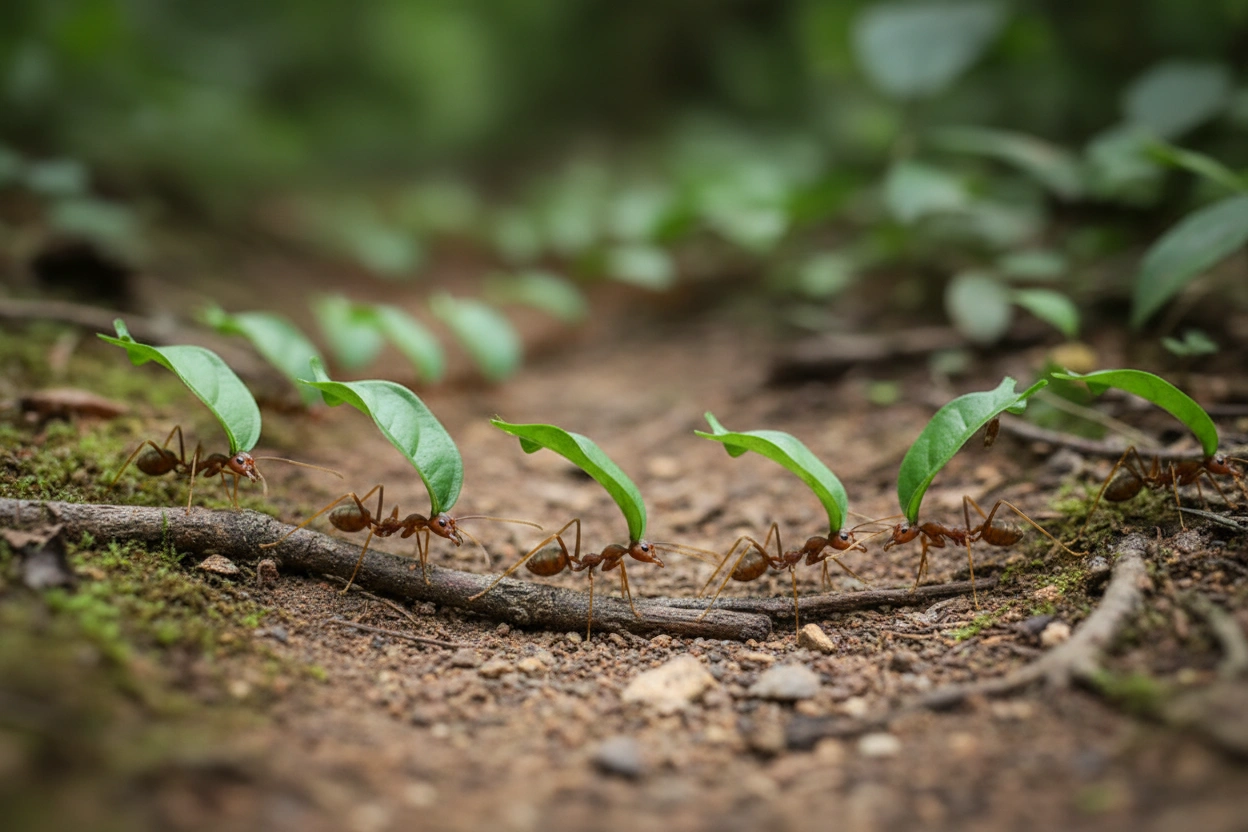
Leafcutter ants are known for their unique behavior of cutting leaves to cultivate fungus, which they use as their primary food source. This symbiotic relationship showcases the complex social structures and ecological roles of insects.
Goliath Beetles are among the heaviest insects on Earth, weighing up to 3.5 ounces. They are not only impressive in size but also display stunning coloration and patterns that make them a marvel of the insect world.
Walking sticks are masters of camouflage, mimicking twigs and branches to evade predators. Their ability to blend into their surroundings is a fascinating adaptation for survival.
Famous for their bioluminescent glow, fireflies use light to attract mates and communicate. The rhythmic flashing patterns of these insects are not only beautiful but also serve as a vital part of their mating rituals.
Dragonflies are agile flyers, capable of hovering and even flying backward. Their predatory skills and vibrant colors make them one of the most captivating insects to observe in nature.
Resembling an orchid flower, the Orchid Mantis is a master of disguise. This fascinating predator uses its appearance to lure unsuspecting prey, showcasing the incredible adaptations found in the insect world.
Recognized for their unique posture, praying mantises are skilled hunters. Their ability to rotate their heads and their exceptional camouflage make them both intriguing and effective predators.
These ten insect species exemplify the diversity and complexity of insect life, providing a glimpse into the fascinating world that exists right under our noses.
Understanding insect behavior patterns is essential for nature lovers and conservationists alike. Insects contribute to ecosystem health through pollination, nutrient recycling, and serving as food sources for other animals. By studying their behavior, we can better appreciate their roles and advocate for their conservation.
Ecosystem Awareness: Observing insects can provide insights into the health of local ecosystems. Changes in insect populations can indicate shifts in environmental conditions.
Biodiversity Conservation: By understanding the behaviors and needs of various insect species, we can contribute to conservation efforts that protect their habitats and ensure their survival.
Educational Opportunities: Engaging with insects offers educational experiences for individuals of all ages. Whether through guided nature walks or backyard observations, learning about insects can foster a lifelong appreciation for nature.
Insects Are Pests: While some insects can be pests, many are beneficial and play vital roles in ecosystems. Understanding this distinction is crucial for fostering a balanced view of insects.
All Insects Are Harmful: Many people believe that all insects pose a threat to humans. In reality, the vast majority are harmless and contribute positively to the environment.
Insects Are Unintelligent: Contrary to popular belief, many insects display complex behaviors and problem-solving abilities. Research has shown that some species can learn and adapt to their environments.
By dispelling these misconceptions and deepening our understanding of insect behavior, we can cultivate a greater appreciation for these remarkable creatures.
Insects are integral to the health of our ecosystems, yet they face numerous threats from habitat loss, climate change, and pesticide use. Understanding their behavior can help us take meaningful action to protect them.
Participate in Citizen Science
Engaging in citizen science projects can help researchers gather valuable data on insect populations and behaviors. This participation not only contributes to scientific knowledge but also enhances your understanding of local insect life.
Create Pollinator Gardens
Planting native flowering plants can provide essential habitats for pollinators and other beneficial insects. These gardens can support local ecosystems and enhance biodiversity.
Advocate for Sustainable Practices
Promoting sustainable agricultural and landscaping practices can reduce the negative impacts of pesticides and habitat destruction. Supporting local initiatives and educating others can amplify your impact.
Organizations like the Banana Slug Club focus on educating the public about the importance of insects and their conservation. By participating in their programs, you can learn more about insect behavior and how to protect these vital organisms.
In summary, understanding insect behavior patterns enriches our connection to nature and highlights the importance of conservation efforts. By recognizing the roles insects play in ecosystems and taking action to protect them, we can ensure a healthy environment for future generations.
Insects are not just small creatures; they are vital components of our ecosystems and hold many secrets waiting to be discovered. By exploring their behavior and understanding their ecological roles, you can become an advocate for these fascinating organisms.
The Banana Slug Club is dedicated to fostering a love for nature and educating individuals about the importance of insects in our world. Whether you are a beginner or an experienced nature lover, there is always more to learn.
Visit Banana Slug Club to explore additional resources and get involved in conservation efforts that benefit our environment. Together, we can make a difference in protecting the incredible diversity of insect life.
Get free resources, early access to new features and updates.
No spam. Just fun educational emails!


.svg)
.svg)