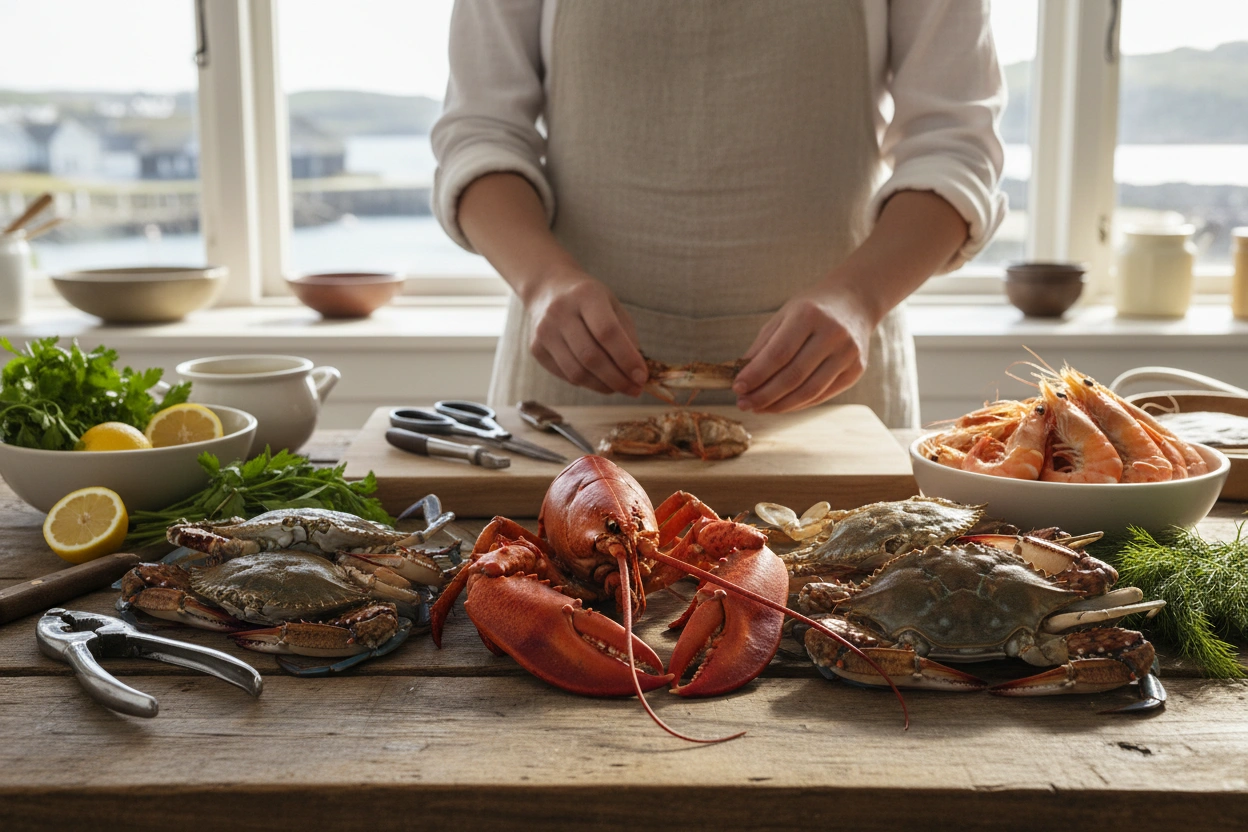
Crustaceans, a diverse group of aquatic animals including shrimp, crabs, and lobsters, are not just culinary delights but also fascinating creatures that play crucial roles in their ecosystems. For beginners venturing into the world of crustaceans, understanding their biology, habitat, and care requirements is essential. This guide aims to equip you with the Essential Tips for Raising Healthy Crustaceans and strategies for successfully managing and appreciating crustaceans.
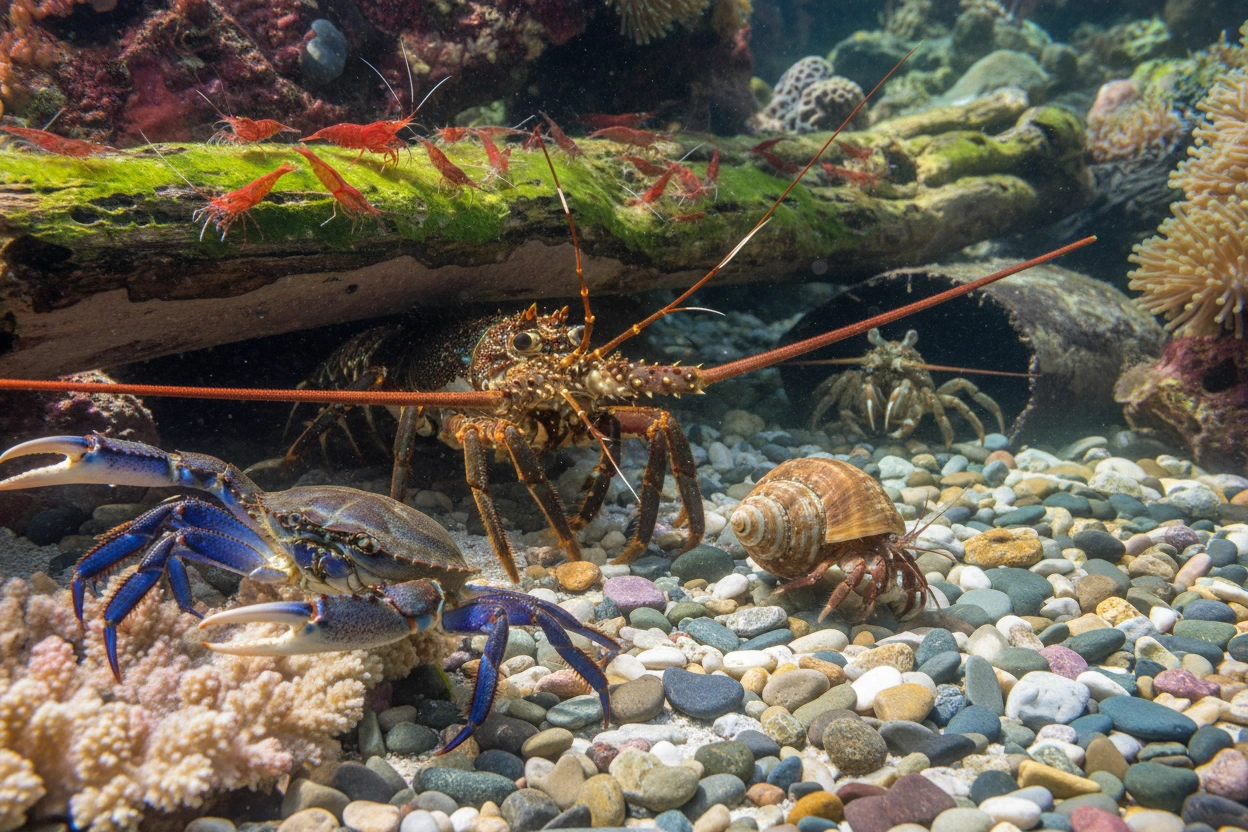
Crustaceans belong to the class Malacostraca and are characterized by their hard exoskeletons, segmented bodies, and jointed limbs. They inhabit a variety of environments, from freshwater rivers to the depths of the ocean. The most commonly known crustaceans include:
Each species has unique adaptations that allow them to thrive in their specific habitats. For instance, some crabs are excellent climbers, while others are adapted to burrowing in sandy or muddy substrates. Understanding these adaptations is crucial for anyone looking to keep or study crustaceans.
Crustaceans are vital to the aquatic food web. They serve as prey for numerous fish and birds while also contributing to nutrient cycling in their environments. In addition to their ecological significance, crustaceans are also economically important, providing livelihoods for millions of people worldwide through fishing and aquaculture.
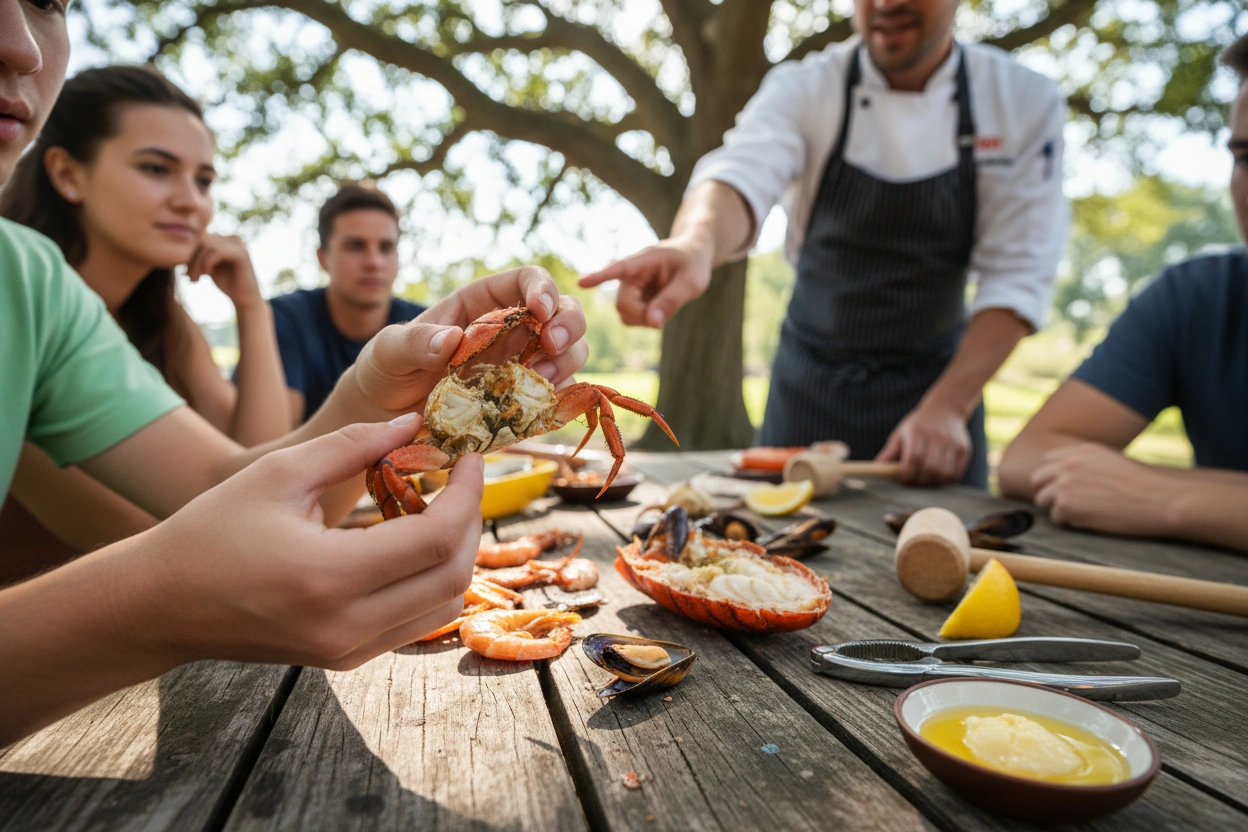
To successfully manage or observe crustaceans, beginners should familiarize themselves with several essential techniques. Here are the top strategies to get started:
Understanding the specific needs of the crustaceans you wish to care for is crucial. Different species have varying requirements regarding habitat, diet, and water quality.
Crustaceans require environments that mimic their natural habitats to thrive. Here are key factors to consider when setting up an aquarium or habitat:
Feeding crustaceans the right diet is critical for their health. Different species have different dietary needs, but here are some general guidelines:
Maintaining a clean and stable environment is essential for the health of crustaceans. Here are steps to keep in mind:
For those interested in breeding crustaceans, understanding their reproductive habits is vital. Many species have specific breeding requirements:
As a beginner, it is easy to make mistakes when caring for crustaceans. Here are some common pitfalls to watch out for:
Many beginners underestimate the importance of water quality. Poor water conditions can lead to stress and illness in crustaceans. Regular testing and maintenance are crucial for a thriving ecosystem.
Not all fish or invertebrates are suitable tank mates for crustaceans. Avoid keeping aggressive species that may harm your crustaceans. Research compatibility before introducing new tank mates.
Each crustacean species has unique requirements. Failing to cater to these needs can lead to health problems. Take the time to understand the specific habitat and dietary preferences of the crustaceans you are keeping.
For those eager to delve deeper into the world of crustaceans, various resources can enhance your knowledge and skills:
Engaging with crustaceans can be a rewarding experience, whether you are maintaining an aquarium or studying them in their natural habitats. By following the techniques outlined in this guide, beginners can foster a successful and enriching relationship with these fascinating creatures. For further exploration and support in your crustacean journey, visit Banana Slug Club for more resources and community engagement opportunities. optimize crustaceans for sustainable aquaculture.
As you embark on your journey into the world of crustaceans, consider how organizations like the Banana Slug Club can support your learning and appreciation for aquatic life. They often provide resources, community events, and educational materials that enhance your understanding and enjoyment of crustaceans.
In conclusion, this guide has introduced you to the essential techniques for managing crustaceans effectively. The knowledge you’ve gained will empower you to create a thriving environment that benefits both you and the crustaceans you care for. For further exploration and support in your crustacean journey, visit Banana Slug Club for more resources and community engagement opportunities.
Get free resources, early access to new features and updates.
No spam. Just fun educational emails!


.svg)
.svg)