Amphibians represent a fascinating group of vertebrates that undergo remarkable transformations throughout their life cycles. These creatures, which include frogs, toads, salamanders, and newts, are known for their dual life, beginning in aquatic environments and transitioning to terrestrial habitats. Understanding the reproductive processes of amphibians is crucial, as it not only reveals their biological intricacies but also highlights the importance of their conservation. As of 2026, amphibians face numerous threats, making it imperative to explore their reproduction and the conservation efforts underway to support their survival.
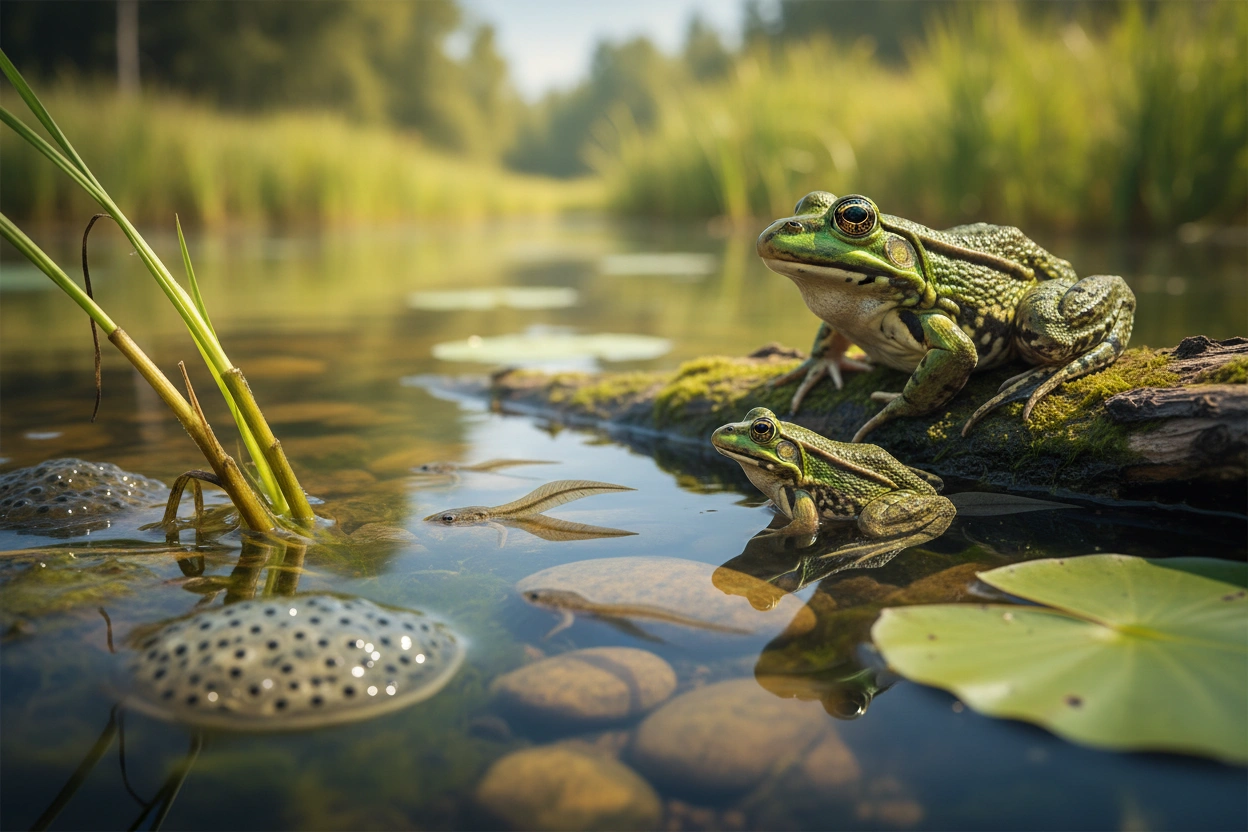
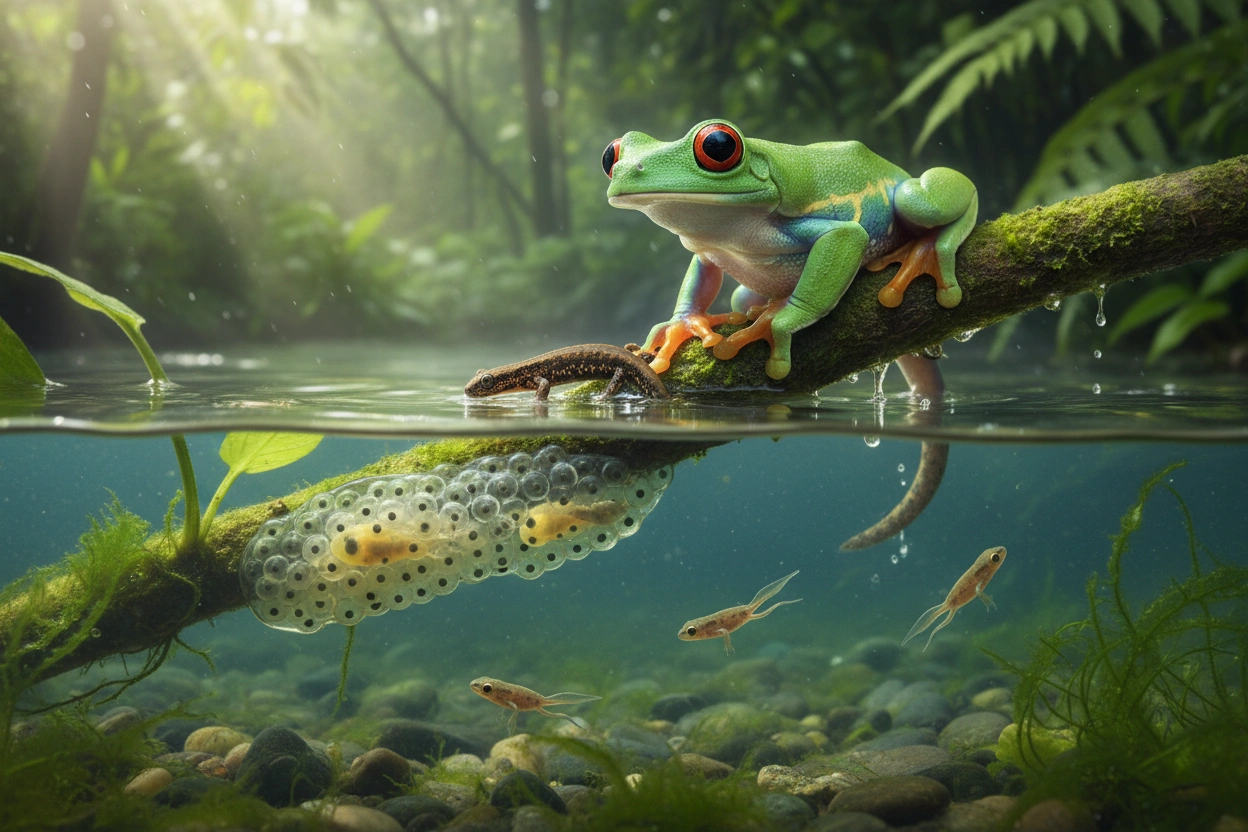
Amphibians undergo a unique life cycle that typically includes four stages: egg, larva, metamorph, and adult. This process is known as metamorphosis and is a defining characteristic of amphibians.
Egg Stage: Amphibian reproduction often begins with the female laying eggs in water. These eggs are usually surrounded by a jelly-like substance that provides protection and hydration. The number of eggs can vary significantly depending on the species; for instance, a single female frog can lay thousands of eggs in one spawning season.
Larval Stage: After a few days to weeks, depending on environmental conditions, the eggs hatch into larvae, commonly referred to as tadpoles. During this stage, tadpoles are primarily aquatic, breathing through gills and feeding on algae and plant matter. They exhibit a long, streamlined body and a tail for swimming.
Metamorphosis: As tadpoles grow, they undergo metamorphosis, a dramatic transformation where they develop limbs, absorb their tails, and transition from gills to lungs for breathing air. This process can take several weeks to months, depending on the species and environmental factors.
Adult Stage: Once metamorphosis is complete, the amphibian emerges as a juvenile capable of living on land. Adults typically return to water bodies for breeding, thus completing the cycle.
Amphibians are highly sensitive to environmental changes, which can significantly affect their reproductive success. Factors such as water quality, temperature, and habitat availability play critical roles in their life cycle. For instance, many amphibians require specific aquatic habitats for breeding, and the loss of these environments due to pollution or urban development can have dire consequences.
Water Quality: Clean, unpolluted water is essential for amphibian eggs and larvae. Contaminants can lead to high mortality rates in eggs and affect the overall health of developing tadpoles.
Temperature: Amphibians are ectothermic, meaning their body temperature is regulated by the environment. Temperature fluctuations can influence breeding cycles, development rates, and habitat suitability.
Habitat Availability: The availability of suitable breeding sites and terrestrial habitats is crucial for amphibian populations. Deforestation, wetland drainage, and urbanization can lead to habitat fragmentation, making it difficult for amphibians to thrive.
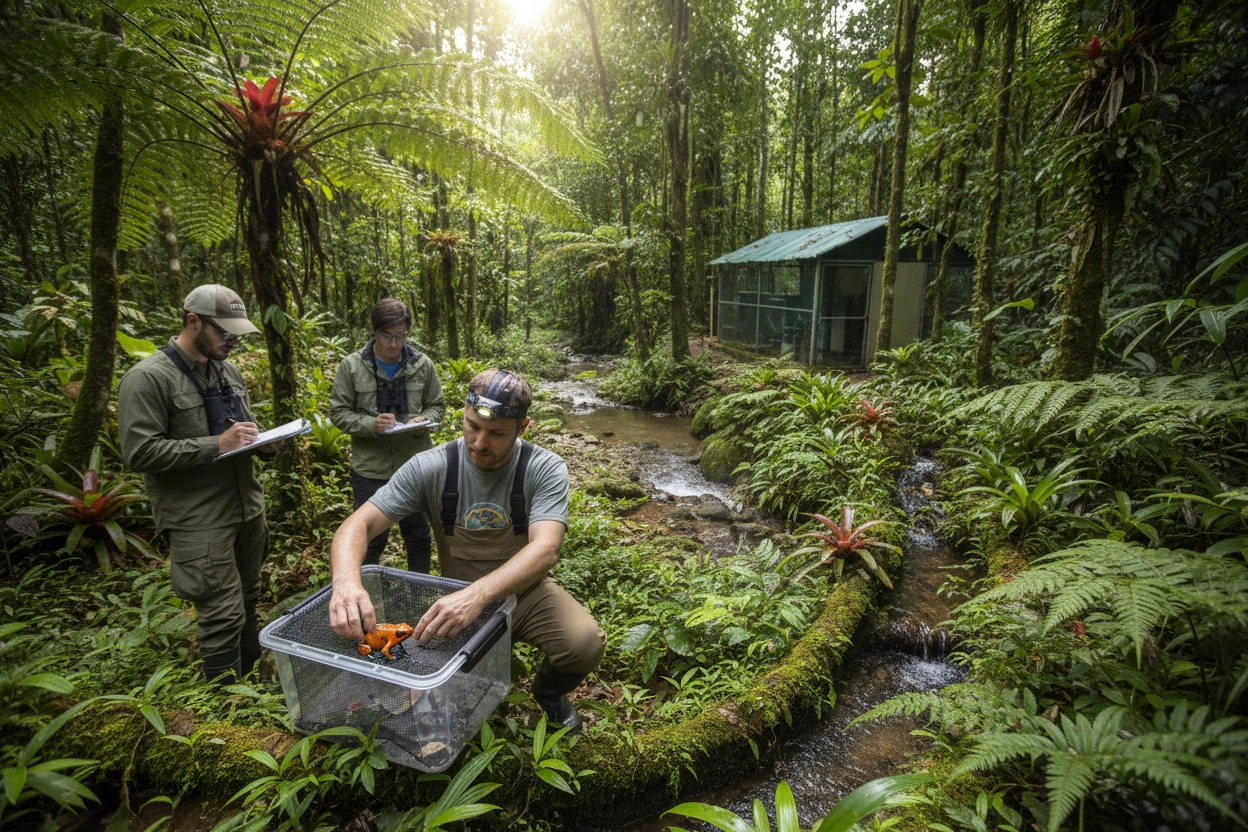
As amphibians face increasing threats from habitat loss, climate change, pollution, and disease, numerous conservation efforts are underway to protect these vital species. Below are ten noteworthy initiatives aimed at preserving amphibian populations:
Habitat Restoration: Organizations are focusing on restoring wetlands and other critical habitats to ensure suitable breeding and living environments for amphibians.
Captive Breeding Programs: Captive breeding initiatives aim to breed endangered amphibian species in controlled environments, with the goal of reintroducing them into their natural habitats.
Research and Monitoring: Ongoing research is crucial for understanding amphibian populations and their needs. Monitoring programs track population trends and the health of various species.
Education and Awareness Campaigns: Many conservation groups are actively educating the public about the importance of amphibians and the threats they face, fostering greater support for conservation efforts.
Legislation and Policy Advocacy: Advocating for stronger environmental protections and policies that safeguard amphibian habitats is vital for long-term conservation success.
Disease Management: Initiatives to combat chytridiomycosis, a deadly fungal disease affecting amphibians worldwide, are critical. Research into vaccines and treatments is ongoing.
Community Engagement: Involving local communities in conservation efforts can lead to more sustainable practices and increased awareness of amphibian conservation needs.
Species-Specific Action Plans: Developing targeted action plans for critically endangered species helps focus conservation efforts where they are most needed.
Sustainable Land Use Practices: Encouraging sustainable agricultural and land use practices can help preserve amphibian habitats while supporting local economies.
International Collaboration: Global partnerships and collaborations among countries and organizations enhance the effectiveness of conservation efforts across borders.
Supporting amphibian conservation not only helps to protect these unique creatures but also contributes to broader ecological health. Amphibians play essential roles in ecosystems as both predators and prey, helping to maintain balance in food webs. Their sensitivity to environmental changes makes them excellent indicators of ecosystem health, meaning that protecting amphibians also safeguards numerous other species and the habitats they share.
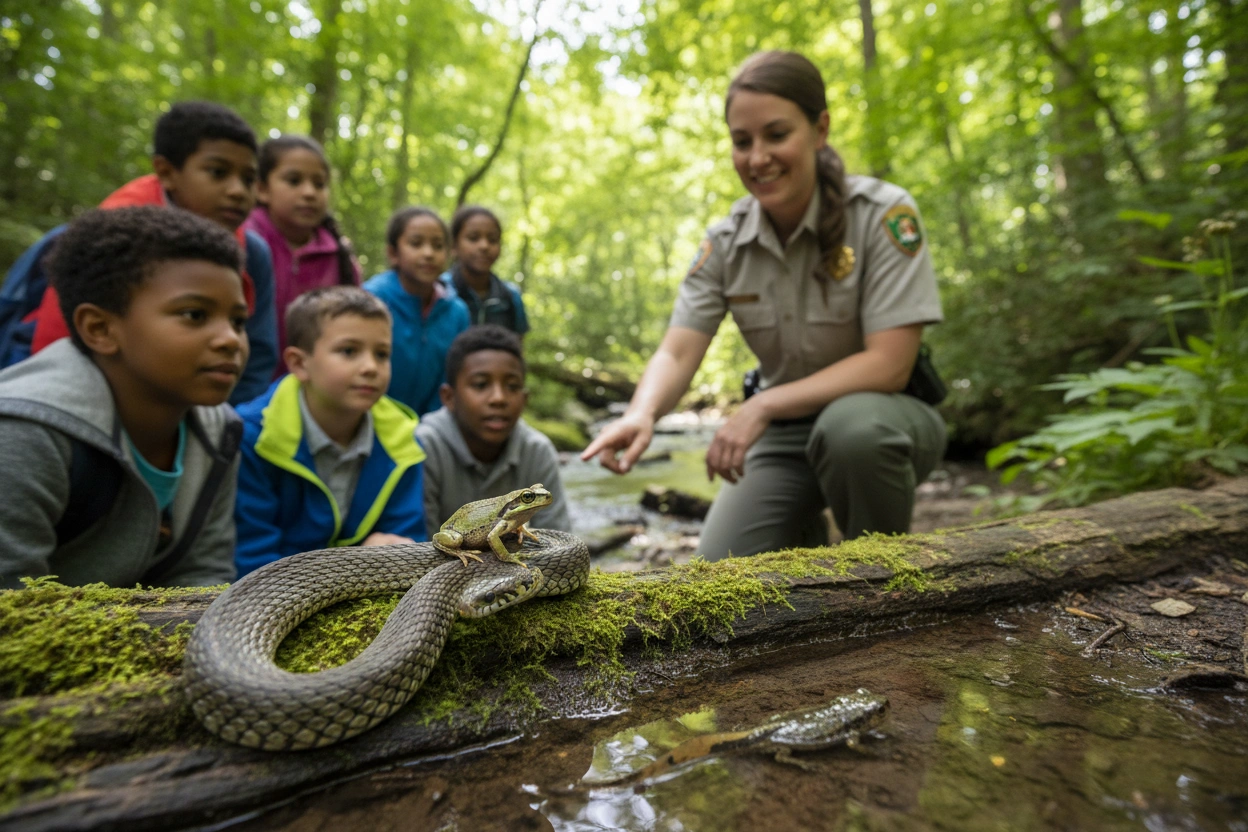
Many people mistakenly believe that amphibians consist solely of frogs and toads. While these are indeed the most recognizable members of the class Amphibia, it also includes unique amphibians and newts. Each group has distinct characteristics and ecological roles, contributing to biodiversity.
Another common misconception is that all amphibians live in water. While many amphibians start their lives in aquatic environments, numerous species are fully terrestrial as adults. For example, some salamanders thrive in forested areas, relying on moist environments without the need for standing water.
Some individuals may undervalue the ecological importance of amphibians. In reality, amphibians serve as crucial indicators of environmental health, acting as both predators and prey within their ecosystems. Their decline often signals broader ecological issues that could affect many other species.
The decline in amphibian populations globally raises significant concerns for biodiversity and ecosystem stability. Amphibians are essential for pest control, as they consume insects and other invertebrates. Their presence also contributes to nutrient cycling within ecosystems, facilitating healthy soil and water systems.
In addition, amphibians are a source of bioactive compounds that have potential pharmaceutical applications. Many medications, including those for pain relief and cancer treatment, are derived from chemicals found in amphibian skin. Therefore, the extinction of amphibian species could hinder future medical discoveries.
The Banana Slug Club is dedicated to promoting awareness and conservation efforts for amphibians and their habitats. Through educational programs, community engagement, and partnerships with conservation organizations, the Banana Slug Club aims to foster a deeper understanding of amphibian biology and the challenges they face.
By supporting initiatives that focus on habitat preservation, species protection, and public education, the Banana Slug Club plays a vital role in ensuring that amphibians continue to thrive in our ecosystems.
Getting involved in amphibian conservation can take many forms, from volunteering with local conservation organizations to participating in citizen science projects that track amphibian populations. Here are some actionable steps:
Educate Yourself: Learn about local amphibian species and their habitats. Understanding the unique needs of these creatures is the first step toward effective conservation.
Volunteer: Join local conservation groups focused on amphibian protection. Many organizations offer opportunities for habitat restoration, monitoring, and education.
Advocate: Support policies and legislation that protect amphibian habitats and promote sustainable land-use practices.
Spread Awareness: Share information about amphibian conservation with friends and family, helping to build a community of awareness and support.
Participate in Citizen Science: Engage in citizen science projects that track amphibian populations and health. This data is invaluable for researchers and conservationists.
Amphibians are a crucial component of our ecosystems, and understanding their reproductive processes is essential for their conservation. The challenges they face require collective action and dedicated efforts from individuals, communities, and organizations alike.
The Banana Slug Club is committed to enhancing awareness of amphibians and their ecological roles. By fostering education, engaging in conservation efforts, and advocating for policy changes, we can all contribute to the protection of these remarkable creatures.
If you’re passionate about amphibians and want to make a difference, visit the Banana Slug Club for more information on how to get involved. Together, we can ensure a future where amphibians thrive, maintaining the balance of our ecosystems and enriching our natural world.
Get free resources, early access to new features and updates.
No spam. Just fun educational emails!


.svg)
.svg)