Avoiding Common Crustaceans Mistakes: Expert Tips for Success

No items found.
Updated on:
June 13, 2026
Avoid Common Crustaceans Mistakes: Expert Tips
Updated on:
June 13, 2026

Avoiding Common Crustaceans Mistakes: Expert Tips for Success

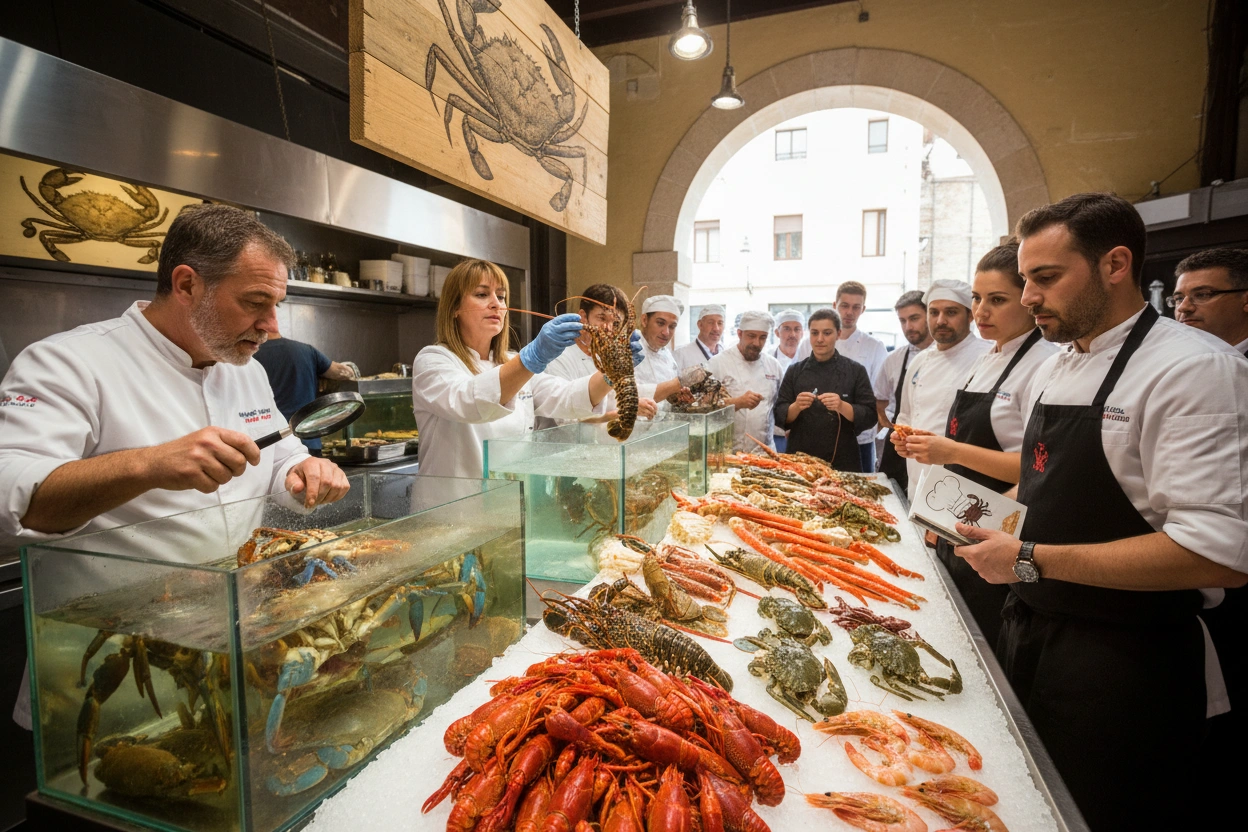
Crustaceans represent a diverse group of aquatic animals, including crabs, lobsters, shrimp, and more. They play a crucial role in marine ecosystems and are also a significant source of food for humans. However, many enthusiasts and professionals alike often encounter pitfalls when engaging with these fascinating creatures. This article aims to provide a comprehensive guide to avoiding common mistakes associated with crustaceans, offering expert insights and practical strategies for success.

Understanding the nuances of crustacean care, breeding, and harvesting can significantly enhance your experience, whether you are a hobbyist, a professional in the seafood industry, or simply an admirer of these remarkable animals. With the right strategies in place, you can ensure the well-being of crustaceans while maximizing their potential, whether in aquaculture or essential tips for raising healthy crustaceans.
Top Crustaceans Strategies for Success

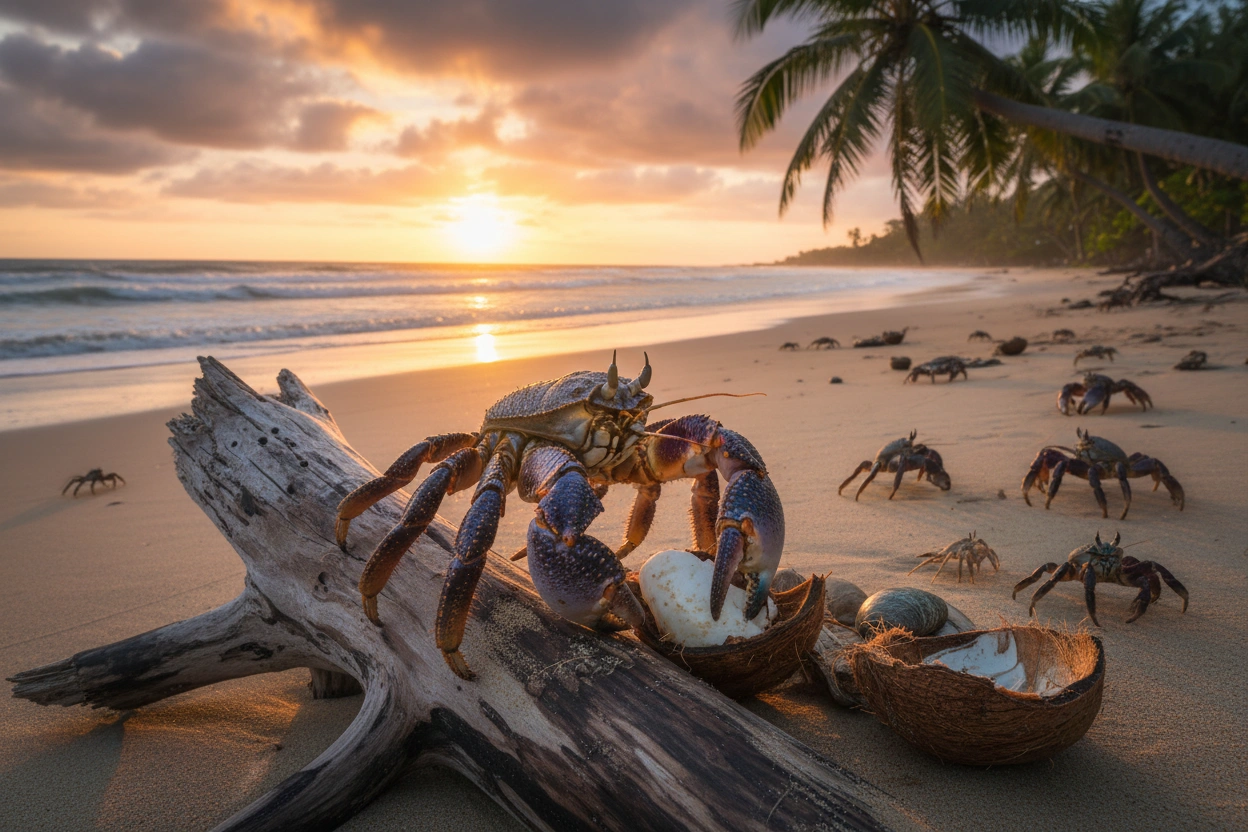
Professional image illustrating Top Crustaceans Strategies for Success

When working with crustaceans, employing effective strategies is essential for ensuring their health and productivity. Below are some top strategies that can help avoid common mistakes and enhance your overall experience.

1. Understanding Species-Specific Needs

Each species of crustacean has its unique requirements regarding habitat, diet, and water quality.

  • Habitat: For example, the habitat requirements for a blue crab differ significantly from those of a freshwater shrimp. Understanding these differences can help you create an appropriate environment.
  • Diet: Crustaceans are opportunistic feeders, but their dietary needs can vary widely. Some require specific types of algae or detritus, while others thrive on a diet of fish meal or formulated pellets.
  • Water Quality: Parameters such as salinity, pH, and temperature can dramatically affect the health of crustaceans. Regular monitoring and adjustments are crucial.

By conducting thorough research on the specific species you are working with, you can tailor their environment and care to meet their needs effectively.

2. Implementing Proper Feeding Practices

Feeding crustaceans requires a balanced approach that considers their nutritional needs without leading to overfeeding, which can cause water quality issues.

  • Frequency: Most crustaceans benefit from multiple small feedings throughout the day rather than one large feeding. This simulates their natural foraging behavior and reduces waste.
  • Quality: Using high-quality feed formulated specifically for crustaceans can ensure they receive the necessary nutrients. It is essential to avoid using human food scraps, which may not meet their dietary requirements and can introduce harmful bacteria.
  • Observation: Regularly observe your crustaceans during feeding times. If they are not consuming the food, it may indicate an issue with water quality or health.

By following these feeding practices, you can help maintain optimal health and growth rates in your crustaceans, including best practices in aquaculture.

3. Maintaining Optimal Water Conditions

Water quality is a critical factor in the health of crustaceans, and neglecting this aspect can lead to significant problems.

  • Regular Testing: Regularly test water parameters such as temperature, salinity, pH, ammonia, nitrites, and nitrates. These tests help identify potential issues before they become critical.
  • Filtration and Aeration: Implementing a robust filtration system can help maintain water clarity and quality. Additionally, aeration can enhance oxygen levels, which are vital for crustacean survival.
  • Water Changes: Regular partial water changes are essential for diluting waste products and replenishing essential minerals. A general rule of thumb is to change 10-20% of the water weekly, depending on the system's bioload.

By prioritizing water quality, you can create a stable environment that promotes growth and reduces stress on crustaceans, particularly in sustainable aquaculture.
Common Mistakes to Avoid with Crustaceans

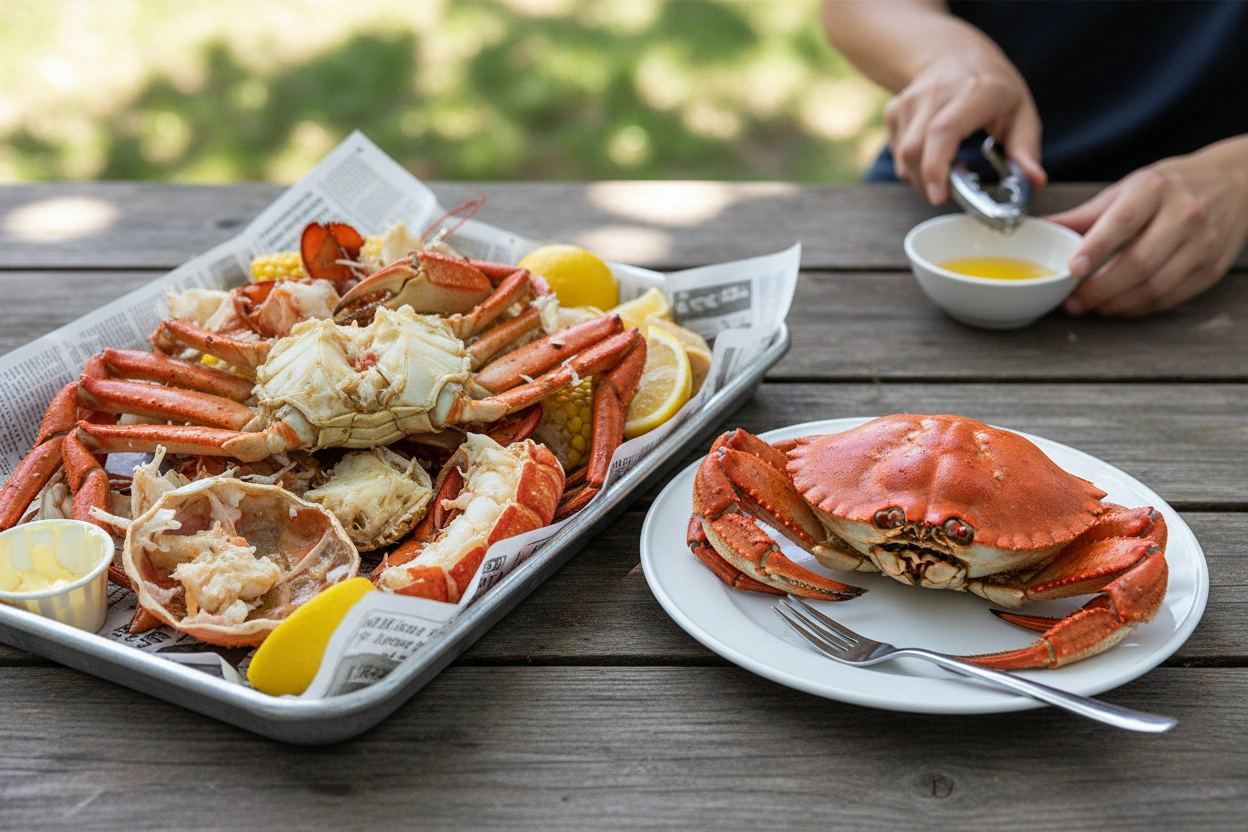
Professional image illustrating Common Mistakes to Avoid with Crustaceans

Navigating the world of crustaceans can be challenging, and mistakes are often made by both novices and experienced individuals. Here are some common pitfalls to avoid:

1. Ignoring Quarantine Procedures

One of the most significant mistakes in crustacean management is failing to implement a quarantine procedure for new specimens.

  • Disease Introduction: New crustaceans can carry diseases or parasites that can spread to your existing population, leading to severe health issues or mortality.
  • Stress Factors: The transfer process itself can be stressful for crustaceans. A quarantine period allows them to acclimate to their new environment without the added pressure of competition or predation.

To avoid these issues, always quarantine new crustaceans for a minimum of two weeks before introducing them to an established system.

2. Overlooking Breeding Requirements

For those interested in breeding crustaceans, overlooking specific breeding requirements can lead to failure.

  • Water Parameters: Breeding often requires specific conditions that differ from standard care. For example, many species require brackish water for successful reproduction.
  • Breeding Triggers: Some crustaceans may require specific environmental triggers, such as changes in temperature or salinity, to initiate breeding.

By understanding these requirements, you can create optimal conditions that facilitate successful breeding.

3. Underestimating the Importance of Social Structure

Crustaceans can exhibit complex social structures, and misunderstanding these dynamics can lead to aggression and stress.

  • Compatibility: Research the compatibility of different species before mixing them in the same tank. Some species are territorial and may harm others.
  • Group Size: Keeping crustaceans in appropriate group sizes can reduce stress and aggression. For example, some species thrive in larger groups, while others prefer solitude.

Recognizing and accommodating the social behaviors of crustaceans can enhance their well-being and reduce conflicts.
Practical Tips for Crustacean Success

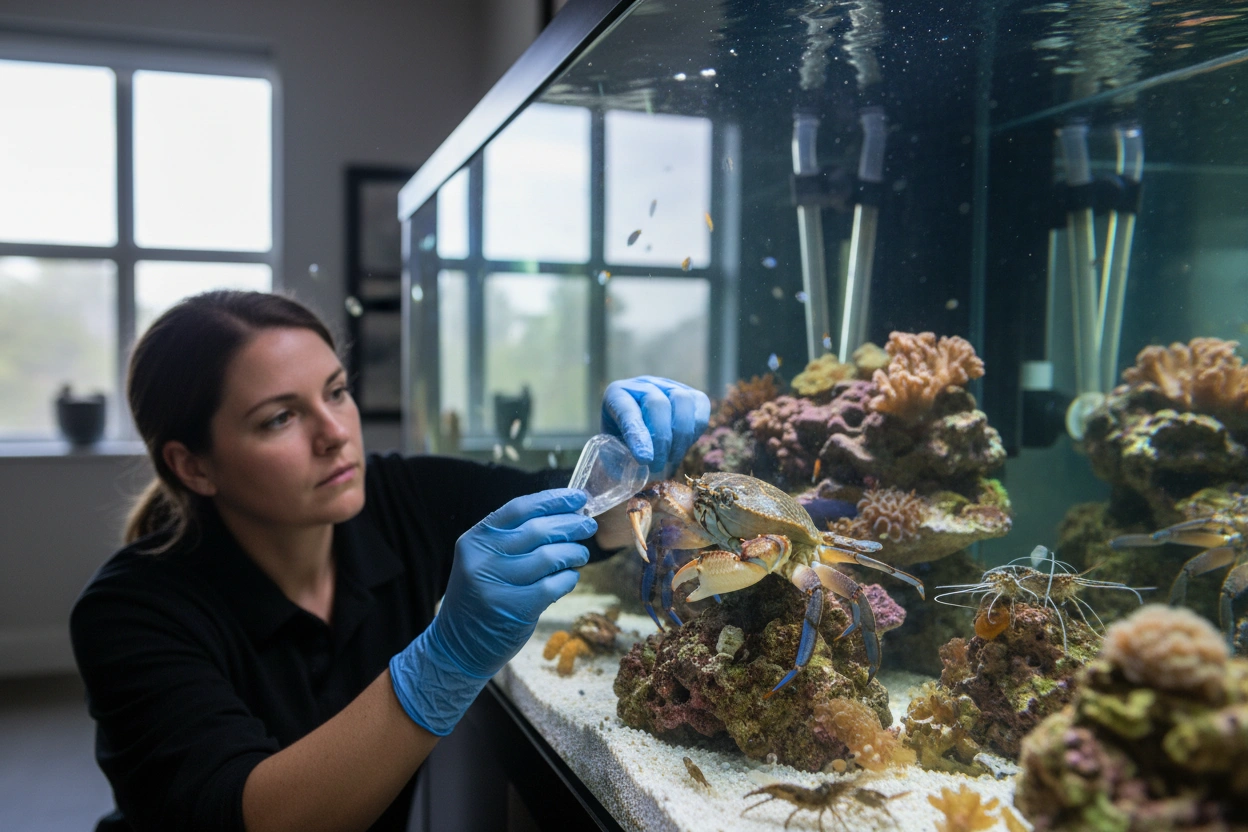
Professional image illustrating Practical Tips for Crustacean Success

To further enhance your success with crustaceans, consider the following practical tips:

1. Engage with Community Resources

  • Forums and Online Communities: Engaging with online forums can provide valuable insights and experiences from other enthusiasts and professionals.
  • Local Clubs: Joining local aquarist clubs can offer opportunities for networking and learning from seasoned crustacean keepers.

2. Continuous Learning and Adaptation

  • Stay Informed: The field of crustacean care and aquaculture is constantly evolving. Stay updated with the latest research and best practices by subscribing to relevant publications and attending workshops.
  • Experiment and Adapt: Every setup is unique. Don’t be afraid to experiment with different strategies and adjust based on what works best for your specific situation.

3. Utilize Technology

  • Monitoring Systems: Consider using automated monitoring systems for water quality. These tools can provide real-time data and alerts, allowing for prompt action if parameters deviate from ideal ranges.
  • Feeding Automation: Automated feeders can help ensure consistent feeding schedules, reducing the risk of overfeeding or underfeeding.

By leveraging community knowledge, continuous learning, and technology, you can significantly improve your crustacean management practices.

The Role of Banana Slug Club in Crustacean Care

Engaging with crustaceans can be a rewarding experience, but it requires dedication and knowledge. The Banana Slug Club is committed to providing resources and support for individuals passionate about crustaceans and marine life.

Through workshops, expert articles, and community engagement, the Banana Slug Club aims to enhance your understanding and success with crustaceans. Whether you are a beginner or an experienced aquarist, the club offers valuable insights and guidance tailored to your needs.

If you are looking to deepen your knowledge and improve your crustacean care practices, consider reaching out to the Banana Slug Club.

Explore More with Banana Slug Club

The journey into the world of crustaceans is filled with opportunities for learning and growth. By applying the insights shared in this article, you can avoid common mistakes and enhance your experience.

For further information, resources, and support, visit the Banana Slug Club. Embrace the adventure of crustacean care and join a community that shares your passion!

Join the Banana Slug Club!

Get free resources, early access to new features and updates.
No spam. Just fun educational emails!