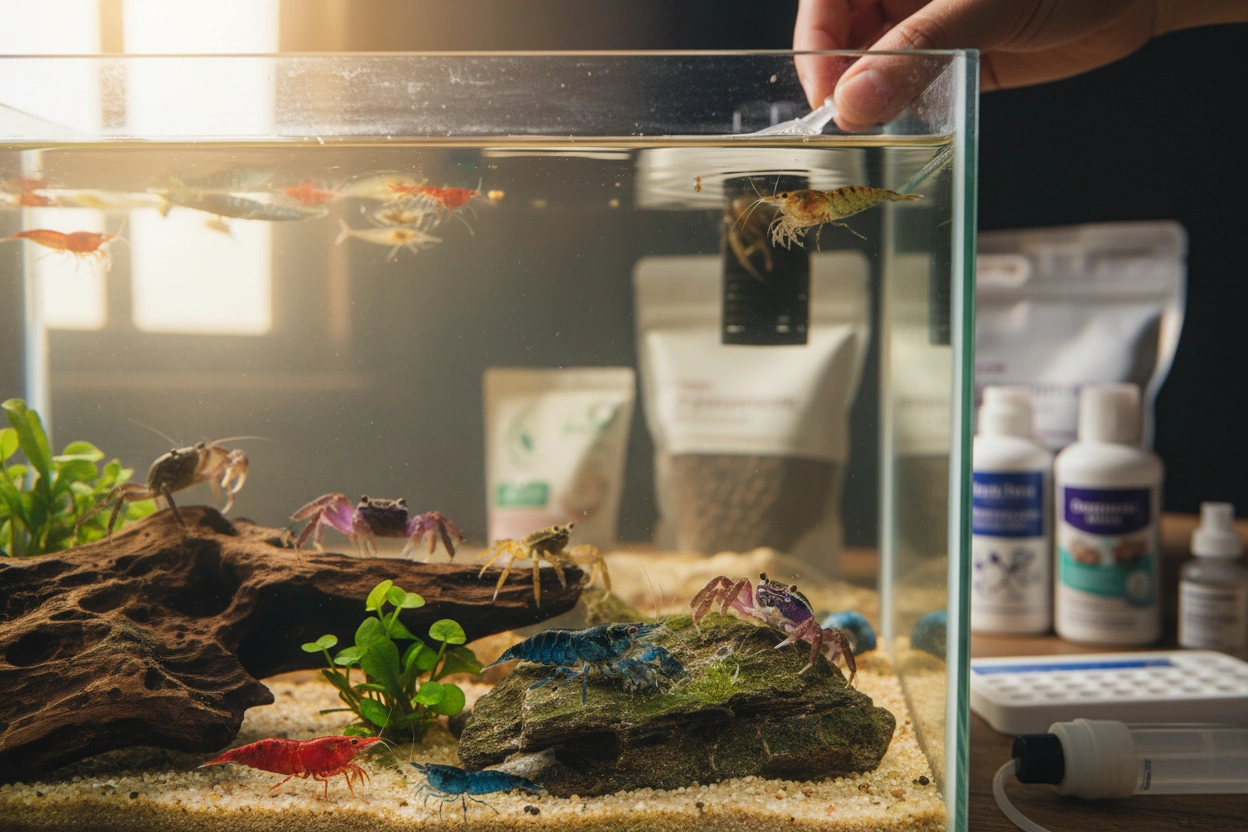
Raising crustaceans can be an exciting and rewarding endeavor for both hobbyists and aquaculture enthusiasts. Crustaceans, which include species such as shrimp, crabs, and lobsters, are not only fascinating to observe but also play a crucial role in aquatic ecosystems and the culinary world. However, the complexities involved in their care and cultivation can be daunting for beginners. This guide aims to equip you with essential tips for raising healthy crustaceans, ensuring a thriving aquatic environment.
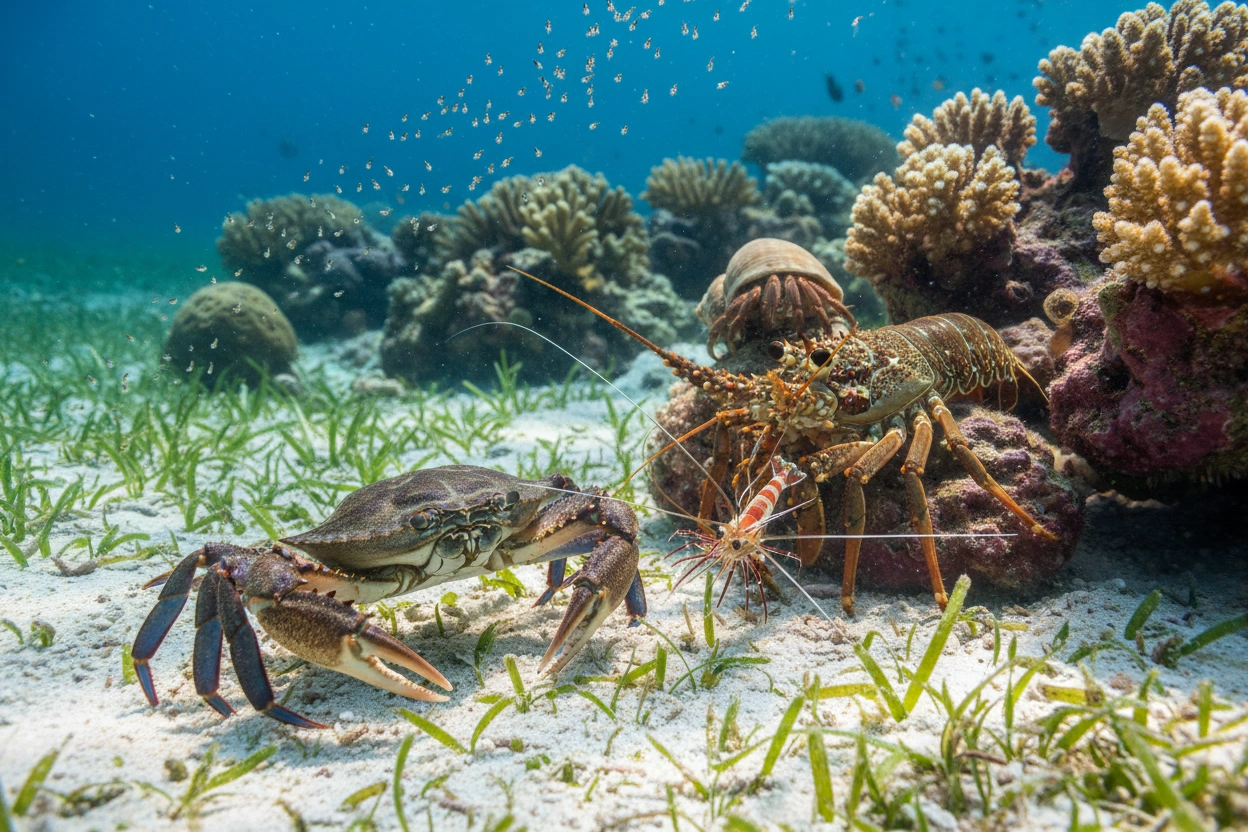
To begin your journey into the world of crustaceans, it’s essential to grasp the fundamental aspects of these remarkable creatures. Crustaceans are a diverse group of arthropods characterized by their hard exoskeletons, segmented bodies, and jointed limbs. They inhabit a variety of environments, from freshwater rivers to deep ocean waters.
Understanding the specific needs of the type of crustacean you wish to raise is critical for their survival and growth.
Many beginners hold misconceptions about crustaceans that can lead to mistakes in their care. One common belief is that all crustaceans are easy to maintain and require minimal care. In reality, each species has unique requirements, including specific diets, water conditions, and habitat setups. In reality, each species has unique requirements, including specific diets, water conditions, and habitat setups.
Another misconception is that crustaceans are entirely aquatic and do not require land or air exposure. While most species live underwater, some, like certain crabs, need access to both land and water for proper health. Understanding these nuances is essential for successful crustacean raising.
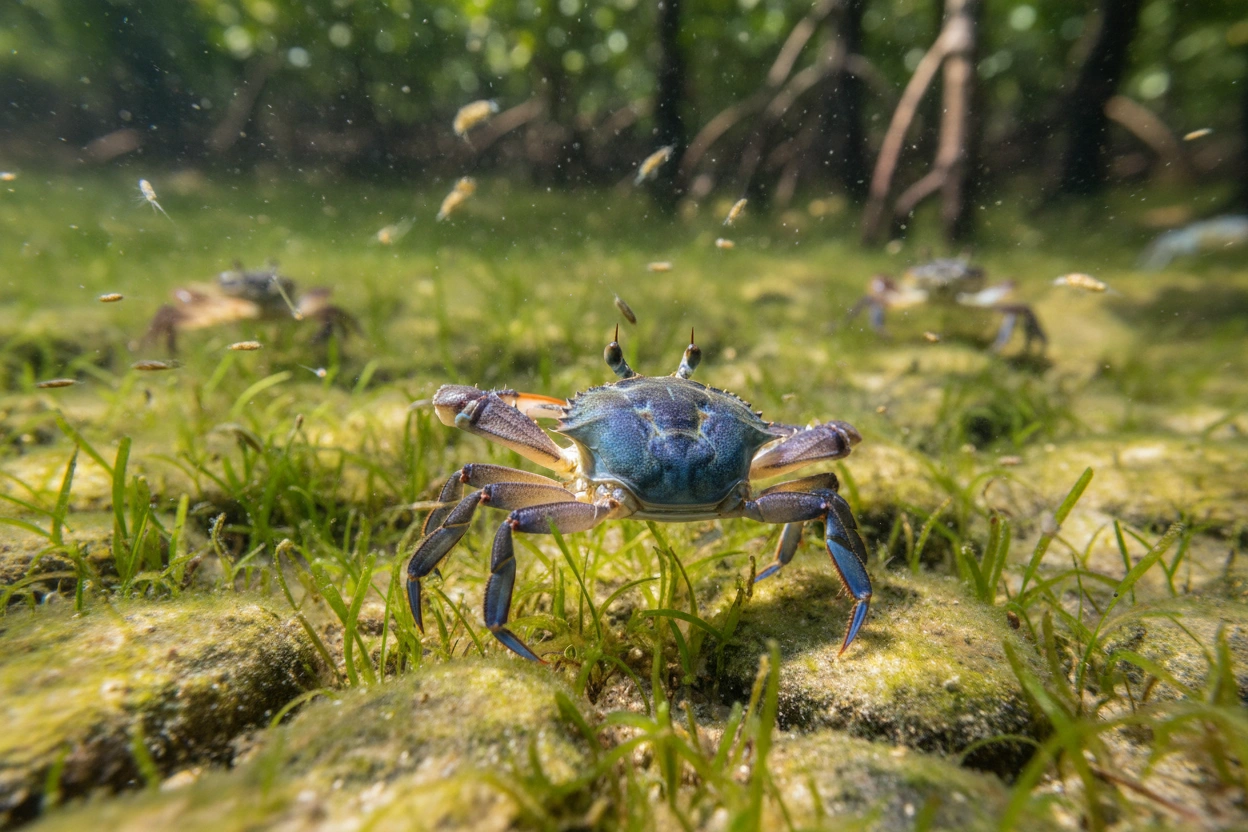
To ensure that your crustaceans thrive, implementing effective strategies is paramount. The following sections outline key practices that can help you achieve success in raising healthy crustaceans. sustainable aquaculture.
The habitat is a critical factor in the health of crustaceans. An optimal environment mimics their natural habitat as closely as possible.
Nutrition plays a vital role in the health and growth of crustaceans. A balanced diet will help prevent diseases and promote growth.
Feed your crustaceans small amounts multiple times a day rather than one large feeding. This approach helps mimic their natural feeding behavior and prevents overfeeding, which can lead to water quality issues.
Monitoring the health of your crustaceans is essential for early detection of potential issues.
If your goal is to breed crustaceans, understanding their reproductive behaviors is crucial.
After breeding, female crustaceans may carry eggs for several weeks. During this time, it is essential to provide a safe environment for them. After the eggs hatch, ensure there is sufficient food for the larvae, which may require different feeding strategies.
Even seasoned aquarists can make mistakes when raising crustaceans. Here are some common pitfalls and strategies to avoid them.
Overcrowding can lead to stress, disease, and increased waste. To avoid this, calculate the appropriate number of crustaceans based on tank size and species requirements.
Poor water quality is one of the leading causes of crustacean health issues. Regularly test your water for ammonia, nitrites, nitrates, and pH levels. Perform regular water changes to maintain optimal conditions.
Inconsistent feeding can lead to malnutrition or overfeeding. Establish a feeding schedule that accounts for the specific needs of your crustaceans.
Raising healthy crustaceans is not just about individual practices; it's about being part of a community that shares knowledge and resources. Engaging with fellow enthusiasts can provide insights and solutions to common challenges.
Banana Slug Club is dedicated to helping aquarists of all levels enhance their understanding of crustaceans and other aquatic life. By joining this community, you can access a wealth of resources, including expert advice and interactive forums to discuss your experiences.
You have now learned the essential tips for raising healthy crustaceans. From creating the ideal habitat to maintaining water quality, each aspect plays a vital role in their well-being. For those looking to expand their knowledge and connect with like-minded individuals, we encourage you to engage with Banana Slug Club.
Visit Banana Slug Club to explore more resources and connect with fellow crustacean enthusiasts. Whether you're just starting or looking to refine your skills, our community is here to support you on your journey.
Get free resources, early access to new features and updates.
No spam. Just fun educational emails!


.svg)
.svg)