Top Mistakes to Avoid When Observing Birds of Prey in the Wild
Birdwatching, especially when it comes to observing birds of prey, can be an exhilarating experience. These majestic raptors, known for their keen eyesight and incredible hunting skills, can evoke a sense of wonder and connection to nature. However, many birdwatchers, whether novices or seasoned enthusiasts, often make critical mistakes that can detract from their experience or even disrupt the wildlife they are trying to enjoy. In this article, we will explore the top mistakes to avoid when observing birds of prey in the wild and provide practical tips to enhance your responsible birdwatching tours.
Understanding the Behavior of Raptors: A Detailed Overview
Before delving into common mistakes, it's essential to understand the behavior of raptors. Birds of prey, including eagles, hawks, and owls, exhibit unique hunting strategies, social behaviors, and nesting habits that are critical for their survival.
The Hunting Strategies of Raptors
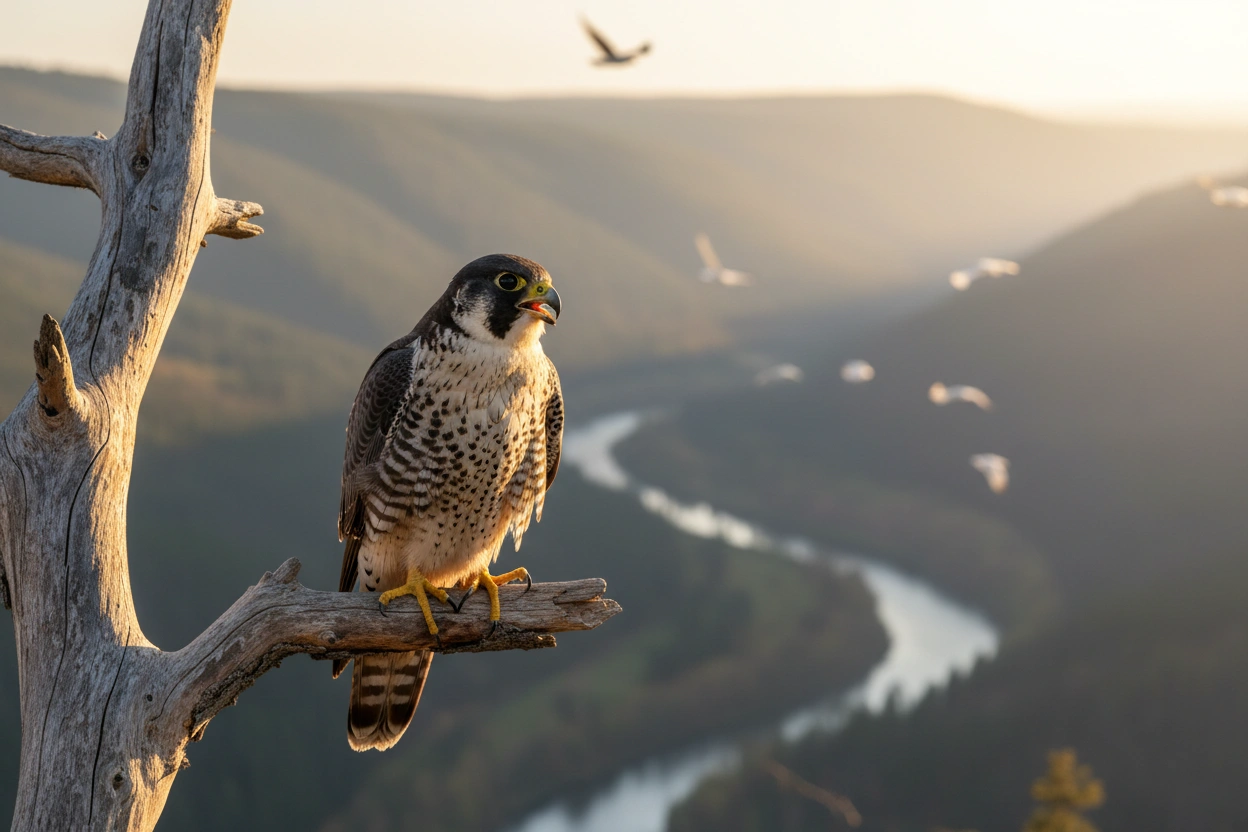
Raptors are equipped with extraordinary adaptations for hunting. Their sharp talons, hooked beaks, and keen eyesight are specifically designed for capturing and consuming prey.
- Keen Vision: Raptors can see ultraviolet light, which helps them spot urine trails of small mammals, making them effective hunters.
- Stealth and Patience: Many raptors employ a strategy of patience, soaring high to survey large areas before diving down to catch unsuspecting prey.
- Territorial Behavior: Some species, like red-tailed hawks, are highly territorial and will defend their hunting grounds from intruders, including other raptors.
Understanding these behaviors can significantly enhance your observation experience, allowing you to predict their movements and actions.
Social Structures and Nesting Habits
Raptors can also exhibit complex social structures, particularly during breeding season.
- Monogamous Bonds: Many raptors form monogamous pairs, often returning to the same nesting site year after year. Observing these bonds can provide insight into their life cycle.
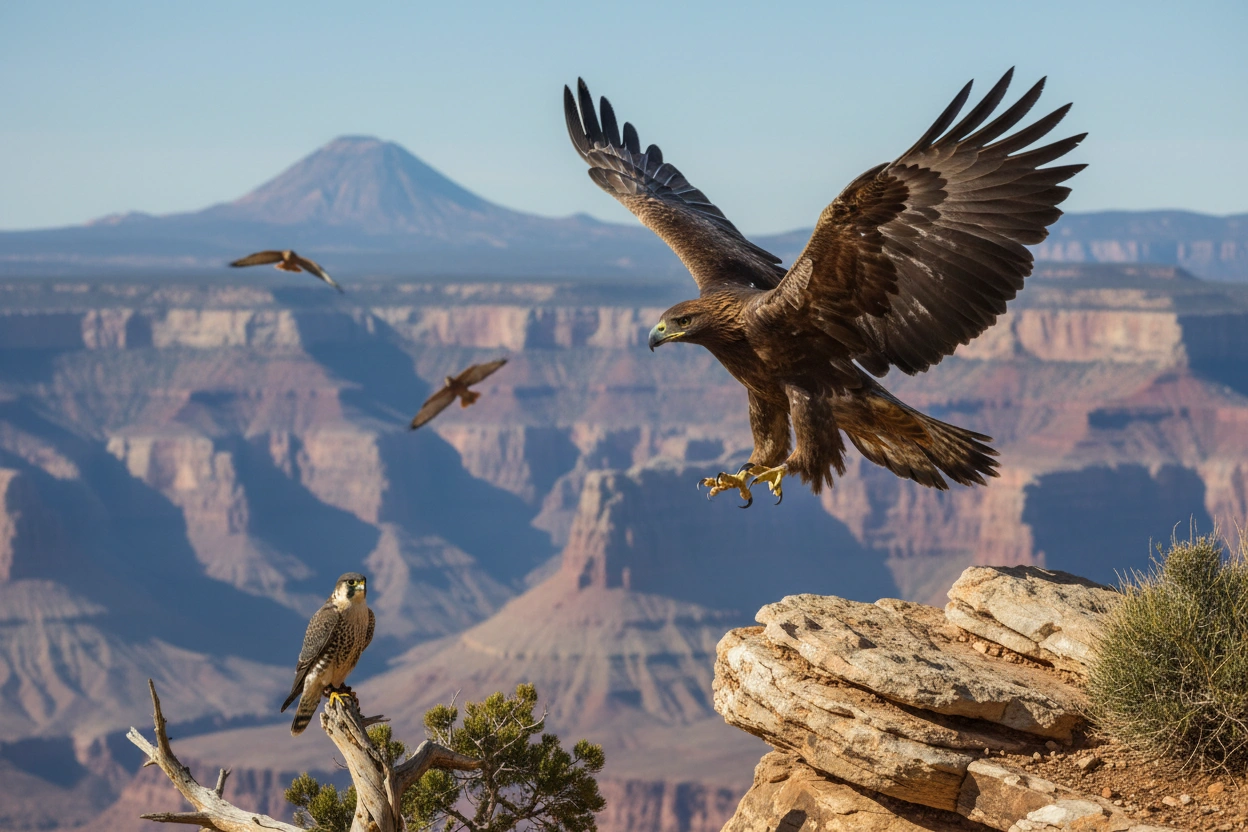
- Nesting Locations: Raptors typically choose high vantage points for nesting, such as tall trees or cliffs, which offer safety from ground predators and a clear view of their surroundings.
By familiarizing yourself with these aspects of raptor behavior, you will be better prepared to observe them in their natural habitat.
Common Mistakes When Observing Birds of Prey
While understanding raptor behavior is crucial, avoiding common mistakes is equally important for a successful birdwatching experience. Below are some of the most frequent errors made by birdwatchers.
1. Getting Too Close
One of the most significant mistakes birdwatchers make is getting too close to the birds. While it may be tempting to approach these magnificent creatures for a better view, doing so can stress the birds and disrupt their natural behaviors.
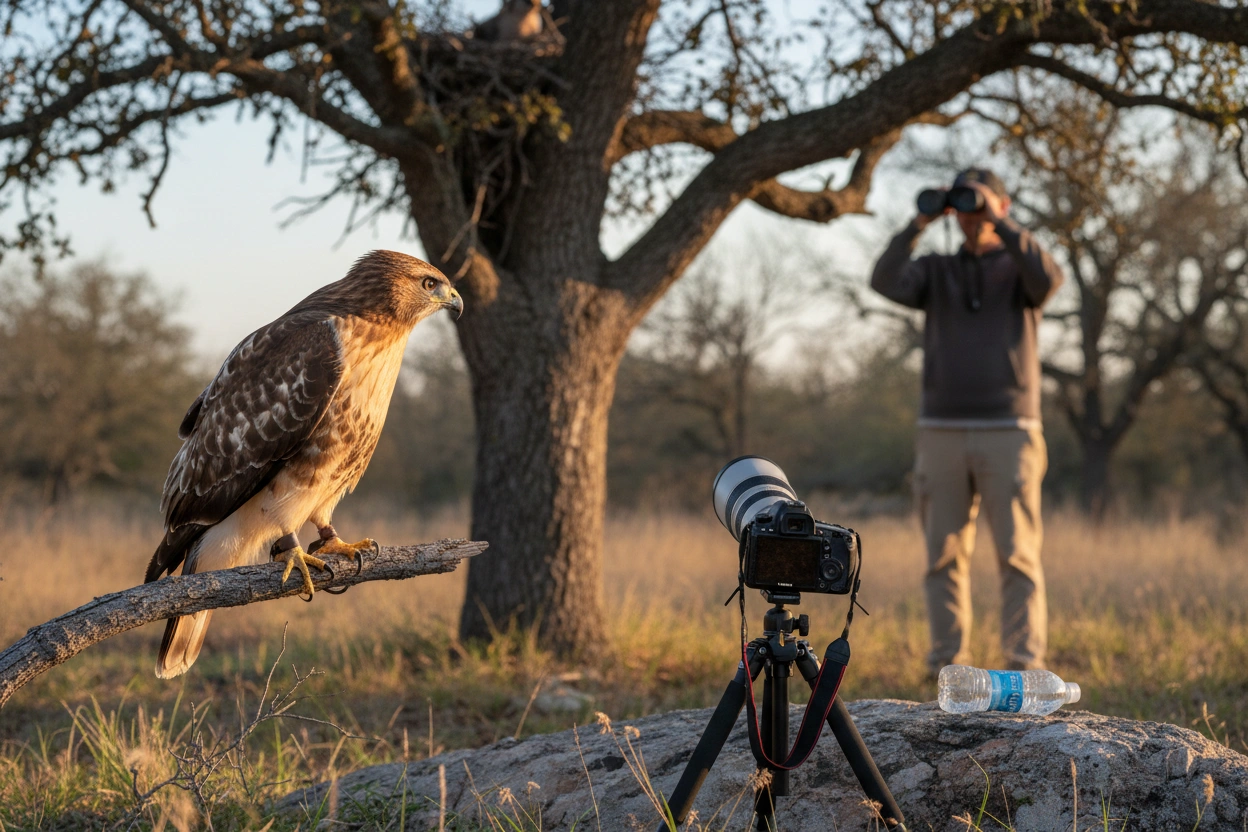
- Use Binoculars or Spotting Scopes: Always keep a safe distance and use binoculars or spotting scopes to enhance your view without disturbing the wildlife.
- Respect Their Space: Raptors are sensitive to human intrusion, especially during nesting season. Observing from a distance helps ensure their safety and well-being.
2. Ignoring Local Regulations
Many birdwatchers overlook local regulations regarding wildlife observation. These rules are often in place to protect the birds and their habitats.
- Research Before You Go: Familiarize yourself with local laws and guidelines. Some areas may have restrictions on where and when you can observe raptors.
- Follow Wildlife Guidelines: Respect all posted signs and guidelines to avoid legal repercussions and contribute to conservation efforts.
3. Failing to Prepare
Preparation is key to a successful birdwatching tour, yet many enthusiasts underestimate its importance.
- Equip Yourself Properly: Bring essential gear such as binoculars, field guides, and a notebook to record your observations.
- Dress Appropriately: Wear comfortable clothing suitable for the weather conditions, and consider bringing extra layers for unpredictable changes in temperature.
4. Not Being Patient
Birdwatching requires patience and a keen sense of observation. Many birdwatchers become frustrated when they do not see birds immediately.
- Take Your Time: Spend time in one location, as raptors may take a while to appear. Patience often rewards you with unforgettable moments.
- Practice Silence: Keep noise to a minimum to avoid scaring away birds. A quiet environment increases your chances of witnessing raptor behavior.
5. Misidentifying Species
Misidentification can lead to misinformation and confusion about the species you are observing.
- Use Field Guides: Invest in a reliable field guide or download an app specifically for bird identification. Familiarize yourself with the distinguishing characteristics of local raptor species.
- Join Birdwatching Tours: Consider participating in guided birdwatching tours led by experts who can help you accurately identify various raptors.
6. Overlooking Environmental Conditions
Environmental factors can significantly affect raptor activity. Many birdwatchers fail to consider how weather, time of day, and seasonality influence raptor behavior.
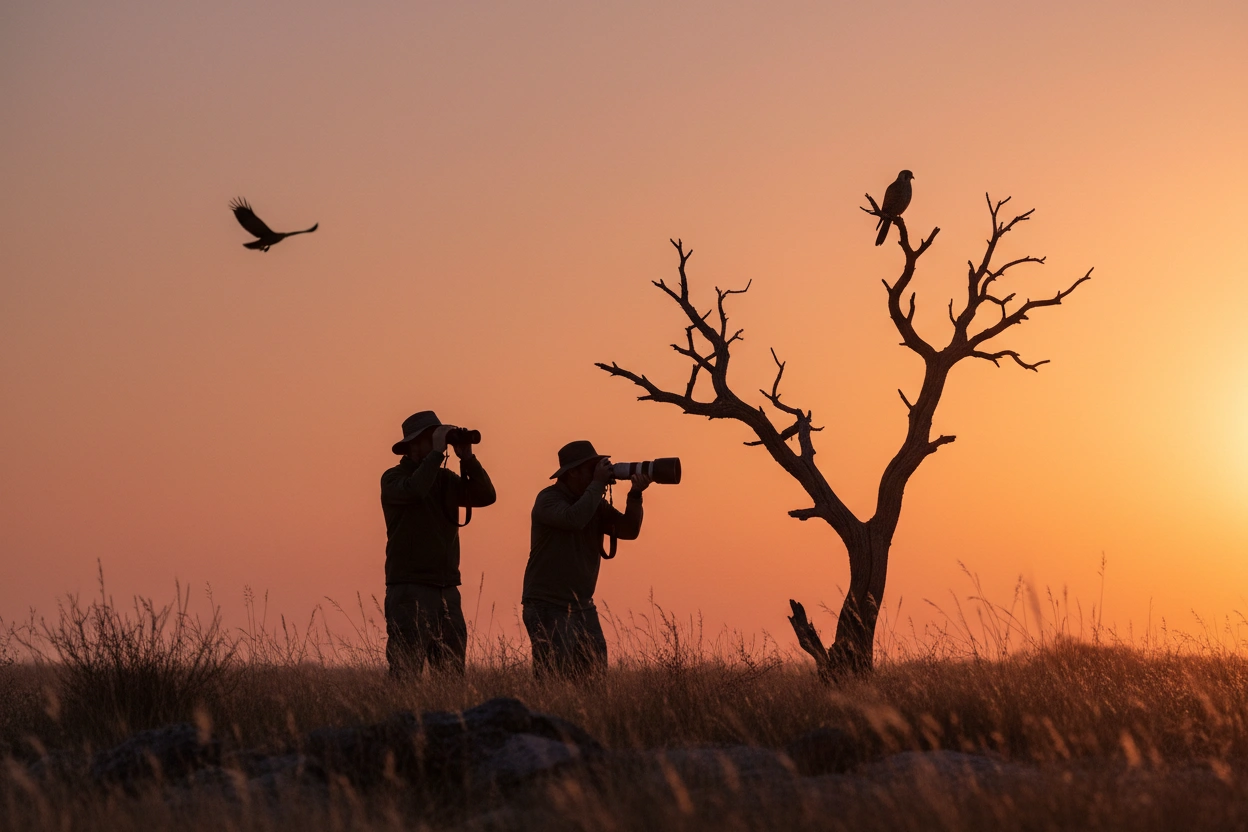
- Optimal Timing: Early mornings and late afternoons are often the best times to observe raptors as they are more active during these periods.
- Weather Awareness: Be aware that extreme weather conditions can affect raptor sightings. For instance, raptors may be less active during heavy rain or strong winds.
Enhancing Your Birdwatching Experience
To maximize your enjoyment and success when observing birds of prey, consider the following strategies.
Join Birdwatching Tours
Participating in organized birdwatching tours can provide numerous benefits, including:
- Expert Guidance: Experienced guides can offer valuable insights into raptor behavior and identification techniques.
- Access to Prime Locations: Tours often include visits to locations known for high raptor activity, increasing your chances of sightings.
Document Your Observations
Keeping a journal of your birdwatching experiences can enhance your skills and knowledge over time.
- Record Details: Note the species observed, behaviors witnessed, and environmental conditions. This practice can help you track patterns and improve future outings.
- Photography: Capturing images of raptors can be a rewarding aspect of birdwatching. Ensure you have the right equipment and respect the birds' space while photographing.
Engage with the Birdwatching Community
Connecting with fellow birdwatchers can provide opportunities for learning and sharing experiences.
- Join Local Clubs: Many areas have birdwatching clubs that organize events and provide resources for enthusiasts.
- Online Forums: Participate in online communities where you can ask questions, share observations, and learn from others' experiences.
The Intersection of Birds of Prey and Conservation Efforts
Observing birds of prey in the wild is not just a recreational activity; it can also play a crucial role of birds of prey in conservation efforts. By being mindful of your impact and supporting conservation initiatives, you can contribute to the protection of these magnificent creatures.
- Participate in Citizen Science: Many organizations encourage birdwatchers to report sightings, which helps researchers monitor raptor populations and behaviors.
- Support Conservation Organizations: Contributing to organizations focused on raptor conservation can help protect their habitats and promote sustainable practices.
By avoiding common mistakes and adopting best practices, you can enhance your birdwatching experience while contributing to the preservation of birds of prey.
How Banana Slug Club Can Enhance Your Birdwatching Journey
Birdwatching, particularly when observing birds of prey, offers a unique opportunity to connect with nature and engage in meaningful conservation efforts. By avoiding common pitfalls and applying the strategies outlined in this article, you can enhance your experience and foster a deeper appreciation for these incredible raptors.
Banana Slug Club is committed to promoting wildlife education and conservation. We provide resources, guides, and community support to help you make the most of your raptor-friendly backyard adventures. Whether you're looking for tips on where to observe raptors or seeking to connect with fellow enthusiasts, Banana Slug Club is here to assist you.
Visit Banana Slug Club to learn more about our offerings and how you can deepen your understanding of birds of prey while enjoying the beauty of nature.


.svg)
.svg)