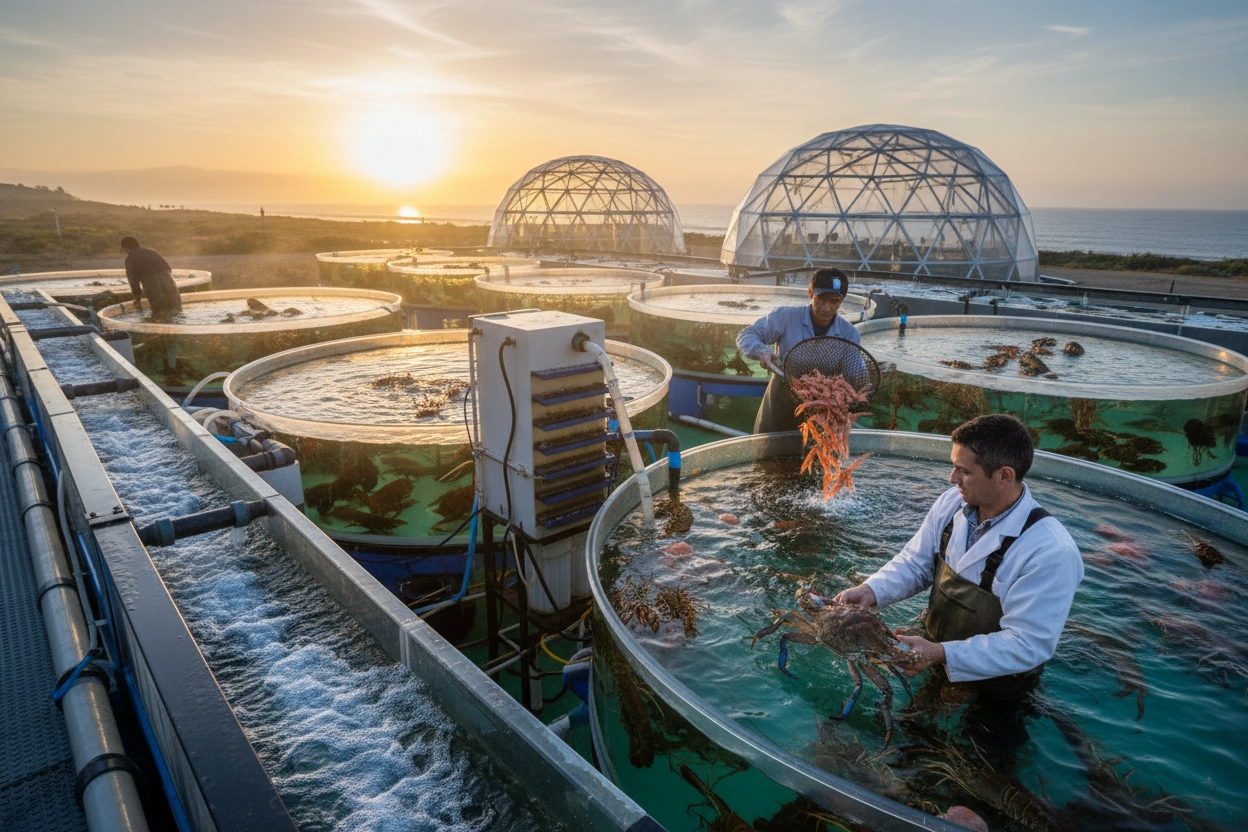
The aquaculture industry has witnessed tremendous growth in recent years, with crustaceans like shrimp, crabs, and lobsters taking center stage due to their high market demand. As of 2026, understanding the best practices for cultivating these valuable species is crucial for both new and experienced aquaculturists. This article will delve into effective techniques that can significantly boost aquaculture success, offering a comprehensive crustaceans guide filled with actionable insights.
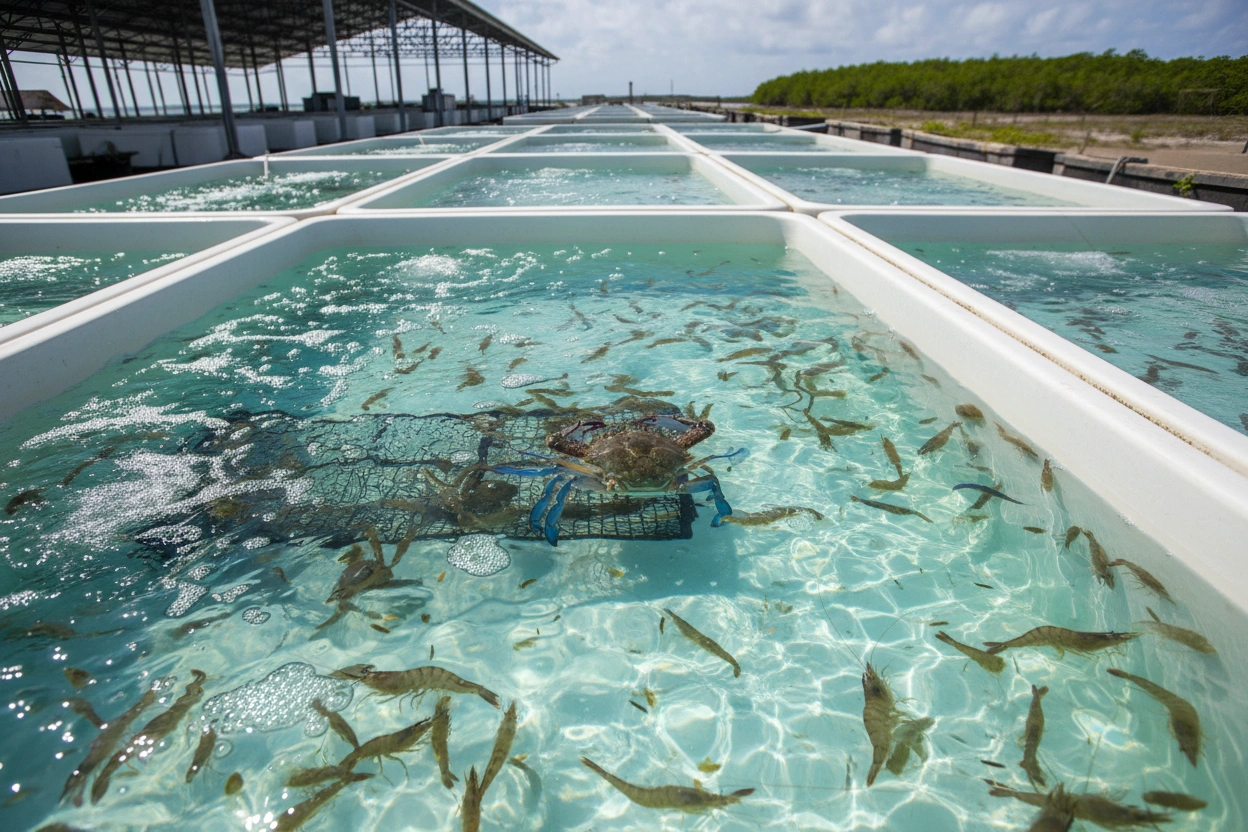
Crustaceans are a diverse group of aquatic animals characterized by their hard exoskeletons, segmented bodies, and jointed appendages. In aquaculture, they are primarily farmed for food, but their ecological and economic significance extends beyond just culinary uses. From providing livelihoods to supporting local economies, crustaceans play a critical role in global food security.
Crustaceans contribute significantly to aquaculture by providing high protein and essential nutrients to millions worldwide. The global demand for crustaceans, particularly shrimp, has increased substantially, making them one of the most valuable aquaculture products. For instance, according to the Food and Agriculture Organization (FAO), global shrimp production reached approximately 4.2 million tons in 2023, reflecting a growing trend in consumer preferences for seafood.
Many newcomers to aquaculture may harbor misconceptions about crustacean farming, such as the belief that it is an easy venture. In reality, successful cultivation requires a deep understanding of species-specific needs, environmental management, and biosecurity measures. Additionally, some may underestimate the importance of nutrition and water quality, which are critical factors influencing crustacean health and growth. sustainable aquaculture.

To thrive in the competitive landscape of aquaculture, implementing effective strategies is paramount. Below are key techniques that can enhance crustacean farming:
Water quality is the cornerstone of successful crustacean farming. Crustaceans are sensitive to changes in their environment, and poor water quality can lead to stress and disease outbreaks.
Nutrition plays a pivotal role in the growth and health of crustaceans. Developing a balanced diet that meets their specific needs can enhance growth rates and improve overall yield.
Biosecurity is crucial in preventing the introduction and spread of pathogens that can devastate crustacean populations. Implementing stringent biosecurity protocols can safeguard your aquaculture operations.
Incorporating technology into aquaculture practices can streamline operations and improve decision-making processes. Advanced monitoring systems can provide real-time data on water quality, feeding habits, and overall health.
Diversification can mitigate risks associated with market fluctuations and environmental changes. By cultivating multiple species of crustaceans, farmers can enhance their resilience and profitability.
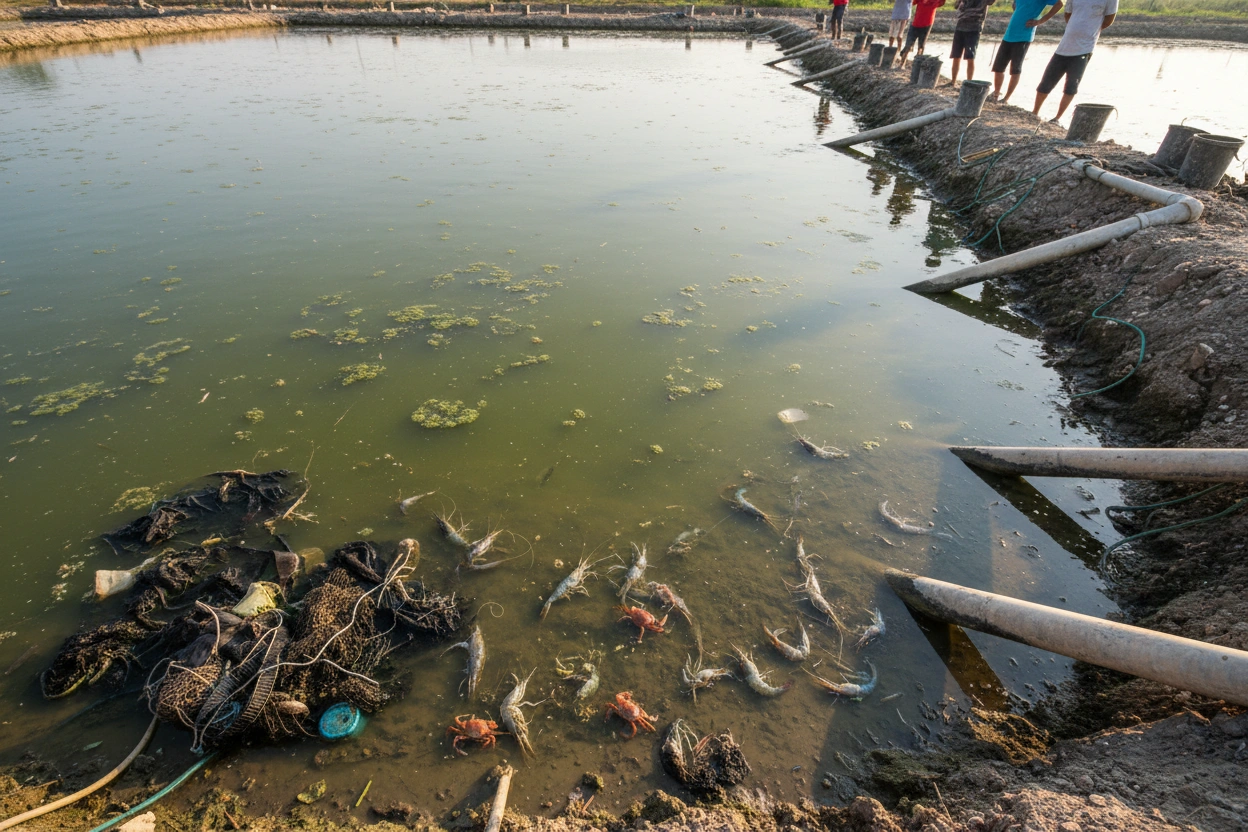
While there are numerous strategies to enhance crustacean aquaculture, certain pitfalls can hinder success. Being aware of these common mistakes can help farmers navigate challenges more effectively.
Many aquaculturists underestimate the importance of biosecurity, leading to disease outbreaks that can decimate entire stocks. Implementing robust biosecurity measures from the outset is crucial to maintaining a healthy farm.
Each crustacean species has unique requirements regarding water quality, diet, and habitat. Failing to recognize these differences can result in suboptimal growth and increased mortality rates.
Proper record-keeping is essential for tracking growth rates, feed conversion ratios, and health metrics. Without accurate records, it becomes challenging to identify trends and make informed decisions.
Continued research is vital for advancing crustacean aquaculture practices. Academic institutions, government agencies, and private organizations are collaborating to uncover innovative solutions to common challenges.
Sustainability is becoming increasingly important in aquaculture. Implementing practices that minimize environmental impact while maximizing yield can lead to long-term success. sustainable fisheries.
As the aquaculture industry continues to evolve, crustaceans will remain a focal point of research and development. With advancements in technology, nutrition, and sustainable practices, the potential for growth in this sector is immense.
The integration of artificial intelligence and machine learning into aquaculture management is on the rise. These technologies can optimize feeding practices, predict health issues, and enhance overall farm efficiency.
The global demand for sustainable seafood is shaping the future of crustacean aquaculture. Consumers are increasingly favoring responsibly sourced products, prompting farmers to adopt more sustainable practices.
As we have explored, effective crustacean farming requires a multifaceted approach that encompasses water quality management, nutrition, biosecurity, technology, and sustainability. By incorporating these top crustaceans techniques into your aquaculture practices, you can enhance your chances of success in this competitive industry. sustainable aquaculture.
The Banana Slug Club is dedicated to providing resources and support for aquaculture enthusiasts looking to deepen their understanding of crustaceans and improve their farming practices. Whether you are a seasoned farmer or just starting your journey, our community offers valuable insights and networking opportunities.
For those eager to apply the knowledge gained from this article, we invite you to take the next step. Contact Banana Slug Club today to explore our resources and connect with fellow aquaculture professionals. Your journey towards successful crustacean farming starts here.
Get free resources, early access to new features and updates.
No spam. Just fun educational emails!


.svg)
.svg)