The aquaculture industry has witnessed significant growth in recent years, with crustaceans emerging as a key segment due to their high demand and nutritional value. In 2026, the need for sustainable practices in this sector is more pressing than ever, as environmental concerns and resource management take center stage. Understanding how to maximize crustaceans for sustainable aquaculture not only benefits the ecosystem but also enhances productivity and profitability for aquaculture businesses. This comprehensive guide aims to provide actionable insights and strategies for optimizing crustaceans in sustainable aquaculture.

Crustaceans encompass a diverse group of aquatic animals including shrimp, crabs, and lobsters, which are integral to both wild and farmed seafood markets. The global crustacean aquaculture market has expanded rapidly, driven by consumer preference for seafood and the increasing necessity for sustainable food sources.
Crustaceans are characterized by their exoskeletons and segmented bodies, which provide them with protection and mobility in aquatic environments. They play a vital role in the aquatic food web, contributing to nutrient cycling and serving as prey for various marine species.
Understanding these characteristics is essential for developing effective farming strategies that prioritize sustainability. For more information on raising healthy crustaceans, consider exploring additional resources.
Sustainable aquaculture practices are crucial to minimize environmental impacts, enhance food security, and maintain biodiversity. Overfishing and habitat destruction have led to significant declines in wild crustacean populations, making aquaculture a viable alternative. By optimizing farming practices, producers can ensure long-term viability and profitability while reducing their ecological footprint.

To maximize the potential of crustaceans in aquaculture, producers must adopt a range of strategies that promote sustainability and efficiency. Here are the top strategies to consider:
The choice of feed is critical in crustacean aquaculture as it affects growth rates, health, and environmental impact. Sustainable feed management involves:
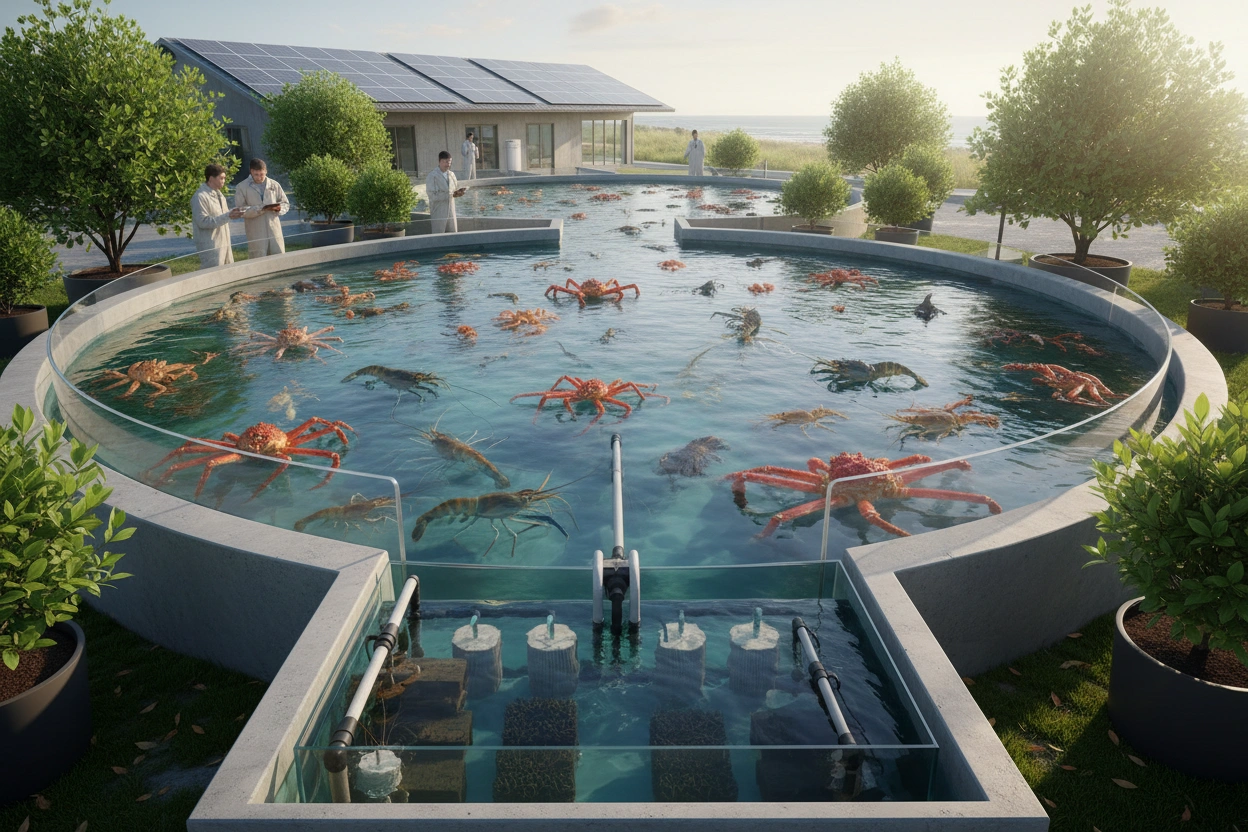
Recirculating aquaculture systems (RAS) are innovative technologies that allow for the continuous reuse of water in aquaculture operations. Benefits of RAS include:
Restoring natural habitats is vital for maintaining biodiversity and supporting sustainable crustacean populations. Strategies include:
Genetic improvement through selective breeding can significantly enhance the growth rates, disease resistance, and overall health of farmed crustaceans. This involves:
IMTA is an innovative approach that integrates the cultivation of different species at various trophic levels to create a balanced ecosystem. Benefits of IMTA include:

Despite the growing knowledge about sustainable aquaculture, several misconceptions persist that can hinder progress in optimizing crustaceans. Addressing these misunderstandings is critical for fostering informed practices.
Many people believe that all forms of aquaculture lead to environmental degradation. However, when managed sustainably, aquaculture can actually alleviate pressure on wild populations and provide an alternative source of seafood. Sustainable practices, such as RAS and IMTA, demonstrate how aquaculture can be integrated into environmental stewardship.
While wild-caught seafood has its merits, sustainable aquaculture offers a controlled environment that can be managed to minimize negative impacts. With advancements in technology and practices, farmed crustaceans can be produced with lower ecological footprints compared to their wild counterparts.
It is crucial to understand that crustaceans have specific habitat requirements that must be met for optimal growth. Poor environmental conditions can lead to stress and disease, ultimately impacting yields. Ensuring proper water quality, temperature, and nutrition is essential for successful crustacean farming.
To effectively optimize crustaceans for sustainable aquaculture, here are actionable insights that farmers can implement:
Conduct Regular Health Assessments: Regular monitoring of crustacean health can help identify issues early, reducing the risk of disease outbreaks and improving overall farm productivity.
Adopt Precision Feeding Techniques: Utilizing technology to deliver precise amounts of feed can reduce waste and improve feed efficiency, ultimately leading to better growth rates and lower costs.
Engage in Continuous Learning: Staying informed about the latest research and developments in aquaculture can help farmers adopt innovative practices that enhance sustainability and productivity.
Collaborate with Stakeholders: Building partnerships with local communities, researchers, and industry experts can foster knowledge sharing and the implementation of best practices.
Invest in Technology: Embracing technological advancements such as automation, monitoring systems, and data analytics can enhance operational efficiency and sustainability.
As the aquaculture industry evolves, the need for resources and support in optimizing crustaceans becomes increasingly important. The Banana Slug Club is committed to providing valuable insights, tools, and community engagement to support sustainable practices in aquaculture.
The Banana Slug Club aims to equip aquaculture practitioners with the knowledge and resources necessary to implement sustainable strategies effectively. Whether it is through educational content, workshops, or collaborative initiatives, the organization plays a pivotal role in fostering sustainable aquaculture practices.
In summary, optimizing crustaceans for sustainable aquaculture is essential for ensuring the long-term viability of both the industry and the ecosystems it relies on. By adopting strategies such as sustainable feed management, utilizing RAS, and engaging in habitat restoration, aquaculture producers can contribute to a more sustainable future. For more information on how to maximize crustaceans benefits in sustainable fisheries, consider exploring additional resources.
Contact Banana Slug Club today to learn how you can enhance your aquaculture practices and contribute to sustainability in crustacean farming.
Get free resources, early access to new features and updates.
No spam. Just fun educational emails!


.svg)
.svg)