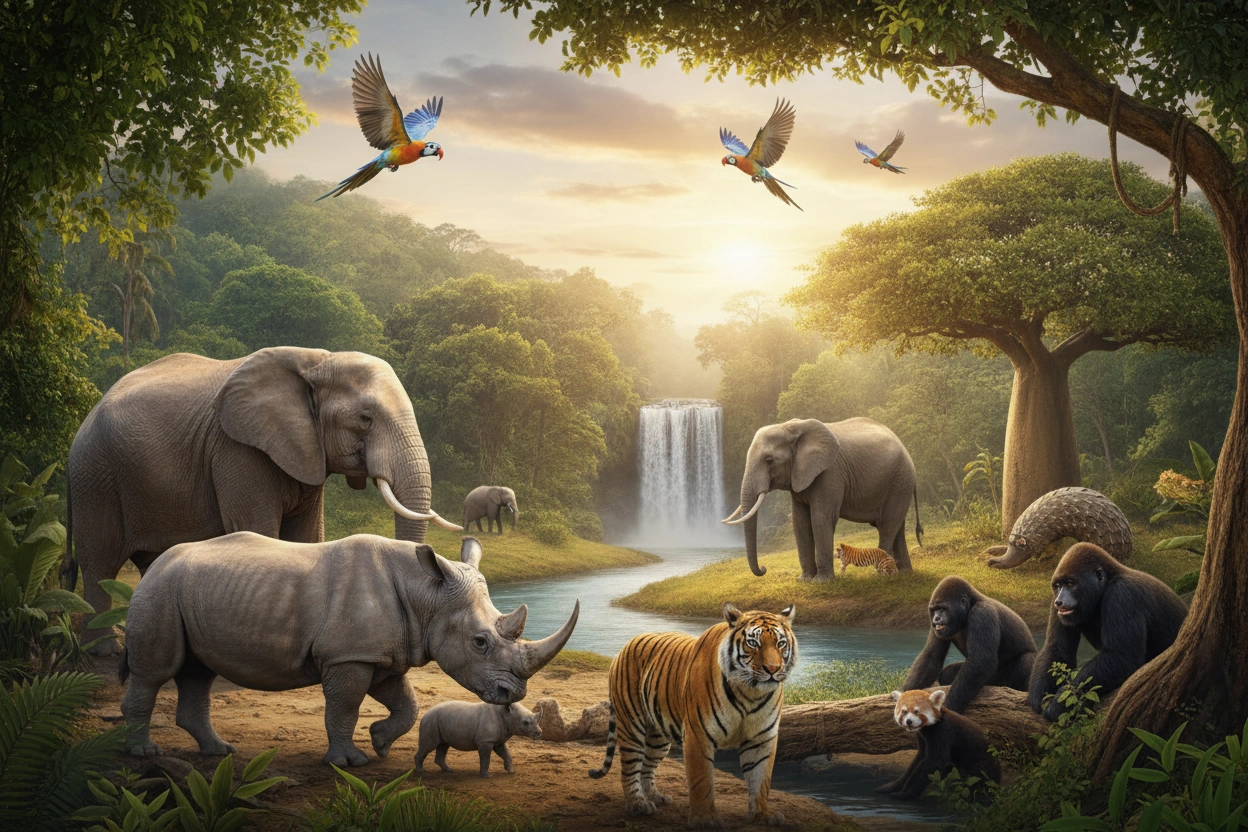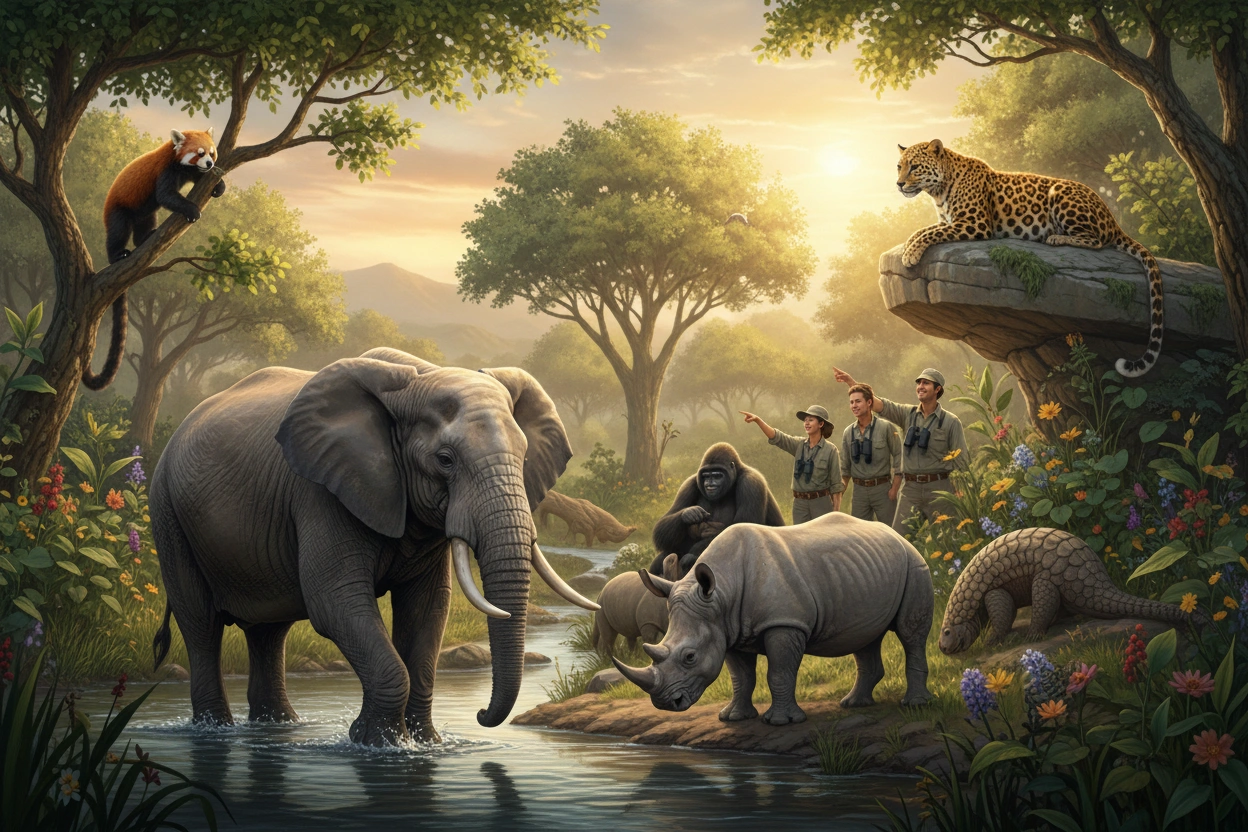
The plight of endangered animals is a pressing issue that has captured the attention of environmentalists, scientists, and concerned citizens worldwide. With habitat destruction, climate change, poaching, and pollution leading to a rapid decline in wildlife populations, conservation efforts have never been more critical. As of 2026, various organizations and initiatives are dedicated to protecting these vulnerable species and their habitats. This article explores the most impactful conservation efforts currently in place and highlights ten endangered animals that everyone should be aware of.

Endangered animals are species that are at risk of extinction due to various factors, including loss of habitat, hunting, and climate change. The International Union for Conservation of Nature (IUCN) categorizes species based on their risk of extinction, and this classification is crucial for prioritizing conservation efforts. Protecting endangered species is not just about saving individual animals; it is also about maintaining biodiversity and the health of ecosystems.
Conservation efforts can take many forms, from habitat restoration and legal protection to breeding programs and community engagement. Understanding the importance of these efforts helps raise awareness and encourages public participation in wildlife protection initiatives.

Awareness is the first step in conservation. Here are ten endangered animals that highlight the diversity of species at risk and the urgent need for conservation action.
The Amur leopard, native to the Russian Far East and Northeast China, is one of the rarest big cats in the world. With fewer than 100 individuals left in the wild, this species faces threats from habitat loss and poaching. Conservation efforts focus on habitat protection and anti-poaching measures.
The vaquita is a small porpoise found only in the Gulf of California, Mexico. With an estimated population of fewer than 30 individuals, it is critically endangered due to bycatch in illegal gillnets used for fishing. Conservationists are working to ban these nets and promote sustainable fishing practices.
The Sumatran orangutan is critically endangered, primarily due to habitat destruction caused by palm oil plantations. Efforts to protect this species include habitat restoration and advocacy for sustainable palm oil production.
With only around 80 individuals remaining in the wild, the Javan rhino is considered one of the most endangered large mammals. Conservation initiatives focus on protecting their sole habitat in Ujung Kulon National Park and monitoring the population.
The African elephant is threatened by poaching for ivory and habitat loss. Conservation efforts include anti-poaching patrols, community education programs, and the establishment of wildlife corridors to connect fragmented habitats.
Snow leopards are elusive big cats found in the mountain ranges of Central and South Asia. They are threatened by habitat loss, poaching, and retaliatory killings by herders. Conservation strategies include community-based conservation programs and strengthening local livelihoods.
Hawksbill turtles are critically endangered due to illegal trade, habitat loss, and climate change. Conservation efforts focus on protecting nesting sites, reducing bycatch in fishing gear, and raising awareness about the importance of marine ecosystems.
Mountain gorillas are a conservation success story, thanks to rigorous protection efforts. With around 1,000 individuals remaining, conservation strategies include habitat protection, ecotourism, and community engagement to reduce human-wildlife conflict.
The red wolf, native to the southeastern United States, is critically endangered with an estimated population of fewer than 30 individuals in the wild. Conservation efforts include captive breeding programs and habitat restoration.
The Philippine eagle is one of the world's largest and most powerful birds of prey, but it is critically endangered due to habitat loss and hunting. Conservation initiatives focus on protecting its forest habitat and raising awareness about its plight.
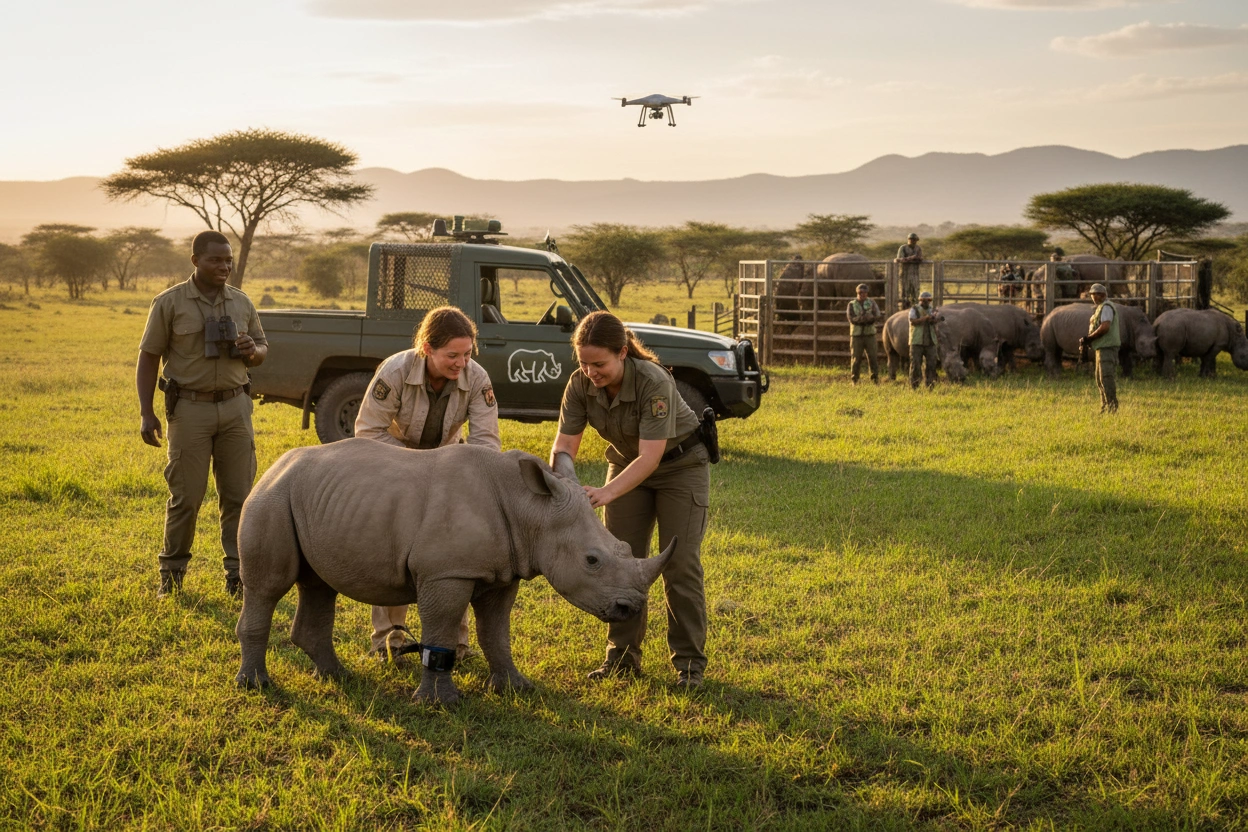
A variety of conservation efforts are being implemented globally to protect endangered animals. Here are some of the most impactful strategies.
Habitat protection is fundamental to conservation. It involves creating and enforcing protected areas where endangered species can thrive without human interference. National parks, wildlife reserves, and marine protected areas are examples of effective habitat protection strategies.
Strong legal frameworks are essential for the protection of endangered species. Advocacy for legislation that protects wildlife and their habitats can have a significant impact. This includes:
Engaging local communities is critical for successful conservation efforts. When communities understand the importance of preserving endangered species, they are more likely to participate in conservation initiatives. Strategies include:
Captive breeding programs play a crucial role in conserving endangered species. By breeding animals in controlled environments and eventually reintroducing them into the wild, these programs can help bolster declining populations. Successful breeding programs include:
Ongoing research is vital for understanding the needs of endangered animals and assessing the effectiveness of conservation strategies. Monitoring populations and habitats helps identify threats and inform management decisions. Key research activities include:
Despite the critical importance of conservation, several misconceptions can hinder progress. Addressing these misunderstandings can foster better support for conservation initiatives.
Many people believe that conservation efforts solely focus on animal species. However, effective conservation also involves protecting ecosystems and plant species, which are essential for maintaining biodiversity and ecological balance.
While government agencies play a significant role in conservation, many non-profit organizations, community groups, and individuals contribute to conservation efforts. Grassroots initiatives can be highly effective and often lead to innovative solutions.
While funding is a challenge, conservation can also be cost-effective. Many strategies, such as community engagement and habitat protection, can be implemented with limited resources and yield significant benefits.
Advancements in technology are revolutionizing conservation efforts. From satellite imagery to drones, technology provides new tools for monitoring wildlife and protecting habitats.
Remote sensing technology allows conservationists to monitor changes in land use, deforestation, and habitat loss from a distance. Drones are increasingly used for:
Data analytics and artificial intelligence (AI) are transforming how conservationists analyze data and make decisions. These technologies can help:
Citizen science engages the public in data collection and monitoring efforts. This approach can significantly enhance conservation initiatives by:
As we move forward, the future of conservation will likely be shaped by several key trends and innovations.
Collaboration among governments, NGOs, and local communities will be essential for effective conservation. By pooling resources and expertise, stakeholders can develop more comprehensive strategies.
Conservation efforts will increasingly need to incorporate strategies for climate change adaptation. This includes protecting habitats that provide resilience to climate impacts and promoting species that can thrive in changing environments.
Integrating conservation with sustainable development is crucial for long-term success. This involves balancing human needs with wildlife protection, ensuring that communities can thrive while preserving biodiversity.
Conservation is not just about protecting animals; it is also about fostering a sense of responsibility and stewardship among people. The Banana Slug Club recognizes the importance of community engagement in conservation efforts. By involving local communities, we can create a sustainable future for endangered animals and their habitats.
When individuals understand the significance of preserving endangered species, they are more likely to take action. Education programs, community workshops, and volunteer opportunities are effective ways to engage the public in wildlife protection initiatives. The Banana Slug Club is committed to providing resources and support to encourage community participation in wildlife protection initiatives.
Understanding the plight of endangered animals and the importance of conservation efforts is the first step. To make a difference, consider getting involved in local conservation initiatives or supporting organizations that focus on wildlife protection.
For those looking to deepen their engagement, consider joining the Banana Slug Club. Together, we can make strides in saving endangered animals and ensuring a future where wildlife can thrive alongside human communities.
Contact Banana Slug Club to learn more about how you can contribute to conservation efforts and help protect our planet's precious biodiversity.
Get free resources, early access to new features and updates.
No spam. Just fun educational emails!


.svg)
.svg)