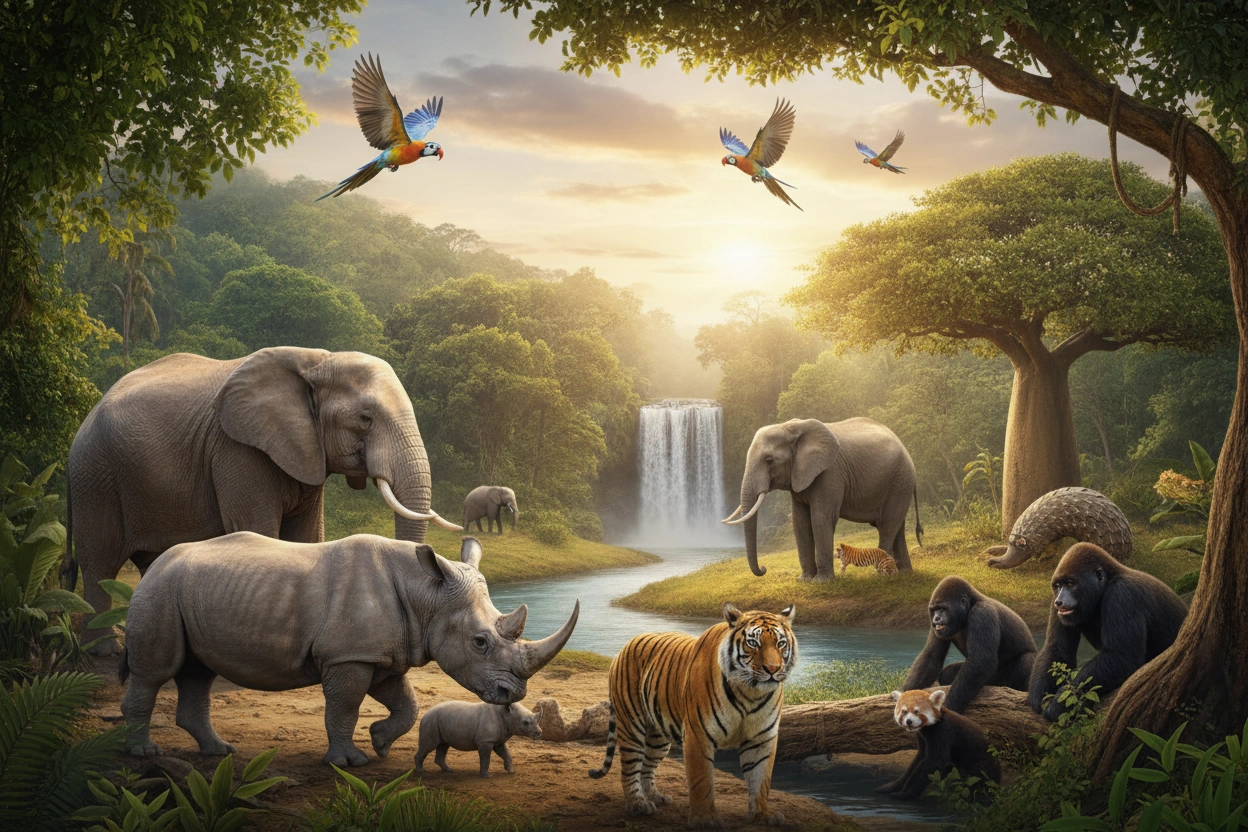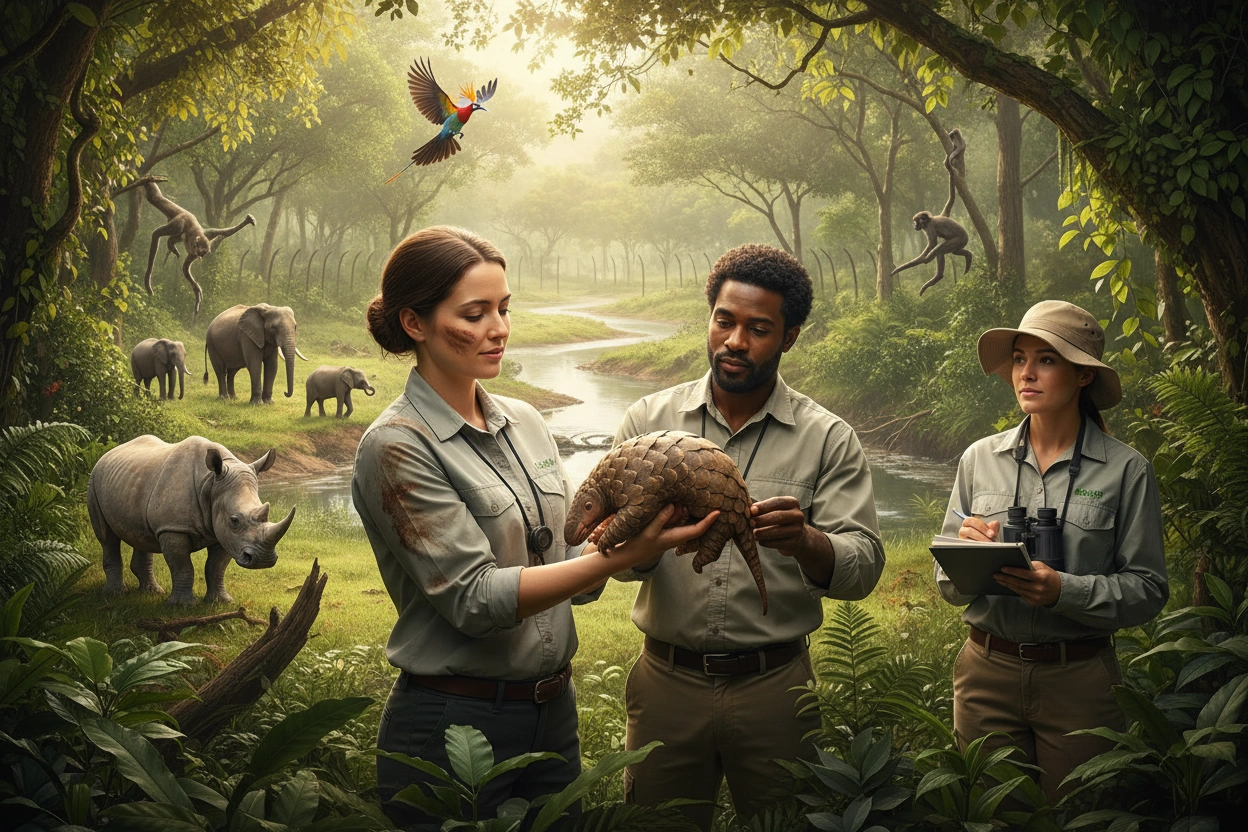
The plight of endangered animals is a pressing concern that transcends borders and cultures. As of 2026, it is estimated that over 40,000 species are currently facing the threat of extinction, a stark reminder of the fragility of biodiversity on our planet. Conservation efforts aim to protect these vulnerable species through a variety of strategies. This article delves into the most impactful conservation efforts and highlights ten endangered animals that exemplify the challenges and successes within this realm.

Endangered animals are species that are at risk of extinction due to various factors, including habitat loss, poaching, climate change, and pollution. The International Union for Conservation of Nature (IUCN) maintains a Red List of Threatened Species that categorizes these animals based on their risk levels. The classification ranges from least concern to critically endangered, with several species teetering on the brink of extinction.
Conservation efforts aim to protect these vulnerable species through a variety of strategies. These efforts can be broadly classified into direct and indirect approaches. Direct conservation actions include habitat restoration, legal protection, and breeding programs, while indirect efforts focus on raising awareness, reducing human-wildlife conflict, and addressing the root causes of endangerment, such as illegal wildlife trade and climate change.
Biodiversity plays a crucial role in maintaining the health of ecosystems. Each species, no matter how small, contributes to the overall balance of its environment. The loss of even a single species can have cascading effects, disrupting food webs and leading to further extinctions. For example, the decline of pollinators like bees directly impacts food production and plant reproduction, demonstrating how interconnected our ecosystems are.
Moreover, the extinction of species can lead to significant economic impacts. Many communities rely on healthy ecosystems for their livelihoods, from tourism to fisheries. Therefore, conservation efforts for African animals not only benefit wildlife but also support human communities and economies.

Understanding which species are endangered is essential for effective conservation. Here are ten notable endangered animals, each representing unique challenges and conservation stories:
Amur Leopard
The Amur leopard is one of the world's rarest big cats, with fewer than 100 individuals remaining in the wild. Conservation efforts include habitat protection and anti-poaching measures.
Vaquita
The vaquita, a small porpoise found in the Gulf of California, is critically endangered with an estimated population of just 30 individuals. Conservationists are working to eliminate gillnets that trap these animals.
Sumatran Orangutan
Habitat loss due to palm oil plantations has severely impacted the Sumatran orangutan. Efforts focus on habitat restoration and sustainable agricultural practices.
Javan Rhino
With only about 80 individuals remaining, the Javan rhino is one of the rarest large mammals. Conservation strategies include strict protection of its remaining habitat in Ujung Kulon National Park.
Northern White Rhino
The northern white rhino is functionally extinct, with only two females remaining. Conservationists are exploring advanced reproductive technologies to save the species.
Snow Leopard
These elusive cats are threatened by habitat loss and poaching. Community-based conservation programs aim to protect snow leopards while supporting local livelihoods.
African Wild Dog
Once widespread, the African wild dog is now endangered due to habitat fragmentation and conflicts with humans. Conservation efforts focus on creating wildlife corridors and community engagement.
Hawksbill Sea Turtle
Hawksbill turtles are critically endangered due to illegal trade and habitat loss. Conservation initiatives include beach protection and community education programs.
Sumatran Tiger
The Sumatran tiger is the last remaining subspecies of tiger in Indonesia, facing threats from poaching and habitat destruction. Conservation programs emphasize anti-poaching patrols and habitat preservation.
Bornean Orangutan
Similar to its Sumatran counterpart, the Bornean orangutan is threatened by habitat loss. Conservation efforts include reforestation projects and sustainable logging practices.
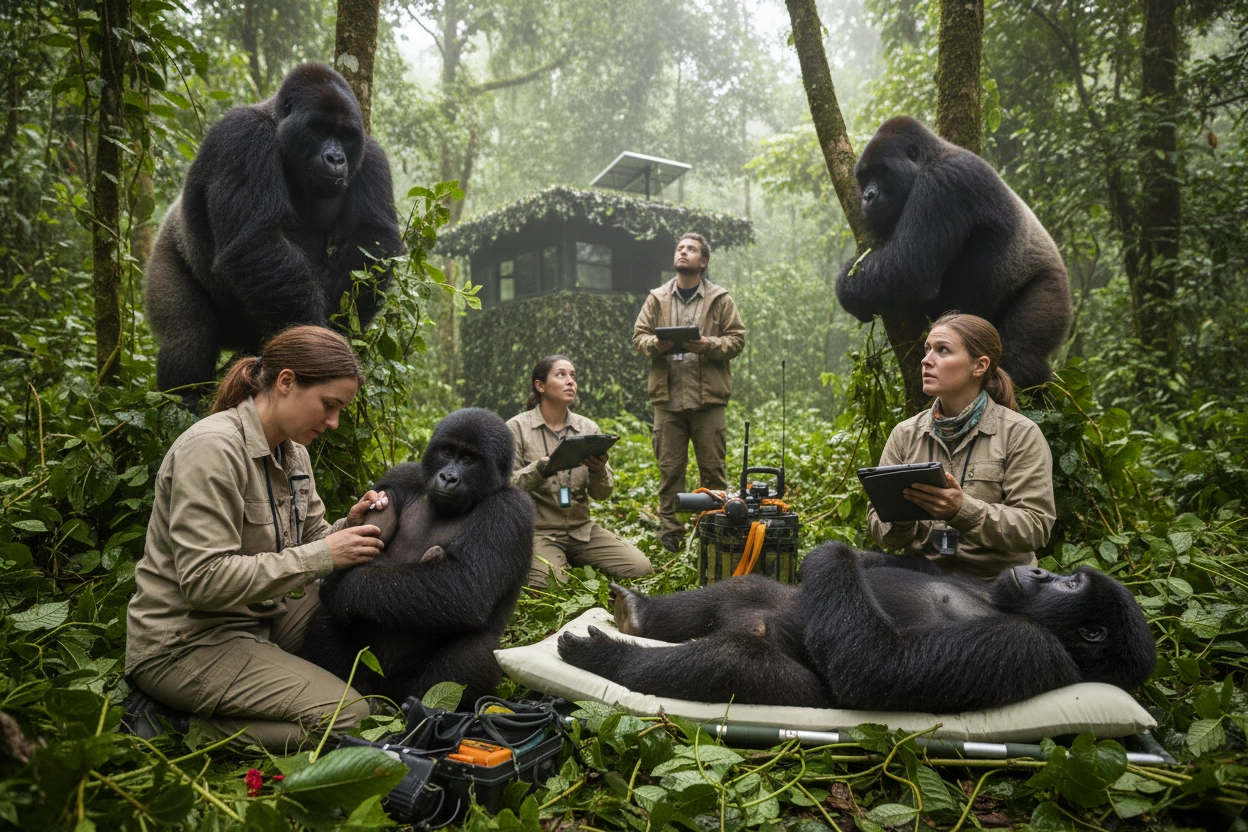
One of the most effective strategies in conserving endangered animals is habitat protection and restoration. Preserving natural habitats ensures that species can thrive in their native environments. This can involve:
For instance, the establishment of the Yellowstone to Yukon Conservation Initiative aims to create a connected corridor of protected areas that enables wildlife to migrate and thrive.
Illegal poaching remains one of the leading causes of decline for many endangered species. Effective anti-poaching initiatives are crucial for the survival of these animals. Key components of successful anti-poaching strategies include:
In Africa, initiatives like the Black Mamba Anti-Poaching Unit have demonstrated success in reducing poaching incidents through community engagement and education.
Engaging local communities is essential for the long-term success of conservation efforts. By involving people in conservation activities, it fosters a sense of ownership and responsibility. Effective community engagement strategies include:
For example, the Sea Turtle Conservancy works with coastal communities to promote sustainable fishing practices and educate them about the importance of protecting sea turtles.
Robust legal frameworks are vital for the protection of endangered animals. Effective conservation policies can help regulate activities that threaten wildlife and their habitats. Key aspects include:
The U.S. Endangered Species Act has been instrumental in protecting numerous species from extinction by providing legal protections and recovery plans.
A prevalent misconception is that conservation efforts solely focus on protecting animals. While this is a critical aspect, conservation encompasses the protection of entire ecosystems, including plants, habitats, and the intricate relationships between species. Effective conservation strategies must consider the holistic health of ecosystems to ensure long-term sustainability.
Many people believe that conservation efforts are prohibitively expensive. However, several low-cost initiatives can have significant impacts. For example, community-led conservation programs often utilize local knowledge and resources, making them cost-effective. Engaging volunteers for habitat restoration projects can also significantly reduce costs while fostering community involvement.
While traditional conservation methods have proven effective, the integration of technology has revolutionized conservation efforts. Tools like satellite imaging, drones, and data analytics can enhance monitoring and enforcement capabilities, making conservation more efficient and effective.
Numerous organizations play pivotal roles in the conservation of endangered animals. These organizations work on the ground, advocating for policies, conducting research, and implementing conservation programs. Some notable organizations include:
By collaborating with local communities, governments, and other stakeholders, these organizations amplify their impact and drive meaningful change.
Conservation efforts are most successful when they intersect with community involvement. By empowering local populations and recognizing their role in protecting endangered animals, we can create sustainable solutions that benefit both wildlife and humans.
Community-led initiatives often lead to innovative solutions tailored to local contexts. For instance, in Tanzania, the Ngorongoro Conservation Area Authority has successfully integrated pastoralist communities into conservation efforts, ensuring that their traditional practices align with wildlife protection goals.
Moreover, when communities see the benefits of conservation, such as eco-tourism or sustainable resource use, they are more likely to support and participate in these initiatives. This symbiotic relationship fosters resilience in both human and wildlife populations.
To effectively combat the crisis facing endangered animals, a holistic approach is essential. This involves integrating various conservation strategies, engaging communities, and leveraging technology.
By addressing the root causes of endangerment, such as habitat destruction and climate change, and implementing comprehensive solutions, we can create a sustainable future for both endangered species and human populations.
In addition, collaborations between governmental and non-governmental organizations, as well as private sectors, can enhance resource mobilization and strategic planning. Successful conservation requires a collective effort, recognizing that the survival of endangered animals is intertwined with the health of our planet.
Educating and empowering future generations about conservation is vital for sustaining efforts to protect endangered animals. Schools and educational programs should incorporate conservation topics into their curricula, fostering a sense of responsibility and stewardship among young people.
Hands-on experiences, such as wildlife volunteering or participation in local conservation projects, can also inspire passion and commitment to protecting endangered species. By nurturing a conservation-minded generation, we ensure that the efforts to save endangered animals continue long into the future.
The Banana Slug Club is dedicated to raising awareness and supporting conservation efforts for endangered animals. By engaging communities and fostering educational initiatives, we aim to empower individuals to take action in their local environments.
As you learn about the plight of endangered animals and the various conservation strategies that work, consider how you can contribute to these efforts. Whether it is through volunteering, supporting conservation organizations, or simply spreading awareness, every action counts.
The fight to save endangered animals requires collective action and unwavering commitment. By understanding the challenges and solutions highlighted in this article, you are better equipped to contribute to meaningful change.
To learn more about how you can get involved in conservation efforts, visit the Banana Slug Club. Together, we can make a difference in the lives of endangered animals and ensure a healthier planet for future generations.
Get free resources, early access to new features and updates.
No spam. Just fun educational emails!


.svg)
.svg)