The Ice Age, a time marked by dramatic climate changes and the presence of massive glaciers, was also the era when some of the most fascinating prehistoric animals roamed the Earth. These ancient wildlife species adapted to harsh conditions, showcasing remarkable survival strategies that highlight the complexity of prehistoric ecosystems. Understanding these creatures not only enriches our knowledge of biodiversity but also illustrates how environmental changes can shape the evolution of species. In this article, we will explore ten of the most captivating prehistoric animals that ruled during the Ice Age, delving into their unique characteristics, ecological roles, and the reasons they capture our imagination.
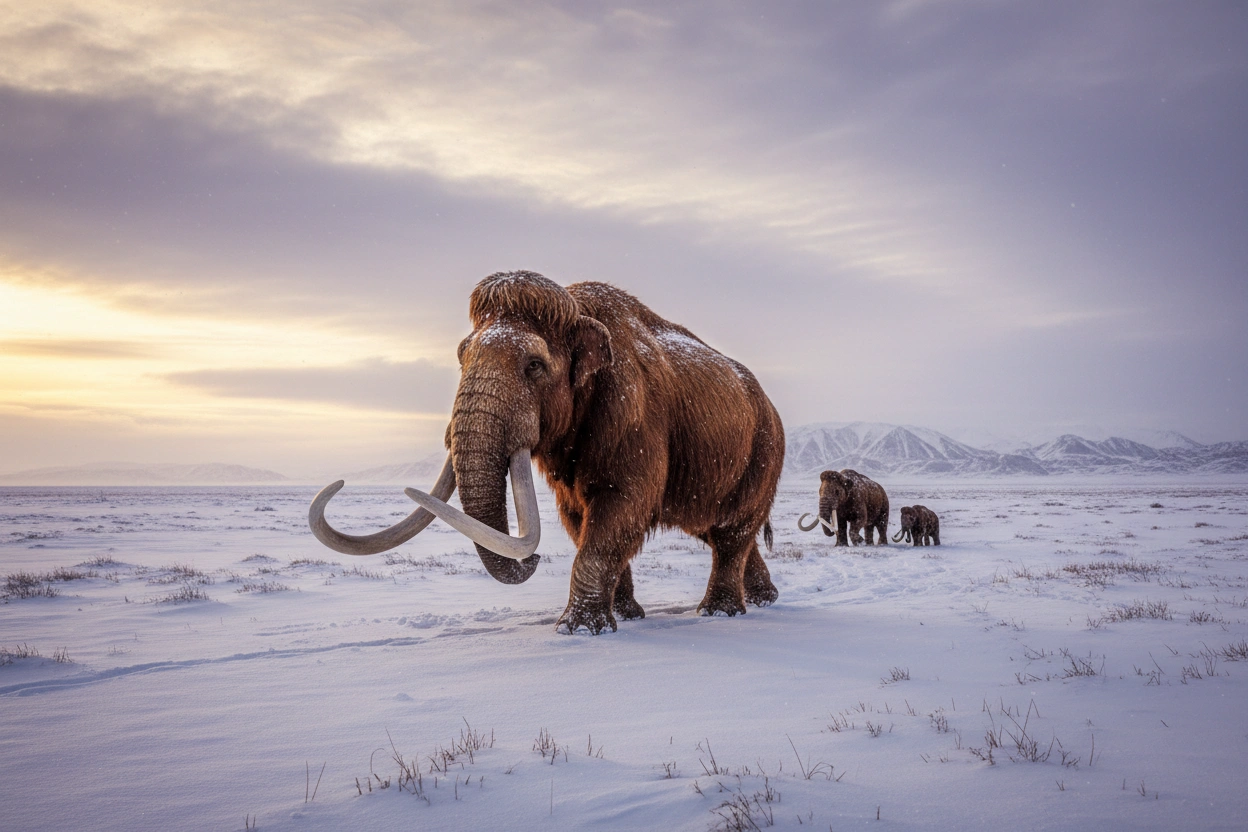
The woolly mammoth is perhaps the most iconic of all prehistoric animals, known for its long, curved tusks and thick, shaggy coat. This majestic creature thrived in the cold tundras of the northern hemisphere, adapting perfectly to the frigid climates of the Ice Age. Woolly mammoths were herbivores, primarily feeding on grasses, shrubs, and other vegetation found in their environment. Their massive size—standing up to 13 feet tall at the shoulder—made them formidable creatures, and they often traveled in herds for protection against predators like saber-toothed cats.
The extinction of woolly mammoths around 4,000 years ago is attributed to a combination of climate change and overhunting by early humans. As temperatures rose and the Ice Age ended, the habitats they depended on shrank, leading to their gradual decline. Today, ongoing research into woolly mammoth DNA and potential de-extinction efforts continue to captivate scientists and the public alike, raising questions about the implications of bringing back such a significant species survived extreme climates.
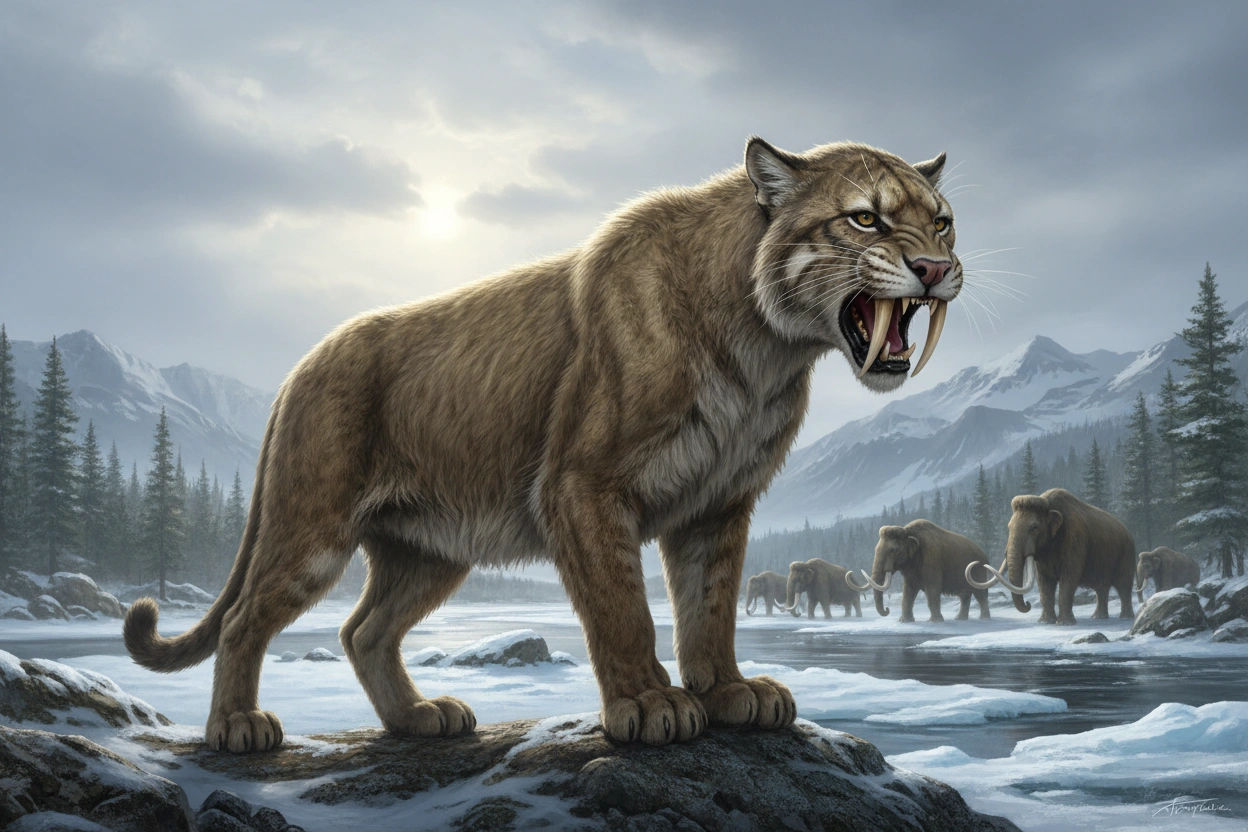
Often depicted as ferocious hunters, saber-toothed cats, or Smilodon, were apex predators during the Ice Age. These prehistoric animals are characterized by their elongated canine teeth, which could grow up to 8 inches long. Unlike modern big cats, saber-toothed cats had a robust build with powerful forelimbs, enabling them to take down large prey, such as mammoths and bison. Their hunting strategy likely involved ambushing prey, using their strength and speed to overpower them quickly.
Fossil evidence suggests that saber-toothed cats lived in various habitats, from grasslands to forests, and they thrived until about 10,000 years ago. The reasons for their extinction are similar to those of the woolly mammoth—climate change and the arrival of humans, who may have competed for food resources. Their unique adaptations and hunting prowess continue to fascinate scientists and enthusiasts, making them a prominent figure in discussions about Ice Age wildlife.
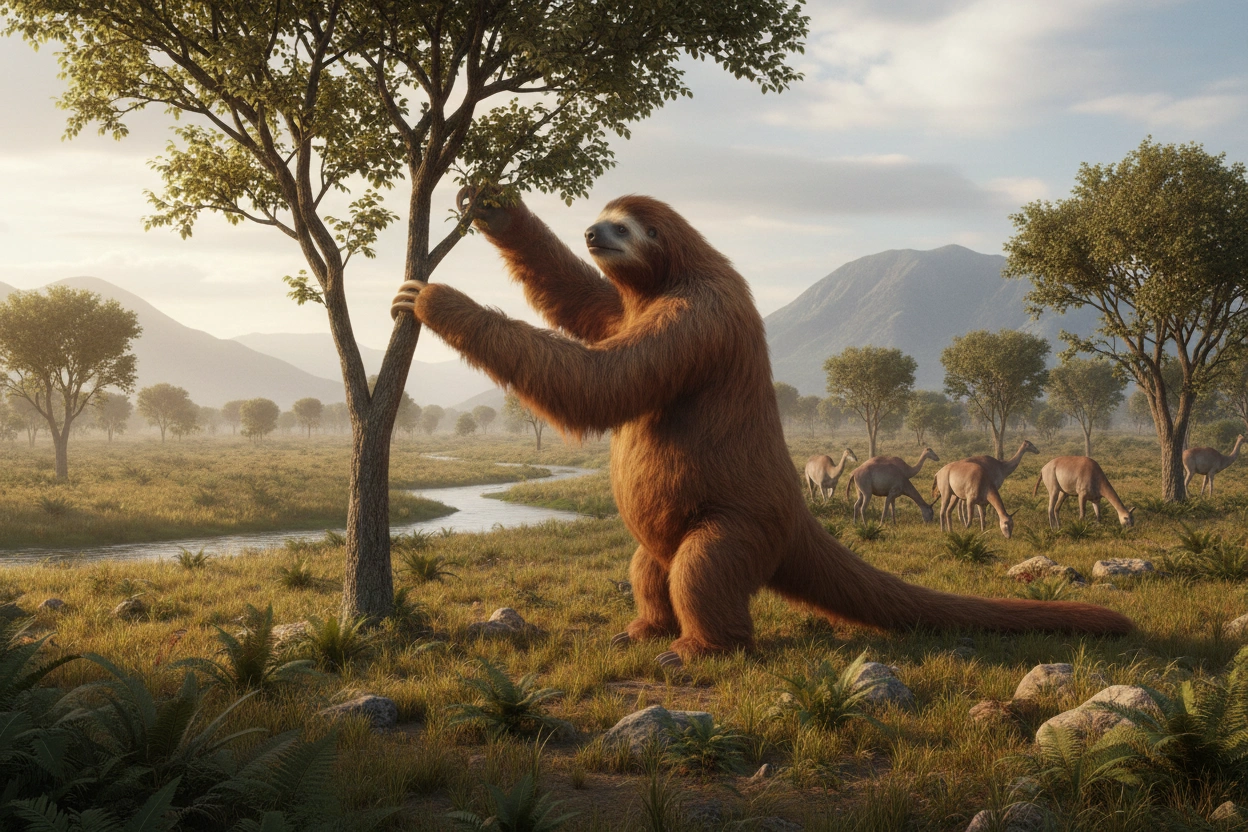
The Megatherium, or giant ground sloth, was a massive herbivore that roamed South America during the Ice Age. This prehistoric animal could reach lengths of up to 20 feet and weighed as much as 4 tons. Unlike modern sloths, which are tree-dwelling and slow-moving, the Megatherium was terrestrial and more robust, using its long claws to dig up roots and vegetation. Its diet primarily consisted of leaves, fruits, and other plant materials found in its environment.
The extinction of Megatherium, which occurred around 10,000 years ago, is thought to be linked to both climate change and human activity. As the climate warmed and habitats changed, these giant creatures lost the resources they depended on. The Megatherium serves as a significant reminder of the diversity of prehistoric fauna and the impact of environmental shifts on species survival.
Mastodons were closely related to modern elephants and shared many similarities with woolly mammoths, but they were distinct species with different adaptations. These prehistoric animals had straighter tusks and a more robust build, suited for browsing on trees and shrubs rather than grazing on grasses. Mastodons roamed North America and were well adapted to the forests and woodlands that dominated their habitats.
Fossils indicate that mastodons lived alongside early humans, who hunted them for food. The combination of hunting pressure and changing climates contributed to their extinction around 10,000 years ago. Mastodons offer an intriguing glimpse into the ecological dynamics of Ice Age ecosystems and the relationships between humans and megafauna influenced human evolution.
The short-faced bear, one of the largest bear species ever to exist, was a formidable predator during the Ice Age. Standing at nearly 12 feet tall when on its hind legs, this bear had long limbs and a slender build, enabling it to run at high speeds—an unusual trait for bears. It primarily hunted large herbivores but was also an opportunistic scavenger, feeding on whatever was available in its environment.
Fossil evidence shows that short-faced bears inhabited diverse habitats, from open grasslands to dense forests. Their extinction, likely around 10,000 years ago, is attributed to climate change and the decline of their prey species, combined with competition from humans. The short-faced bear exemplifies the adaptability of prehistoric animals and the intricate web of life during the Ice Age.
The Irish elk, known for its enormous antlers that could span up to 12 feet, is another fascinating prehistoric animal. This massive deer roamed across Europe and parts of Asia during the Ice Age. The antlers were not only a display of dominance among males but also played a role in thermoregulation, helping these animals cope with the cold climates of their time.
Despite their impressive size, Irish elk went extinct approximately 7,700 years ago, likely due to a combination of habitat loss and hunting pressures from humans. Their unique adaptations and remarkable physical traits make them a subject of interest in studying Ice Age ecosystems and the factors contributing to species extinction.
Glyptodon was a large, armored mammal resembling a giant armadillo. These prehistoric animals were covered in a protective shell and could weigh up to 1,000 pounds. Glyptodon inhabited the grasslands and scrublands of South America, where they grazed on low-lying vegetation. Their thick armor provided defense against predators, allowing them to thrive in their environment.
Like many other prehistoric animals, Glyptodon faced extinction around 10,000 years ago, likely due to climate change and human hunting. Their unique adaptations highlight the diversity of Ice Age fauna and the evolutionary strategies that different species employed to survive.
Hyaenodon was a carnivorous mammal that lived during the late Paleocene to the Miocene epochs, with some species persisting into the Ice Age. This prehistoric predator was known for its large size and powerful jaws, which made it an effective hunter. Hyaenodon had a diverse diet, preying on various animals, including smaller mammals and possibly even larger herbivores.
Fossil evidence shows that Hyaenodon adapted to different environments, from forests to open plains. Its extinction, which occurred around 9 million years ago, was likely due to a combination of changing ecosystems and competition with other predators. Hyaenodon serves as an example of the dynamic nature of Ice Age ecosystems and the evolutionary pressures that shaped them.
Andrewsarchus was a large carnivorous mammal that existed during the late Paleocene to the early Eocene periods, but its lineage persisted into the Ice Age. This prehistoric animal is often referred to as the largest terrestrial mammalian carnivore, with a skull measuring nearly 3 feet long. Andrewsarchus had a robust build and was likely a formidable predator, preying on other mammals and possibly scavenging as well.
Fossils of Andrewsarchus have been found in Mongolia, indicating that it inhabited diverse environments. Its extinction is believed to have occurred due to changes in climate and prey availability. Andrewsarchus highlights the complexity of Ice Age ecosystems and the evolutionary pathways that shaped predator-prey relationships.
Paraceratherium, known as the largest land mammal to have ever existed, is often referred to as the "giant rhinoceros." Standing at about 16 feet tall and weighing up to 20 tons, this prehistoric animal roamed the open plains of Asia during the late Eocene to the early Miocene epochs. Paraceratherium fed on leaves from trees and shrubs, using its long neck to reach high foliage.
The extinction of Paraceratherium is not well understood, but it likely involved a combination of climate change and habitat loss. Its massive size and unique adaptations make it a fascinating subject for paleontologists studying the dynamics of prehistoric ecosystems. Paraceratherium serves as a reminder of the diversity of life that existed in the past and the ecological challenges that led to the extinction of many species.
The exploration of prehistoric animals like those discussed above reveals the incredible diversity and adaptability of ancient wildlife. Each of these creatures played a crucial role in their ecosystems, influencing the evolution of other species and the environments they inhabited. As we learn more about these fascinating animals, it becomes clear that understanding their lives can provide valuable insights into the resilience and fragility of ecosystems—lessons that are especially pertinent today. adapted to ancient ecosystems.
The Banana Slug Club is dedicated to fostering an appreciation for the natural world and its history. By engaging with the stories of prehistoric animals, we can inspire future generations to protect and preserve the biodiversity that still exists today. For those interested in diving deeper into the fascinating world of prehistoric wildlife, we encourage you to explore more with us. influenced the evolution of modern wildlife. Your journey into the past can help inform the future of our planet!
Get free resources, early access to new features and updates.
No spam. Just fun educational emails!


.svg)
.svg)