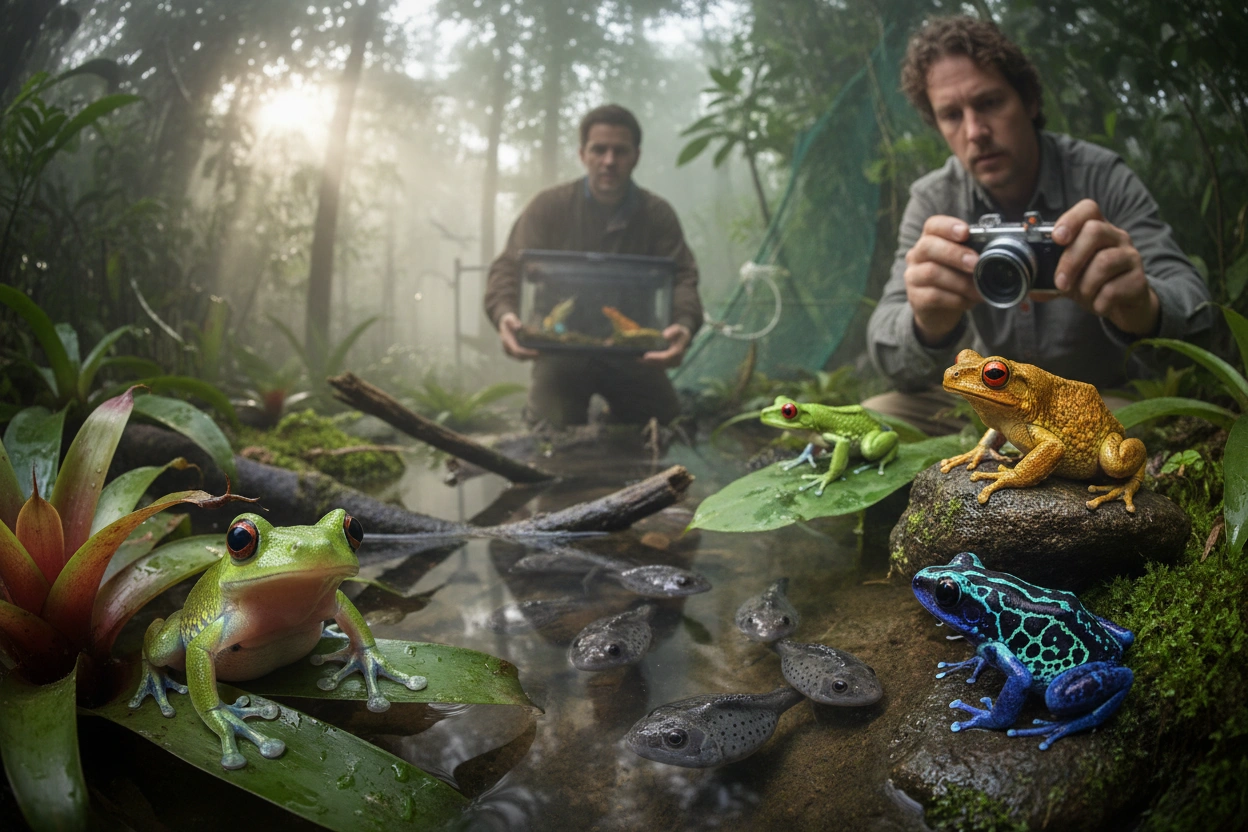
Amphibians are some of the most diverse and ecologically important creatures on our planet. However, as of 2026, many species at risk are facing dire threats due to habitat destruction, climate change, pollution, and disease. The plight of amphibians serves as a critical indicator of environmental health, making their conservation essential not only for their survival but for the overall health of ecosystems. This article delves into the species at risk, the threats they face, and the top conservation efforts currently underway to protect these vital creatures.
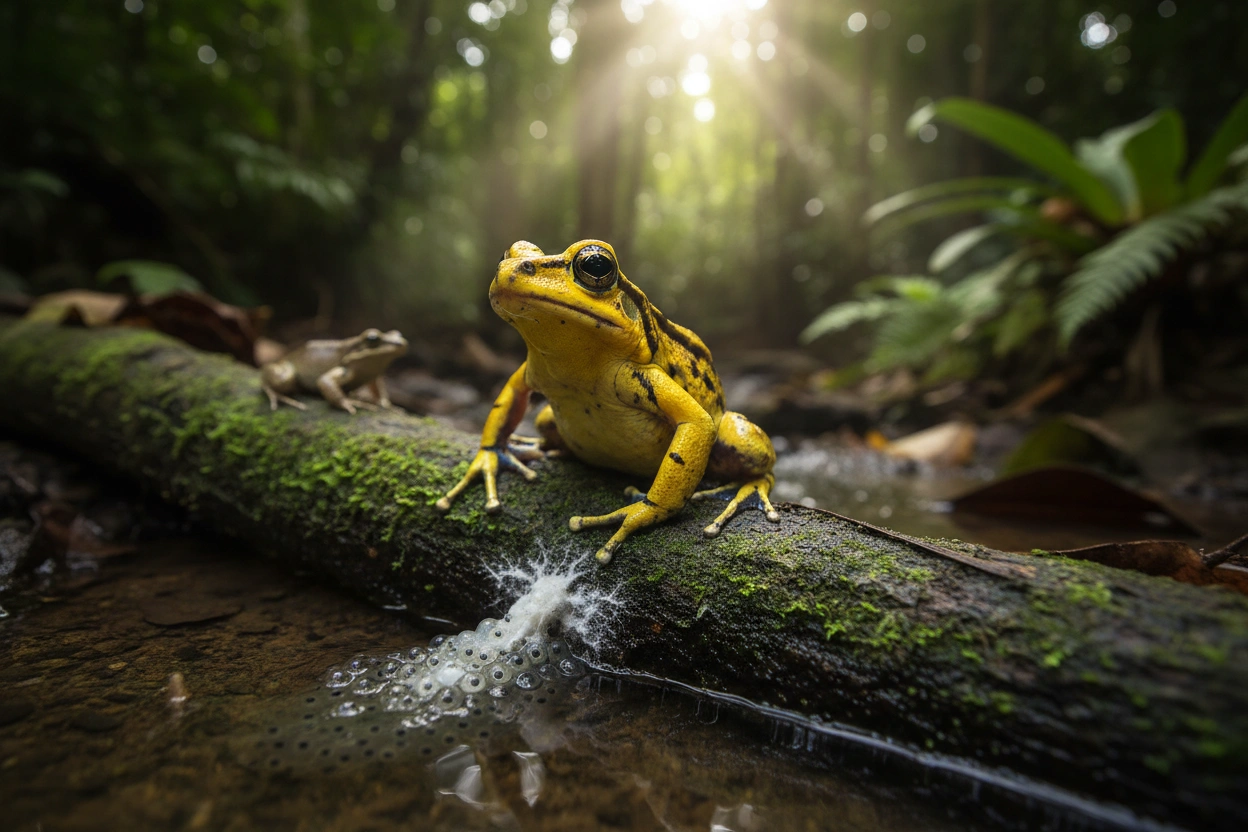
Amphibians play a crucial role in maintaining the balance of our ecosystems. As both predators and prey, they help regulate insect populations and serve as food sources for various species, including birds and mammals. Additionally, amphibians contribute to nutrient cycling within their habitats, especially in wetland ecosystems where they can influence the dynamics of both aquatic and terrestrial environments. Their permeable skin also makes them sensitive indicators of environmental health, often reflecting broader ecological changes.
The threats to amphibians are multifaceted and interconnected. Key issues include:
Understanding these threats is essential for developing effective conservation strategies.
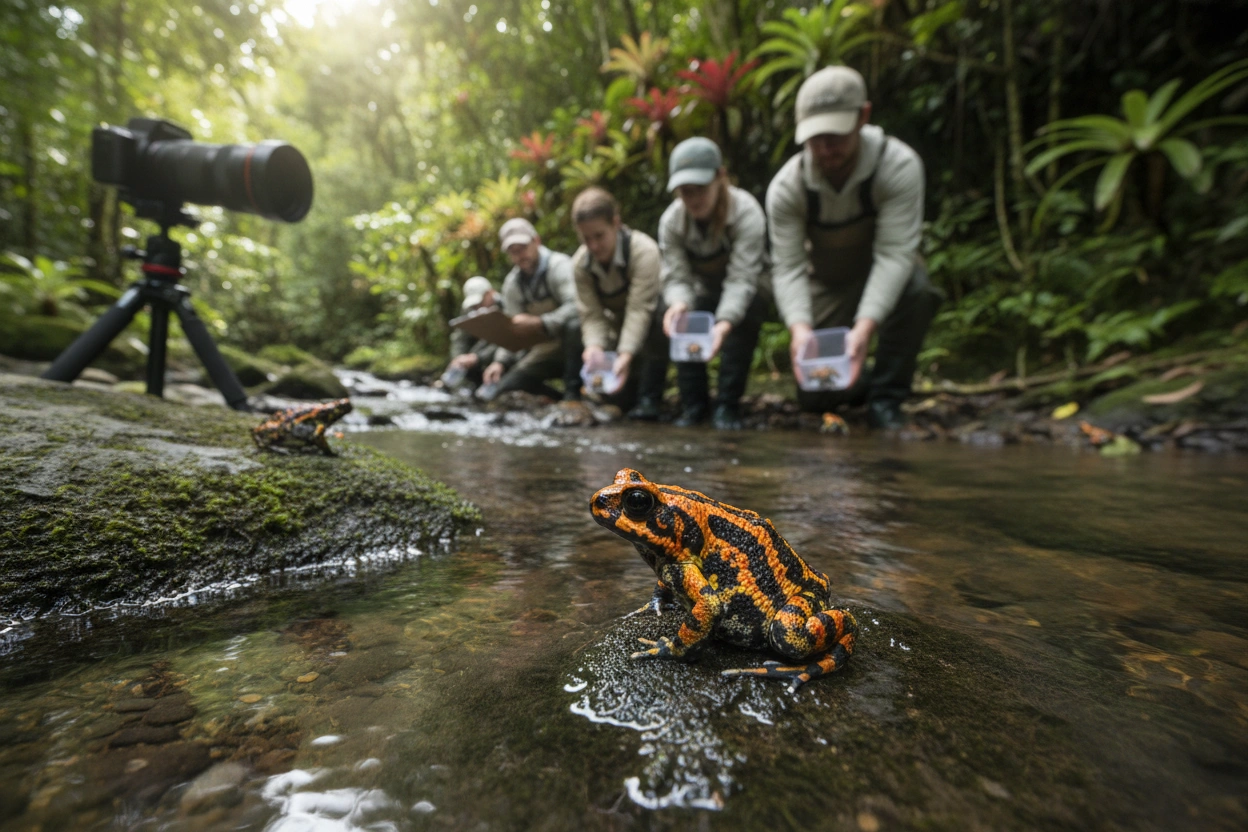
Amphibian conservation is not just the responsibility of scientists and organizations; individuals can also play a significant role. Here are ten key conservation efforts that are making a difference in protecting amphibians:
Habitat Restoration Initiatives
Captive Breeding Programs
Community Education and Engagement
Research and Monitoring
Legislative Advocacy
Fighting Invasive Species
Disease Management Programs
Wildlife Corridors and Connectivity
Climate Change Mitigation Efforts
Support for Conservation Organizations

Frog habitats are critical for the survival of many amphibian species. These environments provide essential resources such as food, shelter, and breeding sites. Understanding and preserving these habitats is fundamental to amphibian conservation.
Frog habitats vary widely, but several key characteristics are essential for their health and sustainability:
To protect frog habitats effectively, consider the following strategies:
Create Buffer Zones
Promote Sustainable Land Use
Engage Local Communities
Monitor Water Sources
Restore Natural Landscapes
Despite the importance of amphibian conservation, several misconceptions persist that can hinder efforts to protect these species.
Some people believe that amphibians are insignificant in the grand scheme of biodiversity. However, as key indicators of environmental health, their decline signals broader ecological issues that can affect other species, including humans.
While some amphibians are resilient, many species have specific habitat requirements that cannot be easily adapted to changing conditions. Loss of habitat can lead to rapid declines and extinction.
With ongoing research and innovative conservation strategies, many amphibian populations are showing signs of recovery. Efforts such as captive breeding and habitat restoration have proven successful in several cases, demonstrating that conservation can be effective.
The future of amphibian conservation relies on a collaborative approach that includes scientists, conservationists, policymakers, and the public. By fostering awareness and promoting action, we can create a sustainable future for these vital creatures.
Individuals can make a difference in amphibian conservation through simple actions:
Banana Slug Club is dedicated to fostering awareness and engagement in conservation efforts, particularly those focused on amphibians. By promoting education and community involvement, the organization plays a vital role in the larger conservation movement.
Engaging with local communities through workshops, educational programs, and volunteer opportunities can significantly enhance amphibian conservation efforts. The more people understand the importance of these species, the more likely they are to take action to protect them.
By becoming involved with Banana Slug Club, individuals can contribute to critical conservation initiatives, participate in community education efforts, and support habitat restoration projects. Whether through volunteering, donating, or simply spreading the word about amphibian conservation, every action counts. Visit Banana Slug Club to learn more about how you can contribute to the conservation of amphibians and support the vital ecosystems they represent. Together, we can ensure a brighter future for these remarkable creatures and the environments they inhabit. unique amphibians.
Get free resources, early access to new features and updates.
No spam. Just fun educational emails!


.svg)
.svg)