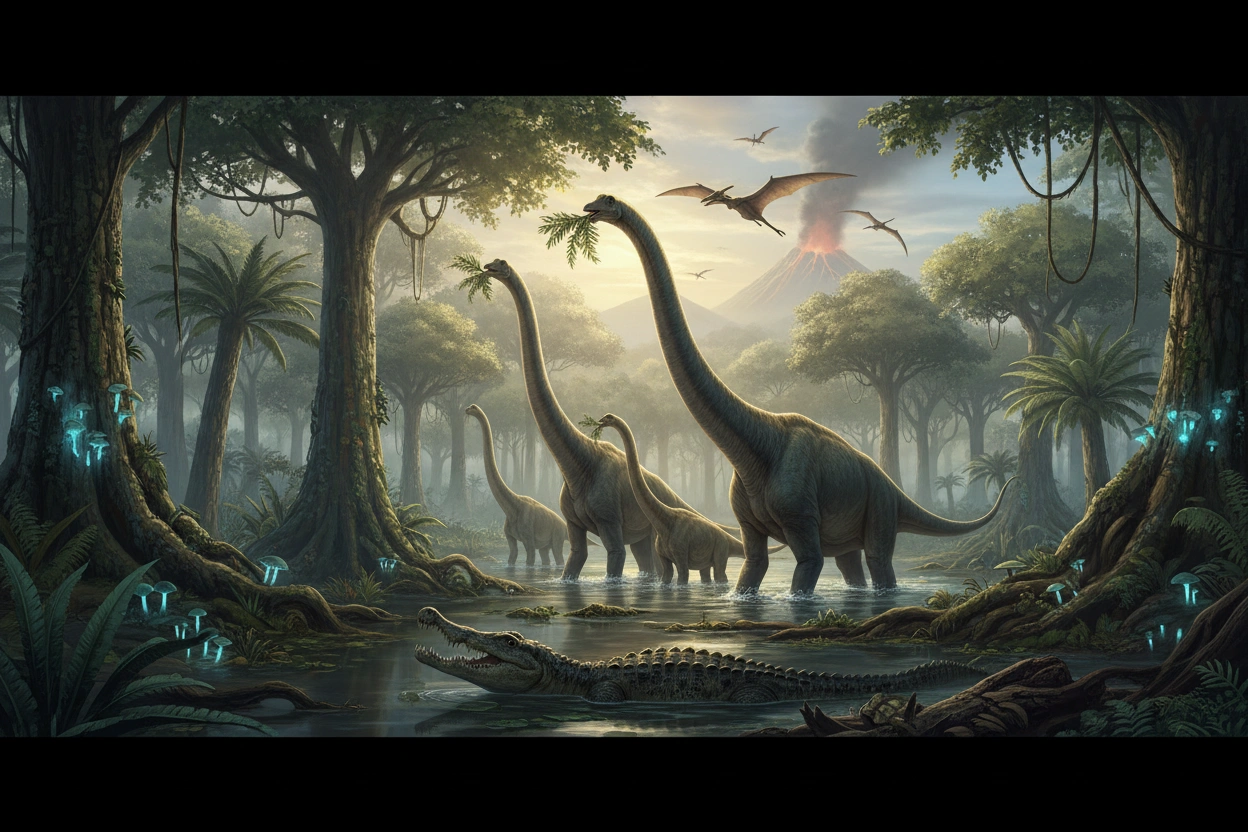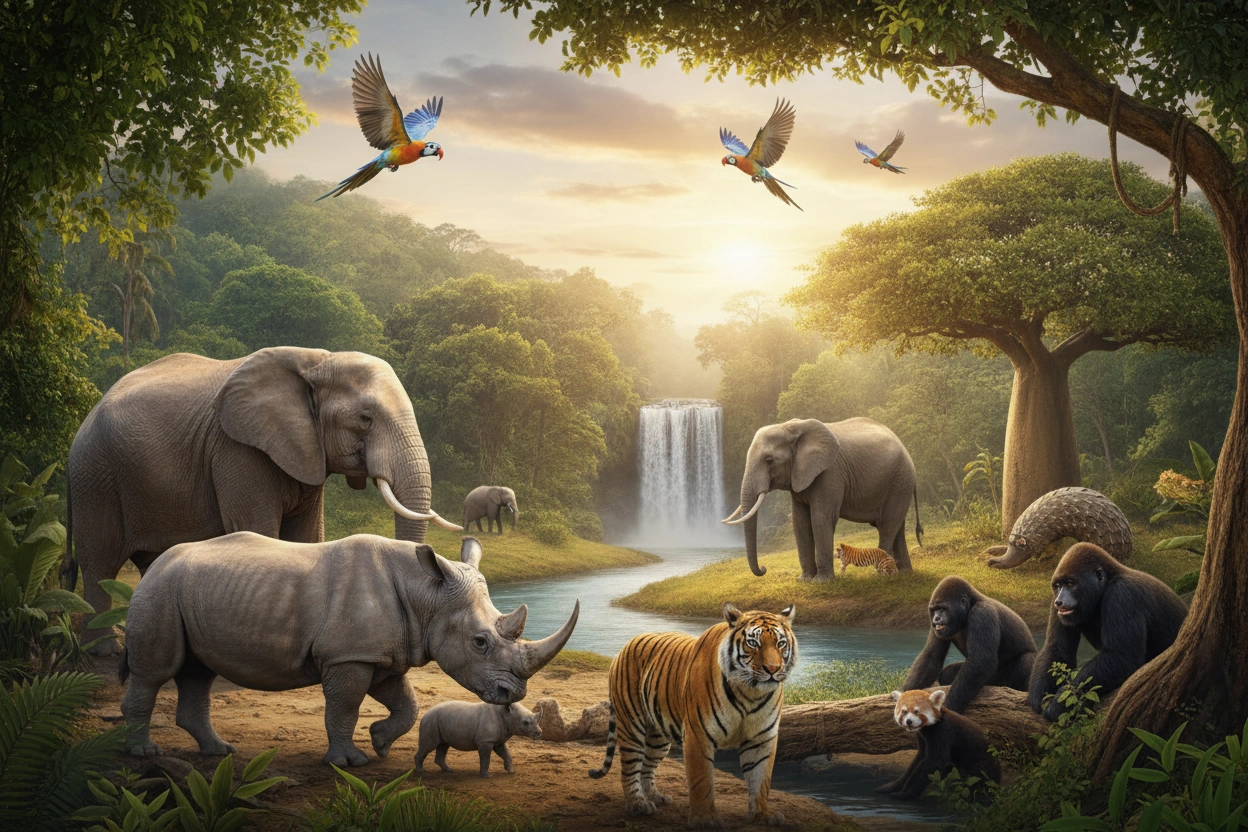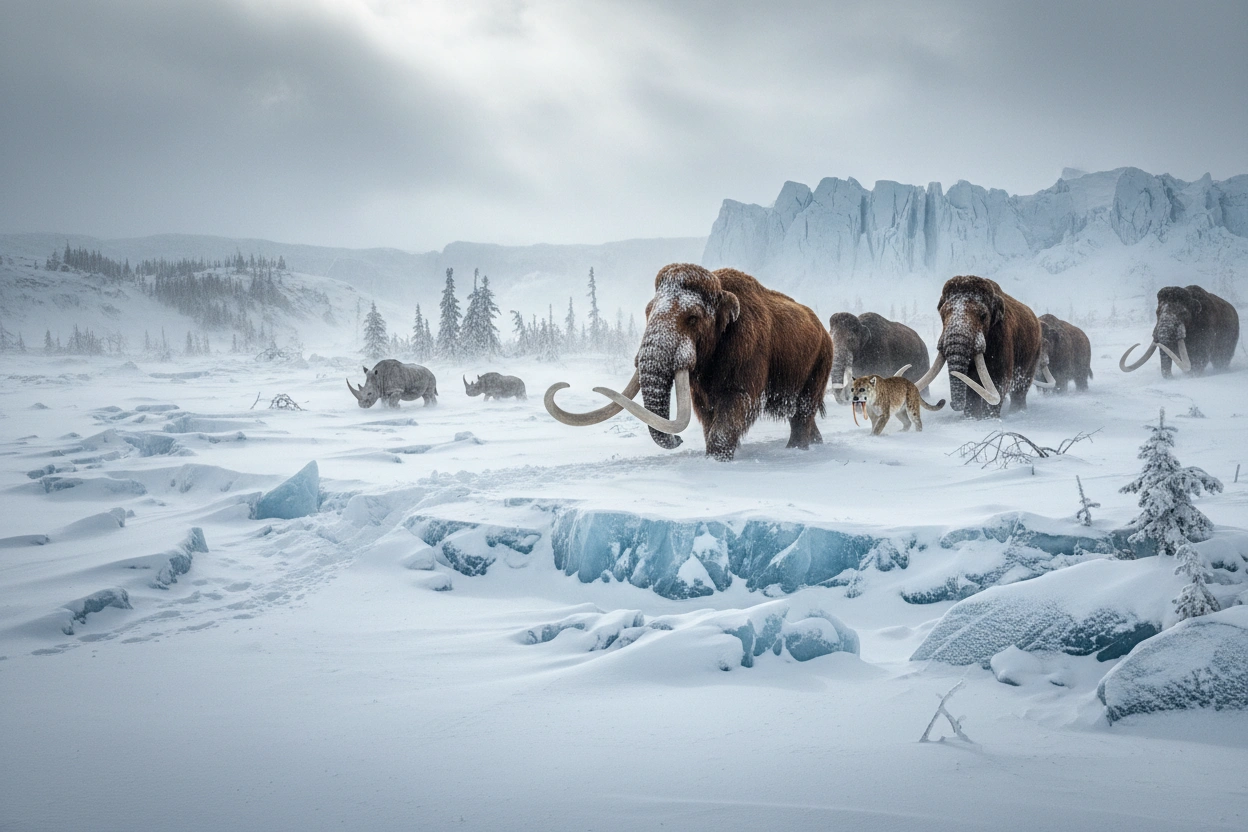
The Ice Age was a remarkable period in Earth's history, marked by dramatic climate shifts that shaped the evolution and survival of prehistoric animals. As glaciers expanded and temperatures fluctuated, various species adapted in fascinating ways to thrive in the harsh conditions. This article delves into the strategies employed by these ancient wildlife, exploring their adaptations and highlighting the top ten most fascinating extinct animals you should know about.
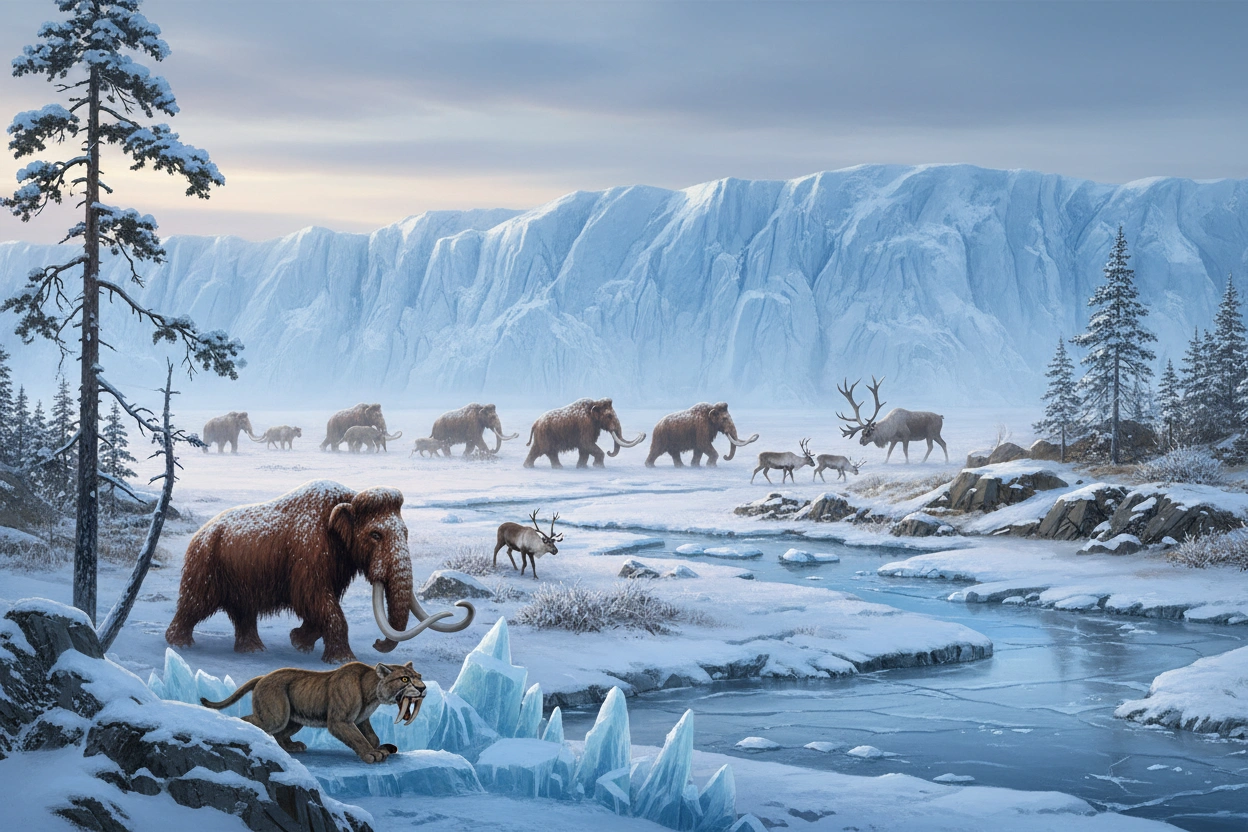
The Ice Age, primarily the Pleistocene epoch, spanned from about 2.6 million years ago to approximately 11,700 years ago. During this time, significant glacial advances and retreats reshaped landscapes and ecosystems. These environmental changes posed unique challenges for prehistoric animals, compelling them to develop various adaptations for survival.
Prehistoric animals faced numerous challenges during the Ice Age, including:
These challenges prompted remarkable evolutionary responses, leading to the emergence of unique traits among various prehistoric species.
The adaptations of prehistoric animals can be categorized into several distinct strategies:
Physical Adaptations: Many species developed thicker fur or blubber to insulate against the cold. For example, the woolly mammoth had long, shaggy hair and a layer of fat that helped it survive in frigid temperatures.
Behavioral Adaptations: Some animals altered their migratory patterns to follow food sources or escape extreme weather. This adaptability was crucial for survival during periods of rapid climate change.
Physiological Adaptations: Certain species developed physiological traits that allowed them to efficiently process food resources that were available during the Ice Age. This included adaptations in digestive systems to extract more nutrients from tough, fibrous plants.
Through these adaptations, prehistoric animals not only survived but thrived in environments that would have otherwise been inhospitable.

As we explore the world of prehistoric animals, certain species stand out due to their unique characteristics and adaptations. Here are ten fascinating extinct animals that exemplify the diversity and adaptability of ancient wildlife.
The woolly mammoth is perhaps the most iconic Ice Age animal. Standing about 13 feet tall and weighing up to 6 tons, these massive herbivores roamed the tundras of North America and Eurasia. Their long, curved tusks were used for foraging through snow and fighting, while their thick, shaggy fur kept them warm in icy conditions.
Often mistakenly referred to as "saber-toothed tigers," these predatory mammals possessed elongated canine teeth that could grow up to 8 inches long. Their robust build and powerful forelimbs made them formidable hunters. Adapted to hunt large prey, saber-toothed cats thrived in the diverse ecosystems of the Americas.
Mastodons were similar to woolly mammoths but had distinct features, including a shorter, stockier build and different tooth structure, which suited their diet of leaves and shrubs. They were primarily found in North America and adapted to various habitats, from forests to grasslands.
The giant ground sloth was a massive herbivore that could reach lengths of up to 20 feet. Unlike modern sloths, these creatures were terrestrial and had strong limbs for foraging on vegetation. Their adaptations allowed them to thrive in the diverse climates of South America and North America.
The Irish elk, known for its enormous antlers that could span up to 12 feet, was one of the largest deer species to ever exist. These majestic creatures adapted to open landscapes and were likely browsers, feeding on the leaves of trees and shrubs.
This prehistoric rhinoceros had a thick coat of fur and a large, curved horn, which it likely used for foraging through snow and fighting. Woolly rhinoceroses were well adapted to cold climates and roamed the tundras of Europe and Asia.
Also known as the giant ground sloth, Megatherium lived in South America and grew to be about the size of an elephant. Its large claws were used for digging and stripping vegetation, showcasing its unique adaptations to its environment.
Glyptodon resembled a giant armadillo and had a protective shell that made it well-suited for defense against predators. This ancient wildlife roamed South America and adapted to a variety of habitats, feeding primarily on grasses.
Also known as the Tasmanian tiger, the thylacine was a carnivorous marsupial that went extinct in the 20th century. Its unique adaptations included a slender body and striped back, which helped it blend into its environment while hunting.
The dodo bird is a symbol of extinction, having disappeared in the late 17th century due to human activity. Though not a product of the Ice Age, its story illustrates the vulnerability of species to environmental changes and human impact.

Understanding how prehistoric animals adapted to their environments provides valuable insights into modern conservation strategies. By studying these ancient wildlife, scientists can glean lessons about resilience and adaptation that are crucial for preserving today's endangered species. The influence of prehistoric animals on human evolution and culture is a testament to their significance in our understanding of biodiversity.
Biodiversity plays a critical role in ecosystem resilience. The extinction of prehistoric animals serves as a reminder of the interconnectedness of species. Protecting diverse ecosystems can help mitigate the impacts of climate change and habitat loss, ensuring that current wildlife can adapt and thrive.
By examining the adaptations of prehistoric animals, conservationists can develop strategies to assist endangered species facing similar challenges today. For example, understanding the dietary habits of ancient herbivores can inform conservation efforts for modern grazing animals.
Educating the public about prehistoric animals and their adaptations can foster a greater appreciation for wildlife conservation. Programs that highlight the connection between ancient species and contemporary ecosystems can inspire action and support for conservation initiatives.
Museums and research institutions play a vital role in preserving knowledge about prehistoric animals. They provide valuable resources for education and research, helping to disseminate information about ancient wildlife and their adaptations.
Many museums feature exhibits on prehistoric animals, showcasing fossils and interactive displays that engage visitors. These educational programs can inspire interest in paleontology and conservation efforts.
Collaborative research projects among scientists, museums, and universities help advance our understanding of prehistoric life. Such partnerships can lead to new discoveries about species adaptations and inform conservation strategies for modern wildlife.
The study of prehistoric animals offers a window into the past, revealing how life on Earth has adapted to changing environments. By understanding these adaptations, we can better prepare for the challenges faced by modern wildlife.
Today's climate change poses significant threats to biodiversity. By learning from the past, we can develop strategies to help species adapt to rapidly changing conditions, ensuring their survival in the face of environmental challenges.
Incorporating lessons from prehistoric adaptations into contemporary practices can lead to more sustainable approaches in agriculture, land use, and wildlife management. By promoting sustainable practices, we can create a healthier planet for future generations.
The insights gained from studying prehistoric animals can guide our efforts to protect modern wildlife and ecosystems. As we navigate the complexities of climate change and habitat destruction, the lessons of the past remain relevant.
Community involvement is essential for successful conservation efforts. By fostering a sense of stewardship among local populations, we can create a collective responsibility for protecting wildlife and their habitats.
Advancements in technology, such as genetic research and remote sensing, allow us to study and monitor wildlife populations more effectively. These tools can enhance conservation strategies and help us respond to emerging threats.
Prehistoric animals continue to influence scientific research and understanding of evolution, adaptation, and extinction. By studying their traits and behaviors, scientists can glean insights that inform contemporary issues such as climate resilience and biodiversity conservation.
Integrating knowledge of prehistoric animals into modern scientific research can yield innovative solutions to pressing environmental challenges. Understanding how ancient species adapted to their environments can inform strategies for contemporary conservation efforts.
Highlighting the fascinating world of prehistoric animals can inspire future generations of scientists and conservationists. By engaging young minds in the study of ancient wildlife, we can cultivate a passion for science and conservation that will last a lifetime.
The allure of prehistoric animals continues to captivate the imagination of people worldwide. Their unique adaptations and the mysteries of their extinction provide a rich tapestry of history that informs our understanding of life on Earth.
Educational initiatives that focus on prehistoric animals can foster a deeper connection to nature and wildlife. By exploring the adaptations and survival strategies of these ancient creatures, individuals can develop a greater appreciation for the natural world.
Engaging the public in discussions about prehistoric animals can spur interest in conservation efforts. By highlighting the importance of protecting modern wildlife, we can encourage active participation in safeguarding our planet's biodiversity.
Understanding how prehistoric animals adapted to Ice Age environments offers valuable insights into the resilience of life on Earth. As we reflect on these ancient species and their incredible adaptations, it's essential to recognize the role organizations like the Banana Slug Club play in promoting education and conservation.
At Banana Slug Club, we strive to connect individuals with the wonders of nature and the importance of protecting our ecosystems. By fostering a sense of stewardship and curiosity, we can inspire a new generation to appreciate the lessons of the past and apply them to modern conservation efforts.
If you are eager to learn more about prehistoric animals and how their stories can inform our understanding of today's wildlife, we invite you to explore our resources. Visit Banana Slug Club for more information and to join our mission of fostering awareness and action for the environment.
Get free resources, early access to new features and updates.
No spam. Just fun educational emails!


.svg)
.svg)