Birds of prey, commonly known as raptors, are among the most fascinating creatures in the avian world. Their unique hunting techniques, impressive physical adaptations, and complex behaviors make them a subject of interest for birdwatchers and wildlife enthusiasts alike. This guide aims to delve into the various aspects of raptors, exploring their behavior, ecological roles, and tips for observing them in the wild.

Raptors exhibit a wide array of behaviors that not only aid in their survival but also contribute to their role in the ecosystem. Understanding these behaviors can enhance your birdwatching experience and provide insights into the ecological balance they help maintain.
Raptors are expert hunters, employing various techniques that reflect their adaptations and hunting styles. The most common methods include:
Soaring: Many raptors, such as eagles and hawks, utilize thermal updrafts to soar effortlessly while scanning the ground for prey. This energy-efficient method allows them to cover vast areas without expending too much energy.
Perch Hunting: Species like the kestrel often hunt from a high vantage point, where they can spot movement on the ground. Once prey is identified, they will dive down with remarkable speed and precision.
Pursuit: Some raptors, like the peregrine falcon, are built for speed. They engage in high-speed chases, reaching speeds of over 240 miles per hour during their stoop (dive) to catch agile prey such as small birds.
Understanding these techniques not only highlights the raptors' physical prowess but also their strategic approach to hunting, which varies significantly among species.
Raptors exhibit various social behaviors that can be fascinating to observe. While many species are solitary, certain types display complex social structures. For instance:
Mating Rituals: During the breeding season, raptors engage in elaborate courtship displays. These can include aerial acrobatics, vocalizations, and mutual preening, which strengthen pair bonds.
Territoriality: Most raptors are territorial, especially during breeding. They will defend their nesting area vigorously against intruders. Observing these interactions can provide insights into their social hierarchies.
Cooperative Hunting: Some species, like the Harris's hawk, hunt cooperatively in groups. This behavior allows them to take down larger prey and showcases their intelligence and adaptability.
These social dynamics not only aid in their survival but also create opportunities for birdwatchers to witness intriguing interactions among raptors.
Effective communication is essential for raptors, especially for mating and territorial disputes. Their communication methods include:
Vocalizations: Each species has a unique set of calls used for various purposes, including alarm calls, mating calls, and territorial announcements. Learning to identify these calls can significantly enhance your birdwatching experience.
Body Language: Raptors communicate through body posture and movements. For example, a raptor fluffing its feathers may be signaling distress or a readiness to defend its territory.
Visual Displays: Many raptors use visual signals to communicate with potential mates or rivals. These displays can involve wing flapping, soaring patterns, or even specific flight paths.
Understanding raptor communication can enrich your observations and help you interpret their behaviors in the wild.

Participating in birdwatching tours is an excellent way to observe raptors in their natural habitats. These tours offer guided experiences that can enhance your understanding of these magnificent birds.
When selecting a birdwatching tour, consider the following factors:
Expertise of Guides: Look for tours led by knowledgeable guides who can provide insights into raptor behavior and ecology. Experienced guides can enhance your learning experience by sharing their expertise.
Location: Different regions host various raptor species. Research the best locations for the raptors you wish to observe, and choose a tour that targets those areas. For example, the western United States is famous for its golden eagles, while the east is known for its diverse hawk populations.
Seasonal Timing: Raptors can be more visible during certain times of the year, especially during migration periods. Plan your tour accordingly to maximize your chances of sightings.
Equipping yourself with the right gear can significantly enhance your birdwatching experience. Consider bringing:
Binoculars: A good pair of binoculars is essential for observing raptors from a distance. Look for binoculars with at least 8x magnification for optimal viewing.
Field Guide: A field guide specific to birds of prey can help you identify species and learn about their behaviors. Familiarizing yourself with the local raptors before your tour can be beneficial.
Notebook or Journal: Documenting your observations can enrich your experience. Take notes on the raptors you see, their behaviors, and any interesting interactions.
Camera: If you enjoy photography, bring a camera with a good zoom lens to capture stunning images of raptors in action.
By preparing adequately, you can enhance your birdwatching experience and gain a deeper appreciation for these remarkable birds.
Respect for wildlife and their habitats is crucial during birdwatching. Follow these ethical birdwatching practices:
Maintain Distance: Always observe raptors from a safe distance to avoid disturbing them. Use binoculars or a camera with a zoom lens to get a closer look without encroaching on their space.
Stay on Trails: When exploring natural areas, stick to designated trails to minimize your impact on the environment. This practice helps protect raptor nesting sites and their habitats.
Educate Others: Share your knowledge about raptors and their conservation needs with fellow birdwatchers. Raising awareness can contribute to the protection of these magnificent birds.
By adhering to ethical birdwatching practices, you not only enhance your experience but also contribute to the conservation of birds of prey and their habitats.
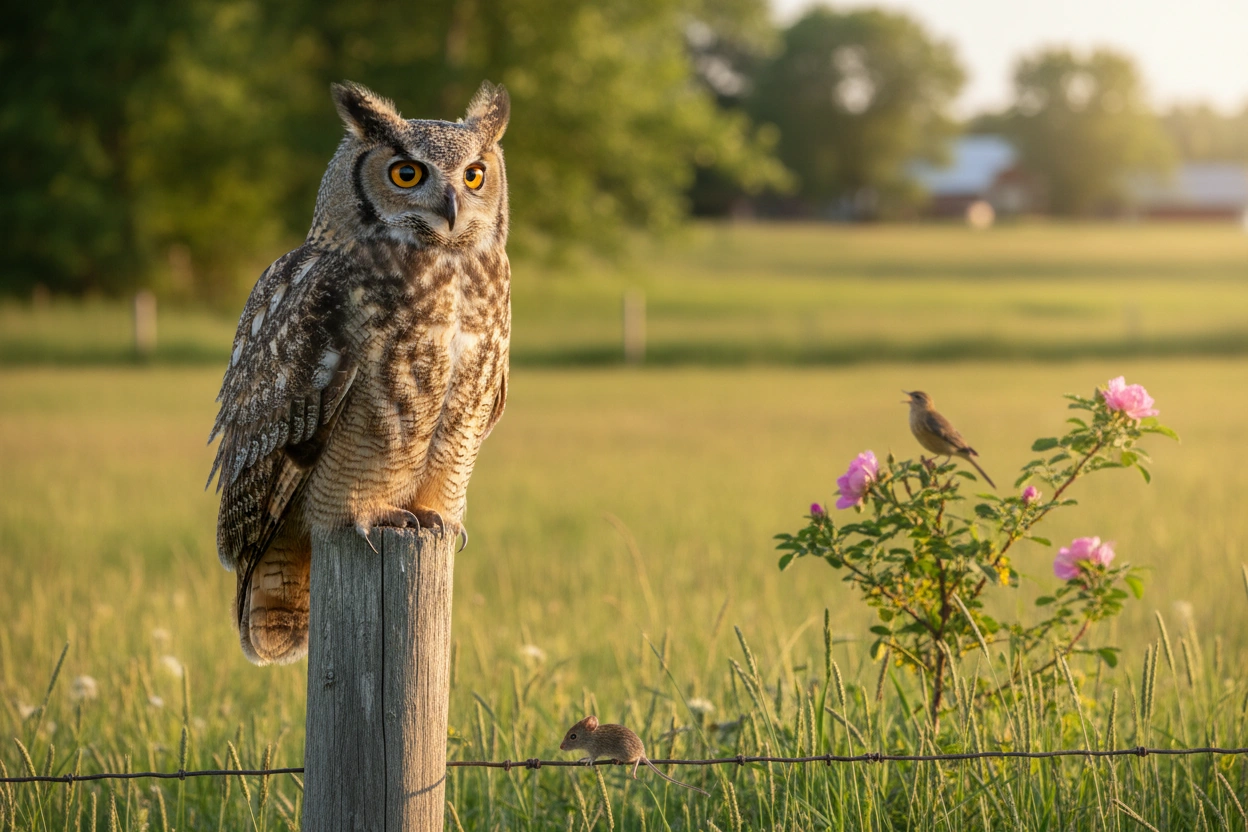
Despite their popularity, raptors are often misunderstood. Addressing these misconceptions can enhance appreciation and understanding of these birds.
Many people perceive raptors as aggressive predators. While they are skilled hunters, their behavior is often driven by survival instincts rather than aggression. Most raptors will avoid confrontation unless threatened, and they exhibit a range of behaviors that demonstrate their intelligence and adaptability.
Some individuals view raptors as pests, particularly when they prey on smaller animals. However, raptors play a critical role in maintaining ecological balance by controlling populations of rodents and other small mammals. Their presence indicates a healthy ecosystem and contributes to biodiversity.
While many raptors, such as eagles and hawks, are large, the group also includes smaller species like falcons and kestrels. Each species has unique adaptations suited to its environment and prey. Understanding this diversity can foster a deeper appreciation for the raptor family.
By dispelling these misconceptions, birdwatchers and nature enthusiasts can cultivate a greater respect for raptors and their essential roles in the ecosystem.
Raptors occupy vital niches in ecosystems, contributing to their health and balance. Understanding their ecological roles can deepen our appreciation for these majestic birds.
Raptors are apex predators, meaning they are at the top of the food chain. Their predation helps regulate populations of smaller mammals and birds, preventing overpopulation and ensuring a balanced ecosystem. For example, a decline in raptor populations can lead to an increase in rodent populations, which can have cascading effects on the ecosystem.
Raptors are often considered indicators of environmental health. Their presence and abundance can reflect the state of their habitats. For instance, a decline in raptor populations may signal habitat degradation or pollution, prompting conservation efforts.
By controlling prey populations, raptors contribute to maintaining biodiversity within ecosystems. This balance is crucial for the survival of various species, including plants, insects, and other wildlife.
Understanding these ecological roles highlights the importance of conserving raptor populations and their habitats. Efforts to protect these birds not only benefit them but also support the broader health of ecosystems.
The study of birds of prey offers a window into the complexities of nature and the intricate relationships that exist within ecosystems. By understanding their behaviors, hunting techniques, and ecological roles, we can appreciate the significance of these magnificent birds.
Banana Slug Club encourages all nature enthusiasts and birdwatchers to explore the world of raptors. Engaging in responsible birdwatching tours and learning about these birds can foster a deeper connection to nature.
If you're interested in learning more about birds of prey or want to join a community of like-minded individuals, visit Banana Slug Club for resources and events that celebrate the beauty and importance of wildlife.
Get free resources, early access to new features and updates.
No spam. Just fun educational emails!


.svg)
.svg)