The study of prehistoric animals provides a fascinating glimpse into Earth's distant past and reveals how these creatures adapted to their environments over millions of years. Understanding the adaptations of these ancient wildlife not only sheds light on their survival strategies but also informs modern science about the resilience of life in the face of environmental changes. In this article, we will delve into the intricacies of prehistoric adaptations and highlight ten of the most fascinating extinct animals that continue to captivate our imagination today.

Adaptation is a fundamental concept in the study of biology, referring to the process through which organisms evolve traits that enhance their chances of survival and reproduction in specific environments. Prehistoric animals, which lived during various geological epochs, showcase a remarkable array of adaptations that allowed them to thrive in diverse ecosystems ranging from lush forests to arid deserts.
One of the most striking aspects of these adaptations is their specificity to environmental pressures. For instance, during the Mesozoic Era, the rise of dinosaurs coincided with the development of flowering plants, leading to significant evolutionary changes. Dinosaurs developed various adaptations, such as specialized teeth for herbivory or carnivory, which allowed them to exploit new food sources. Understanding these adaptations can provide valuable insights into how modern animals might respond to current environmental challenges, such as climate change and habitat loss. survived extreme climates
Morphological Adaptations: Changes in body structure, such as the development of larger limbs or specialized teeth, enabled prehistoric animals to occupy different ecological niches.
Physiological Adaptations: These adaptations involve internal processes, such as temperature regulation or metabolic changes, that enhance survival in varying climates.
Behavioral Adaptations: Changes in behavior, such as migratory patterns or social structures, played a crucial role in the survival of prehistoric species.
Exploring the list of remarkable extinct animals can enhance our understanding of prehistoric life and the adaptations that defined them. Here are ten of the most fascinating prehistoric animals that you should know about: shaped ancient ecosystems
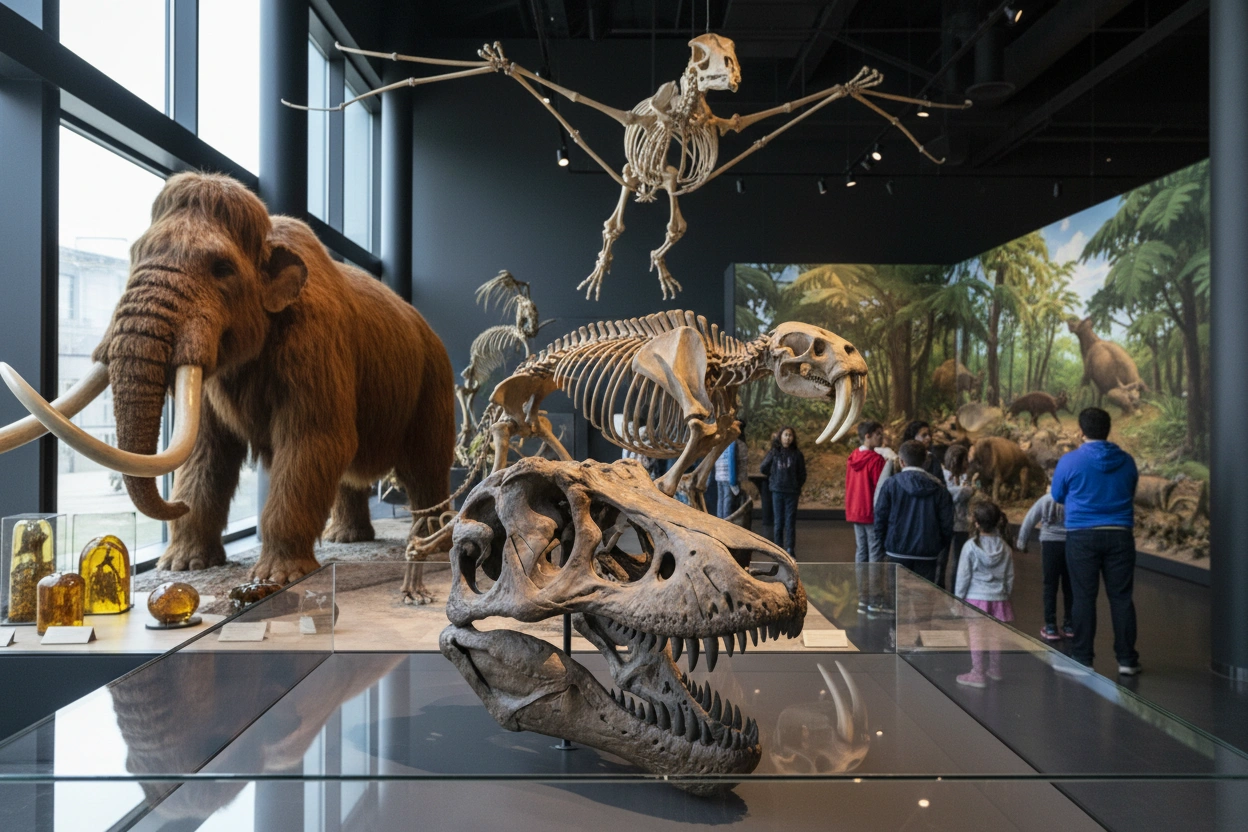
The woolly mammoth, a close relative of modern elephants, roamed the northern parts of North America and Eurasia during the last Ice Age. Adapted to cold climates, these massive creatures had long, shaggy fur, a thick layer of fat, and specialized teeth for grazing on tough grasses and shrubs. Their long tusks were not only used for foraging but also for fighting and social interactions.
Often misrepresented as simply a larger version of today's felines, the saber-toothed cat had elongated canine teeth that could reach up to 8 inches in length. These adaptations allowed them to effectively hunt large prey, such as bison and mammoths, in the open grasslands of North America. Their robust build and powerful forelimbs suggest they were ambush predators, using stealth to get close to their prey before delivering a fatal bite.
The dodo bird is a symbol of extinction and the impact of human activity on wildlife. Native to Mauritius, this flightless bird adapted to a predator-free environment, developing a large body and a beak capable of cracking open hard fruits. Unfortunately, the arrival of humans and invasive species led to their rapid decline, illustrating the vulnerability of species to environmental changes.
Megatherium, or the giant ground sloth, lived in South America during the Pleistocene epoch. This enormous herbivore could grow up to 20 feet long and weighed nearly a ton. Its adaptations included a massive build and long claws for digging up vegetation. The extinction of Megatherium is believed to be linked to climate change and human hunting.
Triceratops is one of the most iconic dinosaurs, known for its three distinct facial horns and large bony frill. These adaptations likely served multiple purposes, including defense against predators and social signaling among individuals. Their herbivorous diet was supported by specialized teeth for grinding tough plant material, showcasing their adaptation to a changing environment during the Late Cretaceous period.
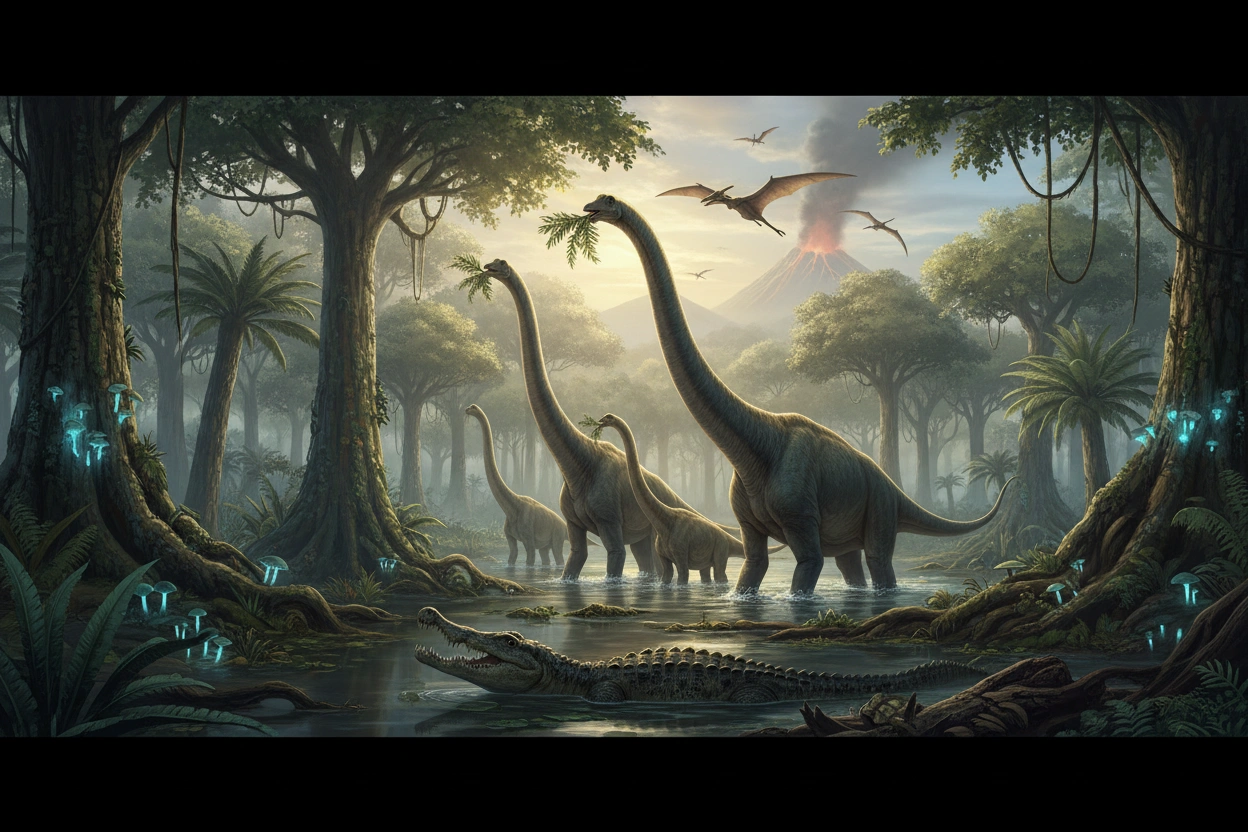
Pterosaurs were flying reptiles that lived during the age of dinosaurs. Pteranodon, one of the largest known pterosaurs, had an impressive wingspan of up to 33 feet. Their adaptations for flight included a lightweight skeleton and elongated wing structures. They primarily fed on fish, showcasing their specialized hunting techniques in ancient marine ecosystems.
Often considered the link between dinosaurs and birds, Archaeopteryx lived during the Late Jurassic period. This small theropod featured feathers, wings, and a beak, making it a crucial example of evolutionary adaptation. Its ability to glide and potentially fly illustrates the transitional adaptations that occurred as dinosaurs evolved into modern birds.
Mastodons were similar to woolly mammoths but had distinct dental structures suited for browsing on trees and shrubs. Their molars were designed for grinding, reflecting their adaptation to a diet that included softer vegetation. Mastodons roamed North America during the late Pleistocene and are believed to have coexisted with early human populations.
Glyptodon was a large, armored mammal related to modern armadillos. Its distinctive shell provided protection against predators, while its herbivorous diet allowed it to thrive in various habitats. Glyptodon exemplifies how prehistoric animals adapted their physical characteristics for defense and survival in competitive environments.
Steller's sea cow, a large marine herbivore, was discovered in the 18th century but was hunted to extinction within 27 years. These gentle giants adapted to cold waters and fed on kelp and other aquatic vegetation. Their extinction serves as a cautionary tale about the impact of human exploitation on vulnerable species.
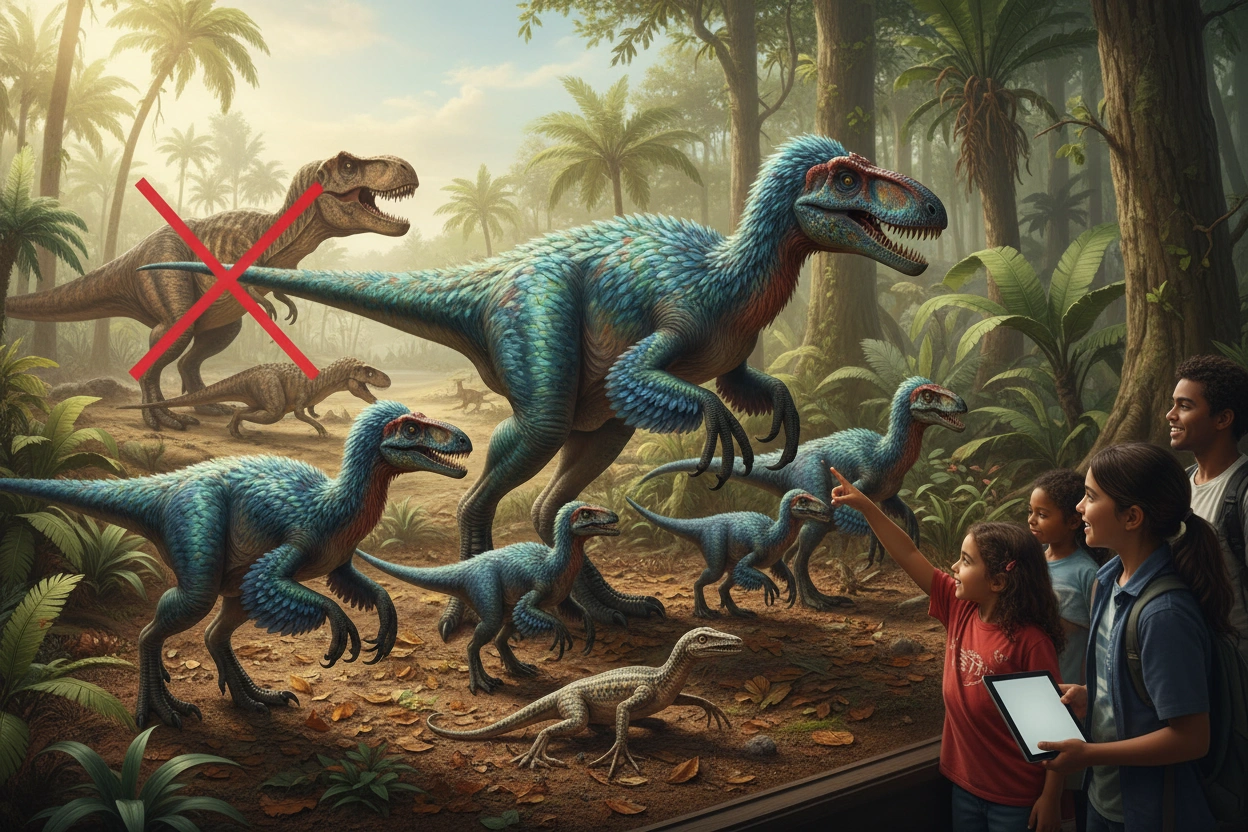
Understanding prehistoric animals often comes with its share of misconceptions. Here are some prevalent myths debunked:
While dinosaurs are often the most recognized prehistoric animals, they were part of a much larger tapestry of ancient wildlife. Creatures like mammals, reptiles, and birds also existed during these times and played significant roles in their ecosystems.
Many people associate prehistoric animals with size, believing that all were colossal. However, numerous small species thrived alongside larger ones, adapting to various niches and environments.
While some species went extinct due to catastrophic events, many prehistoric animals faced gradual extinction due to changing climates, habitat loss, and competition. Understanding these gradual processes is crucial for comprehending modern extinction threats.
To further explore and appreciate the adaptations of prehistoric animals, consider the following steps:
Research Extinct Species: Utilize online databases and resources to learn about various prehistoric animals and their adaptations. Websites like the Paleobiology Database offer valuable information.
Visit Museums: Engage with exhibits in natural history museums that showcase fossils and reconstructions of prehistoric animals. This hands-on experience can deepen your understanding of their adaptations.
Participate in Workshops: Look for educational workshops or lectures focused on paleontology. Many universities and museums offer programs for enthusiasts of all ages.
Engage with Online Communities: Join forums or social media groups dedicated to paleontology. Engaging with like-minded individuals can enhance your knowledge and provide insights into current research.
Stay Updated on Research: Follow scientific journals and publications that focus on paleobiology. Keeping abreast of new findings can offer fresh perspectives on prehistoric adaptations.
In the journey of understanding prehistoric animals and their adaptations, organizations like Banana Slug Club can play a pivotal role. By promoting educational initiatives and fostering a community interested in wildlife conservation and history, Banana Slug Club encourages the exploration of ancient ecosystems and the lessons they hold for contemporary biodiversity. shaped human evolution
As we learn more about the fascinating adaptations of prehistoric animals, we can draw parallels to modern wildlife and the pressing need for conservation efforts. The study of these ancient creatures not only enriches our understanding of history but also informs our actions today. adapted to Ice Age environments
For those eager to delve deeper into the world of prehistoric animals and their ecosystems, we invite you to engage with Banana Slug Club. Whether through educational resources, community events, or interactive discussions, there is much to explore.
Visit Banana Slug Club to learn more about how we can work together to appreciate and protect the intricate web of life on our planet.
Get free resources, early access to new features and updates.
No spam. Just fun educational emails!


.svg)
.svg)