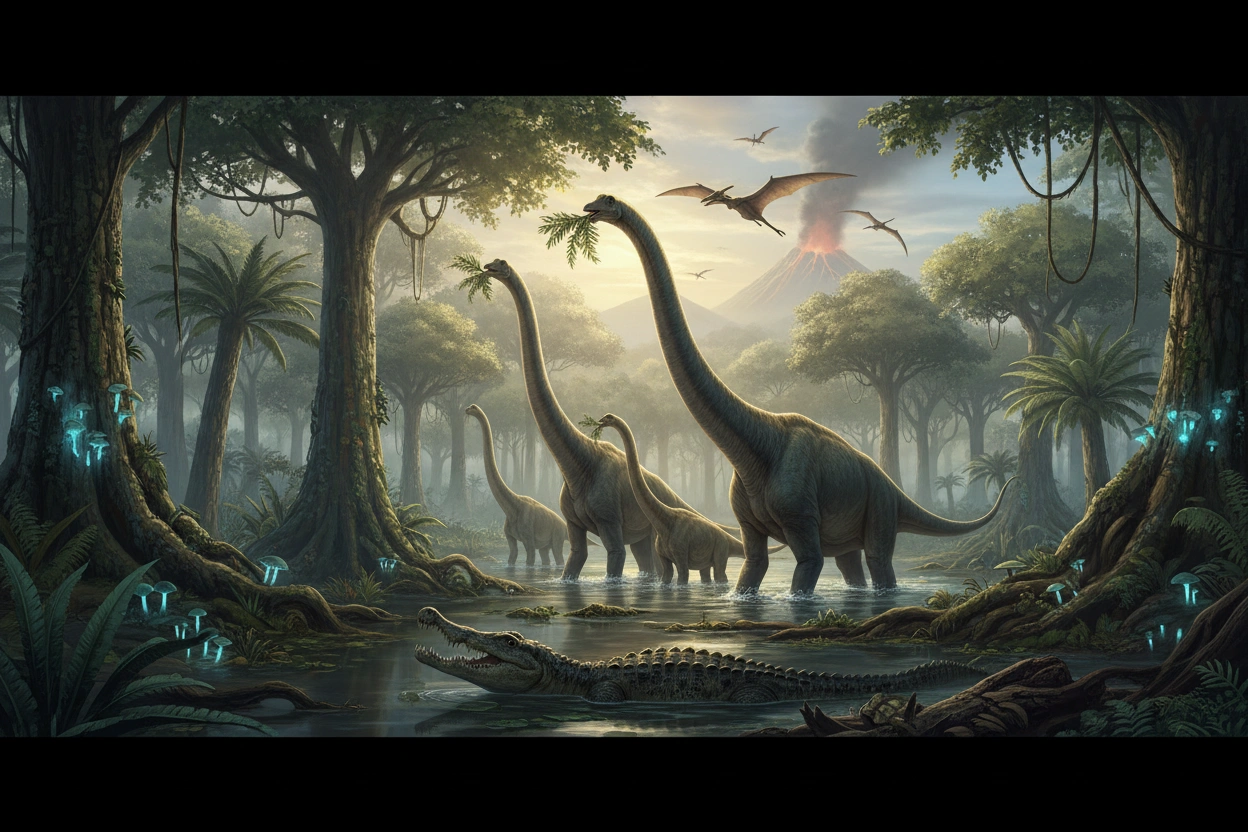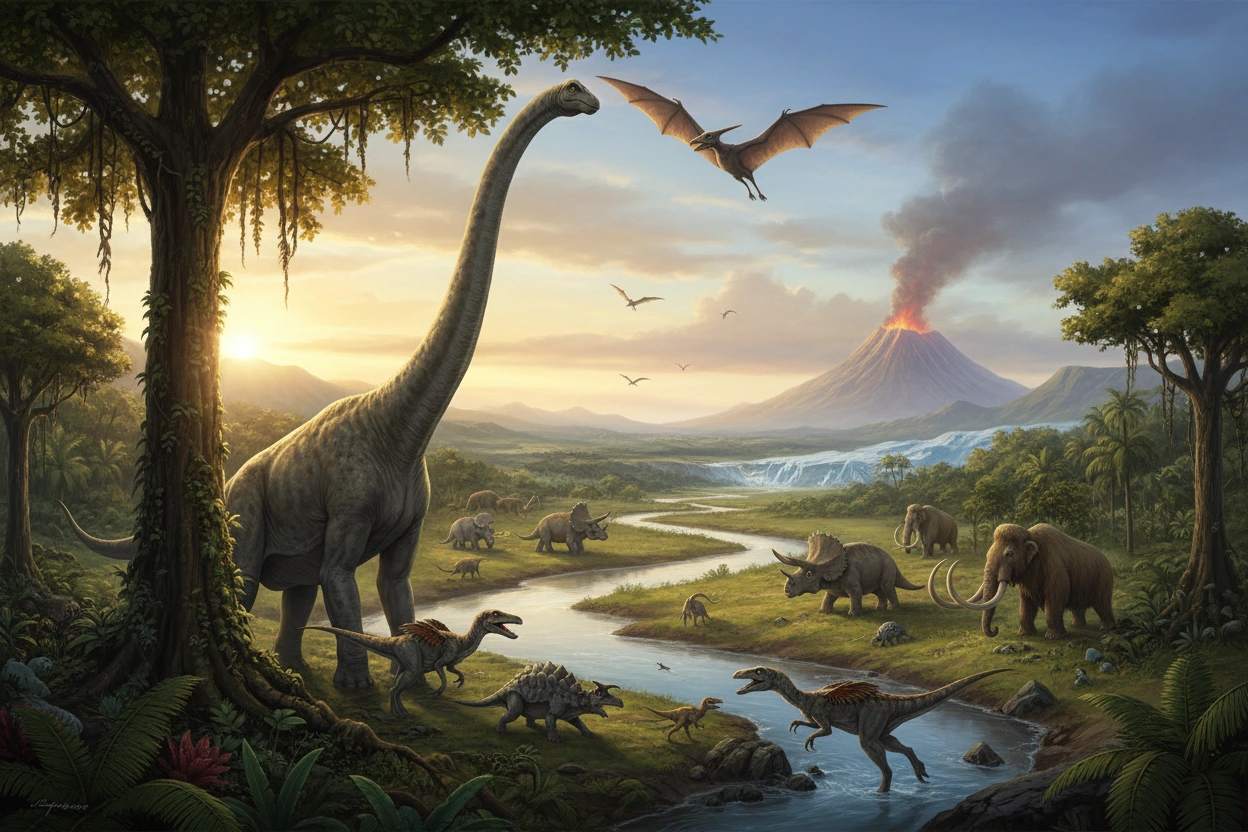
The study of prehistoric animals offers an intriguing glimpse into ancient ecosystems and the adaptations that shaped life on Earth. These creatures, often larger and more diverse than many modern species, played crucial roles in their environments, influencing everything from vegetation patterns to climate regulation. Understanding how these prehistoric animals interacted with their ecosystems can provide valuable insights into current biodiversity and conservation efforts.
In this article, we will explore how prehistoric animals influenced ancient wildlife, the adaptations they developed for survival, and a curated list of the top ten most fascinating extinct animals that everyone should know about. This exploration not only deepens our appreciation for the past but also helps us understand the present and future of biodiversity.
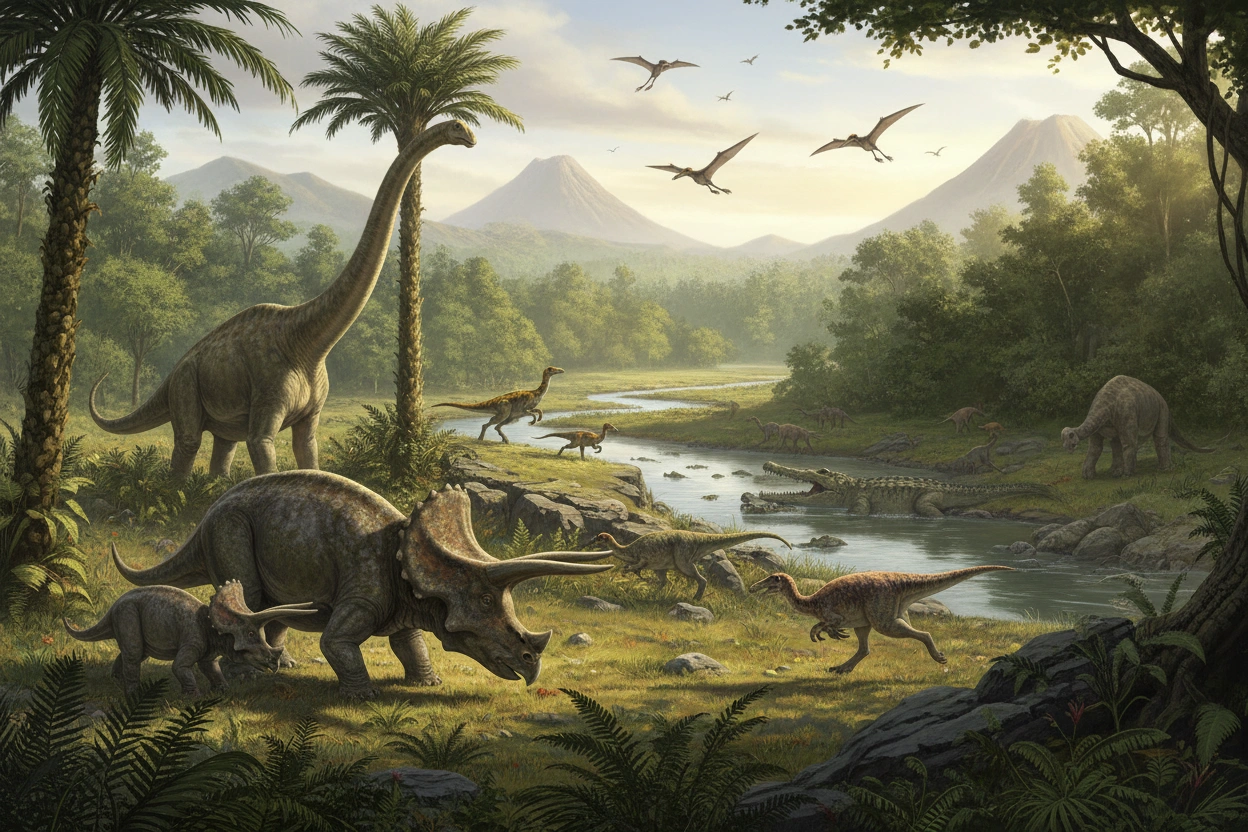
Prehistoric animals were integral to the ecosystems they inhabited. Their interactions with flora and fauna contributed to the structure and function of these ancient environments. Here, we delve into the multifaceted roles these creatures played.
Herbivorous prehistoric animals, such as the massive sauropods, were vital in shaping plant life. Their feeding habits influenced the evolution of flora, promoting the growth of certain plant species while suppressing others. For instance, the presence of large herbivores can lead to the development of tougher, more resilient plant species as they adapt to withstand grazing pressures.
Predatory prehistoric animals, such as the formidable Tyrannosaurus rex, were essential in maintaining ecological balance. Their hunting strategies and prey selection affected population dynamics and contributed to the health of ecosystems.
The adaptations of prehistoric animals were largely influenced by environmental factors. Changes in climate, habitat, and available resources drove evolutionary changes that allowed these creatures to thrive in their respective ecosystems.
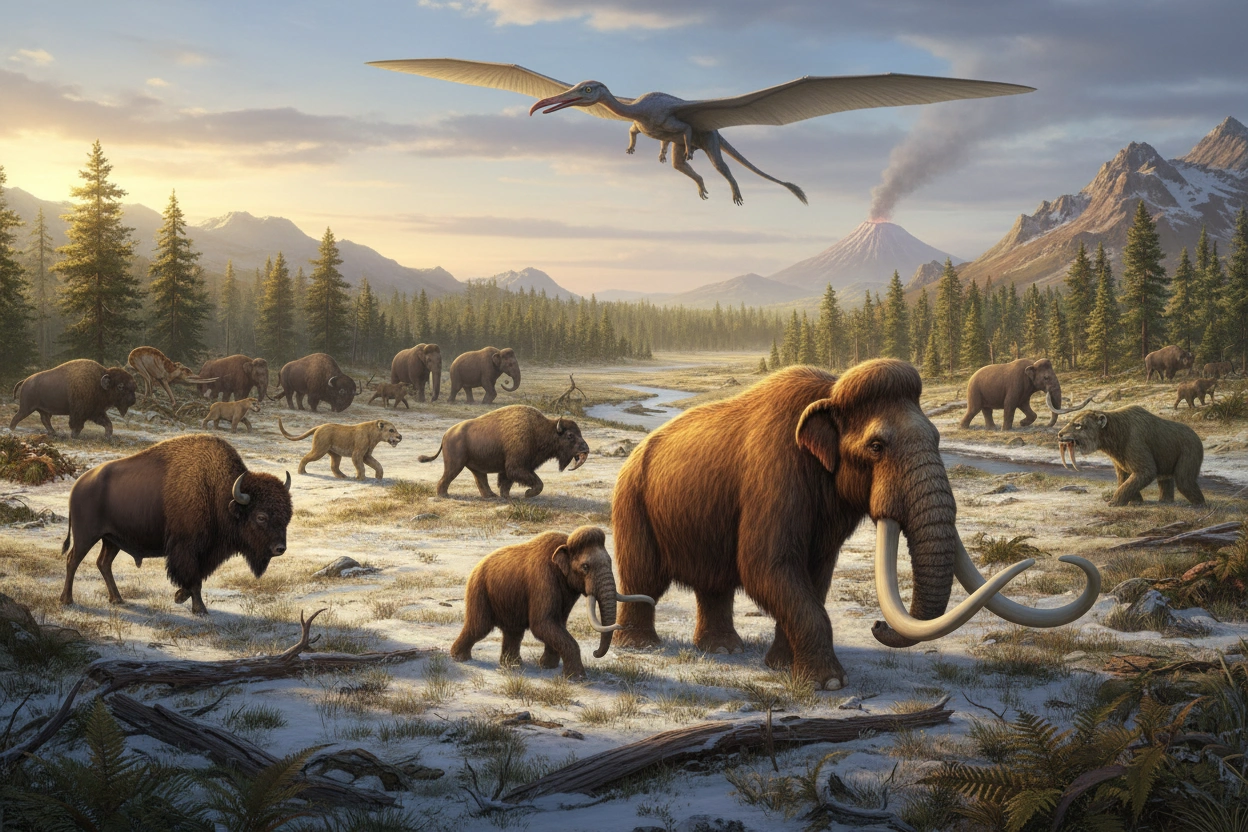
The prehistoric world was home to an array of extraordinary creatures, each with unique adaptations that allowed them to thrive in their environments. Here are ten of the most fascinating extinct animals that showcase the diversity of prehistoric life.
The woolly mammoth, a close relative of today's elephants, roamed the cold tundras of the northern hemisphere. With its long, curved tusks and thick fur, this majestic creature was perfectly adapted to its frigid environment. Woolly mammoths played a crucial role in their ecosystem by grazing on grasses and shrubs, which helped maintain the tundra ecosystem.
Known for its long, curved canine teeth, the saber-toothed cat was an apex predator during the Pleistocene epoch. This feline was adapted for stalking and ambushing prey, using its powerful limbs and sharp claws to take down large herbivores. Its presence in the ecosystem was vital for controlling herbivore populations.
The dodo bird, native to Mauritius, became extinct in the late 17th century due to human activity and introduced species. This flightless bird had evolved in an environment devoid of natural predators, leading to its unique adaptations. The extinction of the dodo serves as a poignant reminder of the impact humans can have on vulnerable species.
This enormous ground sloth roamed South America during the Pleistocene. It could grow up to 13 feet long and weighed over a ton. Megatherium's adaptations included massive claws for digging and a herbivorous diet, which allowed it to thrive in various habitats.
Trilobites were marine arthropods that thrived during the Paleozoic era. With their distinctive segmented bodies and compound eyes, they were among the first complex animals on Earth. Trilobites played a significant role in their marine ecosystems, serving as both predators and prey.
These flying reptiles dominated the skies during the Mesozoic era. Pterosaurs had a wide range of sizes and adaptations, from the small, agile Rhamphorhynchus to the massive Quetzalcoatlus, which had a wingspan of over 30 feet. Their adaptations allowed them to exploit various ecological niches, including hunting fish and scavenging.
Anomalocaris was a large predatory creature from the Cambrian period, known for its unique appearance and impressive hunting capabilities. With its large, compound eyes and specialized appendages, it was a dominant predator in its marine environment, illustrating the early complexity of prehistoric ecosystems.
This large marine mammal, related to modern manatees, was discovered in the Bering Sea. It could grow up to 30 feet long and was herbivorous, primarily feeding on kelp. Steller's sea cow was driven to extinction in the 18th century due to overhunting, highlighting the fragility of marine ecosystems.
The Irish elk, with its enormous antlers, was one of the largest deer species to ever exist. These majestic animals roamed across Europe and Asia and were well adapted to cold climates. Their extinction is attributed to a combination of climate change and overhunting.
Paraceratherium, often referred to as the largest land mammal to have ever existed, was a hornless rhinoceros that lived during the Oligocene epoch. With a height of over 16 feet at the shoulder, it was an herbivore that roamed vast grasslands. Its size and adaptations allowed it to browse on treetops, showcasing the diversity of prehistoric mammals.
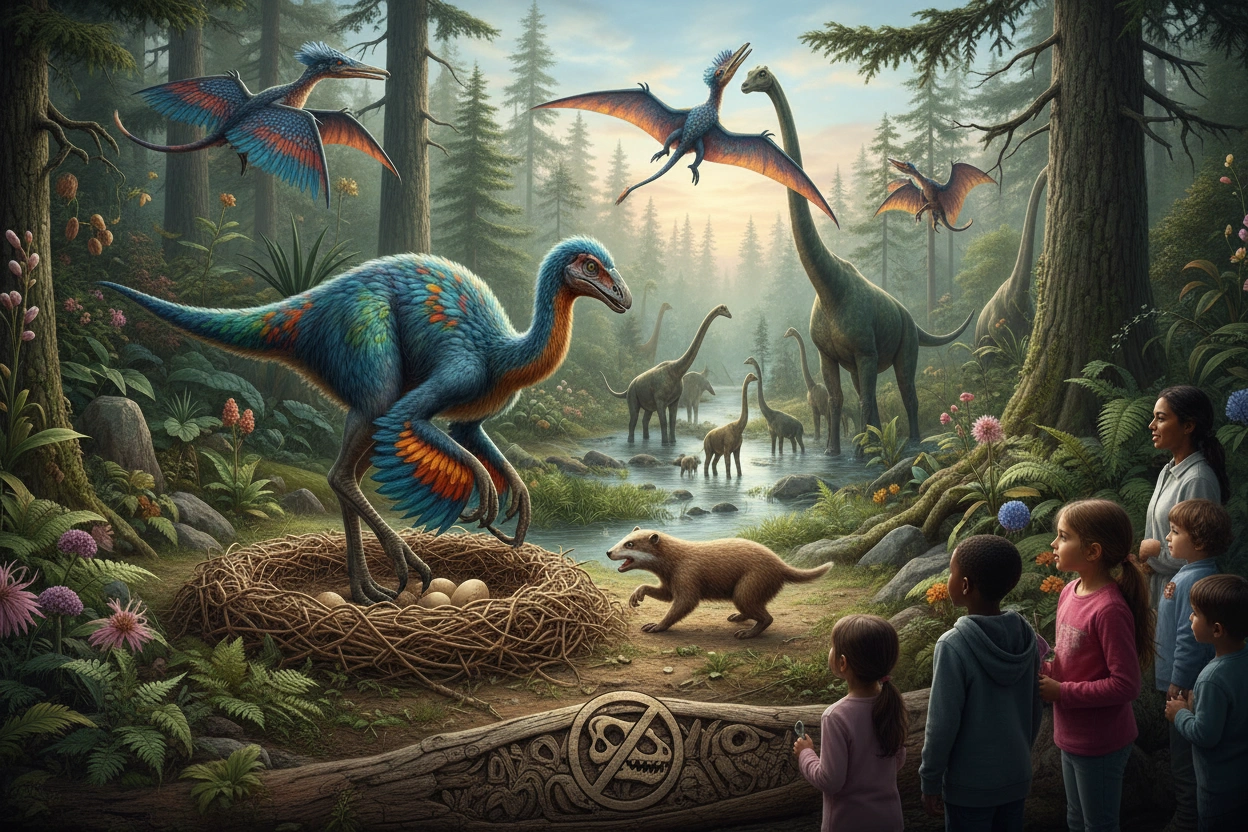
Understanding prehistoric animals often comes with a set of misconceptions that can cloud our appreciation of these fascinating creatures. Addressing these misconceptions can provide clarity and enhance our understanding of prehistoric life.
While many dinosaurs were indeed large, a significant number of species were small and agile. For instance, the Compsognathus was roughly the size of a chicken, illustrating the diversity in size and adaptation among dinosaurs.
Many prehistoric animals were highly specialized and adapted to their environments. Their adaptations often surpassed those of modern animals, showcasing advanced evolutionary traits that allowed them to thrive in their ecosystems.
While human activities have contributed to the extinction of many species, natural events such as climate change, volcanic eruptions, and asteroid impacts have historically played significant roles in species extinction. Understanding these factors is crucial for conservation efforts today.
Studying prehistoric animals not only enriches our understanding of ancient ecosystems but also informs modern conservation practices. By examining the adaptations and interactions of these creatures, we can gain insights into how contemporary species might respond to environmental changes.
The extinction of many prehistoric animals serves as a cautionary tale for current biodiversity loss. Here are several actionable insights:
Public engagement is crucial for conservation. By sharing knowledge about prehistoric animals, we can inspire interest in biodiversity and the importance of preserving it. Educational programs, museums, and documentaries are excellent avenues for fostering this interest.
The legacy of prehistoric animals continues to shape our understanding of ecology and biodiversity today. These remarkable creatures provide essential insights into the past, informing our approach to modern conservation efforts.
At Banana Slug Club, we recognize the importance of understanding our planet's history and its impact on current ecosystems. By fostering education and awareness about prehistoric animals and their adaptations, we aim to inspire a new generation of conservationists.
Our commitment to preserving biodiversity aligns with the lessons learned from studying prehistoric life. We encourage everyone to engage with nature, appreciate the complexity of ecosystems, and contribute to conservation efforts.
Visit Banana Slug Club to learn more about how you can get involved in preserving our planet's rich biodiversity and ensuring that the lessons of the past are not forgotten.
Get free resources, early access to new features and updates.
No spam. Just fun educational emails!


.svg)
.svg)