The Fascinating World of Salamander Types and Their Habitats
Amphibians, a diverse class of animals, have captivated the attention of scientists and nature enthusiasts alike. Among these creatures, salamanders stand out due to their unique characteristics, varied habitats, and significant ecological roles. As we delve into the captivating world of salamander types and their habitats, we also highlight the importance of amphibian conservation efforts. In 2026, as we witness increasing environmental challenges, understanding and protecting these remarkable creatures is more crucial than ever.
Understanding Amphibians and Their Importance
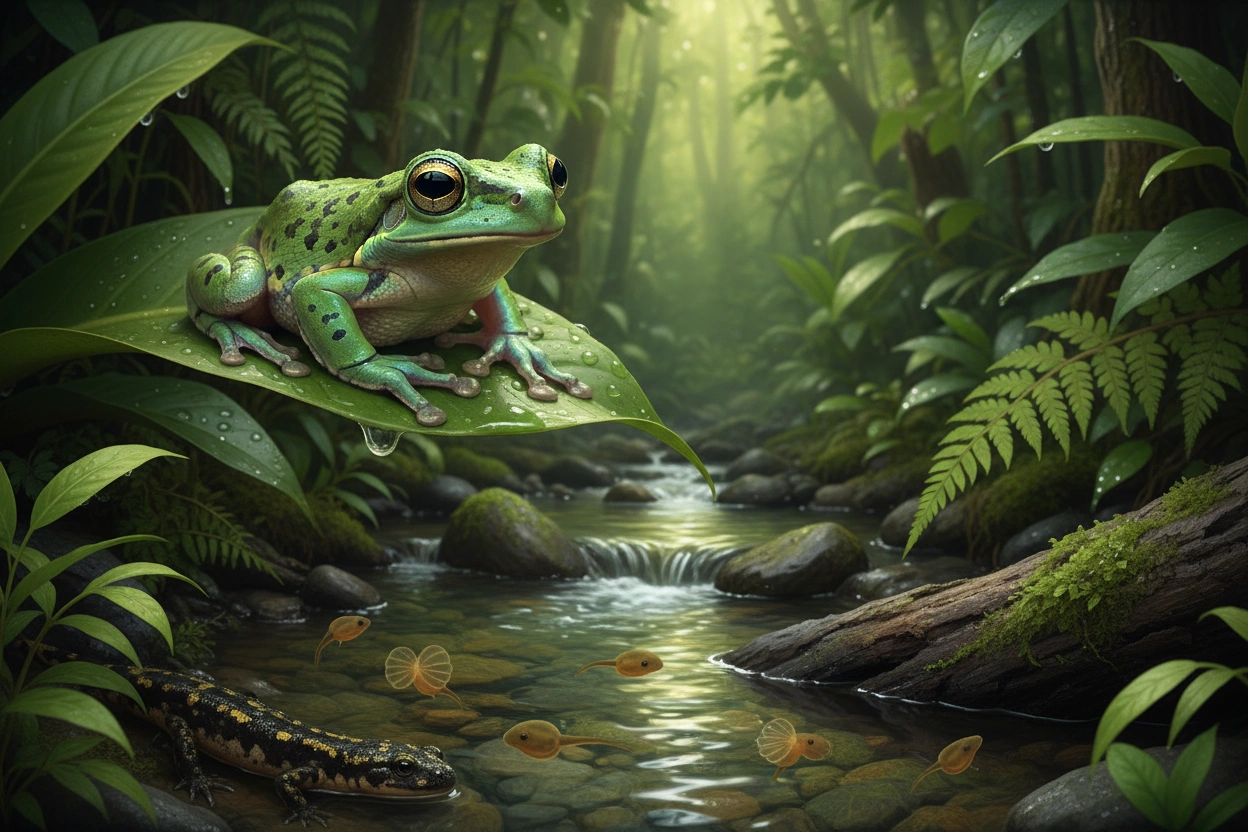
Amphibians, which include frogs, toads, newts, and salamanders, are a vital part of our ecosystems. They serve as both predators and prey, maintaining the balance in food webs. Their presence is often an indicator of environmental health, as they are sensitive to changes in their habitats. Amphibians are also known for their unique life cycles, which typically include both aquatic and terrestrial stages.
The Life Cycle of Amphibians
Amphibians undergo a fascinating transformation known as metamorphosis. This process typically involves:
- Egg Stage: Amphibians lay eggs in water or moist environments. The eggs are often surrounded by a gelatinous substance that provides protection.
- Larval Stage: Once hatched, the larvae (tadpoles in frogs and efts in salamanders) are usually aquatic and breathe through gills.
- Metamorphosis: During this phase, the larvae undergo significant changes, developing lungs for breathing air and limbs for movement on land.
- Adult Stage: The mature amphibian is adapted to life on land, although many species return to water for breeding.
This life cycle exemplifies the adaptability of amphibians, allowing them to thrive in various environments.
Common Misconceptions About Amphibians
Despite their ecological importance, several misconceptions surround amphibians:
- Amphibians are all the same: Many people think that all amphibians are alike. In reality, there are over 7,000 species of amphibians, each adapted to its unique habitat.
- Amphibians are not affected by climate change: Amphibians are incredibly sensitive to changes in temperature and moisture, making them vulnerable to climate change impacts.
- All amphibians are poisonous: While some amphibians possess toxins as a defense mechanism, many species are completely harmless.
Understanding these misconceptions is vital for fostering a greater appreciation of amphibians and the need for their conservation.
Exploring Salamander Types
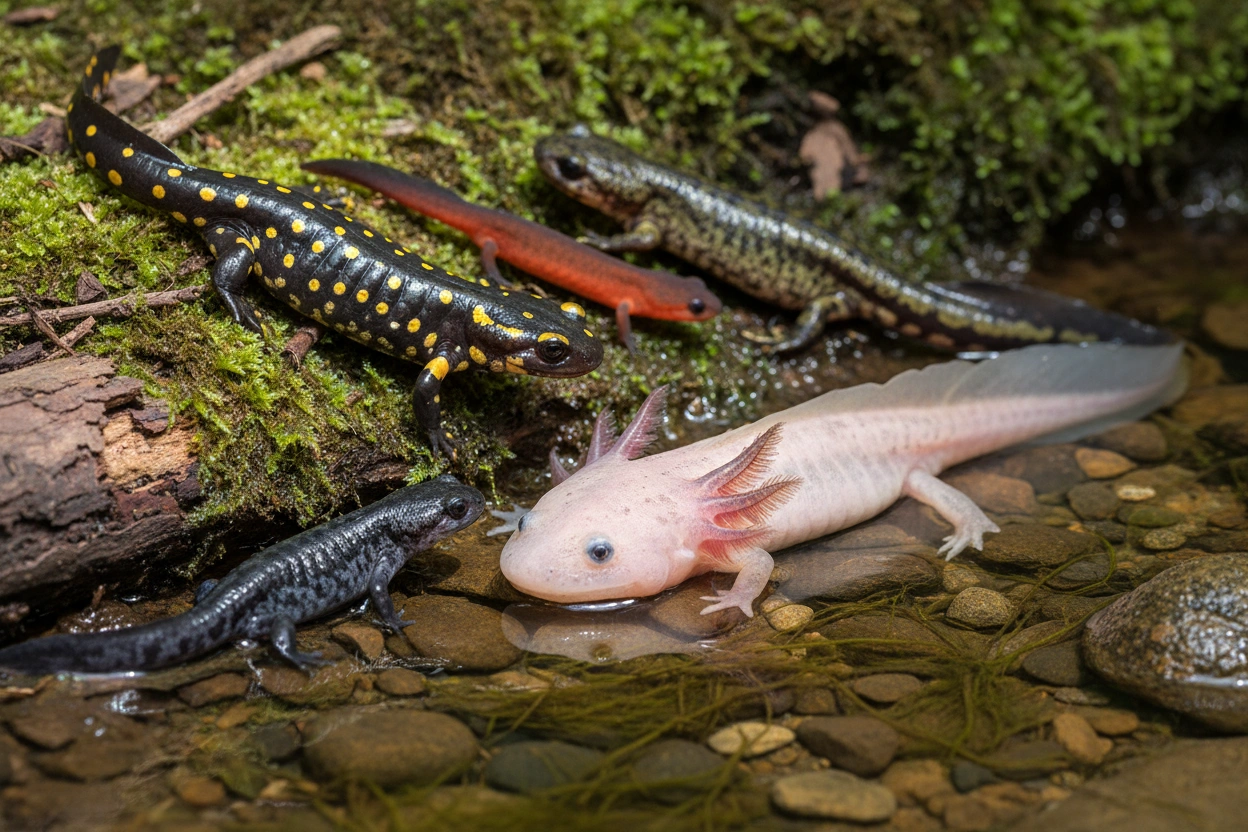
Salamanders are a diverse group of amphibians, characterized by their elongated bodies, moist skin, and the presence of both lungs and gills at different life stages. Here are some notable types of salamanders:
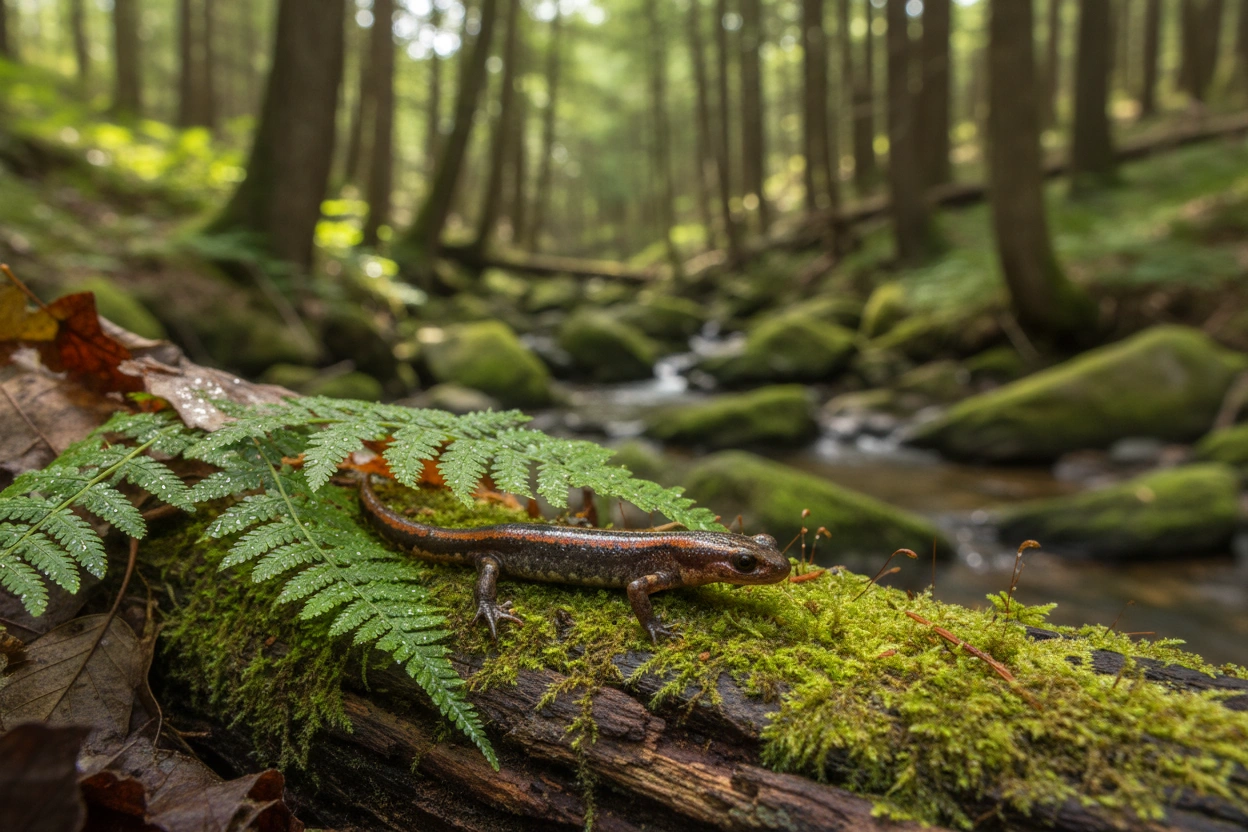
1. Eastern Red-backed Salamander (Plethodon cinereus)
- Habitat: Commonly found in forests and woodlands across the eastern United States and Canada.
- Characteristics: They possess a striking red stripe down their back, which helps in camouflage against the forest floor.
- Ecological Role: These salamanders play a crucial role in controlling insect populations and serve as prey for larger predators.
2. Axolotl (Ambystoma mexicanum)
- Habitat: Native to the lake complex of Xochimilco near Mexico City, the axolotl is unique for its aquatic lifestyle.
- Characteristics: Known for its ability to regenerate lost limbs, the axolotl retains its larval features throughout its life, a phenomenon known as neoteny.
- Conservation Status: Critically endangered due to habitat loss and pollution, efforts are underway to protect this fascinating species.
3. Tiger Salamander (Ambystoma tigrinum)
- Habitat: Found in a variety of habitats, including grasslands, forests, and wetlands across North America.
- Characteristics: They are easily recognizable by their yellow or white blotches against a dark background.
- Reproductive Behavior: Tiger salamanders breed in temporary ponds, where they lay eggs that hatch into aquatic larvae.
4. Spotted Salamander (Ambystoma maculatum)
- Habitat: Prefers moist woodlands and often migrates to breeding ponds in early spring.
- Characteristics: Known for its distinctive yellow spots, this salamander is an important indicator of environmental health.
- Role in Ecosystem: They help control insect populations and serve as prey for various predators.
5. Marbled Salamander (Ambystoma opacum)
- Habitat: Typically found in lowland forests and wetlands in the eastern United States.
- Characteristics: This species is notable for its marbled pattern, which provides excellent camouflage.
- Breeding Behavior: Unlike many salamanders, marbled salamanders breed in the fall, laying eggs in dry depressions that fill with water during winter rains.
Salamander Habitats: A Closer Look
Understanding the habitats of salamanders is essential for their conservation. Salamanders thrive in various environments, each presenting unique challenges and advantages.
Forest Habitats
Forests provide ample moisture and cover for salamanders, making them ideal habitats. The leaf litter and soil in these environments offer hiding spots and abundant food sources, such as insects and worms.
- Importance of Leaf Litter: Leaf litter serves as a crucial component of the forest floor ecosystem, retaining moisture and providing food for both salamanders and their prey.
- Threats: Deforestation and habitat fragmentation pose significant risks to forest-dwelling salamanders, impacting their populations and breeding success.
Wetland Habitats
Wetlands are vital for amphibian reproduction, providing the aquatic environments needed for breeding and larval development. Salamanders often migrate to these areas during specific seasons to lay their eggs.
- Role of Wetlands: These ecosystems act as natural filters, improving water quality and providing essential habitats for diverse species.
- Conservation Challenges: Wetland drainage for agriculture and urban development has led to significant habitat loss, threatening many amphibian species.
Urban Environments
Interestingly, some salamander species have adapted to urban environments, finding niches in gardens, parks, and even basements.
- Adaptation Strategies: Urban salamanders often rely on green spaces for food and shelter, showing remarkable resilience in the face of habitat modification.
- Conservation Efforts: Creating wildlife corridors and preserving green spaces in urban areas can help sustain these populations.
Top 10 Amphibian Conservation Efforts to Support
As amphibians face unprecedented challenges, several conservation initiatives are underway to protect these vital creatures. Here are ten notable efforts:
- Habitat Restoration: Restoring wetlands and forests to provide suitable habitats for breeding and foraging.
- Captive Breeding Programs: Breeding endangered species in captivity to reintroduce them into their natural habitats.
- Pollution Control: Implementing regulations to reduce pesticide and chemical runoff that impacts amphibian populations.
- Climate Change Mitigation: Advocating for policies that address climate change to protect amphibian habitats.
- Public Awareness Campaigns: Educating the public about the importance of amphibians and the threats they face.
- Research Initiatives: Funding studies to understand amphibian biology, ecology, and the impact of environmental changes.
- Community Engagement: Involving local communities in conservation efforts, fostering stewardship for amphibian habitats.
- Legislation: Supporting laws that protect amphibian species and their habitats from development and exploitation.
- Citizen Science Projects: Encouraging individuals to participate in monitoring amphibian populations and reporting sightings.
- Collaboration with Organizations: Partnering with NGOs and research institutions to implement effective conservation strategies.
Engaging in these efforts not only helps protect amphibians but also contributes to the overall health of ecosystems.
The Role of the Banana Slug Club in Amphibian Conservation
The Banana Slug Club is dedicated to educating the public about the importance of amphibians and their conservation. By providing resources and opportunities for engagement, the club fosters a deeper understanding of these fascinating creatures and their habitats. Through community events, educational programs, and conservation initiatives, the Banana Slug Club aims to inspire action and awareness in protecting amphibians.
How You Can Get Involved
You can contribute to amphibian conservation in several meaningful ways:
- Volunteer: Join local conservation efforts or organizations like the Banana Slug Club to help with habitat restoration projects.
- Educate Others: Share your knowledge about amphibians with friends and family to raise awareness.
- Participate in Citizen Science: Engage in local amphibian monitoring projects to contribute valuable data to researchers.
Embracing the Fascinating World of Amphibians
Understanding the diverse types of salamanders and their habitats highlights the crucial role that amphibians play in our ecosystems. As we confront environmental challenges in 2026, the need for conservation efforts is more pressing than ever. The Banana Slug Club is committed to promoting awareness and action for amphibian protection, offering resources and community engagement opportunities.
To learn more about how you can support amphibian conservation and get involved with the Banana Slug Club, visit our website. Together, we can make a difference in protecting these remarkable creatures and their habitats for generations to come.



.svg)
.svg)