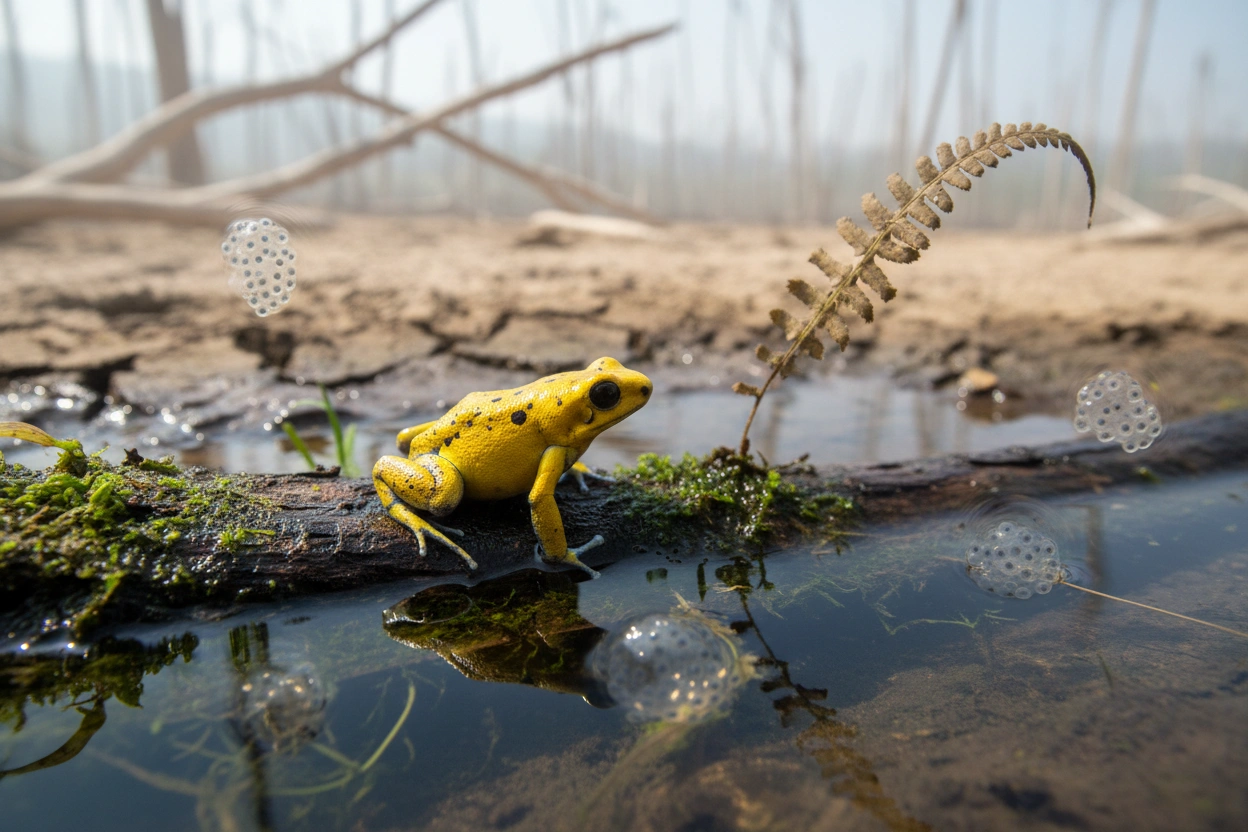
Climate change is one of the most pressing issues of our time, and its impact on biodiversity is profound. Among the most vulnerable groups affected by these changes are amphibians, a class of animals that includes frogs, toads, salamanders, and newts. Amphibians are particularly sensitive to environmental changes due to their permeable skin and complex life cycles that involve both aquatic and terrestrial habitats. As of 2026, many amphibian species are facing unprecedented challenges, leading to alarming declines in their populations worldwide.
In this article, we will explore the challenges that amphibians face due to climate change, delve into the top ten conservation efforts being implemented to support their survival, and discuss actionable insights that can help individuals contribute to these efforts. Understanding the plight of these remarkable creatures is crucial not only for their survival but also for maintaining the health of our ecosystems.
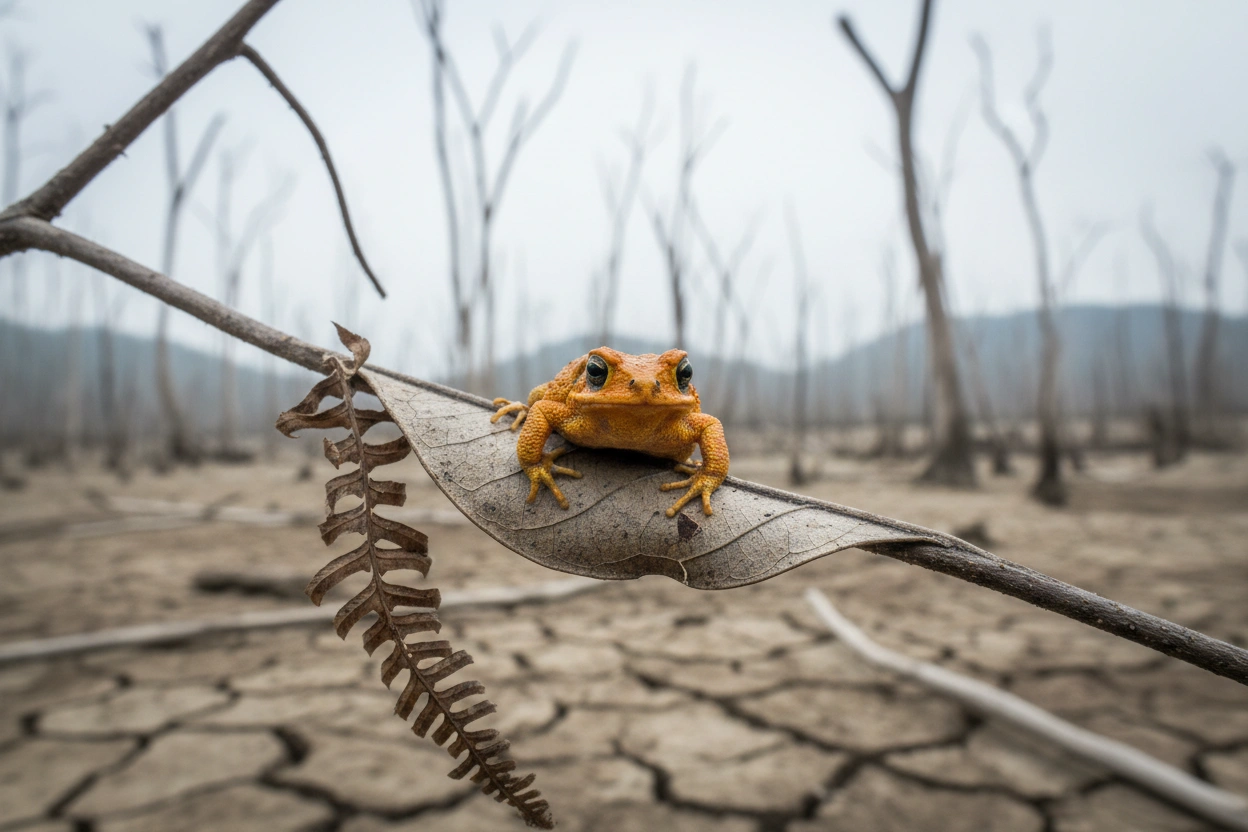
Climate change has led to significant alterations in ecosystems, affecting the natural habitats of amphibians. Rising temperatures, changing precipitation patterns, and increased frequency of extreme weather events can lead to habitat loss. Amphibians rely on specific conditions for breeding and survival, and even slight changes in temperature or moisture can disrupt these delicate environments.
With climate change, the prevalence of diseases that affect amphibians has increased. One of the most notorious is chytridiomycosis, caused by the chytrid fungus, which has led to massive declines in amphibian populations globally. Changes in temperature and humidity can create conditions that favor the spread of this pathogen.
Climate change is altering the timing and success of amphibian breeding. As temperatures rise, many amphibians are experiencing shifts in their breeding cycles, which can lead to mismatches in the availability of food and suitable habitats for their young.
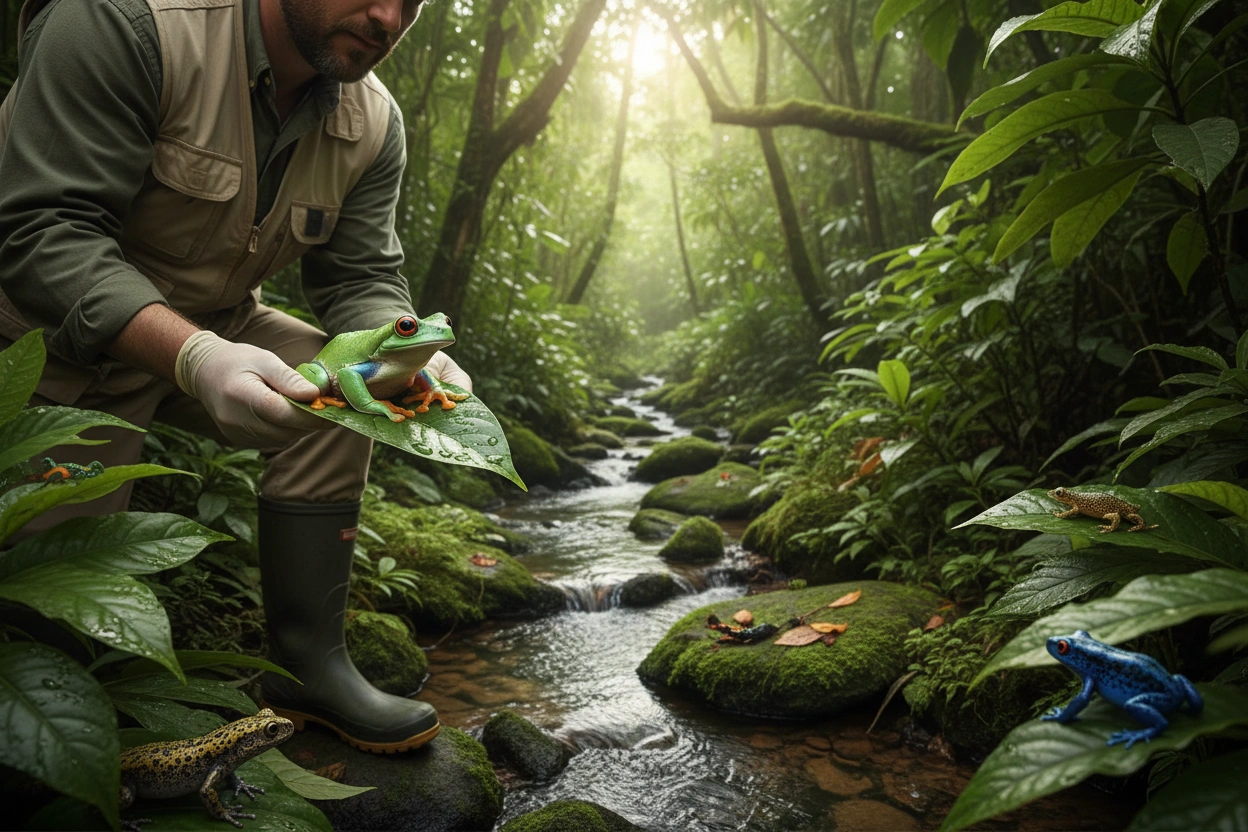
As the challenges facing amphibians grow, numerous conservation efforts are underway to protect these species and their habitats. Here are ten key initiatives that are making a difference:
Habitat Restoration Projects
Captive Breeding Programs
Disease Monitoring and Management
Community Engagement and Education
Legislative Advocacy
Research and Monitoring
Creation of Protected Areas
Climate Adaptation Strategies
Collaboration with Indigenous Communities
Support for Amphibian Research Organizations
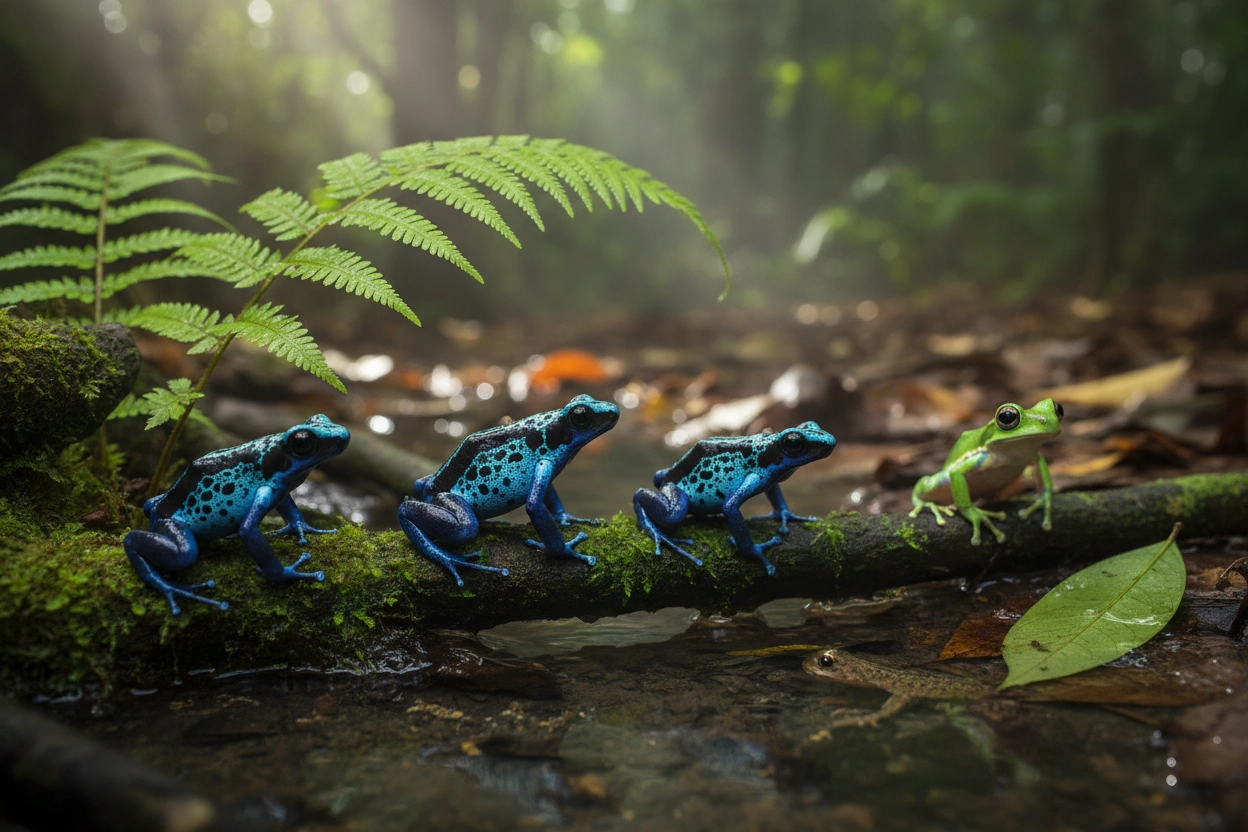
A common misconception is that amphibians do not play a significant role in ecosystems. In reality, amphibians are crucial for maintaining ecological balance. They serve as both predators and prey, helping to control insect populations and providing food for birds, mammals, and reptiles. Their decline can lead to cascading effects throughout the food web.
While many amphibian species are threatened, not all are facing extinction. Some species are resilient and adapting to changing conditions. Conservation efforts have successfully stabilized populations of certain species, demonstrating that proactive measures can lead to positive outcomes.
Another misconception is that climate change impacts all species equally. In reality, amphibians are particularly vulnerable due to their unique biological and ecological characteristics. Understanding these vulnerabilities is crucial for developing effective conservation strategies.
Individuals can play a vital role in supporting amphibian conservation efforts. Here are some practical steps you can take:
Amphibians are at a critical juncture, facing numerous challenges exacerbated by climate change. The conservation of these remarkable creatures is essential not only for biodiversity but also for the health of our ecosystems. Organizations like the Banana Slug Club play a pivotal role in supporting amphibian conservation through education, advocacy, and community engagement.
By focusing on habitat restoration, disease management, and community involvement, the Banana Slug Club aims to ensure that amphibians continue to thrive in their natural environments. As a member of the community, you can contribute to these efforts by participating in local initiatives, supporting conservation programs, and spreading awareness about the importance of amphibians.
Understanding the challenges faced by amphibians is the first step toward making a difference. As you have learned about the impact of climate change on these species and the various conservation efforts in place, consider how you can be part of the solution.
For more information on how you can contribute to amphibian conservation and support ongoing efforts, visit Banana Slug Club. Your involvement can help secure a brighter future for amphibians and the ecosystems they inhabit.
Get free resources, early access to new features and updates.
No spam. Just fun educational emails!


.svg)
.svg)