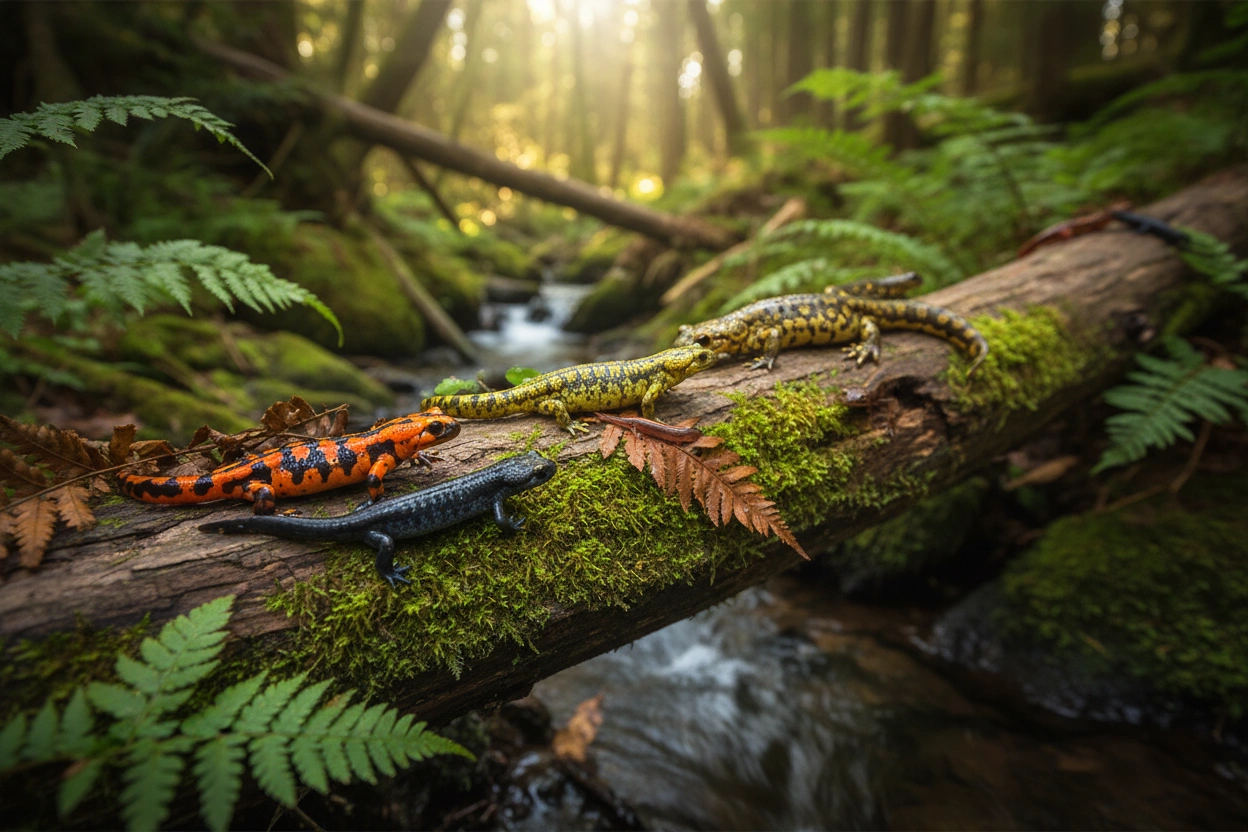
Amphibians are a diverse and fascinating group of animals that play crucial roles in ecosystems around the world. Among them, salamanders stand out due to their unique biological traits and ecological importance. In this guide, we will explore various salamander types, their habitats, and the critical conservation efforts aimed at protecting these remarkable creatures.
Understanding the different types of amphibians, particularly salamanders, is essential for fostering appreciation and encouraging conservation efforts. With many species facing threats from habitat loss, climate change, and pollution, it is vital to learn more about these unique amphibians and how we can support their survival.
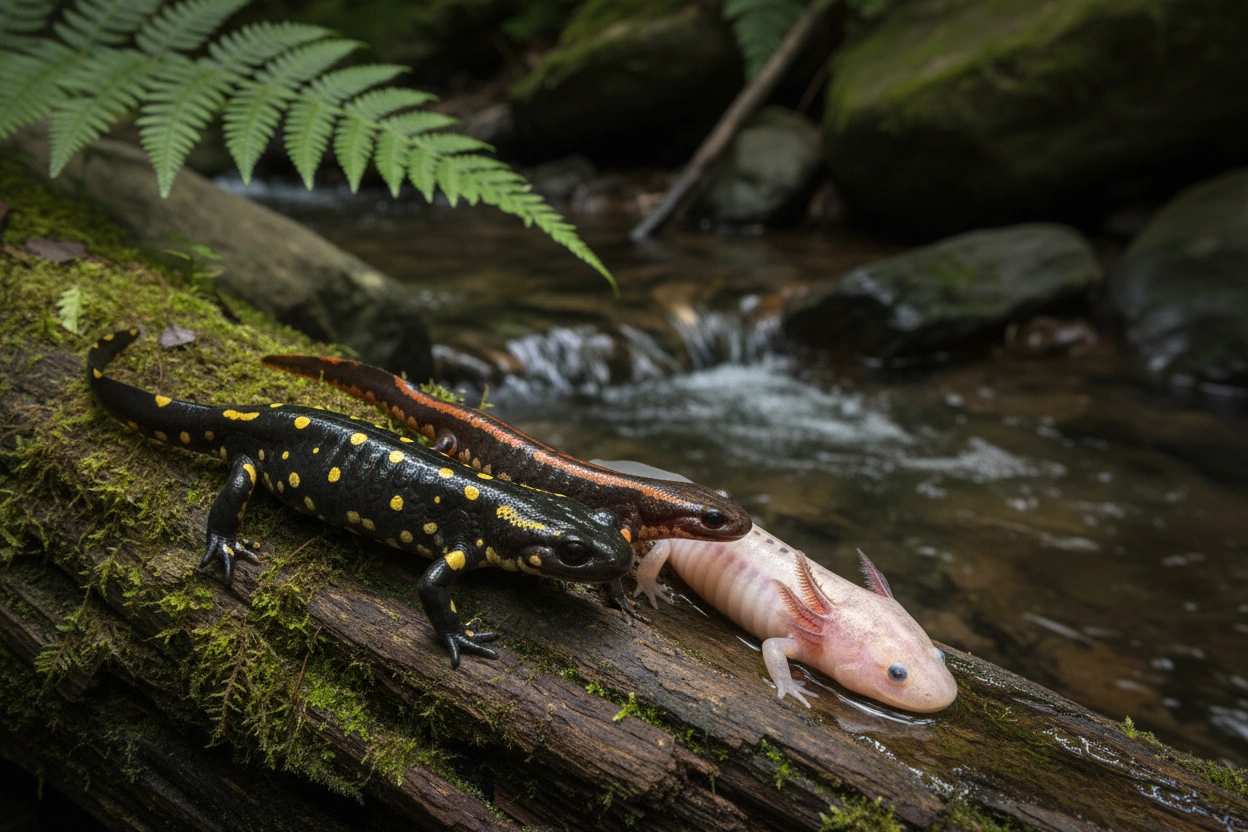
Salamanders belong to the order Caudata and are distinguished by their elongated bodies, smooth skin, and the presence of a tail throughout their lives. They are primarily found in North America, Europe, and parts of Asia, thriving in various environments, including forests, wetlands, and grasslands. Here are some common types of salamanders:
The Eastern Red-backed Salamander is a small species commonly found in eastern North America. It has a distinct red or orange stripe running down its back, which helps in camouflage among the forest floor's leaves and debris. This species prefers moist environments, often residing under rocks and logs.
The Tiger Salamander is one of the largest salamander species, recognizable by its striking yellow or white spots against a dark background. It can be found in a variety of habitats, including grasslands, forests, and wetlands. Breeding typically occurs in temporary ponds, making them vulnerable to habitat disruption.
This species is endemic to California and is characterized by its bold yellow or white spots. The California Tiger Salamander faces significant threats from urban development and habitat destruction. Conservation efforts focus on protecting breeding sites and restoring natural habitats.
Famous for its regenerative abilities, the Axolotl is a unique salamander that remains in its larval form throughout its life, a phenomenon known as neoteny. Native to the lake complex of Xochimilco in Mexico, the Axolotl is critically endangered due to habitat loss and pollution.
The Red Salamander is easily identifiable by its bright red coloration with black spots. This species is commonly found in streams and wetland areas in the eastern United States. They thrive in moist, leaf-littered environments and are a vital part of the ecosystem, preying on insects and other small invertebrates.
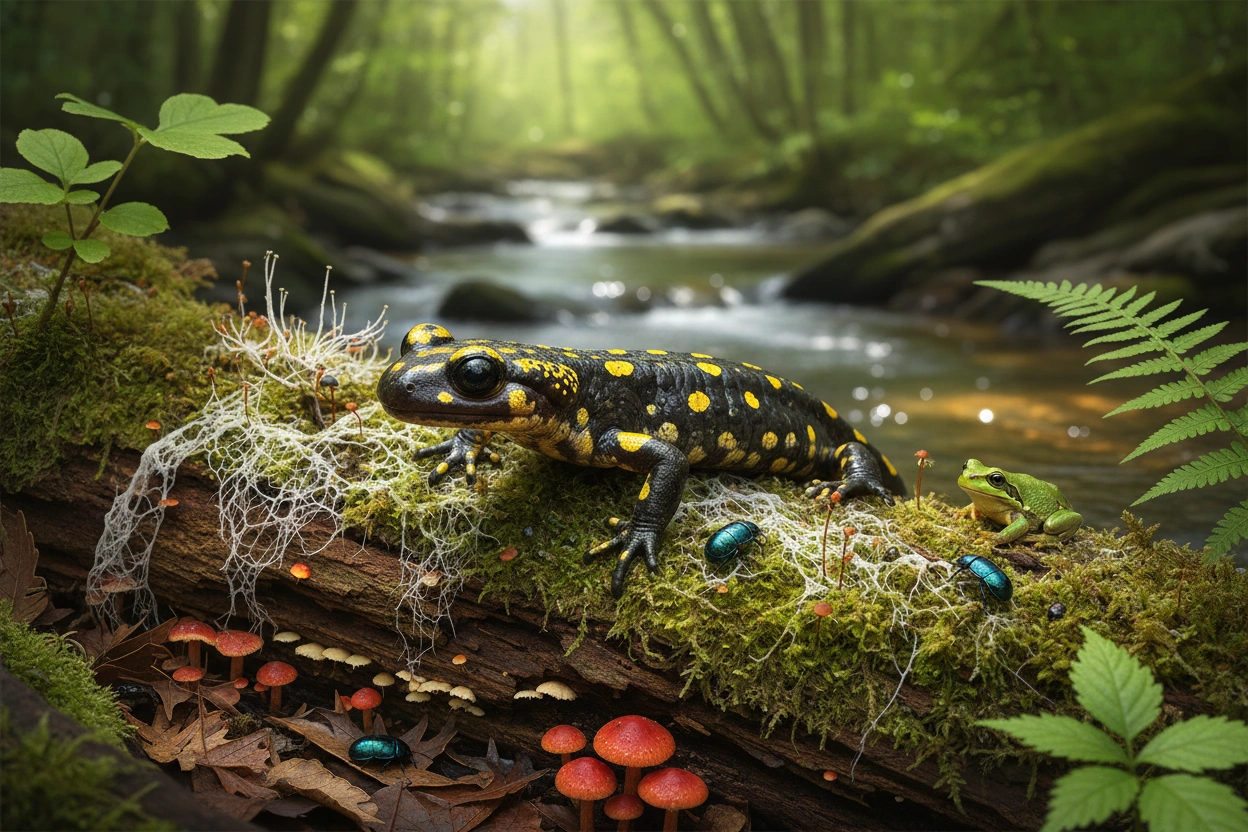
Salamanders play a vital role in maintaining the health of ecosystems. As both predators and prey, they contribute to the balance of food webs. Their presence indicates a healthy environment, as they are sensitive to changes in habitat quality and pollution.
Salamanders serve as bioindicators, meaning their health reflects the overall condition of their environment. Because they are permeable to toxins through their skin, a decline in salamander populations can signal ecological issues, prompting conservation actions.
Salamanders also contribute to nutrient cycling in their habitats. By feeding on insects and other small organisms, they help regulate populations of these species, which can otherwise become pests. Their decomposition after death enriches the soil, providing essential nutrients for plant growth.
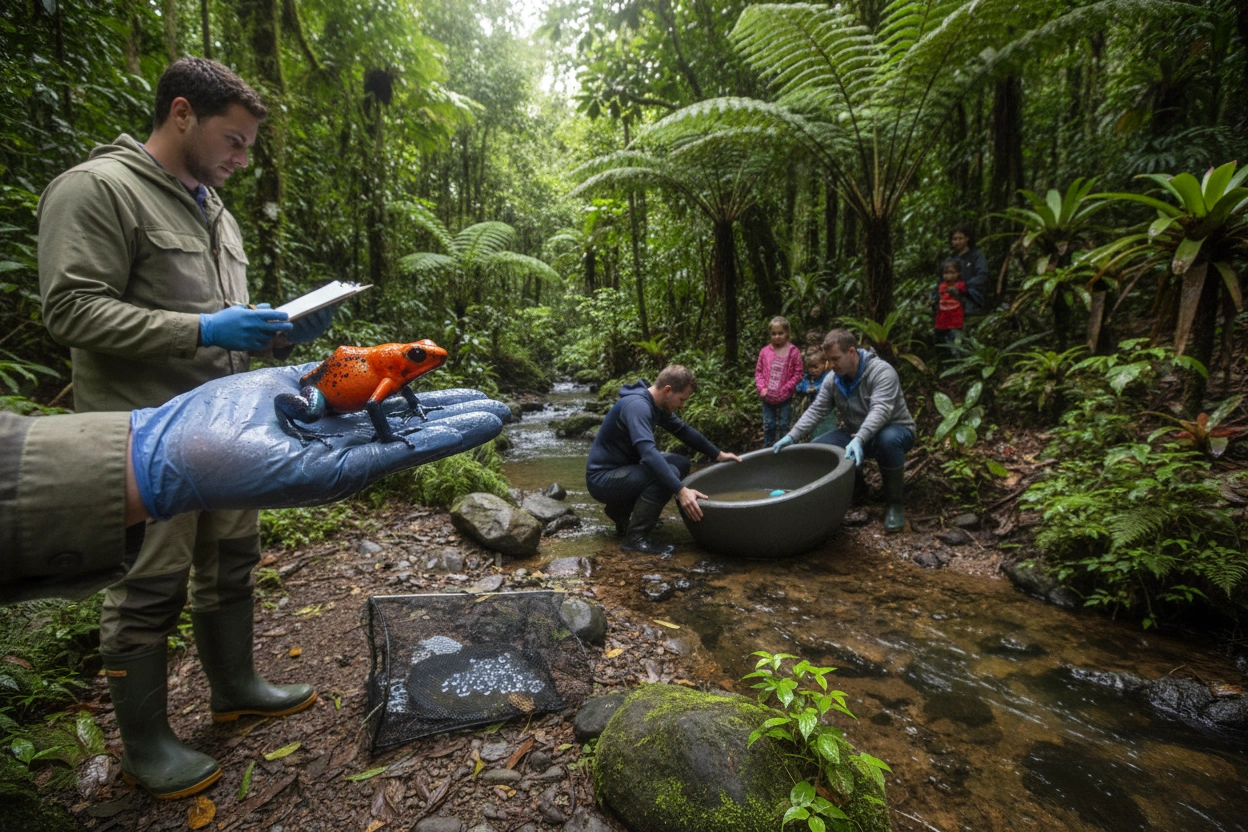
As amphibians face numerous threats, various conservation initiatives are underway to protect their populations and habitats. Here are ten notable conservation efforts that individuals and organizations can support:
Restoring natural habitats is critical for amphibian survival. Organizations work to rehabilitate wetlands, forests, and other ecosystems to ensure that salamanders have suitable environments to thrive.
Captive breeding programs are essential for endangered species like the California Tiger Salamander and the Axolotl. These initiatives aim to increase population numbers and reintroduce animals into their natural habitats.
Supporting policies that protect amphibians and their habitats is vital. Advocacy groups work to influence legislation related to land use, pollution control, and conservation funding.
Investing in research helps scientists understand amphibian biology, ecology, and the impacts of environmental changes. Funding research initiatives can lead to better conservation strategies.
Educational programs raise awareness about the importance of amphibians and the threats they face. Community involvement can foster a sense of responsibility towards protecting these unique creatures.
Engaging the public in monitoring amphibian populations can provide valuable data for researchers. Citizen science programs often involve volunteers in field surveys and data collection.
Invasive species pose significant threats to amphibians. Conservation efforts that focus on managing and controlling these species are crucial for protecting native salamander populations.
Reducing pollution in waterways and habitats is vital for amphibian health. Supporting initiatives aimed at cleaner water and sustainable land practices can significantly impact their survival.
Addressing climate change is crucial for amphibian conservation. Supporting policies and practices that aim to reduce greenhouse gas emissions can help protect salamander habitats from temperature and moisture changes.
Collaborating with local governments can lead to effective conservation strategies. These partnerships can help integrate amphibian protection into urban planning and land use policies.
Despite their ecological significance, several misconceptions about salamanders persist. Addressing these can promote better understanding and conservation efforts.
Many people confuse salamanders with snakes due to their elongated bodies. However, salamanders are amphibians with distinct physiological characteristics, including moist skin and a reliance on water for reproduction.
While some salamanders produce toxins, not all are harmful to humans. Understanding which species are toxic and which are safe can help dispel fears and promote appreciation for these creatures.
Many species of salamanders are indeed endangered or threatened due to habitat loss, climate change, and pollution. Raising awareness about their vulnerability is crucial for their conservation.
Frog habitats often overlap with those of salamanders, making the conservation of these environments critical for both groups.
Wetlands serve as vital habitats for many amphibians, including frogs and salamanders. Preserving these areas ensures that both groups have access to breeding sites and abundant food sources.
Frogs and salamanders often share similar ecological roles, such as pest control and nutrient cycling. Protecting their habitats helps maintain the balance of these ecosystems, benefiting all species involved.
Efforts to protect frog habitats, such as creating buffer zones around wetlands and implementing sustainable land-use practices, directly benefit salamanders. Collaborative conservation strategies can enhance the survival of both groups.
Looking ahead, the future of salamander conservation will depend on a combination of scientific research, community involvement, and effective policy-making.
Involving young people in conservation efforts can foster a lifelong appreciation for amphibians. Educational programs that emphasize hands-on experiences with salamanders and their habitats can inspire future conservationists.
Advancements in technology, such as environmental DNA (eDNA) sampling, can improve monitoring efforts for salamander populations. These tools allow researchers to gather data more efficiently and effectively.
Global collaborations are essential for addressing the widespread threats facing salamanders. By sharing knowledge and resources, conservation organizations can implement more effective strategies across borders.
The relationship between amphibians, particularly salamanders, and conservation efforts is vital for sustaining biodiversity. As we have explored, understanding the various types of salamanders, their ecological roles, and the conservation challenges they face is crucial for promoting their survival.
In this context, organizations like the Banana Slug Club play an essential role in fostering awareness and supporting conservation initiatives. By getting involved, individuals can contribute to preserving these unique amphibians and their habitats.
As you delve deeper into the world of amphibians, consider taking action to support conservation efforts. Whether through donating to habitat restoration projects or participating in local educational initiatives, every effort counts.
To learn more about how you can help protect amphibians and support ongoing conservation efforts, visit the Banana Slug Club. Together, we can make a difference in ensuring the survival of these remarkable creatures for future generations.
Get free resources, early access to new features and updates.
No spam. Just fun educational emails!


.svg)
.svg)