Amphibians are a fascinating and diverse group of animals that play crucial roles in ecosystems worldwide. With over 8,000 species, they include frogs, toads, salamanders, and newts. These creatures are not only important for their ecological functions but also serve as indicators of environmental health. For beginners looking to understand these captivating animals, this guide will provide valuable insights into identifying common amphibian species, their habitats, and the conservation efforts necessary to protect them.
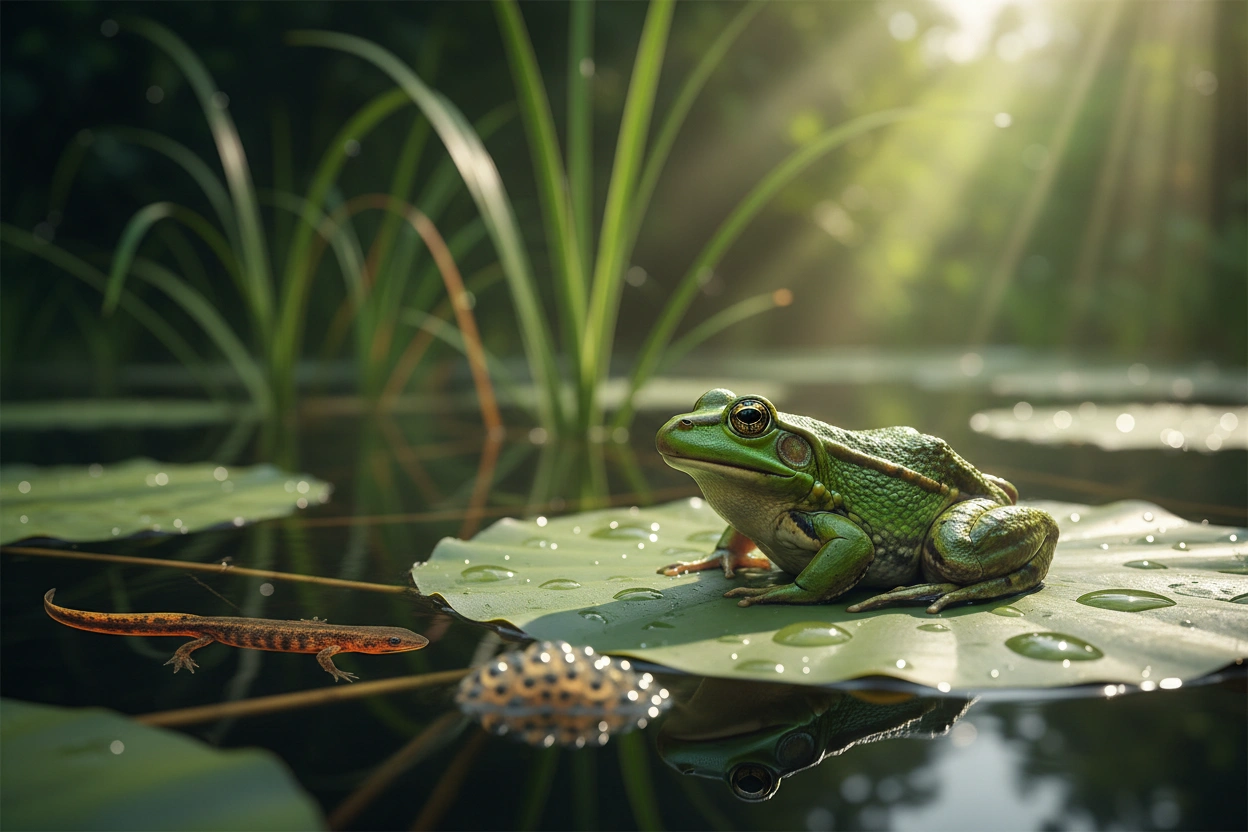
Amphibians are cold-blooded vertebrates that typically undergo metamorphosis from a juvenile aquatic stage to an adult terrestrial stage. They have unique skin that allows for respiration and moisture absorption, which makes them particularly vulnerable to environmental changes. Common characteristics of amphibians include:
Understanding these traits is crucial for identifying and appreciating various amphibian species.
Amphibians serve multiple roles within their ecosystems. They are crucial for pest control, as many species feed on insects and other invertebrates. Additionally, they act as prey for various predators, including birds, mammals, and reptiles, thus contributing to the food web. Their sensitivity to environmental changes makes them excellent bioindicators, alerting scientists and conservationists to issues like pollution and climate shifts.

When identifying amphibians, consider the following characteristics:
Here are some of the most commonly encountered amphibians:
American Bullfrog (Lithobates catesbeianus)
Eastern Gray Tree Frog (Hyla versicolor)
Common Toad (Bufo bufo)
Red-Eyed Tree Frog (Agalychnis callidryas)
Spotted Salamander (Ambystoma maculatum)
Understanding the habitats of amphibians is essential for proper identification and conservation. Common frog habitats include:

With amphibian populations declining globally, supporting conservation efforts is vital. Here are ten impactful initiatives:
Habitat Restoration
Pollution Control
Captive Breeding Programs
Public Education Campaigns
Legislation and Policy Advocacy
Research and Monitoring
Invasive Species Management
Community Engagement
Sustainable Land Use Practices
Support for Organizations
A prevalent misconception is that all amphibians are poisonous or dangerous. While some species possess toxins, most are harmless to humans and play essential roles in their ecosystems.
Another common myth is that amphibians are resilient to climate change. In reality, amphibians are highly sensitive to temperature and moisture changes, making them vulnerable to climate shifts.
While many amphibians prefer wet habitats, some species can thrive in drier environments. Understanding the diversity of amphibian habitats is crucial for their conservation.
The Banana Slug Club is dedicated to promoting awareness and conservation of amphibians and their habitats. By providing resources and support for educational initiatives, the club fosters a deeper understanding of these creatures among the public.
You can contribute to amphibian conservation efforts in various ways:
Amphibians are extraordinary creatures that enrich our ecosystems and offer a glimpse into the delicate balance of nature. By learning to identify common species and understanding their habitats, you can play a role in their conservation. The Banana Slug Club provides resources and opportunities to engage in amphibian conservation efforts.
If you're passionate about protecting amphibians and want to learn more about how you can contribute, visit the Banana Slug Club today. Together, we can make a difference for these vital species and their habitats.
Get free resources, early access to new features and updates.
No spam. Just fun educational emails!


.svg)
.svg)