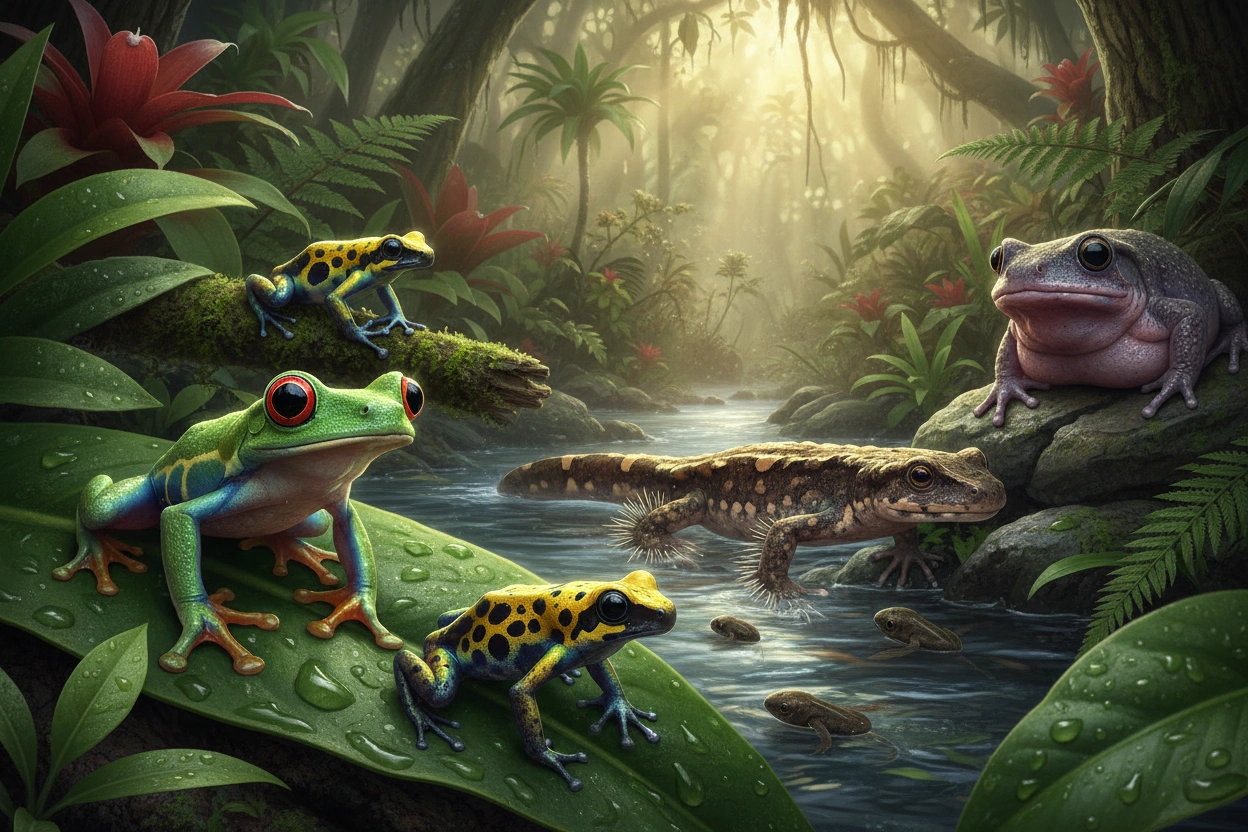
Amphibians, a diverse group of cold-blooded vertebrates, are vital components of our ecosystems. However, they are among the most threatened animals on the planet, with over 40% of amphibian species facing extinction. Factors such as habitat destruction, climate change, pollution, and disease have drastically reduced their populations. This article aims to provide a comprehensive overview of endangered amphibians, their importance, and actionable steps you can take to contribute to their conservation.
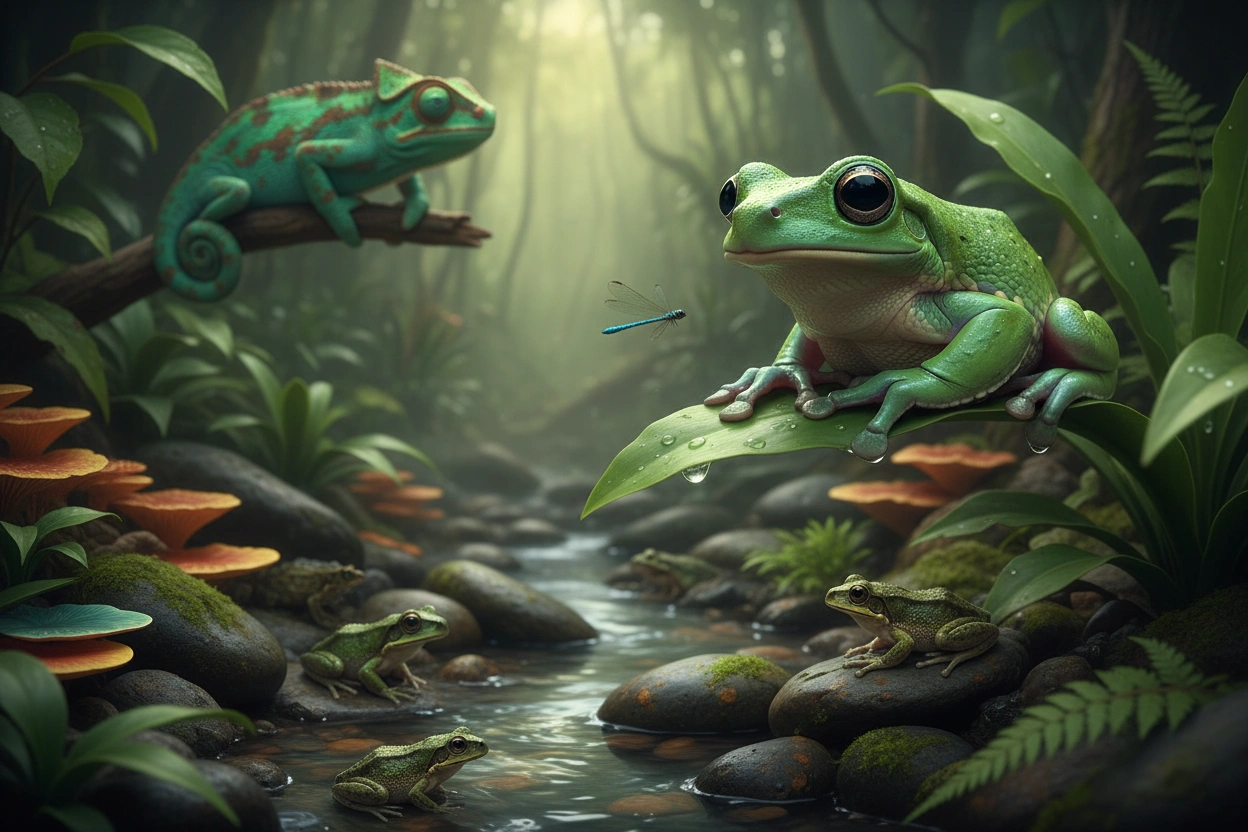
Amphibians play several crucial roles in their ecosystems. They serve as both predators and prey, helping to maintain the balance of insect populations and providing food for various other species. Additionally, amphibians are indicators of environmental health, as their permeable skin makes them highly sensitive to pollutants and changes in their habitat.
The decline in amphibian populations is alarming not only for biodiversity but also for human well-being. Healthy amphibian populations can mitigate pest problems, thereby reducing the need for chemical pesticides that can harm other wildlife and ecosystems. Their loss can lead to cascading effects throughout the food web.
Amphibians are characterized by their unique life cycle, which typically includes a metamorphosis from an aquatic larval stage to a terrestrial adult form. This dual-life strategy allows them to exploit both aquatic and terrestrial environments, making them adaptable in various habitats. Common types of amphibians include frogs, toads, salamanders, and caecilians, each with distinct adaptations to their environments.
The physiology of amphibians also allows them to thrive in diverse ecosystems. For instance, their skin can absorb water and oxygen, making it crucial for survival in moist environments. However, this characteristic also makes them vulnerable to environmental changes, such as pollution and habitat loss.
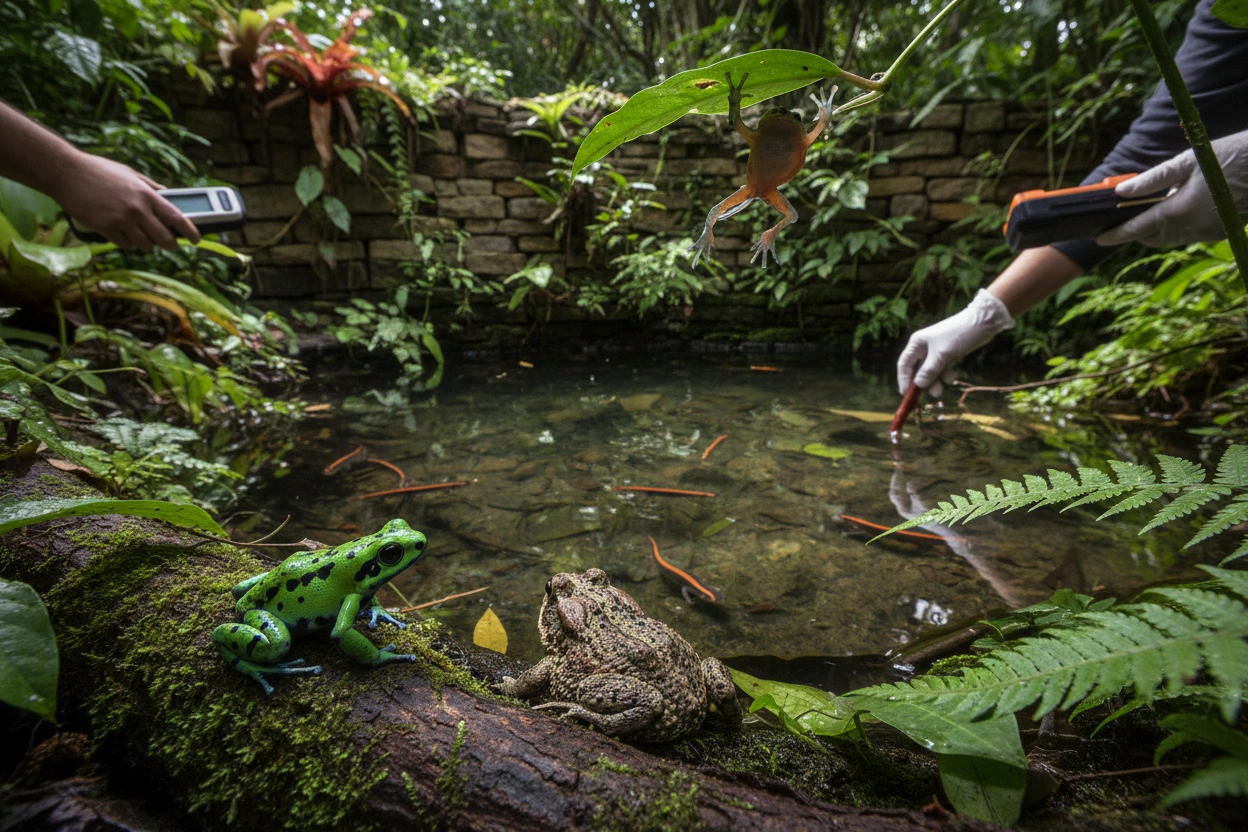
Supporting amphibian conservation is vital to protecting these remarkable creatures. Here are ten significant conservation efforts you can get involved with or support:
Habitat Restoration Projects
Captive Breeding Programs
Research and Monitoring Initiatives
Community Education and Outreach
Disease Management Programs
Legislation and Policy Advocacy
Sustainable Agriculture Initiatives
Wildlife Corridors and Connectivity Projects
Citizen Science Programs
Adoption and Sponsorship Programs
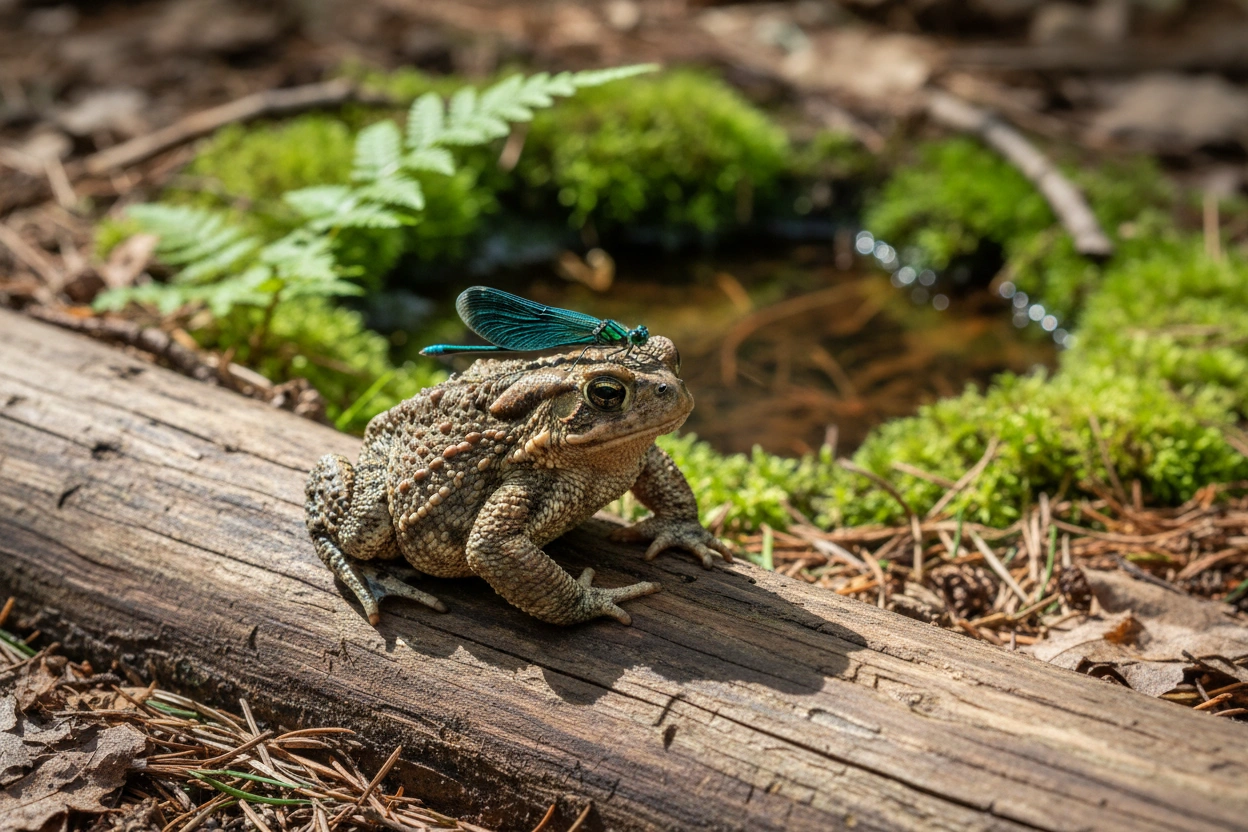
Despite their ecological significance, many misconceptions about amphibians persist. Addressing these can foster a more profound respect and understanding of these creatures.
A common misconception is that amphibians only include frogs and toads. While these are the most recognized members, amphibians also encompass salamanders and caecilians. Each group plays a unique role in their ecosystems and faces different conservation challenges.
Some may believe that the decline of amphibians will not significantly impact ecosystems. However, amphibians are critical for controlling insect populations and serving as prey for various animals. Their decline can lead to unchecked insect populations and disruptions in food webs.
While some amphibians possess toxins as a defense mechanism, not all are poisonous. Many species have developed unique adaptations to survive in their environments without relying on toxins. Understanding these differences is essential for appreciating amphibian diversity.
Getting involved in amphibian conservation can be a fulfilling and impactful endeavor. Here are some actionable steps to consider:
Many local organizations focus on amphibian conservation efforts. Volunteering your time can help with habitat restoration, community education, and research initiatives. Look for organizations in your area that align with your interests.
Citizen science projects are a fantastic way to contribute to amphibian conservation while learning more about these creatures. Websites such as iNaturalist allow you to document and share amphibian sightings, aiding researchers in tracking populations.
Understanding amphibian biology, ecology, and the threats they face is crucial for effective advocacy. Consider attending workshops or reading up on amphibian conservation. Sharing this knowledge with friends and family can help raise awareness.
Stay informed about local and national policies affecting amphibian habitats. Advocacy can take many forms, from writing letters to policymakers to participating in rallies that support environmental protections.
Consider donating to reputable organizations dedicated to amphibian conservation. Your financial support can help fund critical research, habitat restoration, and public education efforts.
The future of amphibians depends on our actions today. While the challenges they face are significant, there are also opportunities for positive change. Collaborative efforts among scientists, conservationists, and the public can lead to effective strategies for protecting amphibians and their habitats.
Climate change poses a severe threat to amphibians. Shifts in temperature and precipitation patterns can disrupt breeding cycles and habitat availability. Addressing climate change through sustainable practices and supporting renewable energy initiatives can mitigate these impacts.
Urbanization and agricultural expansion continue to threaten amphibian habitats. Supporting land-use policies that prioritize habitat conservation can help protect these vital ecosystems. Community involvement in local land-use planning can also promote sustainable practices.
As previously mentioned, diseases like chytridiomycosis have devastated amphibian populations. Research into disease management and prevention is crucial for the survival of many species. Supporting organizations focused on this research can aid in developing effective strategies.
The fight for amphibian conservation is not just a scientific endeavor but a community one. Engaging local communities in conservation efforts can foster a sense of stewardship and responsibility towards these creatures. Programs that involve local residents in monitoring and protecting amphibians can create lasting change.
Grassroots movements can amplify voices advocating for amphibian protection and environmental sustainability. Local initiatives can lead to broader policy changes that benefit amphibians and other wildlife.
As individuals and communities rally together, the potential for positive impact grows. Every action, no matter how small, contributes to the larger goal of preserving amphibian populations for future generations.
The Banana Slug Club is dedicated to promoting awareness and action surrounding amphibian conservation. By joining this community, you can stay informed about ongoing projects, participate in conservation efforts, and connect with like-minded individuals passionate about protecting amphibians.
Visit the Banana Slug Club to learn more about how you can contribute to amphibian conservation and make a difference in your community. Your involvement can help ensure that future generations inherit a world where amphibians continue to thrive.
Get free resources, early access to new features and updates.
No spam. Just fun educational emails!


.svg)
.svg)