Understanding the health of reptiles is paramount for any owner who wishes to provide the best care possible for their pets. Reptiles, which include a diverse range of species such as snakes, lizards, turtles, and tortoises, have unique health needs that can often go unnoticed until they become serious issues. As a responsible reptile owner, being vigilant about these signs can make a significant difference in your pet's well-being. This article will guide you through the key health indicators every reptile owner should monitor, along with a look at the top endangered reptile species and their conservation.
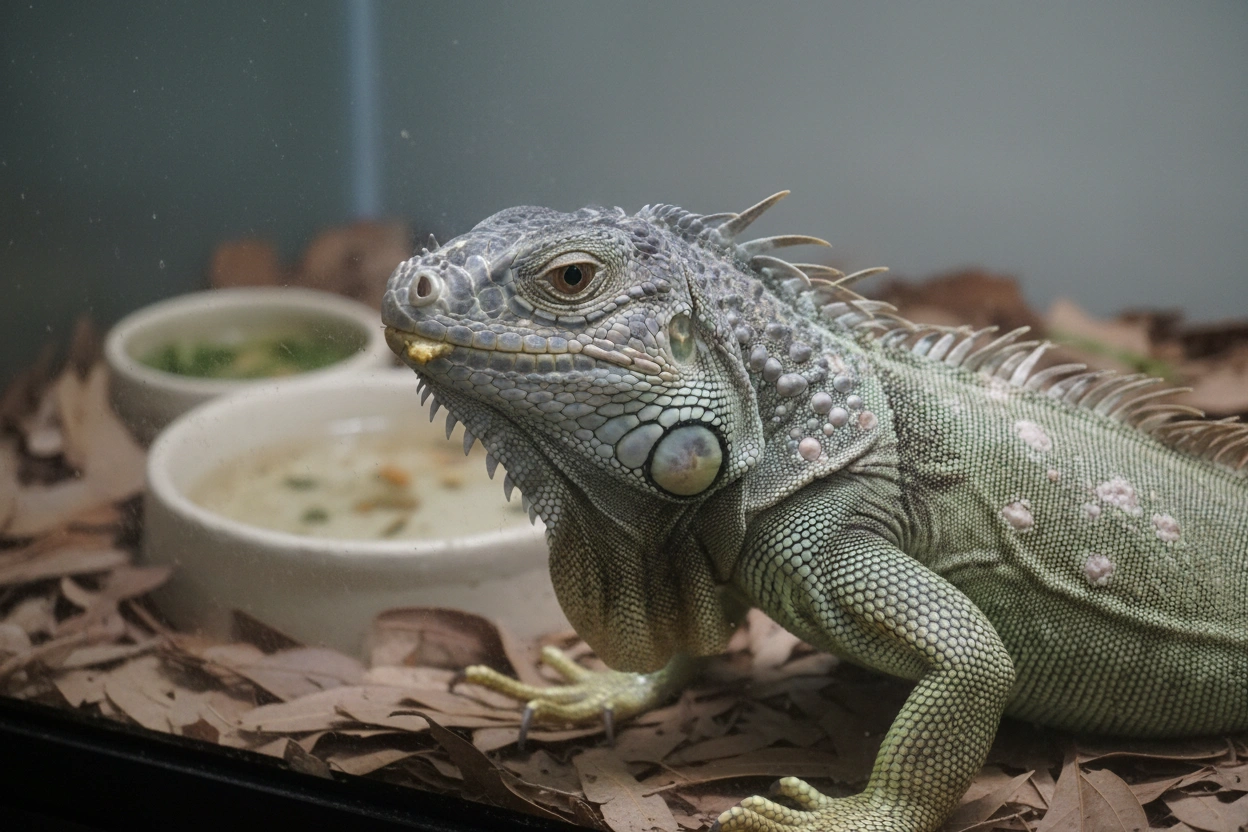
Reptiles are known for their stoic behavior, often masking signs of illness until they are quite advanced. This can lead to situations where owners may not realize their pet is unwell until it is too late. Here are some of the most common signs of illness that every owner should watch for:
One of the first indicators that something may be wrong with your reptile is a change in eating habits. A healthy reptile will typically have a consistent feeding routine, and any deviation from this can be a cause for concern.
Behavior is a critical aspect of reptile health. Changes in behavior can often be the first sign of health issues.
Observing physical symptoms is vital for early detection of potential health issues. Look for the following signs:
Respiratory health is crucial for reptiles. Signs of respiratory distress include:

The environment in which your reptiles live plays a significant role in their health. Poor habitat conditions can lead to stress and illness. Here are some key aspects to monitor:
Maintaining proper temperature and humidity levels is essential for reptile health. Different species have specific requirements, but general guidelines include:
A clean habitat is vital for preventing disease. Regular maintenance should include:
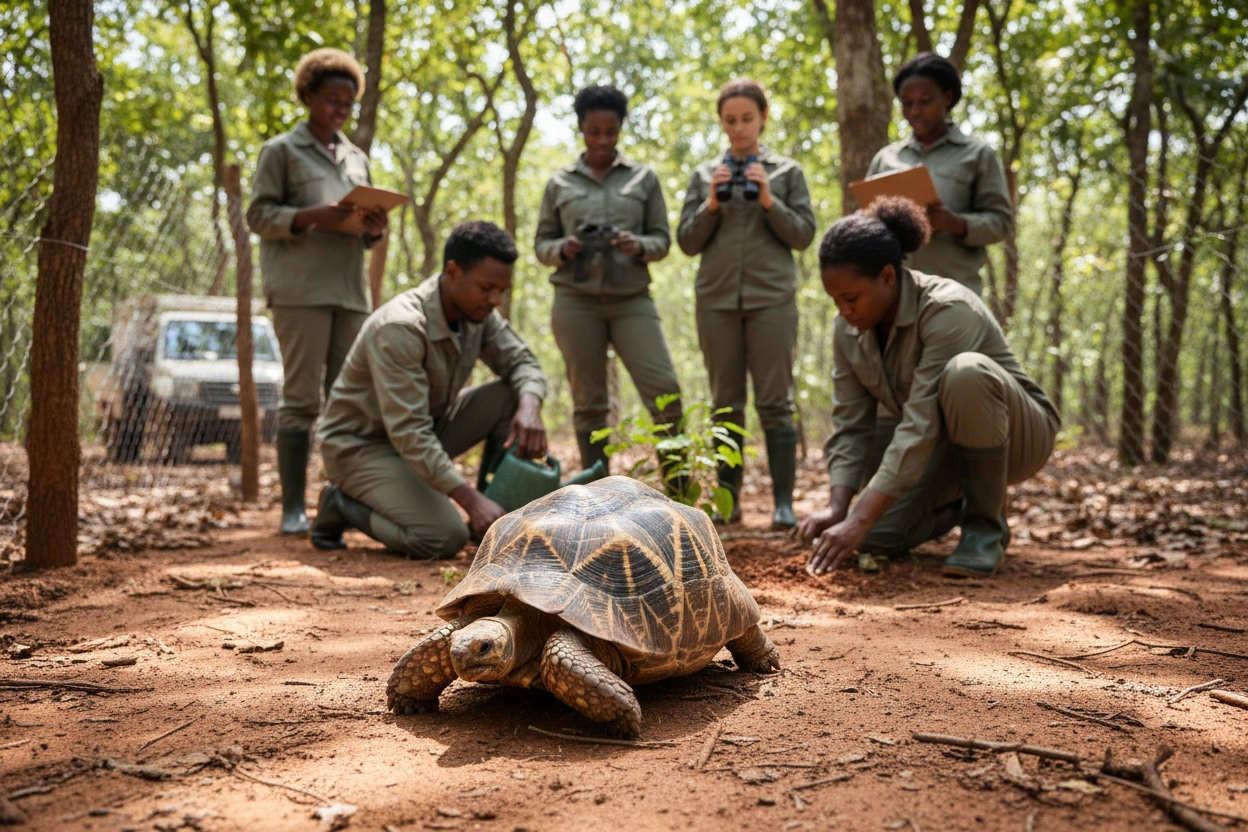
The plight of endangered reptile species is a pressing concern for conservationists and animal lovers alike. Here are ten of the most critically endangered reptiles and the conservation efforts aimed at protecting them:
Hawksbill Turtle (Eretmochelys imbricata)
Bornean Sea Turtle (Chelonia mydas)
Chinese Alligator (Alligator sinensis)
Gharial (Gavialis gangeticus)
Panamanian Golden Frog (Atelopus zeteki)
Psychedelic Rock Gecko (Cnemaspis psychedelica)
Iguana del Caribe (Ctenosaura pectinata)
Saint Lucia Racer (Erythrolamprus ornatus)
Javan Gharial (Gavialis gangeticus)
Australian Snakes (Various species)
Conservation efforts for these endangered reptiles often involve collaboration between governments, non-profit organizations, and local communities to ensure their survival. Awareness and education are essential in fostering a sense of responsibility toward these species.
As reptile ownership becomes more popular, several misconceptions can lead to improper care. Addressing these misunderstandings is crucial for the health of these animals.
Many owners mistakenly believe that reptiles do not require regular veterinary check-ups. In reality, reptiles can suffer from various health issues, many of which are preventable or treatable with early intervention. Routine veterinary visits are essential for maintaining their health.
While reptiles can be easier to care for than some pets, they require specific care tailored to their species. This includes proper diet, habitat conditions, and social interaction. Failing to meet these needs can lead to health problems.
Just because a reptile appears outwardly healthy does not mean it is free from disease. Many health issues, especially internal parasites or metabolic disorders, may not present visible symptoms until they are advanced. Regular monitoring and veterinary care are crucial.
To ensure the health and well-being of your reptiles, consider implementing these best practices:
Education is a fundamental aspect of responsible reptile ownership. Understanding the unique needs of reptiles helps owners provide better care and fosters a more profound appreciation for these fascinating creatures. Resources such as books, reputable websites, and local herpetological societies can offer valuable insights into reptile care and conservation.
The health and well-being of reptiles are paramount for any owner looking to provide the best care. By staying informed and vigilant about the signs of illness, you can ensure that your reptiles thrive in their environments. The Banana Slug Club is dedicated to educating reptile owners and promoting best practices in care and conservation.
For those seeking further information on reptile health or looking to get involved in conservation efforts, feel free to reach out. Visit Banana Slug Club to learn more about caring for your reptiles and how you can contribute to the well-being of endangered species.
Get free resources, early access to new features and updates.
No spam. Just fun educational emails!


.svg)
.svg)