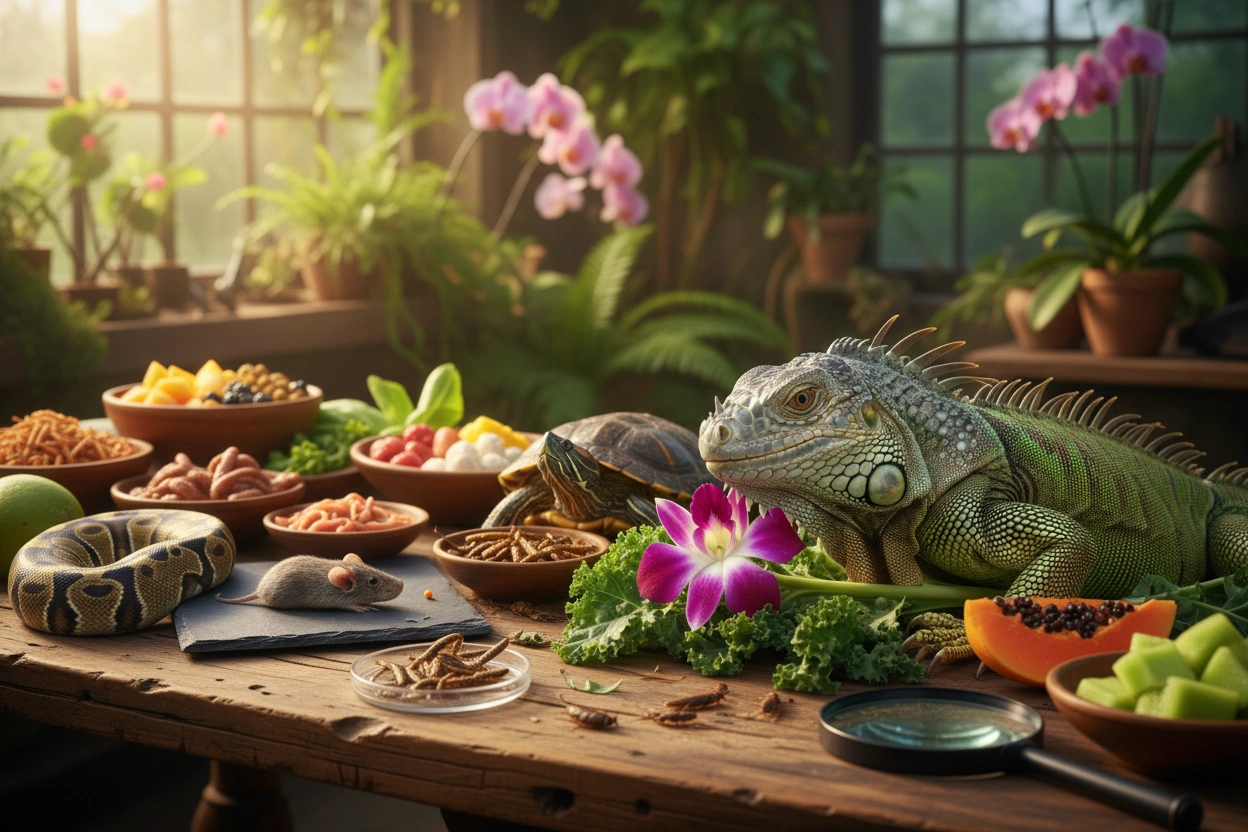
Reptiles are a diverse group of animals that inhabit various ecosystems around the globe. Understanding their dietary needs is crucial for anyone who keeps them as pets or is involved in conservation efforts, especially for endangered reptiles. Proper nutrition not only supports their health and longevity but also plays a significant role in their behavioral well-being. This article delves into the essential aspects of reptile diets, providing insights and guidelines for feeding them optimally.
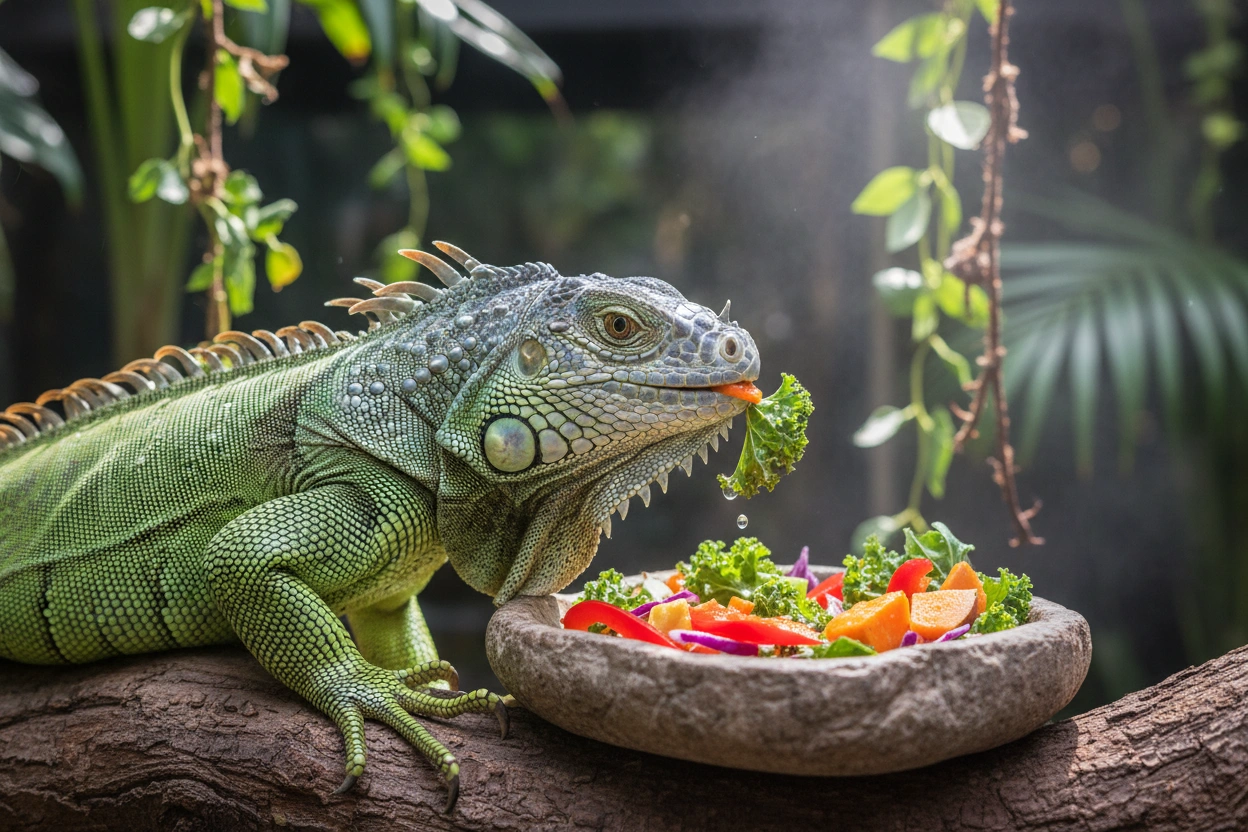
Reptiles are ectothermic creatures, meaning their body temperature is regulated by external sources. This unique characteristic impacts their metabolic rates, digestive processes, and overall health. Providing a balanced diet tailored to their specific needs is vital for maintaining their physiological functions and preventing health issues.
An inadequate diet can lead to various health problems, including metabolic bone disease, obesity, and other nutritional deficiencies. Each species of reptile has distinct dietary requirements based on their natural habitat, size, and age. For instance, herbivorous reptiles like iguanas require a diet rich in leafy greens, while carnivorous species such as snakes thrive on protein from rodents and insects. Understanding these requirements can help reptile owners provide the best care possible.
Despite the wealth of information available, several misconceptions about reptile diets persist. These misunderstandings can lead to improper care and health issues for reptiles. Here are a few common myths:
By debunking these myths, reptile owners can make informed decisions about their pets' diets.

When it comes to feeding reptiles, it is essential to tailor their diets to their specific needs. Below are key dietary components to consider for various types of reptiles.
Herbivorous reptiles, such as iguanas and tortoises, require a diet primarily composed of plant materials. Here are the essentials for their feeding:
Carnivorous reptiles, such as snakes and some lizards, thrive on a diet rich in animal protein. Key considerations include:
Omnivorous reptiles, such as box turtles and bearded dragons, require a combination of plant and animal matter. Their diet should include:
Supplements play a significant role in the diets of many reptiles, particularly those kept in captivity. Here are some common supplements:
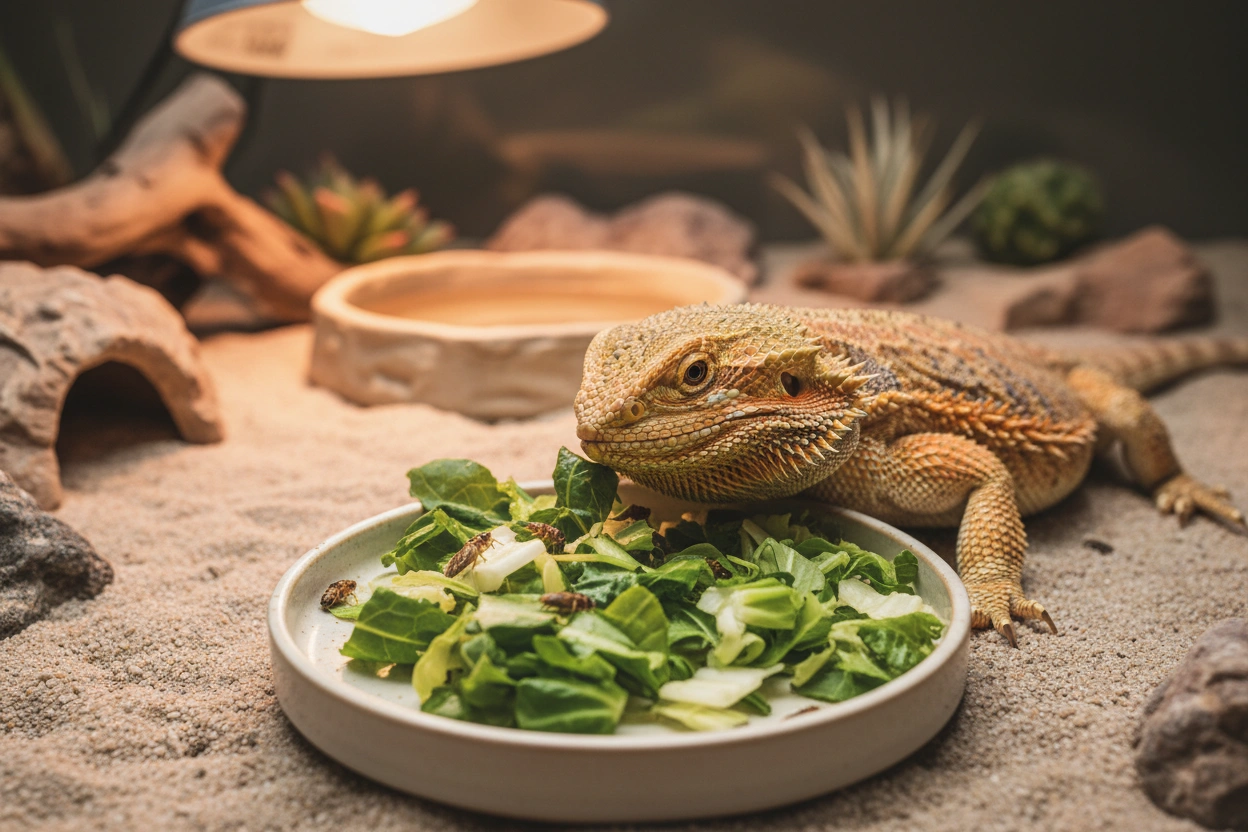
Adopting effective feeding strategies can significantly enhance the health and well-being of reptiles. Here are some actionable tips:
Creating a consistent feeding schedule helps regulate your reptile's metabolism and promotes healthy eating habits. Depending on the species and age, the frequency of feeding can vary:
Keeping track of what and how much your reptile eats can help identify any changes in appetite or health. Signs of potential issues include:
Hygiene is essential in reptile care. Ensure that feeding areas are clean and that food items are fresh. This helps prevent the growth of harmful bacteria and parasites. Here are some best practices:
Feeding strategies for endangered reptiles can differ significantly from those of common pet species. Conservationists and reptile keepers must consider the following:
Endangered reptiles often have diets that are closely tied to their natural habitats. Replicating these diets in captivity is crucial for their health. For example:
Research into the dietary needs of endangered reptiles is ongoing. Keeping abreast of the latest findings can help improve care standards. Participating in or supporting research initiatives can also contribute to the conservation of these species.
Working with veterinarians and reptile nutritionists can provide valuable insights into the dietary needs of endangered reptiles. They can offer tailored feeding plans that consider the unique challenges these reptiles face.
The diet of reptiles does not only influence their physical health but also their behavior. A well-fed reptile is generally more active, engages in natural behaviors, and exhibits better overall temperament. Conversely, improper diets can lead to lethargy, aggression, or stress.
Identifying signs of nutritional deficiencies early can prevent severe health issues. Common indicators include:
By closely monitoring these signs and adjusting diets accordingly, reptile owners can significantly enhance their pets' health and happiness.
The Banana Slug Club is dedicated to promoting education and awareness about reptiles and their care. By providing resources, workshops, and community outreach, the club helps enthusiasts and caretakers understand the complexities of reptile diets and health.
Through various educational programs, the Banana Slug Club offers valuable information on:
Engaging with the community is essential for fostering a deeper understanding of reptile care. The Banana Slug Club encourages participation in local events, volunteer opportunities, and educational seminars.
In summary, understanding the dietary needs of reptiles is fundamental for anyone involved in their care. Proper nutrition not only supports their physical health but also enhances their quality of life. By being informed and proactive, reptile owners can ensure their pets thrive.
For more insights into reptile care and to connect with like-minded individuals, consider exploring the resources offered by the Banana Slug Club. You can find valuable information on reptile diets, conservation efforts, and community events.
Unlock the secrets of reptile diets and promote optimal health for your pets. Visit Banana Slug Club to learn more about how you can contribute to the well-being of reptiles and become part of a community dedicated to their care.
Get free resources, early access to new features and updates.
No spam. Just fun educational emails!


.svg)
.svg)