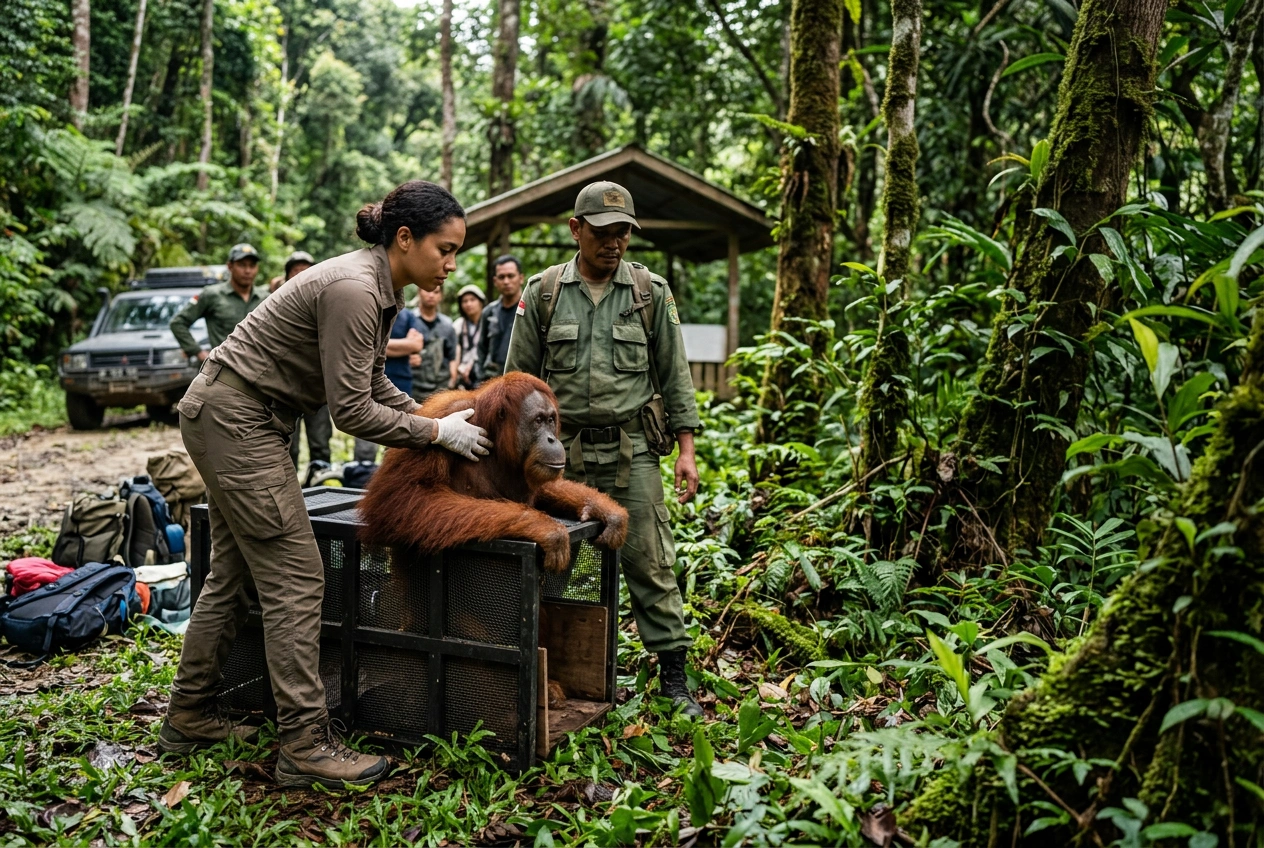
Creating an ideal habitat for reptiles is crucial for their health and wellbeing, especially for those venturing into the world of reptile care for the first time. Reptiles, being ectothermic creatures, require specific environmental conditions that mimic their natural habitats. This article will provide expert insights into how to set up these habitats effectively, while also covering common reptiles and discussing the top ten endangered reptile species along with their conservation efforts.
As of 2026, the awareness surrounding reptile care and conservation has grown, making it essential for beginner reptile owners to understand both the intricacies of habitat creation and the importance of protecting endangered species. This guide aims to equip you with practical tips and knowledge to ensure your reptiles thrive in a well-structured environment.

Reptile habitats should closely resemble the natural environments from which these animals originate. The key components of an ideal habitat include temperature control, humidity levels, substrate selection, and enrichment elements. Each species of reptile has its own unique requirements, so understanding these needs is the first step in creating a suitable habitat.
Maintaining appropriate temperature gradients is essential for the health of reptiles. Most reptiles require a warm basking area and a cooler area within their enclosure. Here are some critical aspects to consider:
Humidity is another critical factor, particularly for tropical and subtropical reptiles. The following methods can help maintain the right humidity levels:
Choosing the right substrate is vital for the health and comfort of reptiles. The substrate should provide a natural feel while being safe and easy to clean. Here are some options:
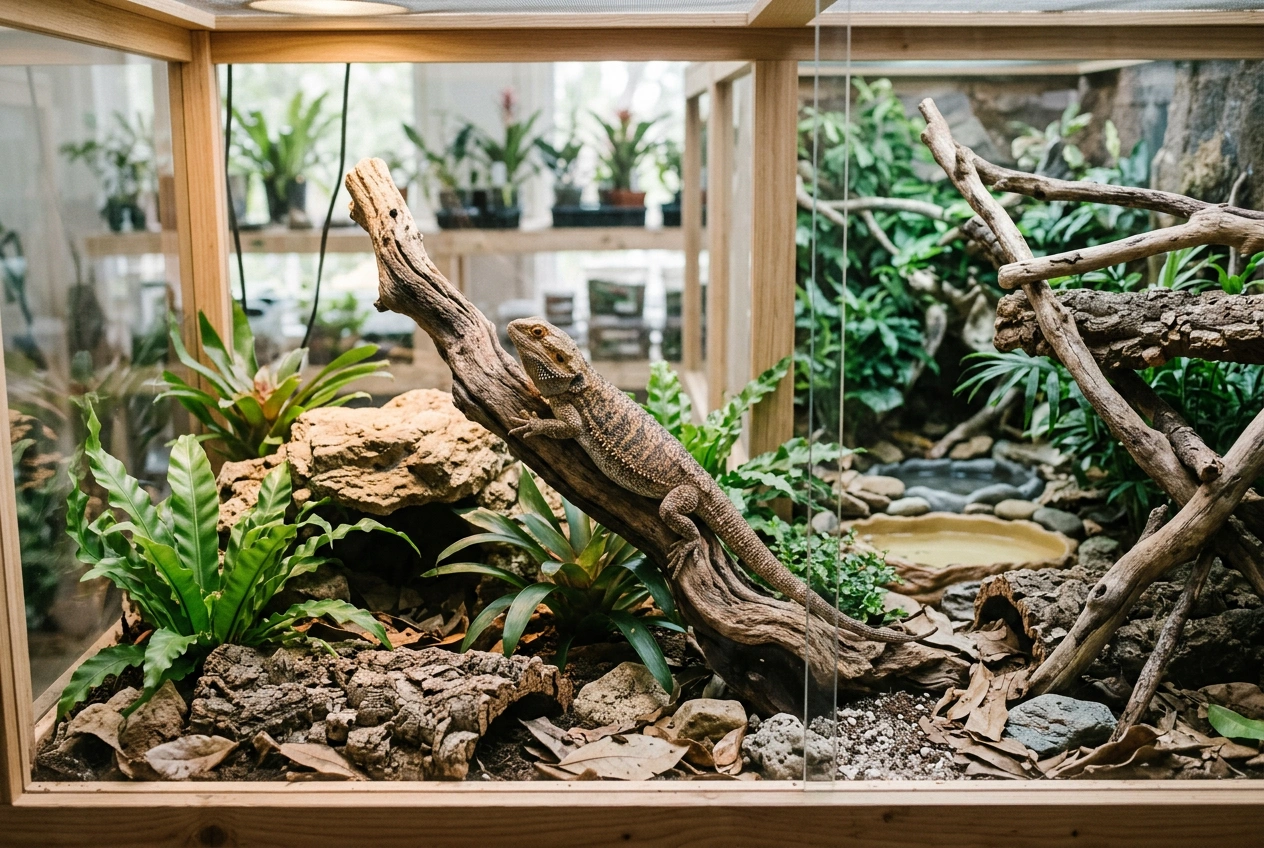
Enrichment is crucial for the mental and physical well-being of reptiles. Providing various elements will encourage natural behaviors and prevent stress. Consider these enrichment strategies: unique requirements regarding temperature.
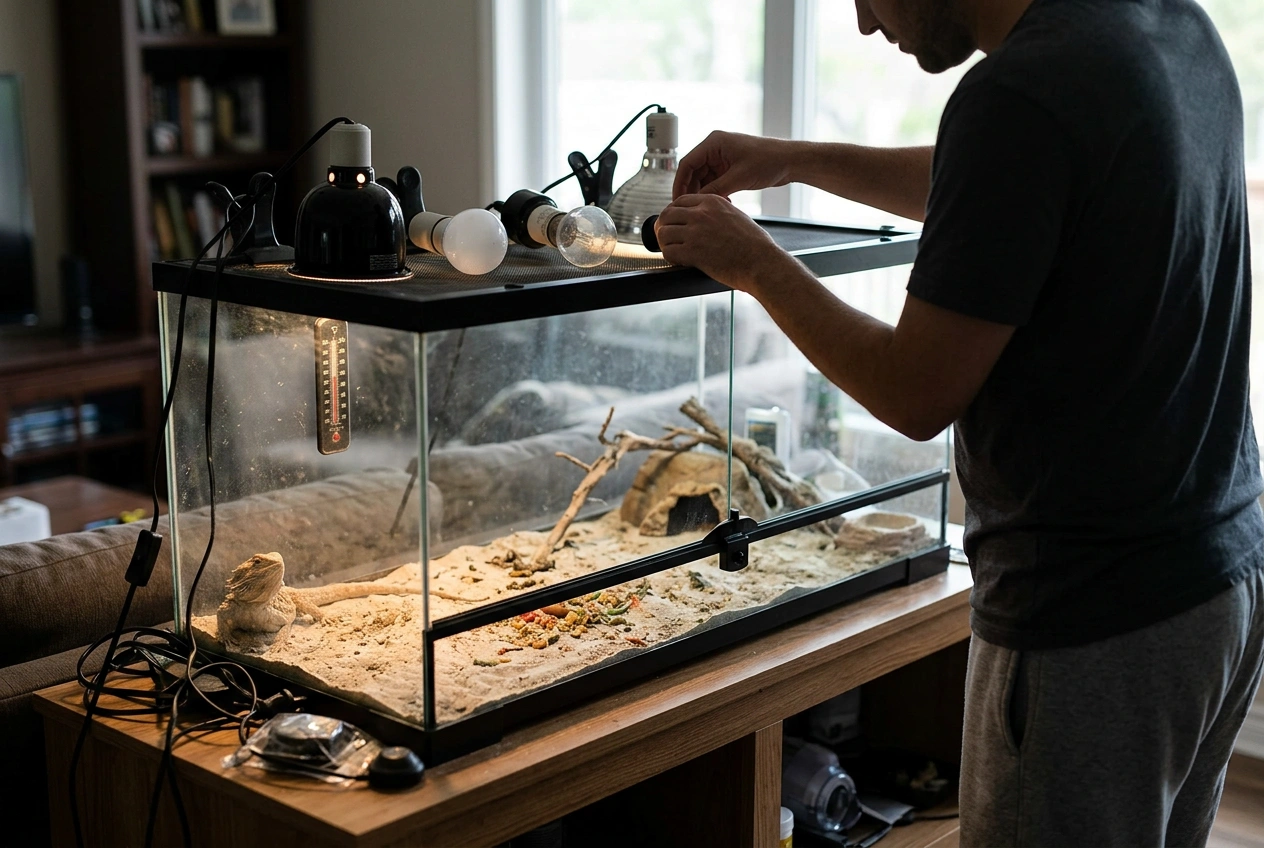
Setting up a reptile habitat can be daunting, and beginners often make critical mistakes that can harm their pets. Awareness of these common pitfalls can lead to better care.
Many new reptile owners underestimate the space requirements of their pets. Overcrowding can lead to stress and territorial disputes. Ensure that the habitat is spacious enough for the species and includes designated areas for basking, hiding, and roaming.
Each reptile species has unique requirements regarding temperature, humidity, and diet. Research the specific needs of your reptile to avoid creating an unsuitable environment. Utilize reputable resources or consult with reptile specialists to gather accurate information.
Maintaining a clean habitat is crucial for preventing disease. Regularly clean food and water dishes, remove waste, and replace substrate as needed. Establish a routine cleaning schedule to keep the habitat healthy.
As the world becomes increasingly aware of environmental issues, the conservation of endangered reptile species has gained attention. Here are ten endangered reptiles and insights into their conservation status:
This sea turtle is critically endangered due to habitat loss and illegal trade. Conservation efforts include protecting nesting sites and reducing bycatch in fishing.
Though often associated with mammals, the Sunda pangolin is critically endangered. Conservation efforts focus on anti-poaching initiatives and habitat protection.
This fish-eating crocodile is endangered due to habitat destruction and declining prey populations. Conservation includes habitat restoration and captive breeding programs.
Threatened by habitat loss and hunting, the Indian python's conservation involves habitat protection and public awareness campaigns.
This species is vulnerable due to habitat loss and hunting. Conservation efforts focus on habitat protection and establishing protected areas.
This species is endangered due to poaching and habitat degradation. Conservation efforts include nesting site protection and community engagement programs.
The largest of all turtles, leatherbacks are critically endangered. Conservation includes monitoring nesting sites and reducing marine pollution.
Threatened by habitat loss and the pet trade, conservation efforts focus on habitat restoration and regulations on trade.
This non-venomous snake is threatened by habitat loss. Conservation includes habitat protection and public education about the species.
This striking gecko is critically endangered due to habitat destruction. Conservation efforts focus on habitat preservation and sustainable tourism practices.
Creating a suitable habitat requires careful planning and execution. Follow these essential steps:
The conservation of reptiles and their habitats is crucial not only for the survival of these species but also for maintaining ecological balance. Organizations like Banana Slug Club play an essential role in educating the public about reptile care and conservation efforts.
By providing resources and support, Banana Slug Club helps promote responsible pet ownership and encourages involvement in conservation initiatives. If you're interested in learning more about reptile habitats or how you can contribute to conservation efforts, the Banana Slug Club offers numerous educational resources and community programs. conservation of reptiles and their habitats.
If you want to deepen your understanding of reptile care and contribute to their conservation, consider engaging with the Banana Slug Club. Visit Banana Slug Club to access valuable resources and get involved in community efforts to protect reptiles and their habitats. Your journey into the world of reptiles can be both fulfilling and impactful, and with the right knowledge and support, you can make a difference.
Get free resources, early access to new features and updates.
No spam. Just fun educational emails!