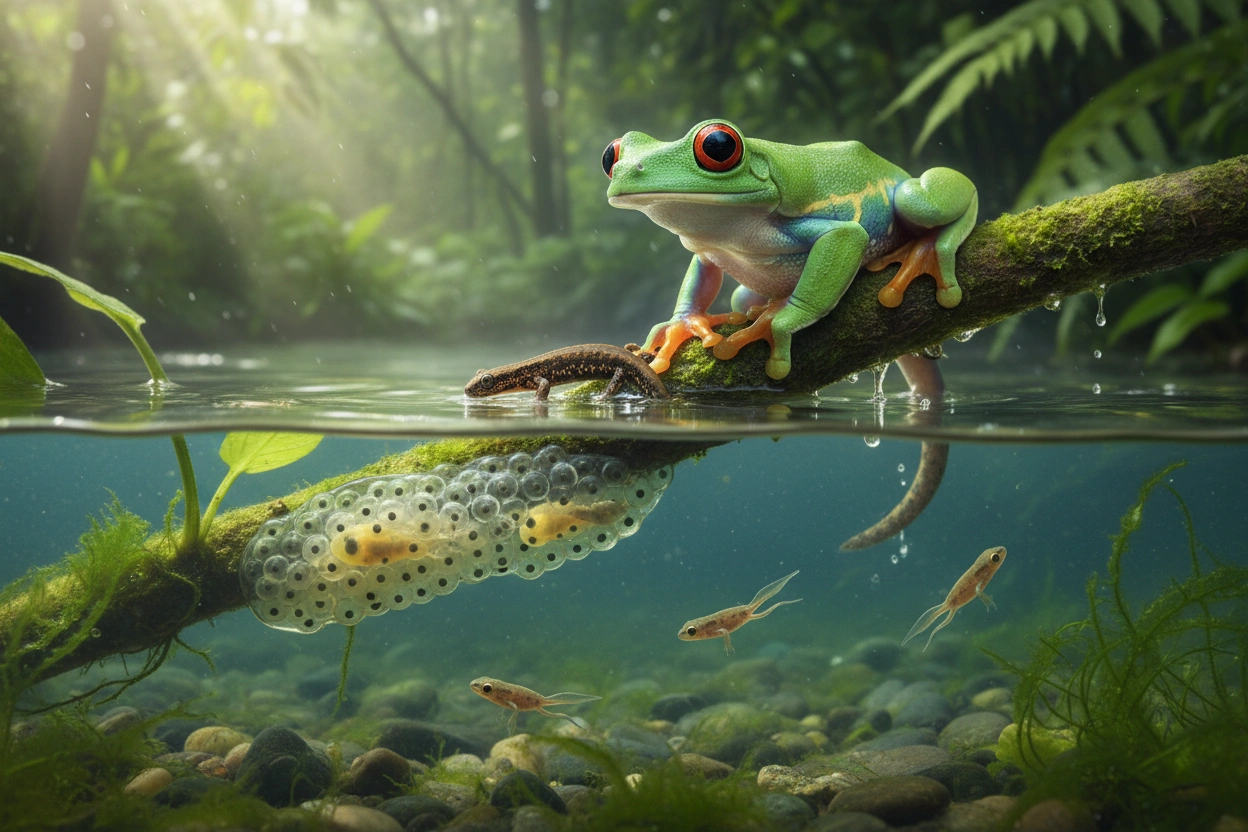
Choosing the right pet can be a daunting task, especially for beginners looking to venture into the world of reptiles. This guide aims to simplify the selection process by providing an in-depth comparative analysis of some of the best reptiles for beginners. Reptiles are often low-maintenance compared to traditional pets like dogs and cats, making them an appealing option. However, it's essential to understand their specific care needs, habitat requirements, and behavioral characteristics to ensure a successful ownership experience.
In 2026, the pet reptile market continues to grow, with various species gaining popularity among beginners. This article will cover the top reptiles suitable for beginners, common misconceptions about reptile care, and an overview of endangered reptile species and their conservation efforts. By the end, you'll have a comprehensive understanding of what it takes to care for these fascinating creatures and how to make an informed decision.
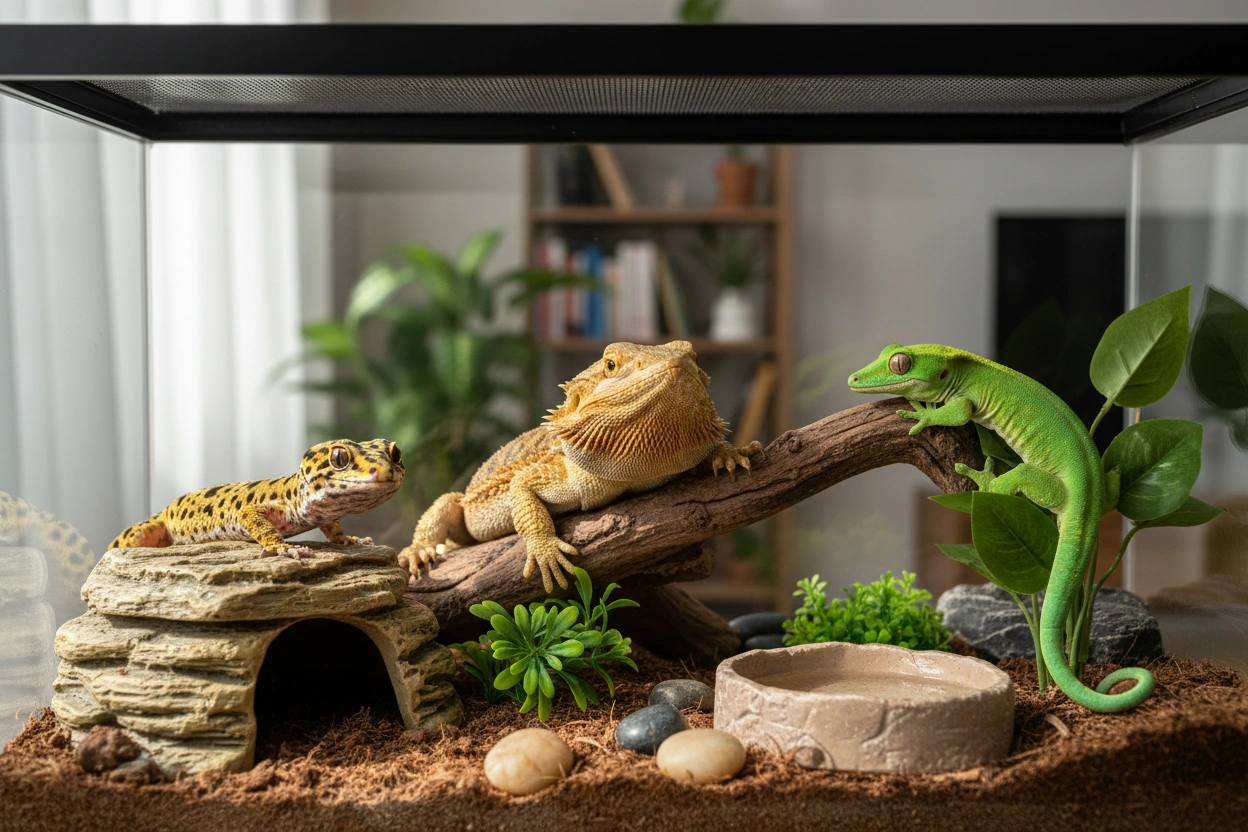
When selecting a pet reptile, it's crucial to consider factors such as size, temperament, and care requirements. Here are some of the common reptiles for beginners:
Bearded dragons are one of the most popular reptiles among beginners. These lizards are known for their friendly disposition and ease of care. They typically grow to about 18-24 inches long and can live for 10-15 years with proper care.
Leopard geckos are another excellent choice for novice reptile enthusiasts. They are relatively small, usually reaching lengths of 7-10 inches, and are known for their docile nature.
Corn snakes are a popular option for those interested in snakes. They are known for their striking colors and patterns, making them visually appealing. Corn snakes can grow to be 4-6 feet long and typically have a lifespan of 15-20 years.
For those interested in tortoises, the Russian tortoise is an excellent beginner option. These tortoises are small, typically growing to 8-10 inches, and can live for over 50 years.
Crested geckos are gaining popularity due to their unique appearance and ease of care. They typically grow to about 8-10 inches and have a lifespan of 15-20 years.
Ball pythons are renowned for their gentle temperament, making them suitable for beginners interested in snakes. They can reach lengths of 3-5 feet and have a lifespan of 20-30 years.
Green anoles are small, colorful lizards that are easy to care for. They typically grow to about 5-8 inches and have a lifespan of 3-7 years.
Blue-tongued skinks are friendly and easy to handle, making them great for beginners. They can grow up to 18-24 inches long and can live for over 15 years.
Similar to leopard geckos, African fat-tailed geckos are friendly and easy to care for. They typically grow to about 7-10 inches and have a lifespan of 15-20 years.
Uromastyx lizards are unique and relatively low-maintenance reptiles. They can grow to be 12-24 inches long and typically live for 15-20 years.
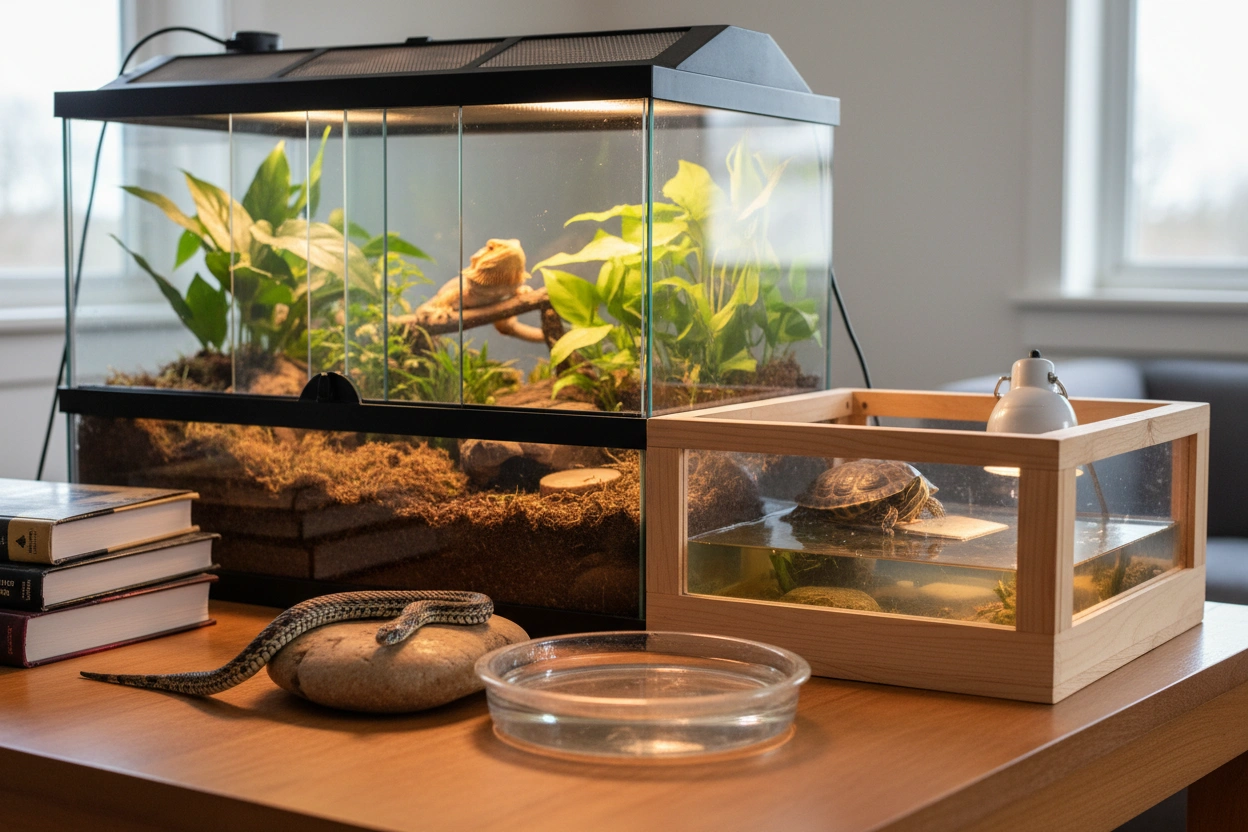
Despite their growing popularity, there are several misconceptions about keeping reptiles as pets. Understanding these misconceptions can help new owners provide better care.
While reptiles can be less demanding than dogs or cats, they still require a significant amount of care. Proper habitat setup, temperature control, and feeding schedules are essential for their health.
Not all reptiles are suited for handling. Some species may become stressed or aggressive if frequently handled. It’s important to choose a species known for its docile nature, especially for beginners.
Reptiles are often viewed as solitary creatures, but they still require interaction and stimulation. Regular handling and enrichment activities can help keep them mentally engaged and healthy.
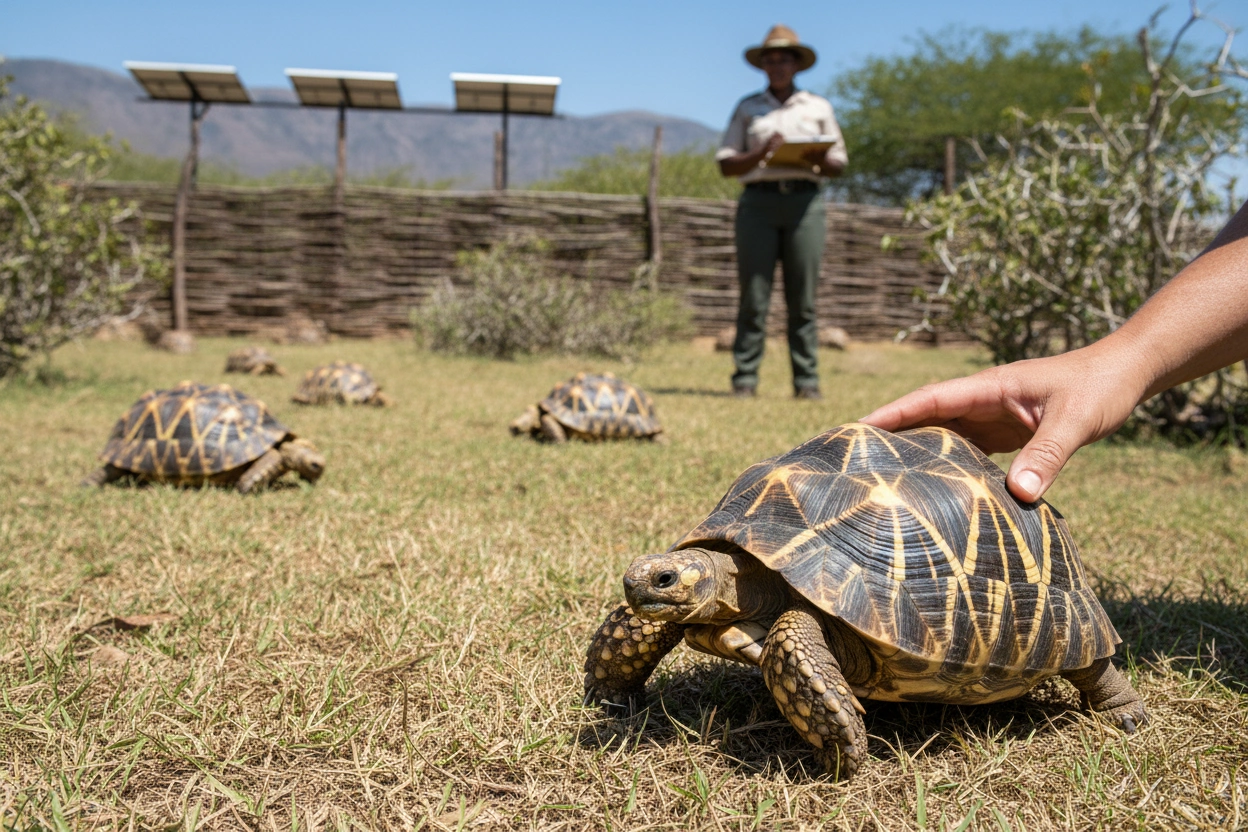
Understanding the plight of endangered reptiles is crucial for fostering an appreciation for these animals. Here are ten notable endangered reptile species and their conservation status:
The Hawksbill sea turtle is critically endangered due to habitat loss, poaching, and climate change. Conservation efforts focus on protecting nesting sites and reducing bycatch.
This fish-eating crocodile is critically endangered, primarily due to habitat loss and depletion of fish stocks. Conservation programs aim to restore habitats and raise awareness.
While primarily known as a mammal, the Bornean slow loris is often confused with reptiles due to its unique features. It is endangered due to habitat destruction and the illegal pet trade.
This critically endangered species faces threats from habitat loss and hunting. Conservation efforts include habitat restoration and community education programs.
The largest sea turtle species is critically endangered, primarily due to plastic pollution and climate change. Conservation initiatives focus on beach protection and public awareness campaigns.
This tortoise is critically endangered due to habitat loss and poaching. Conservation programs work to protect its natural habitat and educate local communities.
With only a few individuals left, this species is critically endangered. Conservationists are working tirelessly to breed them in captivity and restore their natural habitats.
Once believed extinct, this toad is critically endangered due to habitat destruction. Conservation efforts involve breeding programs and habitat restoration.
This tortoise is threatened due to habitat loss and the pet trade. Conservation measures include habitat protection and regulations on trade.
This species is endangered due to habitat loss and illegal collection. Conservation initiatives focus on habitat restoration and community engagement.
Conservation efforts for these endangered reptiles are critical, as they play essential roles in their ecosystems. Supporting organizations focused on reptile conservation can make a tangible difference in preserving these unique species for future generations.
Selecting the right reptile is essential for both the pet owner and the animal's well-being. Each species comes with its own set of care requirements, and understanding these needs is crucial for a successful pet ownership experience.
By thoroughly researching and understanding these factors, potential reptile owners can make informed decisions that benefit both themselves and their new pets. essential reptile care tips.
Joining reptile communities can provide valuable resources and support for new pet owners. Online forums, local clubs, and social media groups can offer advice, share experiences, and help new owners connect with others who share their passion.
Understanding the importance of reptile care extends beyond pet ownership; it plays a role in conservation efforts. By choosing to care for reptiles responsibly, owners can contribute to the overall awareness and appreciation of these animals.
Banana Slug Club is dedicated to fostering an understanding of reptiles and promoting conservation efforts. Through educational resources and community engagement, we aim to help individuals become informed reptile owners and advocates for endangered species.
For those looking to delve deeper into the world of reptiles and their conservation, exploring our resources can provide a wealth of information. Whether you are a beginner or an experienced reptile owner, Banana Slug Club is here to support you in your journey.
To learn more about caring for reptiles and supporting conservation efforts, visit Banana Slug Club. Your journey into the world of reptiles can begin today!
Get free resources, early access to new features and updates.
No spam. Just fun educational emails!


.svg)
.svg)