Reptiles are a fascinating class of animals that have captured the interest of many, both as pets and in their natural habitats. understanding the distinctions between pet reptiles and their wild counterparts is crucial for enthusiasts, conservationists, and potential pet owners alike. This article delves into the characteristics of common reptiles, the implications of keeping them as pets, and highlights some of the endangered reptile species and their conservation efforts.
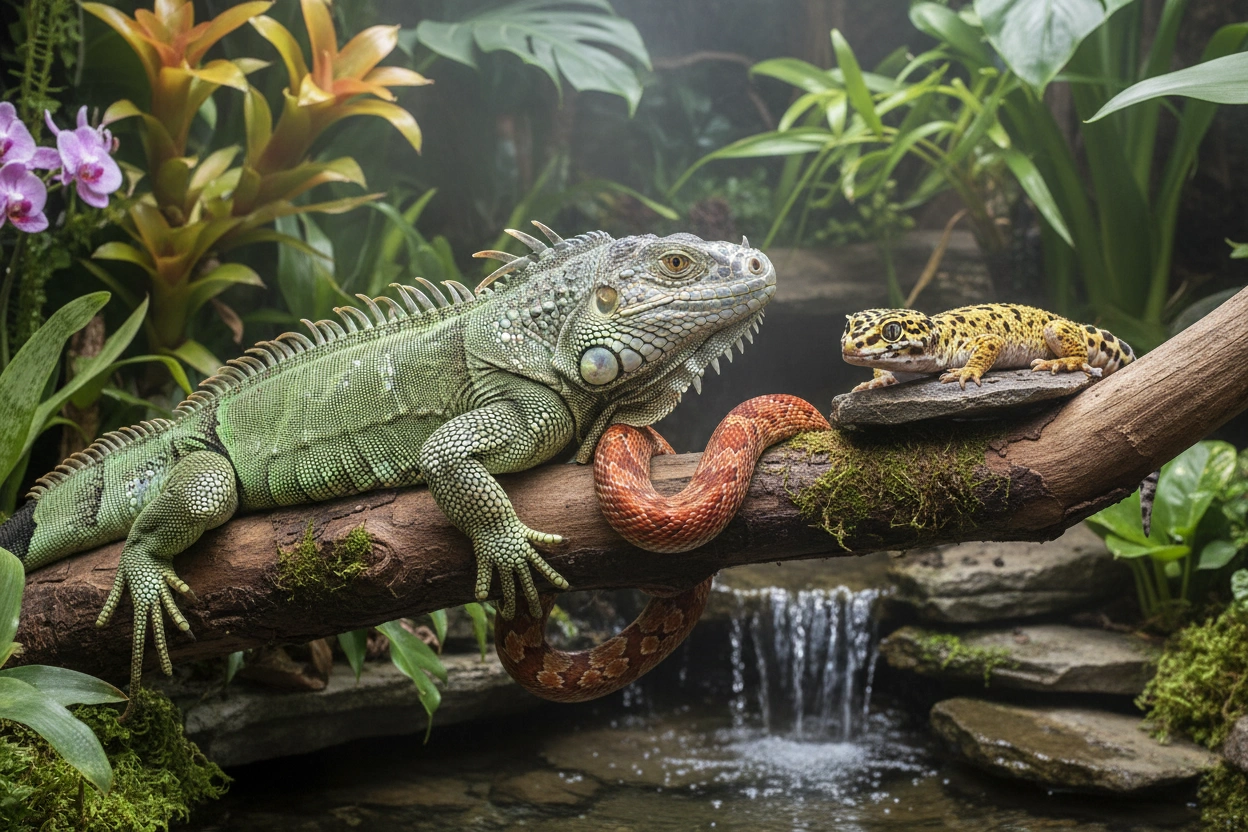
Reptiles belong to the class Reptilia, characterized by their cold-blooded nature, scaly skin, and the ability to lay eggs. They encompass a diverse range of species, including snakes, lizards, turtles, and crocodiles. The primary differences between pet reptiles and wild species can be categorized into various aspects, including habitat, behavior, and care requirements.
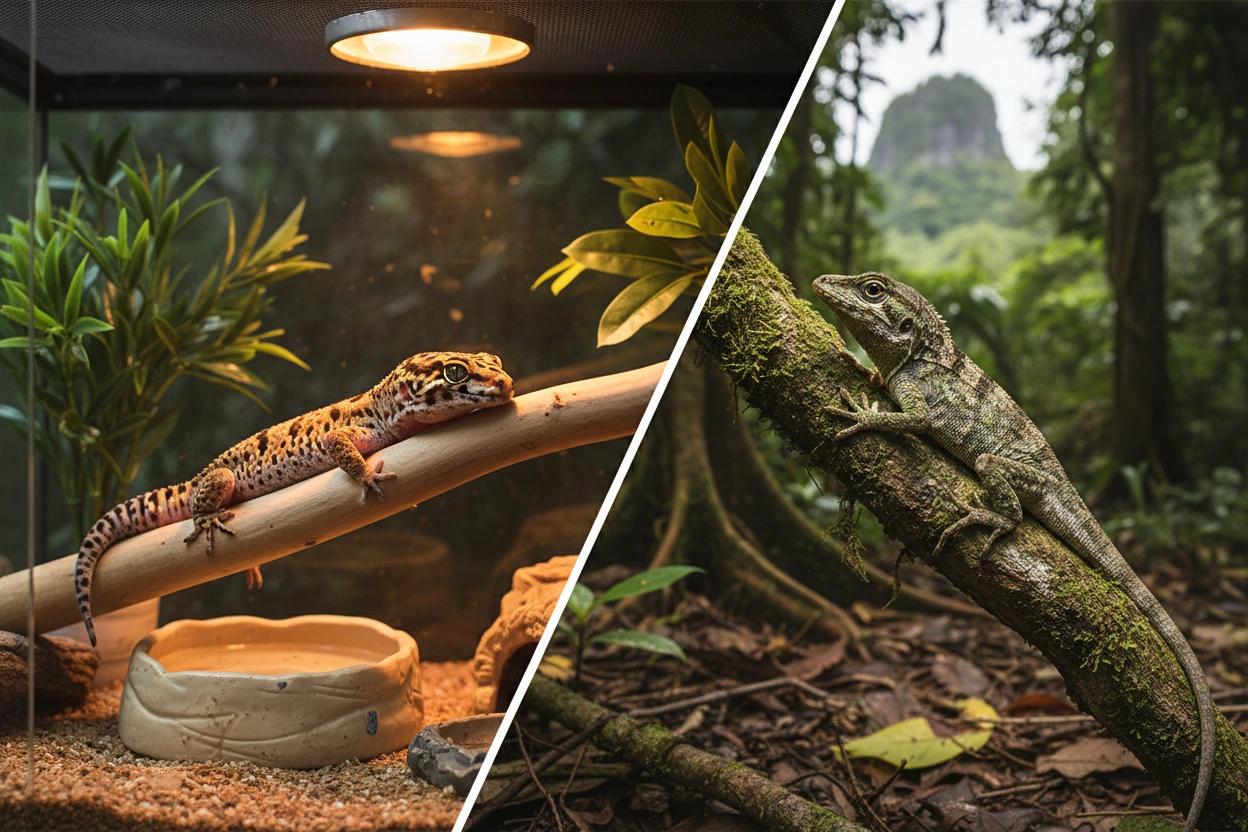
Pet reptiles are typically bred in captivity and adapted to live in controlled environments. These environments often mimic their natural habitats but lack the complexities and challenges found in the wild. For instance, a pet ball python may thrive in a terrarium with regulated temperature and humidity, whereas in the wild, it would have to navigate predators, find food, and adapt to seasonal changes.
Wild reptiles, on the other hand, have evolved to survive in their specific ecosystems. They rely on their instincts and physical adaptations to thrive in environments that may present challenges such as fluctuating temperatures, availability of food, and threats from other wildlife. This difference in habitat significantly influences their behavior and health.
Behaviorally, pet reptiles often exhibit tamer and more predictable actions compared to their wild counterparts. Captive-bred reptiles are usually more accustomed to human interaction, which can make them more suitable as pets. For instance, a bearded dragon may enjoy being handled and may even exhibit signs of affection towards its owner.
Conversely, wild reptiles are often more skittish and less tolerant of human presence. Their instinctual behaviors drive them to avoid potential threats, making them less approachable. Understanding these behavioral differences is essential for anyone considering keeping a reptile as a pet, as it directly impacts the type of care and interaction they will require.
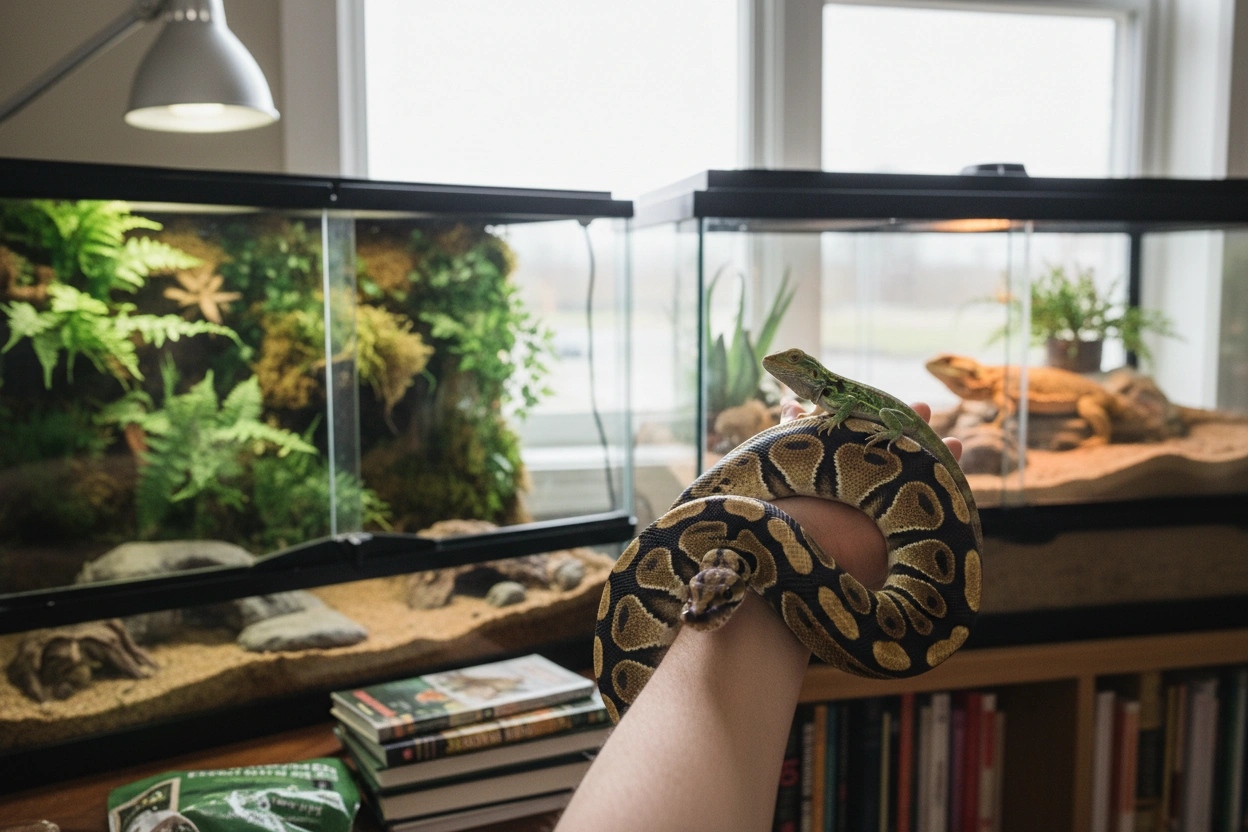
The world of pet reptiles is vast, with many species being popular among enthusiasts. Here are some of the most common reptiles kept as pets:
Each of these species offers unique traits that appeal to different types of pet owners. However, it is essential to conduct thorough research to ensure that one can meet their specific needs.

Despite their resilience, many reptile species face threats from habitat destruction, climate change, and illegal trade. Here are ten endangered reptile species that require urgent conservation efforts:
The Hawksbill Turtle is critically endangered, primarily due to illegal trade of their shells and loss of nesting habitats. Conservation efforts focus on protecting nesting sites and reducing bycatch in fishing operations.
Native to East Asia, the Amur Monitor faces threats from habitat loss and hunting. Conservation efforts include habitat restoration and legal protection from hunting.
This critically endangered crocodilian species is threatened by river habitat loss and fishing practices. Conservation strategies involve habitat protection and breeding programs.
While not a reptile in the traditional sense, this amphibian faces similar threats and serves as an indicator of ecological health. Conservation efforts focus on habitat protection and species monitoring.
This gecko is highly sought after in the pet trade, leading to its endangered status. Conservation efforts aim to regulate trade and protect its natural habitat.
This turtle is the most endangered sea turtle species, primarily due to habitat loss and fishing. Conservationists work on nesting site protection and community awareness programs.
While not endangered globally, local populations are threatened by habitat destruction and hunting. Conservation efforts focus on habitat protection and managing invasive populations.
This snake is endangered due to habitat loss and road mortality. Conservation strategies include habitat restoration and protection from poaching.
Native to New Zealand, the tuatara faces threats from habitat destruction and introduced predators. Conservation efforts include habitat protection and breeding programs.
This species is endangered due to habitat loss and competition with introduced species. Conservationists focus on habitat restoration and population monitoring.
To ensure the survival of these endangered species, several strategies are being implemented globally:
Despite their growing popularity, several misconceptions about reptiles persist. Addressing these myths is crucial for fostering a better understanding of these creatures.
One of the most common misconceptions is that all reptiles are dangerous and aggressive. While some species may be defensive, many common reptiles, like the bearded dragon and corn snake, are docile and friendly. Proper handling and care can mitigate any potential risks.
Another prevalent myth is that reptiles are easy to care for and require minimal effort. In reality, reptiles have specific habitat, dietary, and temperature needs that must be met for their health and well-being. Prospective owners should educate themselves thoroughly before adopting a reptile.
While most reptiles are indeed cold-blooded, some species exhibit varying degrees of thermoregulation. Understanding these nuances can help owners create suitable environments for their pets.
As awareness of the plight facing many reptile species grows, individuals can take proactive steps to contribute to their conservation. Here are actionable insights:
In exploring the key differences between pet reptiles and their wild counterparts, it becomes evident that understanding these distinctions is crucial not only for potential pet owners but also for conservationists. The knowledge gained about the behaviors, habitats, and conservation needs of reptiles can empower individuals to make informed decisions that positively impact these species.
At Banana Slug Club, we are committed to promoting awareness and conservation efforts related to reptiles and their ecosystems. Whether you are a seasoned reptile enthusiast or a newcomer, we provide resources and support to help you understand and care for these incredible creatures.
For those looking to deepen their knowledge or get involved in conservation efforts, we invite you to visit Banana Slug Club. Together, we can make a difference in the lives of reptiles and promote a healthier ecosystem for all living beings.
Get free resources, early access to new features and updates.
No spam. Just fun educational emails!


.svg)
.svg)