Selecting the right reptile as a pet can be an exciting but daunting task. Reptiles are unique creatures that can offer companionship, intrigue, and a different kind of pet ownership experience compared to traditional pets like cats or dogs. In 2026, the popularity of reptiles as pets continues to rise, with various species gaining attention for their fascinating behaviors and relatively low maintenance needs. However, potential reptile owners must be informed about the specific requirements, habitats, and conservation statuses of these animals before making a commitment.
This guide aims to provide a comprehensive overview of choosing the best reptiles as pets, examining common reptiles, their care needs, and the importance of conservation. Additionally, we will explore the top ten endangered reptile species and their conservation efforts, emphasizing the need for responsible pet ownership and awareness of the ecological impact of our choices.
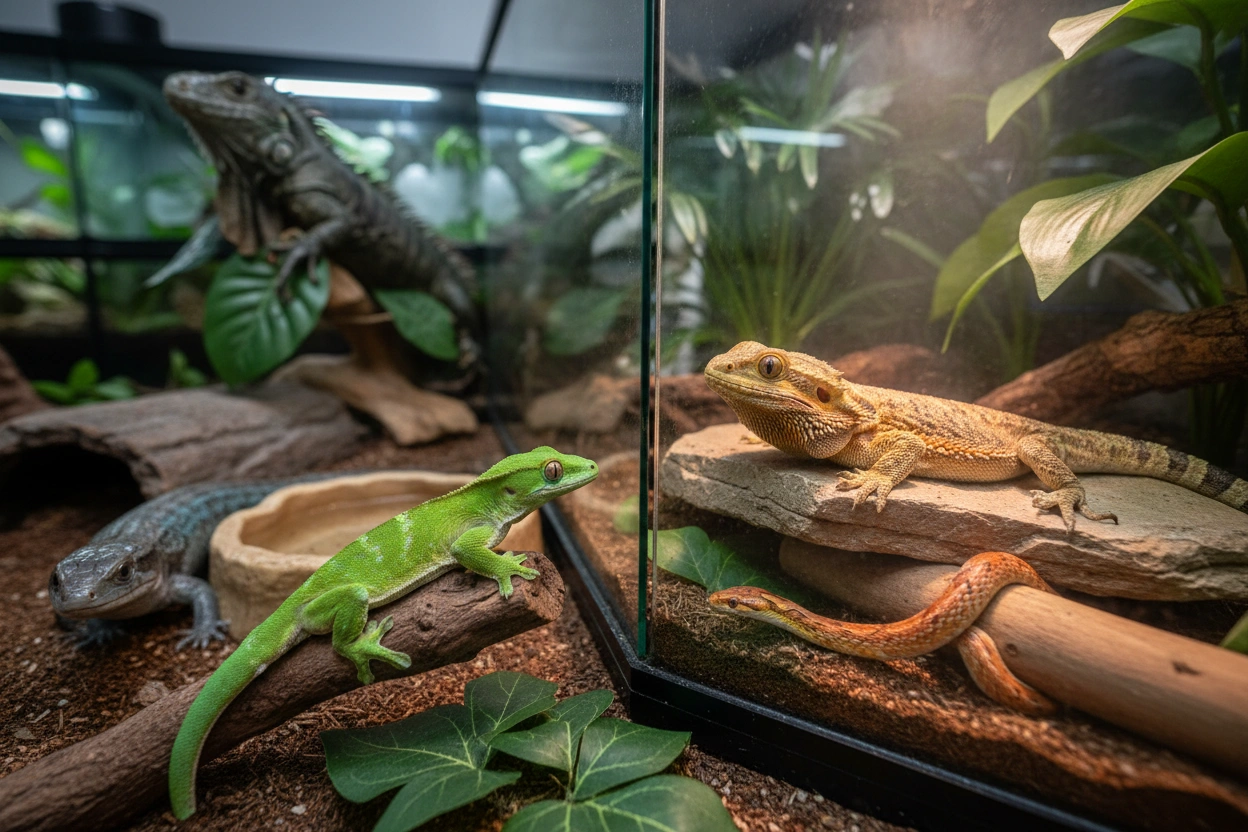
When considering reptiles as pets, it is crucial to understand the common types available and their specific needs. Each species has its own unique care requirements, habitat preferences, and social behaviors, making it essential for potential owners to research thoroughly.
Bearded Dragon
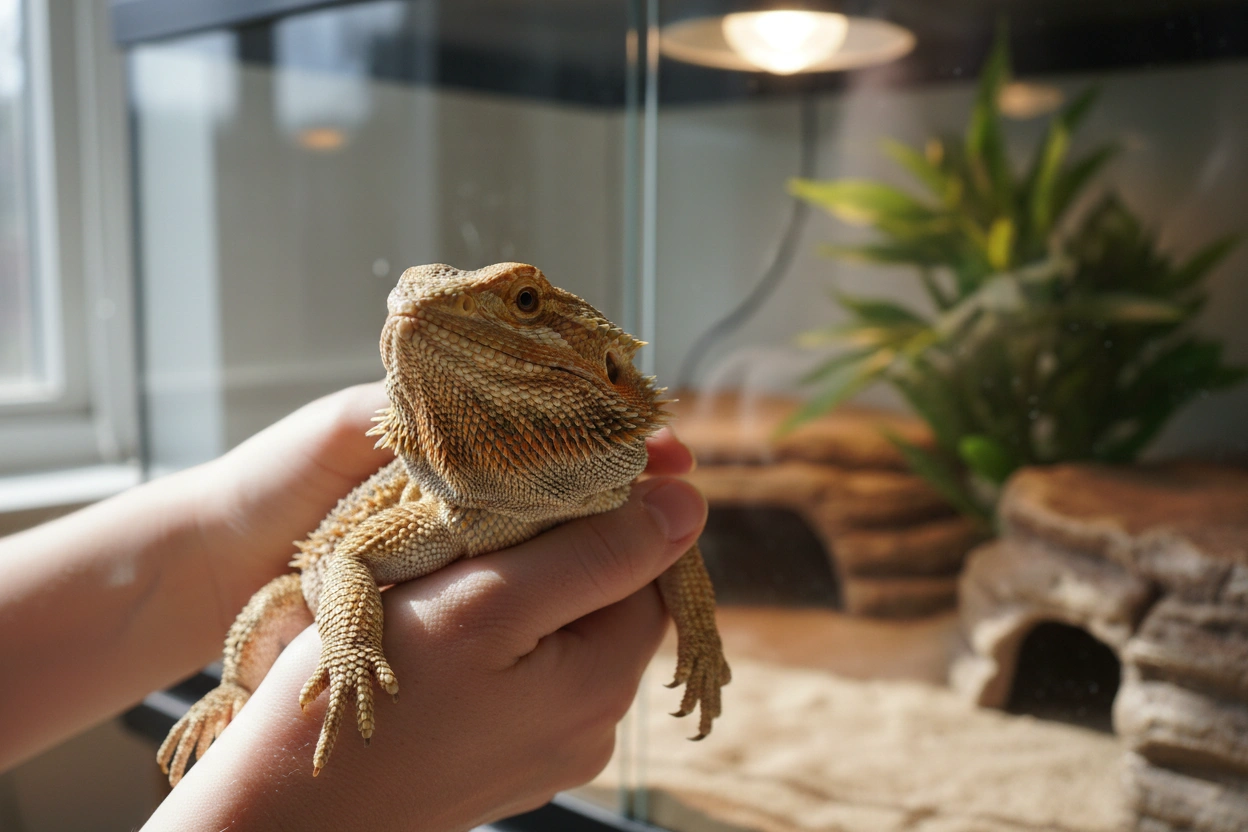
Bearded dragons are one of the most popular reptiles among pet owners due to their friendly nature and manageable size. They thrive in a controlled environment, requiring a basking area and UVB lighting to maintain their health. Regular handling helps them become accustomed to human interaction, making them a great choice for families.
Leopard Gecko
Known for their striking appearance and gentle temperament, leopard geckos are nocturnal reptiles that require a simple habitat setup. They need a warm environment, with specific temperature gradients to mimic their natural habitat. These geckos are relatively low maintenance, making them suitable for beginners.
Corn Snake
Corn snakes are often recommended for first-time snake owners due to their docile nature and ease of care. They can adapt to various environments and are known for their vibrant colors and patterns. Corn snakes require a secure enclosure with appropriate heating and humidity levels, along with a diet of appropriately sized rodents.
Ball Python
Ball pythons are another popular choice, especially for those interested in snakes. They are known for their calm demeanor and variety of morphs. Owners should provide a secure and well-ventilated habitat with suitable hiding spots, along with a diet of rodents. Regular handling can help them become more comfortable with their owners.
Red-Eared Slider
This aquatic turtle is well-known for its striking red markings and social behavior. Red-eared sliders require a spacious aquarium with clean water, basking areas, and UVB lighting. They can be more challenging to care for due to their specific habitat requirements, but they are rewarding pets for those willing to invest the time.
Despite the growing popularity of reptiles, several misconceptions can lead to improper care and expectations. Understanding these misconceptions is essential for prospective reptile owners.
Reptiles Do Not Need Social Interaction
While reptiles are not as social as dogs or cats, many species benefit from handling and interaction. Proper socialization can help reptiles become more comfortable and less stressed in captivity.
All Reptiles Are Easy to Care For
Each reptile species has unique care requirements. While some may be low maintenance, others require specialized habitats, diets, and environmental conditions. Researching specific needs is vital.
Reptiles Are Not Affected by Their Environment
Reptiles are ectothermic, meaning their body temperature relies on external sources. Providing a controlled environment is crucial for their health, as temperature and humidity levels can significantly impact their well-being.
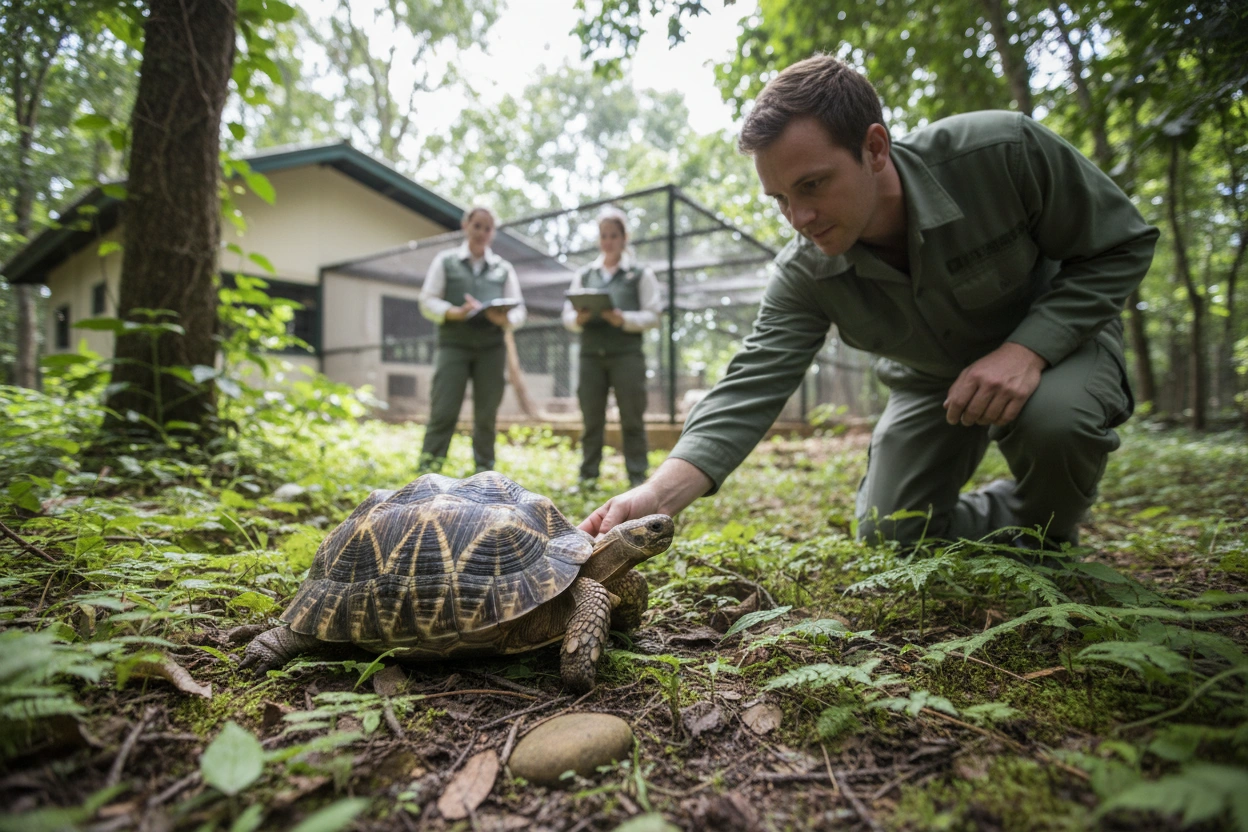
As pet owners, it is crucial to recognize the impact of our choices on the environment and the conservation of reptiles. Many species are threatened or endangered due to habitat loss, climate change, and illegal wildlife trade. Here are ten endangered reptiles and the conservation efforts underway to protect them.
The hawksbill sea turtle is critically endangered due to illegal trade of its beautiful shell and habitat loss. Conservation efforts include protecting nesting sites and reducing bycatch in fishing.
The Bornean python is facing threats from habitat destruction and hunting. Conservation initiatives focus on habitat restoration and legal protection from hunting.
This unique crocodilian is critically endangered, primarily due to habitat loss and depletion of fish stocks. Conservationists are working on habitat restoration and breeding programs to increase population numbers.
Eastern box turtles are threatened by habitat loss and road mortality. Conservation efforts include habitat protection, public awareness campaigns, and road crossing structures to reduce fatalities.
With fewer than 250 individuals remaining in the wild, the Philippine crocodile is critically endangered. Conservation programs focus on habitat protection and community engagement to reduce human-wildlife conflict.
This tortoise species is threatened by habitat destruction and poaching. Conservation efforts include habitat protection, captive breeding programs, and education on the importance of tortoise conservation.
The Bolson tortoise is critically endangered due to habitat loss and predation by invasive species. Conservation actions include habitat restoration and protection measures.
As the largest sea turtle species, the leatherback is endangered due to bycatch, pollution, and climate change. Conservation efforts focus on protecting nesting beaches and reducing marine pollution.
The spiny tortoise is threatened by habitat destruction and the illegal pet trade. Conservation initiatives include habitat restoration and legal protection against poaching.
This unique reptile from New Zealand is at risk due to habitat loss and introduced predators. Conservation efforts involve habitat protection and breeding programs to boost population numbers.

Choosing to keep reptiles as pets comes with a responsibility to ensure their well-being and conservation. Here are several actionable insights for prospective reptile owners:
Before acquiring a reptile, conduct thorough research on the specific species you are interested in. Consider their habitat needs, dietary requirements, and social behaviors. Understanding these factors will help you create a suitable environment for your pet. essential reptile care tips.
When choosing a reptile, opt for reputable breeders or adoption centers that prioritize ethical breeding practices. Avoid purchasing reptiles from sources that may contribute to the illegal wildlife trade, as this can further endanger wild populations.
As a reptile owner, consider participating in or supporting conservation initiatives focused on protecting endangered species. This can include financial donations, volunteering, or spreading awareness about the importance of conservation efforts.
Educating yourself and others about the needs of reptiles and the challenges they face in the wild is essential. Share your knowledge with friends and family to promote responsible pet ownership and reptile health tips.
Reptiles can make fascinating and rewarding pets, but they also serve as reminders of the ecological balance we must maintain. As potential reptile owners, it is our duty to ensure that we are making informed decisions that positively impact both our pets and the environment. choosing the best species for beginners.
Understanding the intricacies of reptile care and the urgency of conservation can lead to a more fulfilling pet ownership experience. By choosing responsibly and supporting conservation efforts, we can be allies in the fight to protect these remarkable creatures.
As we have explored, the world of reptiles is rich and diverse, offering unique pet ownership experiences while highlighting the importance of conservation. The Banana Slug Club is dedicated to promoting awareness and education surrounding reptiles and their habitats. By engaging with communities and supporting conservation initiatives, we can foster a deeper appreciation for these extraordinary animals. comparing popular pet reptiles.
If you are passionate about reptiles and want to learn more about responsible pet ownership, or if you're looking for ways to get involved in conservation efforts, reach out to the Banana Slug Club. Together, we can make a meaningful impact on the lives of reptiles and the ecosystems they inhabit.
Get free resources, early access to new features and updates.
No spam. Just fun educational emails!


.svg)
.svg)