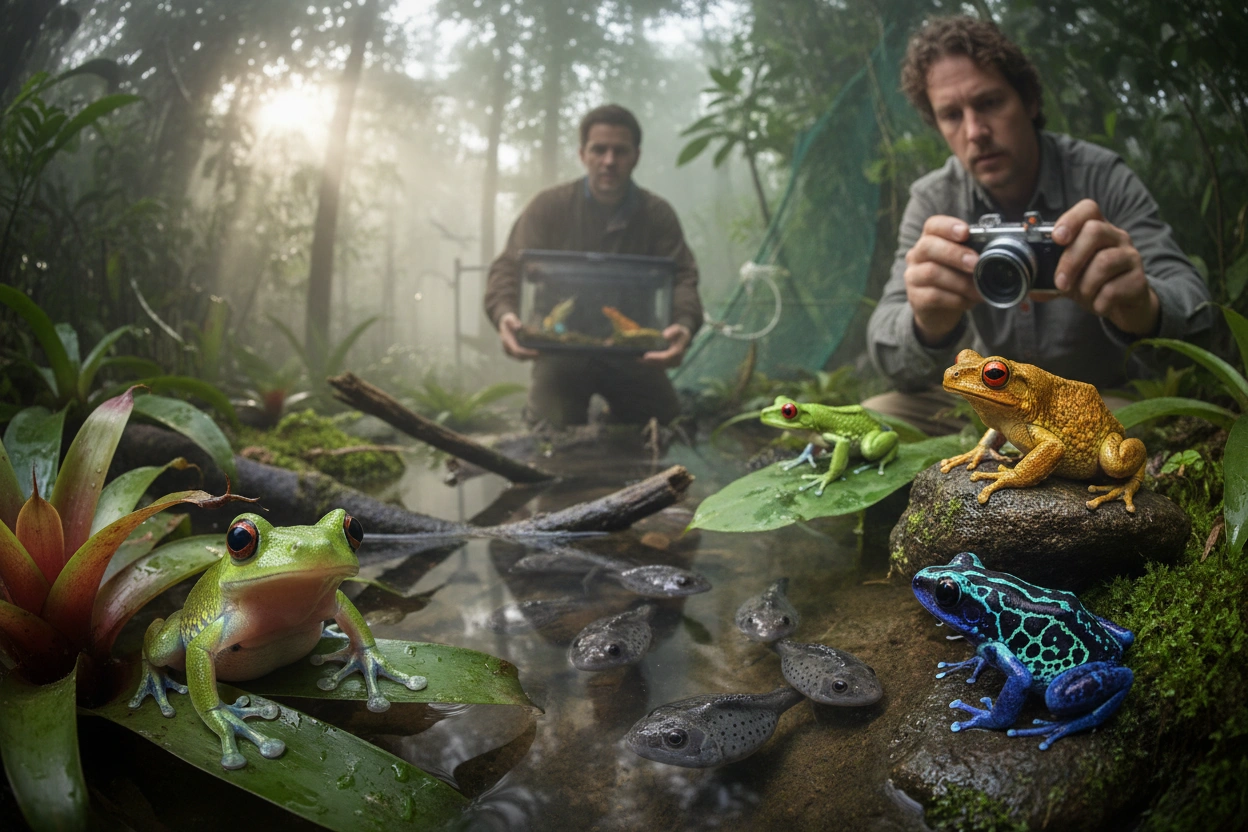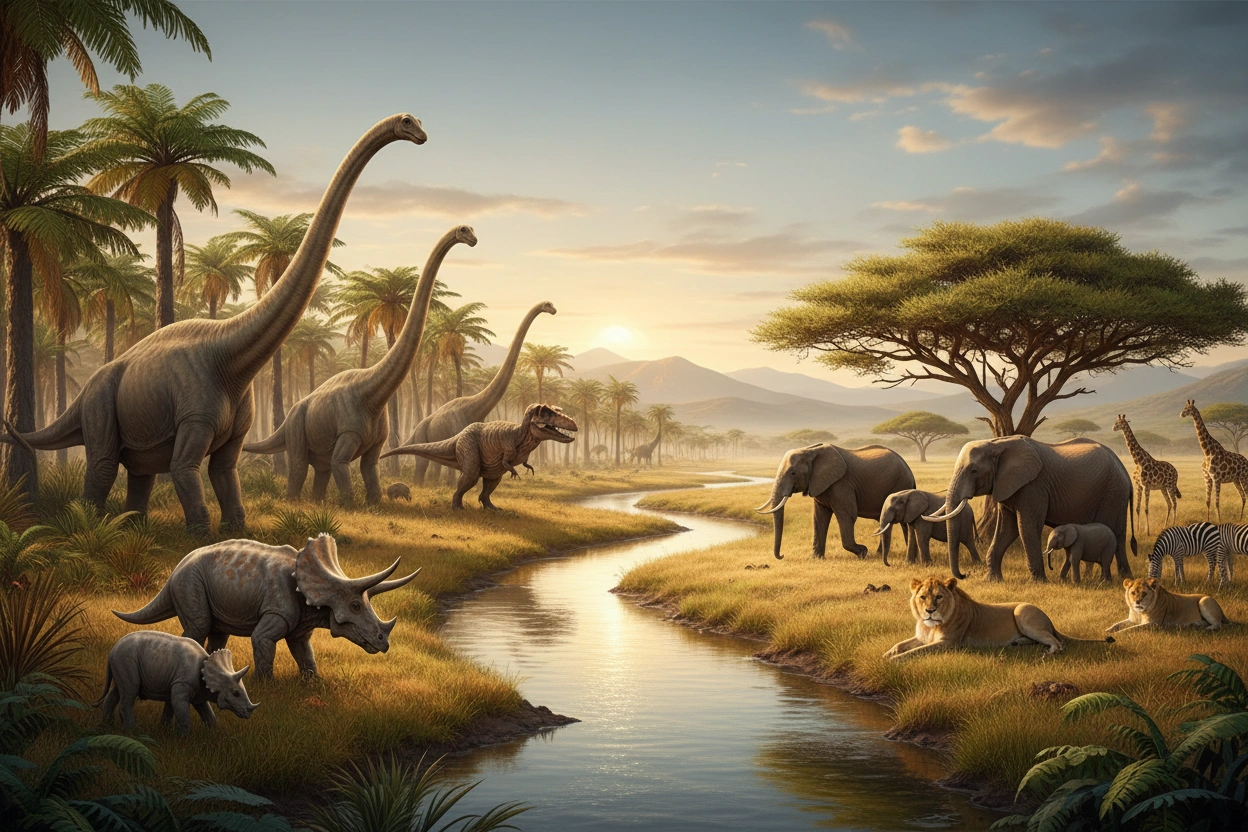
The fascination with prehistoric animals captivates not just paleontologists but also the general public. As we delve into the vast timeline of Earth’s history, we uncover a world teeming with extraordinary creatures that once roamed the planet. Understanding these ancient wildlife forms helps us appreciate the evolution of modern ecosystems and the species that inhabit them today. In this article, we will explore the key differences between prehistoric animals and modern wildlife while highlighting some of the most fascinating extinct animals you should know about.
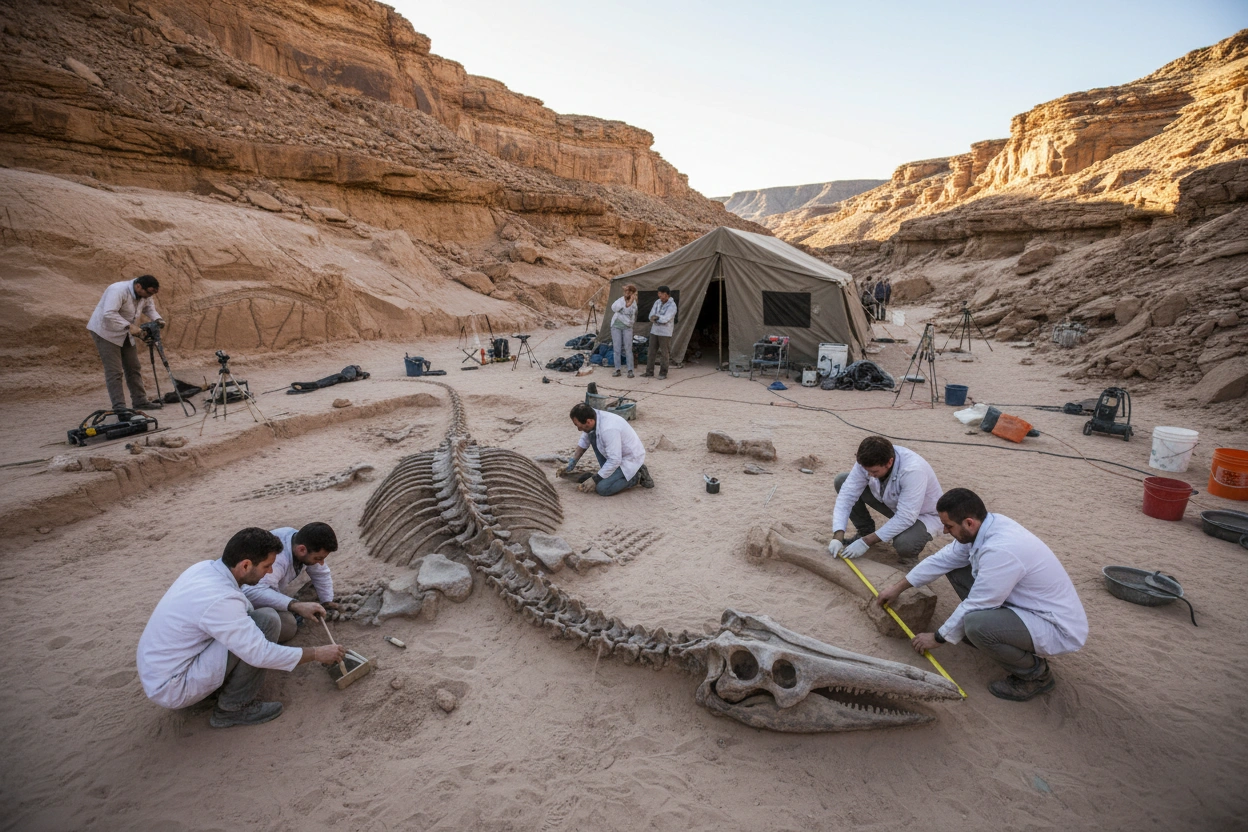
Prehistoric animals refer to species that existed before recorded history. This includes a variety of creatures from different geological eras, such as the Paleozoic, Mesozoic, and Cenozoic eras. Each era brought forth unique fauna, with evolutionary adaptations that were often remarkable. For instance, the dinosaurs of the Mesozoic era are perhaps the most well-known prehistoric animals, characterized by their immense size and diverse forms.
The study of prehistoric animals not only enhances our understanding of evolution but also provides insights into how environmental changes affect biodiversity. For example, the extinction events that wiped out many species have implications for current biodiversity crises, making it crucial to study these ancient creatures.
Fossils serve as the primary evidence of prehistoric life. These preserved remains provide invaluable information about the anatomy, behavior, and environment of extinct species. Paleontologists use fossilized bones, teeth, and even footprints to reconstruct the life of these ancient animals.
Understanding these aspects of prehistoric animals is essential for drawing parallels with modern wildlife.
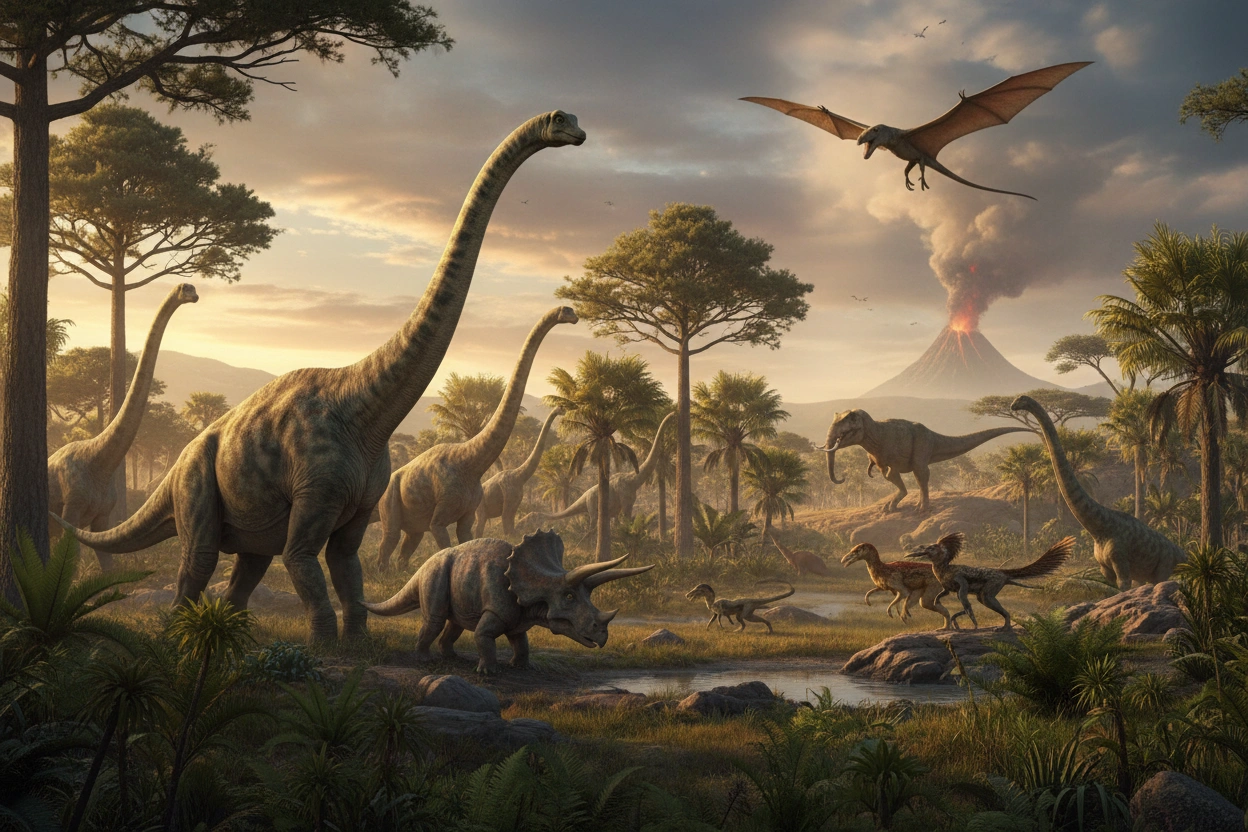
The differences between prehistoric animals and modern wildlife are striking and offer insights into evolutionary trends. Here are some of the most significant distinctions:
Prehistoric animals often exhibited sizes and physical characteristics that are vastly different from modern wildlife. For instance, the Argentinosaurus, one of the largest dinosaurs, could grow up to 100 feet long. In contrast, the largest terrestrial mammals today, such as elephants, reach a maximum length of about 24 feet.
The habitats of prehistoric animals were often vastly different from those of modern wildlife. During the time of the dinosaurs, for example, the continents were arranged differently, leading to unique ecosystems.
Extinction events have played a significant role in shaping both prehistoric and modern wildlife. The most famous extinction, the Cretaceous-Paleogene extinction event, led to the demise of the dinosaurs.
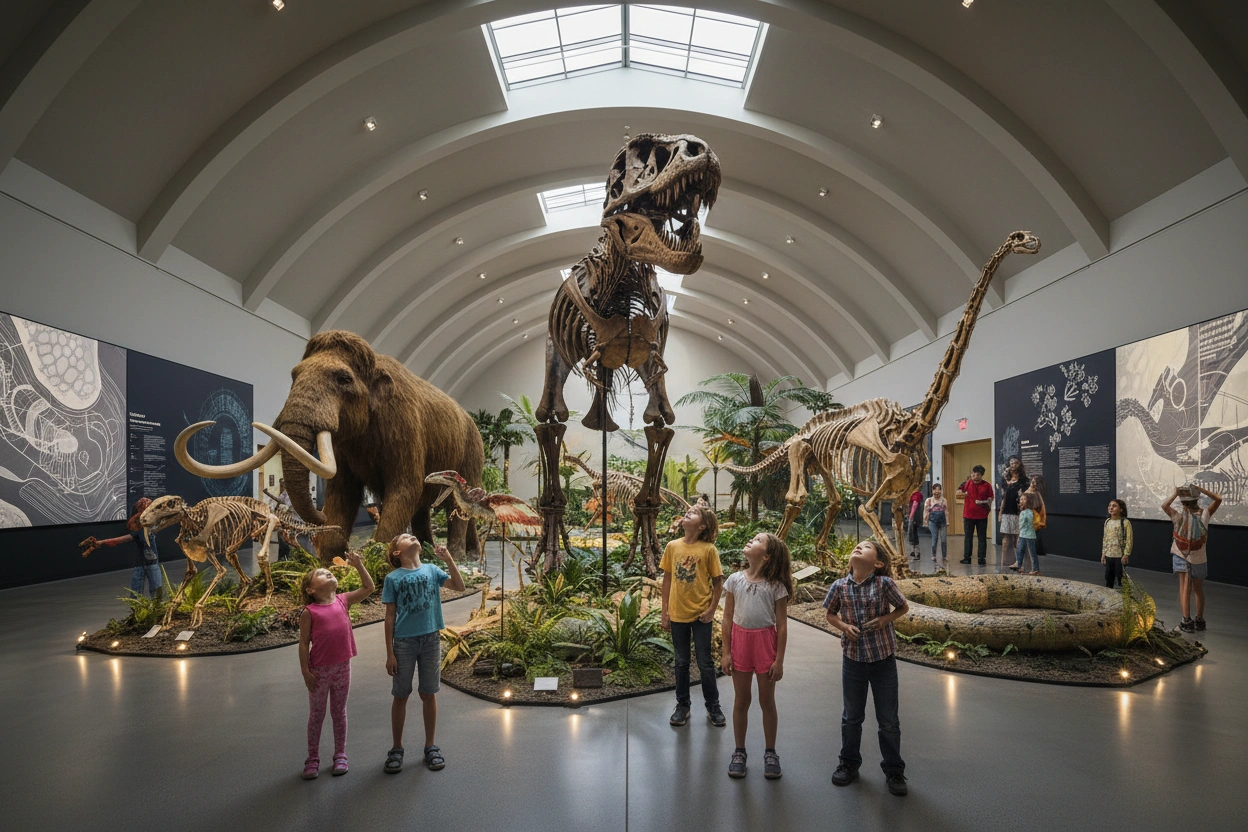
Exploring the most fascinating extinct animals can illuminate the diversity of prehistoric life. Here are ten remarkable species that shaped our understanding of evolution and ecology.
The woolly mammoth was a large, hairy relative of modern elephants. It roamed the northern tundras during the last Ice Age and is known for its long tusks and thick fur, adaptations for cold climates.
Often referred to as Smilodon, the saber-toothed cat is famous for its elongated canine teeth. It was a formidable predator that hunted large herbivores during the Pleistocene epoch.
The dodo, a flightless bird native to Mauritius, became extinct in the late 17th century due to hunting and habitat destruction. Its extinction is often cited as a cautionary tale about human impact on biodiversity.
Also known as the giant ground sloth, Megatherium was an enormous herbivore that lived in South America. It could reach lengths of up to 20 feet and is a prime example of how prehistoric animals adapted to their environments.
One of the most recognizable dinosaurs, Triceratops had three distinctive facial horns and a large bony frill. It was a herbivore that lived during the late Cretaceous period.
Often considered the first bird, Archaeopteryx possessed both avian and reptilian features. Its discovery provided critical evidence for the evolution of birds from theropod dinosaurs.
This large herbivore was adapted for cold climates, with a thick coat of fur and two prominent horns. It roamed across Europe and Asia during the last Ice Age.
Pterosaurs were flying reptiles that lived alongside the dinosaurs. They had wingspans that could exceed 30 feet, showcasing the diversity of prehistoric life in the air.
The Irish elk was one of the largest deer species, known for its enormous antlers. It lived in Europe and Asia during the Pleistocene and became extinct due to climate changes and human hunting.
This giant snake, which lived around 60 million years ago, could reach lengths of over 40 feet. Titanoboa is a significant example of how prehistoric animals evolved to fill ecological niches.
Studying prehistoric animals offers valuable lessons for modern wildlife conservation efforts. Understanding the factors that led to the extinction of these species can help inform current conservation strategies.
One common misconception is that extinction is a natural process that occurs without human influence. While extinction has always been part of evolution, the current rates of species loss are unprecedented and largely driven by human activity.
To mitigate the ongoing biodiversity crisis, here are some actionable strategies:
The evolution of prehistoric animals into modern wildlife showcases the dynamic nature of life on Earth. By studying these ancient creatures, we can better understand the biological and ecological principles that govern life today.
The adaptations of prehistoric animals to their environments laid the groundwork for the evolution of modern species. For example, the development of flight in birds can be traced back to the adaptations seen in pterosaurs and early avian species.
The extinction of prehistoric animals often led to cascading effects on ecosystems. Modern wildlife faces similar challenges, emphasizing the need for a holistic approach to conservation that recognizes the interconnectedness of species.
Prehistoric animals have left an indelible mark on our understanding of biology and ecology. Their extinction events serve as reminders of the fragility of life and the importance of conservation efforts. The study of these ancient creatures not only enriches our knowledge of history but also informs our actions towards preserving the planet's biodiversity today.
The fascination with prehistoric animals encourages people to engage with science and nature. Organizations like the Banana Slug Club provide platforms for education and advocacy, promoting a deeper understanding of wildlife conservation.
As we continue to explore the legacies of prehistoric animals, it is essential to foster a culture of curiosity and respect for the natural world. The lessons learned from these ancient creatures can guide our efforts to protect modern wildlife and ensure a sustainable future.
If you are interested in learning more about the fascinating world of prehistoric animals and how we can work together to promote wildlife conservation, I invite you to engage with us. shaped human evolution and discover more about our initiatives and how you can contribute to preserving our planet's incredible biodiversity. Together, we can make a difference for future generations.
Get free resources, early access to new features and updates.
No spam. Just fun educational emails!


.svg)
.svg)