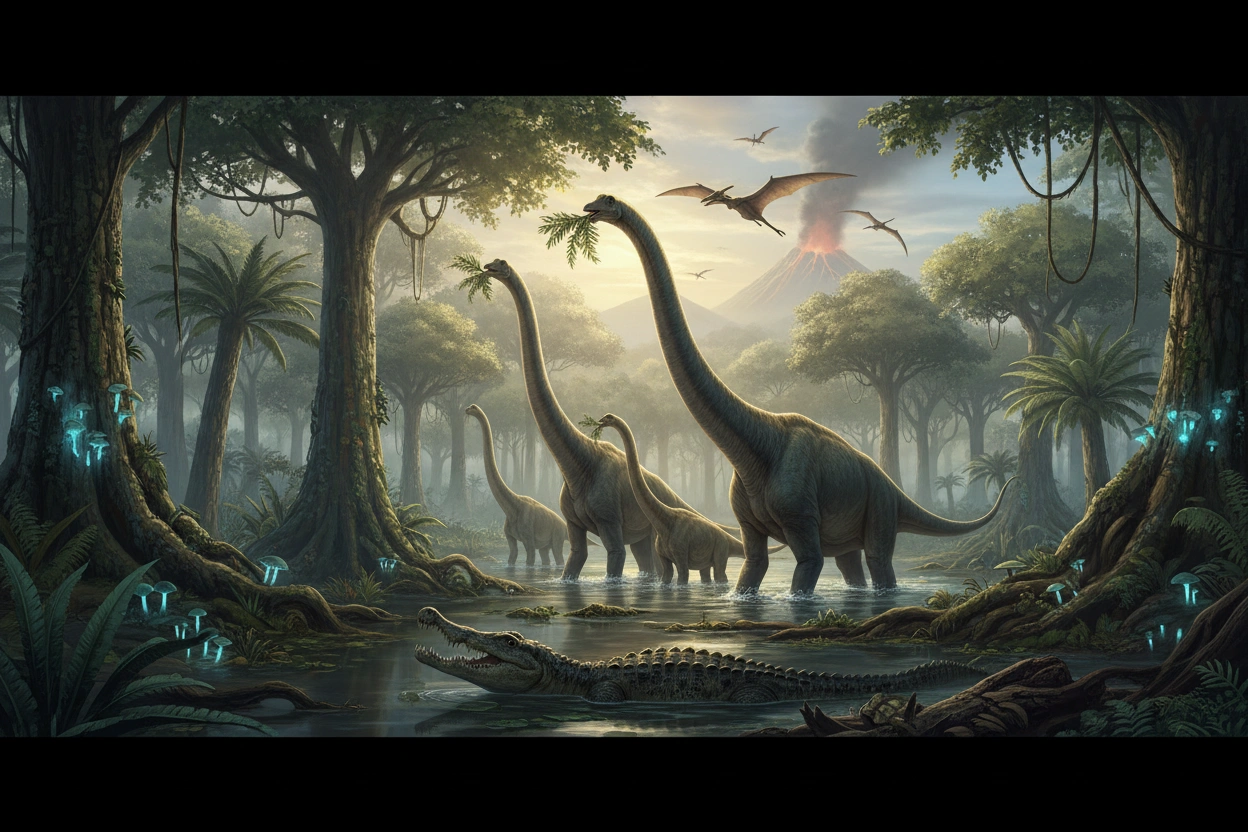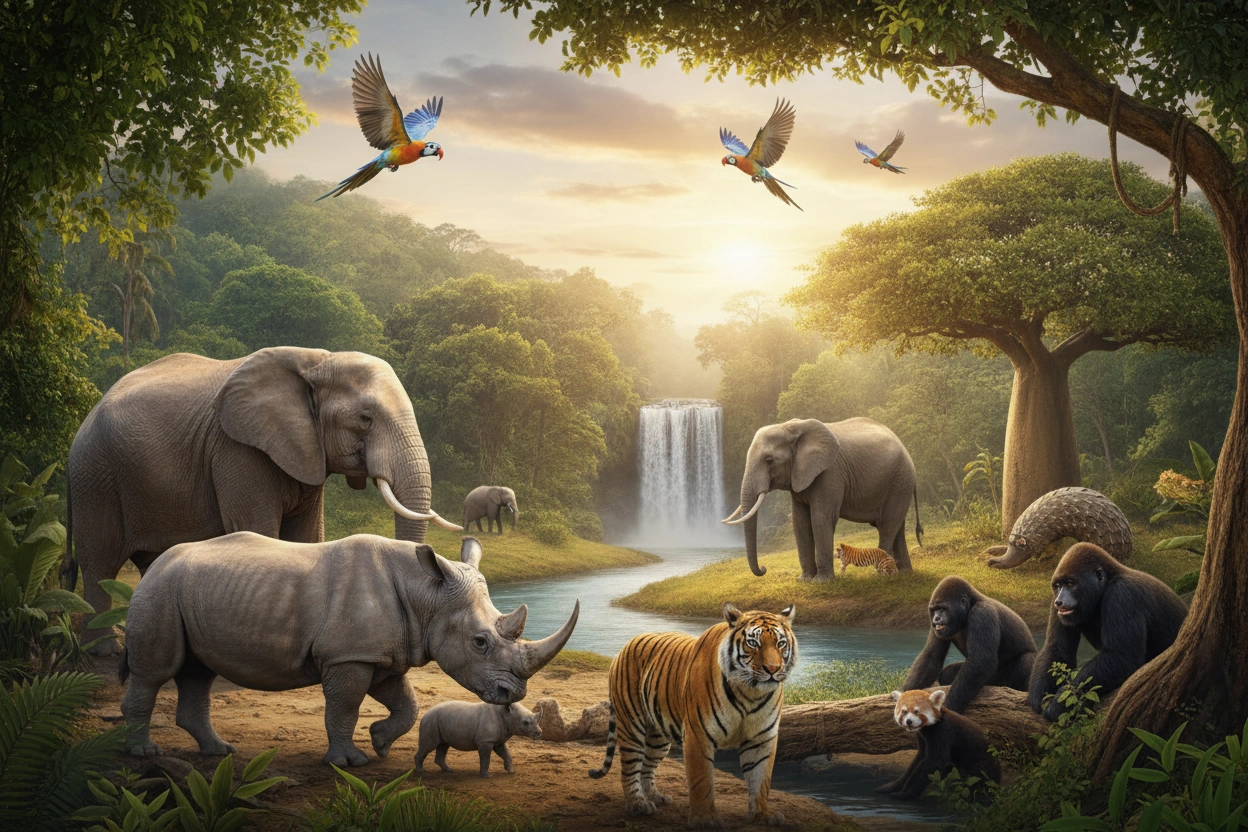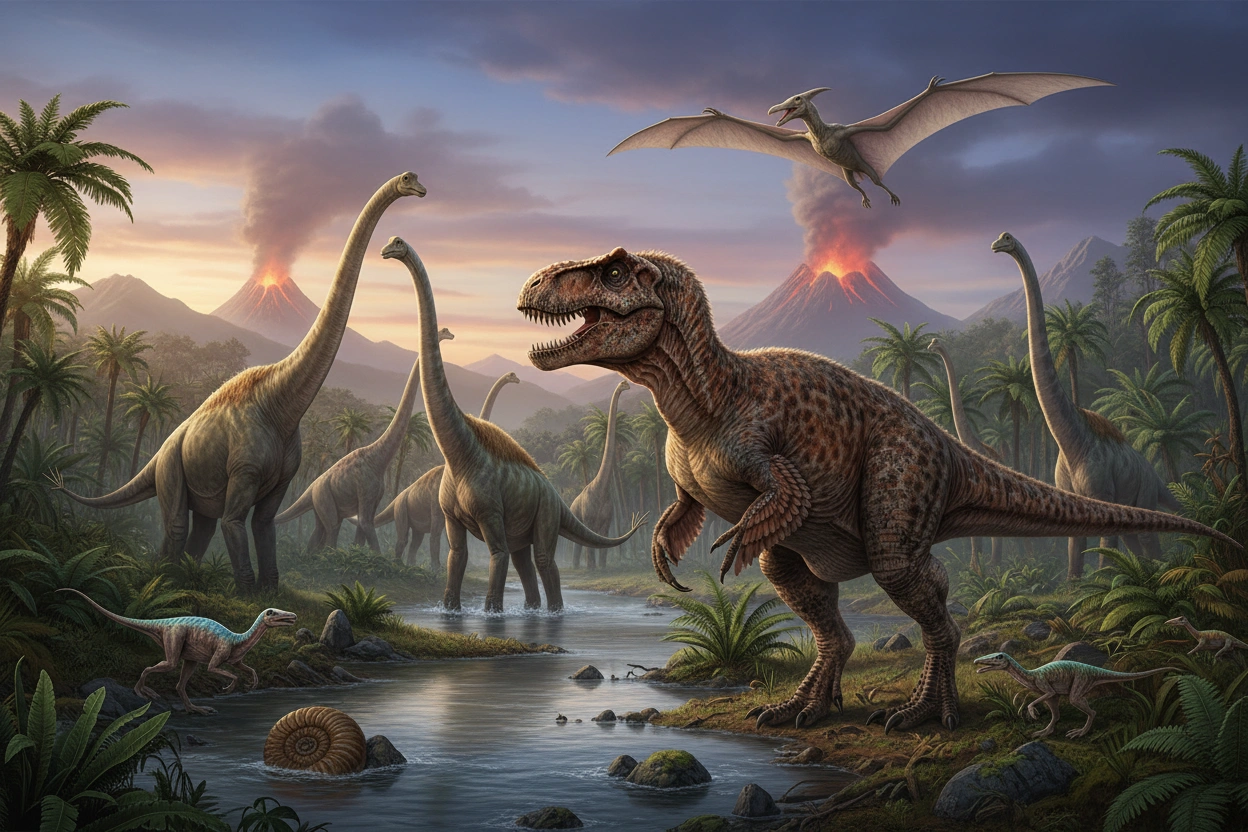
The study of prehistoric animals opens a fascinating window into the past, revealing how ancient wildlife adapted to their environments. From the colossal woolly mammoth to the swift and cunning saber-toothed tiger, these creatures faced challenges that shaped their evolution and ecological roles. As we explore how these prehistoric animals adapted to their surroundings, we can glean valuable insights that resonate with modern-day ecological challenges and conservation efforts. This article delves into the adaptations of prehistoric animals and highlights ten fascinating extinct species that illustrate the remarkable diversity of life that once roamed our planet.
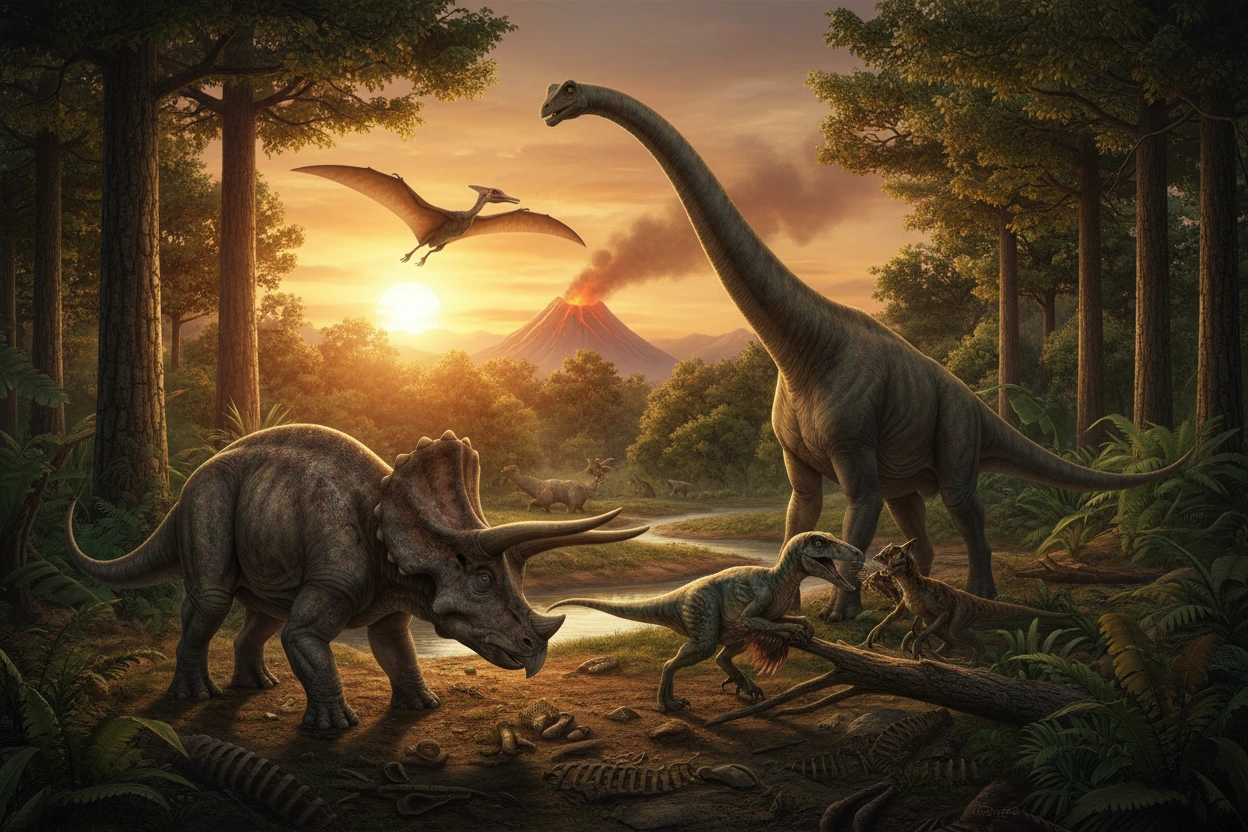
Understanding how prehistoric animals adapted to their environments is crucial for several reasons. First, it provides insight into the evolutionary processes that govern all life on Earth. By studying these adaptations, researchers can better understand how species respond to environmental changes, a topic that has become increasingly relevant in today's context of climate change.
Moreover, examining these ancient ecosystems helps us appreciate the complexity of biodiversity. Each extinct species played a role in its ecosystem, contributing to the balance of life. Recognizing this interconnectedness can inform current conservation strategies, emphasizing the need to protect not only individual species but also the ecosystems they inhabit.
Prehistoric animals exhibited a wide range of adaptations that allowed them to thrive in diverse environments. Some key adaptations include:
Physical Characteristics: Many prehistoric animals evolved unique physical traits that enhanced their survival. For instance, the woolly mammoth developed a thick coat of fur and a layer of fat to withstand cold climates.
Dietary Changes: As environments changed, so did the diets of many prehistoric species. Herbivores adapted to eat tougher vegetation, while carnivores developed sharper teeth and stronger jaws to hunt more effectively.
Behavioral Adaptations: Social structures and hunting strategies also evolved. For example, saber-toothed cats likely hunted in packs, allowing them to take down larger prey.
By studying these adaptations, we can draw parallels to modern species facing similar challenges, offering lessons in resilience and adaptation.
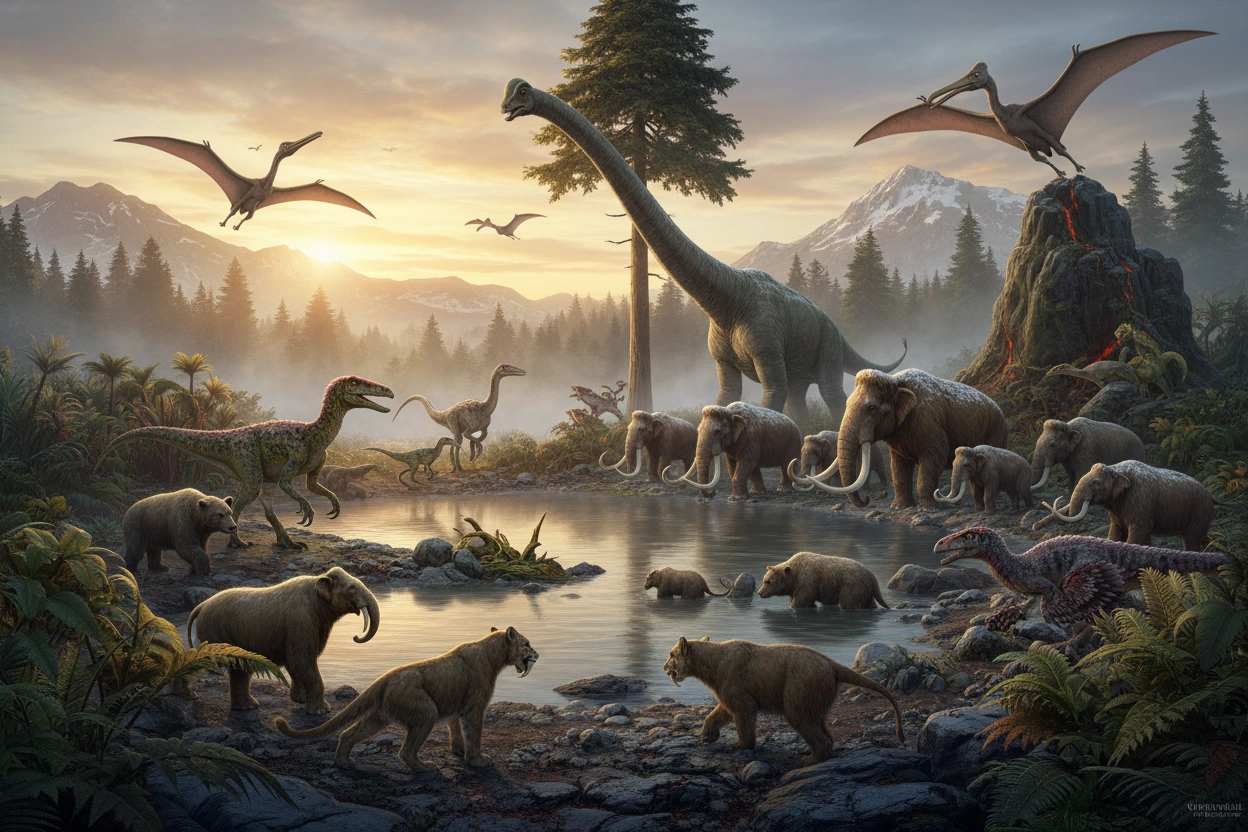
Exploring the lives of prehistoric animals reveals the incredible diversity of life that once existed. Here are ten fascinating extinct species that showcase unique adaptations and ecological roles.
Woolly Mammoth (Mammuthus primigenius)
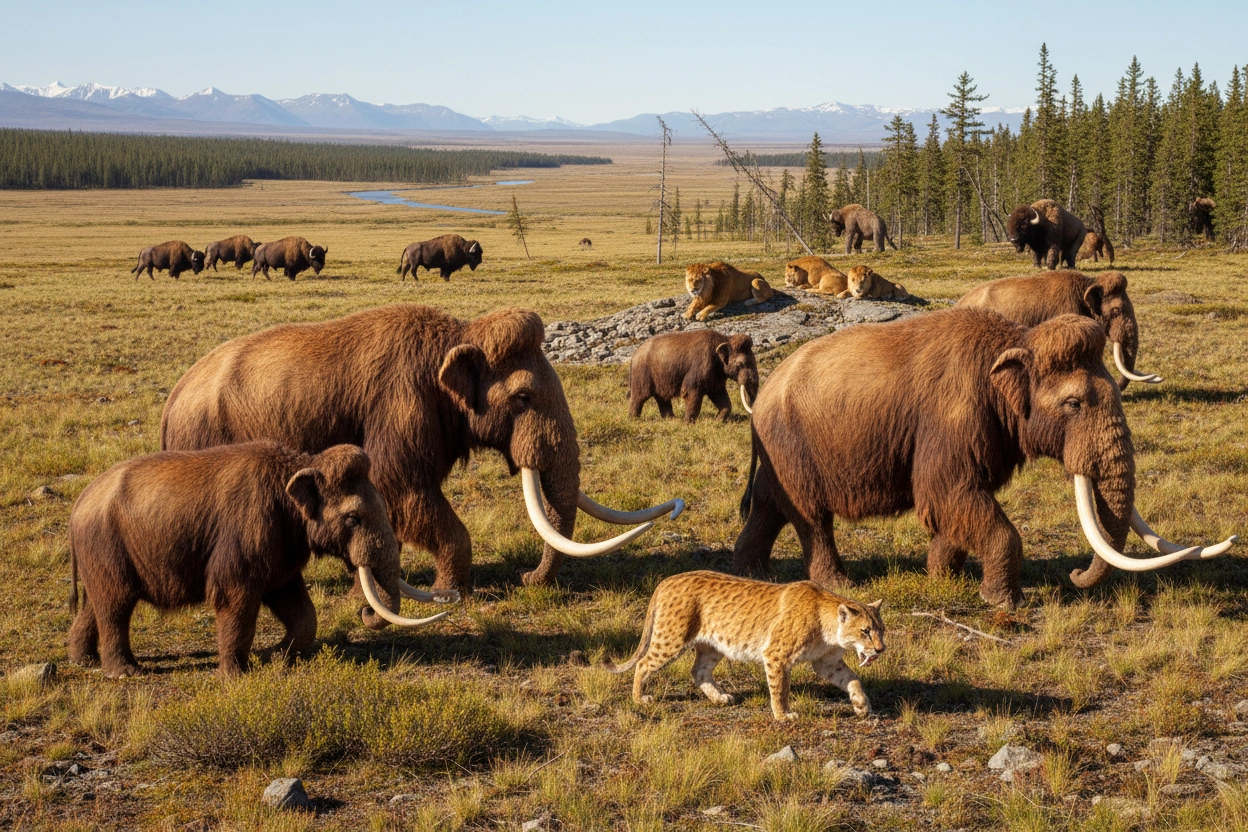
The woolly mammoth is perhaps one of the most iconic prehistoric animals. These massive creatures roamed the cold tundras of the Northern Hemisphere. Their adaptations included long, curved tusks for digging through snow and a thick coat of fur to insulate against the cold.
Saber-Toothed Tiger (Smilodon)
Known for its elongated canine teeth, the saber-toothed tiger was a formidable predator. Its powerful forelimbs and specialized teeth allowed it to take down large prey, such as bison and mammoths.
Megalodon (Carcharocles megalodon)
This colossal shark ruled the oceans millions of years ago. With teeth measuring over seven inches in length, megalodon was a top predator, adapting to hunt large marine animals with its powerful jaws.
Dodo (Raphus cucullatus)
The dodo is a symbol of extinction caused by human activity. This flightless bird adapted to its island habitat but ultimately succumbed to hunting and habitat destruction, highlighting the fragility of isolated ecosystems.
Triceratops (Triceratops horridus)
This dinosaur is famous for its three facial horns and large frill. These adaptations likely served as defense mechanisms against predators and played a role in mating displays.
Giant Ground Sloth (Megatherium)
The giant ground sloth was a massive herbivore that roamed South America. Its adaptations included a slow metabolism and large claws for pulling down branches to feed on leaves.
Pterosaur (Pteranodon)
As one of the largest flying reptiles, pterosaurs had wingspans that could reach over 30 feet. Their adaptations allowed them to soar through the skies, hunting for fish and other prey.
Mastodon (Mastodon americanum)
Similar to the woolly mammoth, the mastodon had a robust build and large tusks. Its teeth were adapted for grinding tough vegetation, indicating a diet of leaves and shrubs.
Irish Elk (Megaloceros giganteus)
Known for its enormous antlers, the Irish elk was one of the largest deer species. Its adaptations included a herbivorous diet and the ability to traverse various habitats, from forests to grasslands.
Ankylosaurus (Ankylosaurus magniventris)
This armored dinosaur was equipped with bony plates and a club-like tail for defense. Its adaptations made it well-suited to fend off predators while foraging for low-lying vegetation.
These ten prehistoric animals illustrate the incredible diversity and adaptability of life. Each species faced unique challenges and evolved traits that allowed them to thrive in their specific environments.
Studying prehistoric animals provides valuable lessons for contemporary environmental challenges. Here are some key takeaways:
Biodiversity is essential for ecosystem resilience. The extinction of any species can disrupt food webs and lead to unforeseen consequences. The dodo, for example, highlights how the loss of a single species can have cascading effects on an ecosystem. Protecting modern biodiversity is crucial for maintaining ecological balance.
Prehistoric animals adapted to their environments over millions of years, showcasing the dynamic nature of evolution. As climate change accelerates, understanding these adaptations can inform conservation strategies. Species that exhibit flexibility in their habitats or diets may be better equipped to survive future changes.
Many prehistoric species thrived due to specific habitat conditions. The extinction of the woolly mammoth was linked to habitat changes and human encroachment. This underlines the importance of preserving natural habitats today, ensuring that current wildlife can adapt and thrive.
Despite the wealth of information available, several misconceptions about prehistoric animals persist. Addressing these can enhance understanding and appreciation of these fascinating creatures.
While many dinosaurs were indeed large, a significant number were small and agile. For example, the Compsognathus was a small dinosaur about the size of a chicken. Understanding the diversity in size and form among dinosaurs helps paint a fuller picture of prehistoric life.
Many prehistoric animals were highly specialized and adapted to their environments. The complexity of their adaptations challenges the notion that they were primitive. For instance, the specialized teeth of the saber-toothed tiger highlight a sophisticated evolutionary strategy for hunting.
While many prehistoric animals went extinct, it was often due to specific environmental changes or human influence. Understanding the causes of extinction can help inform current conservation efforts and highlight the role of human actions in preserving biodiversity.
The study of prehistoric animals is far from over. Advances in technology, such as DNA analysis and fossil imaging, continue to provide new insights into ancient life. These developments can enhance our understanding of evolution and adaptation, offering valuable lessons for current ecological issues.
Modern technology is revolutionizing our understanding of prehistoric life. Techniques such as:
Ancient DNA Analysis: This allows scientists to extract genetic material from fossils, providing insights into the relationships between extinct species and their modern relatives.
3D Imaging: By creating detailed models of fossils, researchers can study anatomical structures and their functions more closely.
Paleoclimate Modeling: Understanding past climate conditions helps predict how current species might respond to ongoing climate change.
These advancements will likely lead to new discoveries, reshaping our understanding of prehistoric ecosystems and their inhabitants.
Incorporating lessons from prehistoric ecosystems can inform our approach to conservation and environmental stewardship. Understanding how prehistoric animals adapted to their environments encourages a proactive stance in preserving biodiversity today.
To apply these lessons, consider the following steps:
Support Conservation Efforts: Engage with local and global conservation organizations working to protect endangered species and their habitats.
Educate Others: Share knowledge about prehistoric animals and their adaptations to foster awareness of current biodiversity challenges.
Participate in Citizen Science: Contribute to research projects that track wildlife populations and habitat changes. Citizen science can help gather valuable data for conservation efforts.
Advocate for Sustainable Practices: Promote sustainable practices in your community, such as reducing plastic use and supporting local wildlife initiatives.
By actively engaging in these practices, individuals can contribute to a healthier planet, reflecting the resilience of prehistoric animals that once thrived.
As we reflect on the lessons learned from prehistoric animals, it becomes clear that our understanding of ancient wildlife is not just an academic pursuit. It serves as a crucial guide for modern conservation efforts. The adaptations of prehistoric animals remind us of the resilience and fragility of life on Earth.
Banana Slug Club is dedicated to fostering a greater understanding of biodiversity and the importance of protecting our ecosystems. Through engaging educational programs and community initiatives, we aim to inspire individuals to take action for the environment.
If you are eager to learn more about prehistoric animals and how their stories can influence our conservation efforts, visit Banana Slug Club today. Together, we can make a difference in preserving the rich tapestry of life on our planet for future generations.
Get free resources, early access to new features and updates.
No spam. Just fun educational emails!


.svg)
.svg)