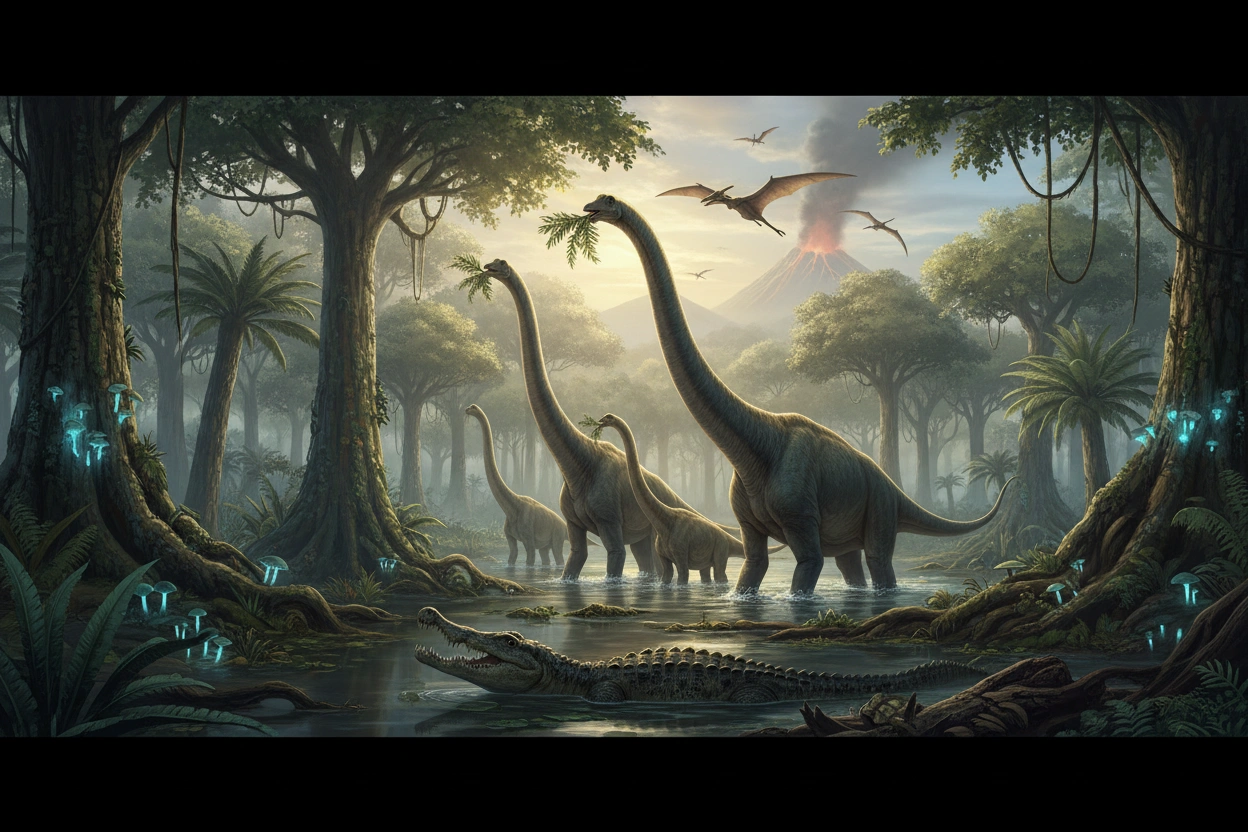
The Ice Age, a period marked by significant climatic changes and glacial advancements, posed unique challenges for prehistoric animals. These creatures had to evolve and adapt in order to survive in environments characterized by extreme cold, reduced vegetation, and shifting habitats. Understanding the adaptations of prehistoric animals not only sheds light on their survival mechanisms but also offers insights into how modern wildlife might respond to climate change. This article delves into the fascinating adaptations of prehistoric animals during the Ice Age and highlights ten of the most intriguing extinct species that once roamed the Earth.

The Ice Age, which spanned from approximately 2.4 million years ago to about 11,700 years ago, was a time of dramatic environmental shifts. During this epoch, the Earth experienced fluctuating temperatures and extensive glaciation. The most notable glacial period, known as the Last Glacial Maximum, occurred around 26,500 years ago, when ice sheets covered vast portions of North America and Eurasia.
Prehistoric animals developed various adaptations to thrive in these harsh climates. These adaptations can be classified into physiological, behavioral, and anatomical changes:
Physiological Adaptations: Many prehistoric animals developed thicker fur or blubber to insulate against the cold. For instance, the woolly mammoth had a double layer of fur, which included a dense undercoat and long, coarse outer hairs that helped retain body heat.
Behavioral Adaptations: Animals often migrated to warmer areas during the coldest months. Some species also exhibited changes in their reproductive cycles to ensure that offspring were born during warmer seasons when food was more abundant.
Anatomical Adaptations: Physical changes such as larger body sizes and shorter limbs were common among Ice Age animals. The principle of Bergmann's Rule suggests that larger animals retain heat more effectively, which explains why many prehistoric mammals were significantly larger than their modern relatives.
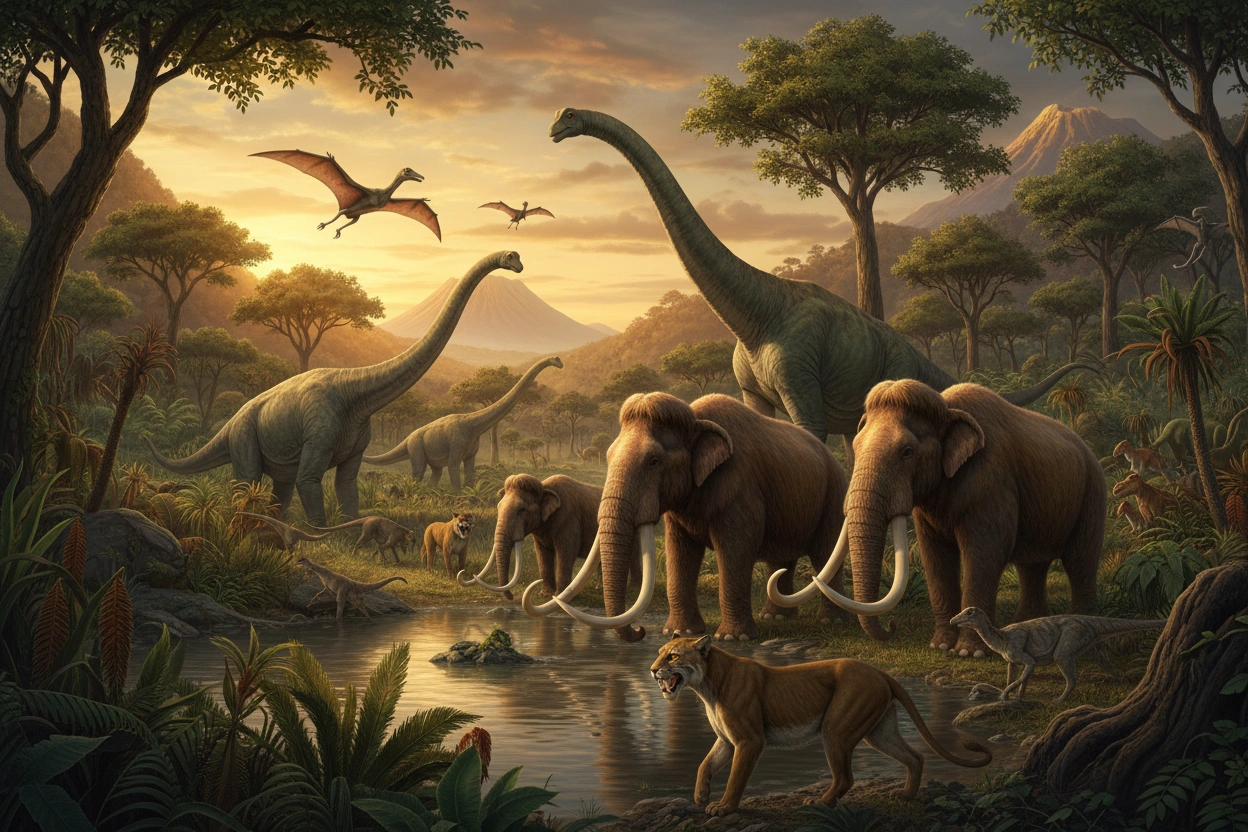
Exploring the adaptations of prehistoric animals leads us to some of the most fascinating creatures that ever existed. Here are ten remarkable extinct species that exemplify the incredible diversity and resilience of ancient wildlife during the Ice Age:
Woolly Mammoth (Mammuthus primigenius)
Saber-Toothed Cat (Smilodon)
Mastodon (Mastodon americanum)
Giant Ground Sloth (Megatherium)
Irish Elk (Megaloceros giganteus)
Woolly Rhinoceros (Coelodonta antiquitatis)
Short-Faced Bear (Arctodus simus)
Dire Wolf (Canis dirus)
Thylacine (Thylacinus cynocephalus)
Giant Beaver (Castoroides)

The prehistoric animals that adapted to Ice Age climates played critical roles in their ecosystems. Their interactions with the environment influenced vegetation patterns, soil composition, and the dynamics of other species. For instance, large herbivores like mammoths and mastodons contributed to the shaping of grasslands and open environments by grazing and trampling vegetation. This, in turn, created habitats for smaller species and diverse plant life.
Grazers such as woolly mammoths and giant ground sloths helped maintain the balance of their ecosystems. Their feeding habits prevented overgrowth of certain plant species, ensuring a diverse and healthy environment. The loss of these herbivores during extinction events led to significant ecological changes, demonstrating the interconnectedness of prehistoric wildlife and their habitats.
Predators like the saber-toothed cat and dire wolf played essential roles in regulating herbivore populations. By preying on the weaker individuals, they contributed to the overall health of the species. This natural selection process ensured that only the fittest individuals survived and reproduced, maintaining genetic diversity within populations.
Despite the wealth of knowledge surrounding prehistoric animals, several misconceptions persist. Addressing these can enhance our understanding of ancient wildlife and their adaptations:
Misconception 1: All prehistoric animals were gigantic: While many were larger than modern counterparts, not all prehistoric species were massive. For instance, many small mammals thrived alongside larger species.
Misconception 2: Ice Age creatures were only found in cold climates: Many prehistoric animals adapted to a range of environments, including forests, grasslands, and even tropical areas. Their adaptability allowed them to inhabit diverse ecosystems.
Misconception 3: Extinction was solely due to climate change: While climate change played a significant role, human activity and hunting also contributed to the extinction of many species. The interplay of various factors is crucial in understanding the dynamics of extinction events.
The adaptations of prehistoric animals provide valuable lessons for contemporary wildlife in the face of climate change. As temperatures rise and habitats shift, understanding these adaptations can inform conservation efforts and wildlife management strategies.
Habitat Restoration: Restoring habitats to mimic ancient ecosystems can provide essential resources for modern wildlife. Creating environments that support diverse flora and fauna can enhance resilience.
Migration Corridors: Establishing migration corridors allows wildlife to move between habitats, adapting to changing climates. This mirrors the migratory patterns of prehistoric animals seeking warmer climates during cold spells.
Genetic Diversity Programs: Encouraging genetic diversity within endangered species can enhance their adaptability. Just as prehistoric animals evolved to survive, modern species can benefit from a diverse gene pool that fosters resilience.
The extinction of prehistoric animals had profound implications for biodiversity. The loss of large herbivores and predators disrupted food chains and altered ecosystems, leading to the decline of certain species and the proliferation of others. Understanding these dynamics can inform current conservation strategies aimed at preventing further biodiversity loss.
The extinction of a single species can lead to a cascade of changes within an ecosystem. For example, the disappearance of large herbivores often results in overgrowth of vegetation, which can alter habitats and lead to declines in smaller herbivores that depend on specific plants. This interconnectedness highlights the importance of preserving biodiversity and maintaining ecosystem balance.
The story of prehistoric animals is one of resilience, adaptation, and ecological interdependence. As we face the challenges of climate change and habitat loss today, the lessons learned from these ancient creatures can guide us in preserving our planet's biodiversity.
By studying prehistoric animals, we not only gain insights into their adaptations but also understand the broader implications for our ecosystems. Organizations like the Banana Slug Club are dedicated to educating the public about wildlife conservation and the importance of preserving our natural heritage. comparing prehistoric animals and modern wildlife can provide further understanding of these dynamics.
The adaptations of prehistoric animals to Ice Age climates remind us of the resilience of life in the face of change. As we navigate the complexities of modern environmental challenges, we can draw inspiration from these ancient species.
Incorporating the lessons learned from prehistoric adaptations into contemporary conservation efforts is essential for ensuring the survival of today's wildlife. The Banana Slug Club plays a pivotal role in advocating for wildlife education and conservation, helping individuals understand the importance of preserving biodiversity for future generations.
As you explore the fascinating world of ancient wildlife, consider how you can contribute to wildlife conservation efforts. To learn more about how you can make a difference, contact Banana Slug Club for more information on our initiatives and programs. Together, we can ensure that the legacy of these remarkable creatures lives on in our ecosystems.
Get free resources, early access to new features and updates.
No spam. Just fun educational emails!


.svg)
.svg)