How Prehistoric Animals Adapted: Lessons from Extinct Species

No items found.
Updated on:
August 27, 2026
Adaptations of Prehistoric Animals: Survival Lessons
Updated on:
August 27, 2026

How Prehistoric Animals Adapted: Lessons from Extinct Species

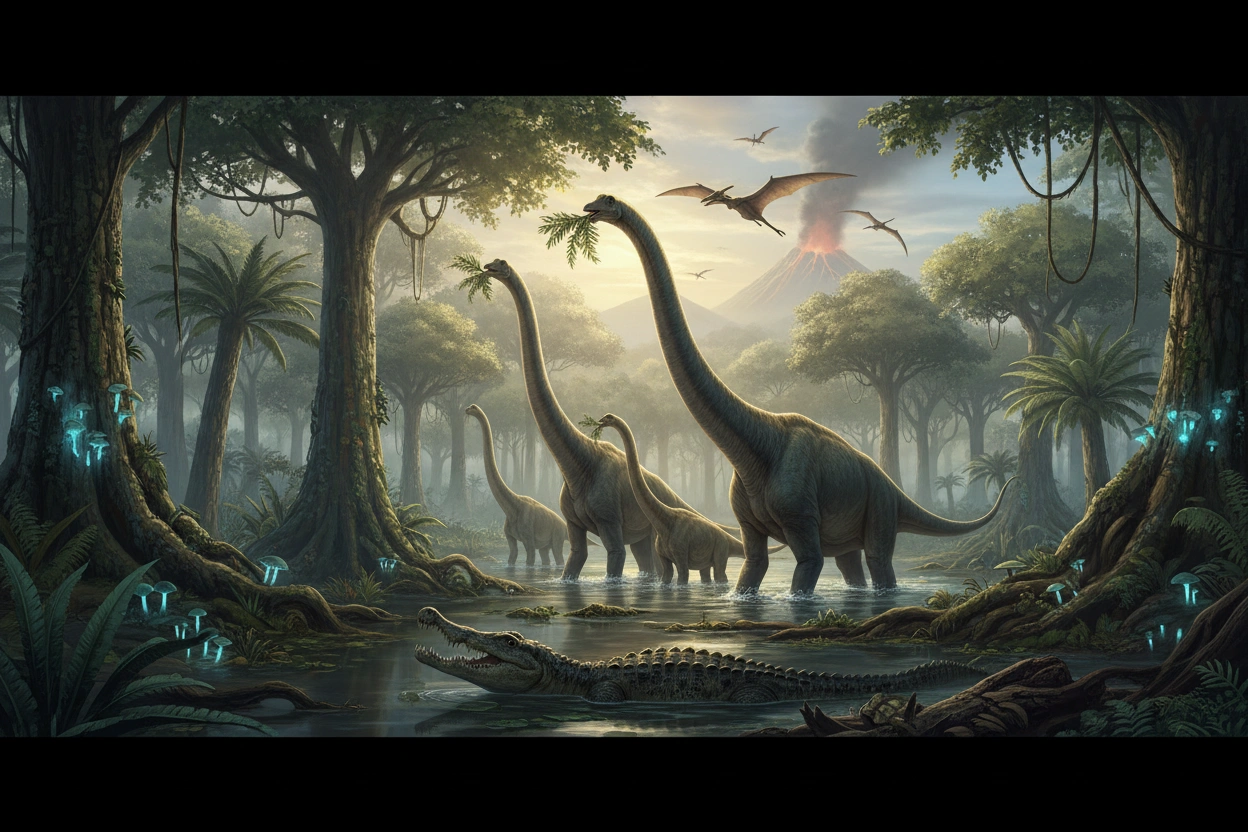
The study of prehistoric animals offers a fascinating glimpse into the Earth's history and the evolution of life. These ancient creatures, which roamed the planet millions of years ago, adapted in remarkable ways to survive in their environments. From the towering dinosaurs to the diminutive mammoths, the adaptations of these species provide valuable insights that can help us understand the principles of survival and resilience. In this article, we will delve into the adaptations of prehistoric animals, explore the lessons from ancient ecosystems, and highlight the top ten most fascinating extinct animals you should know about.
Understanding Adaptation in Prehistoric Animals

Professional image illustrating Understanding Adaptation in Prehistoric Animals

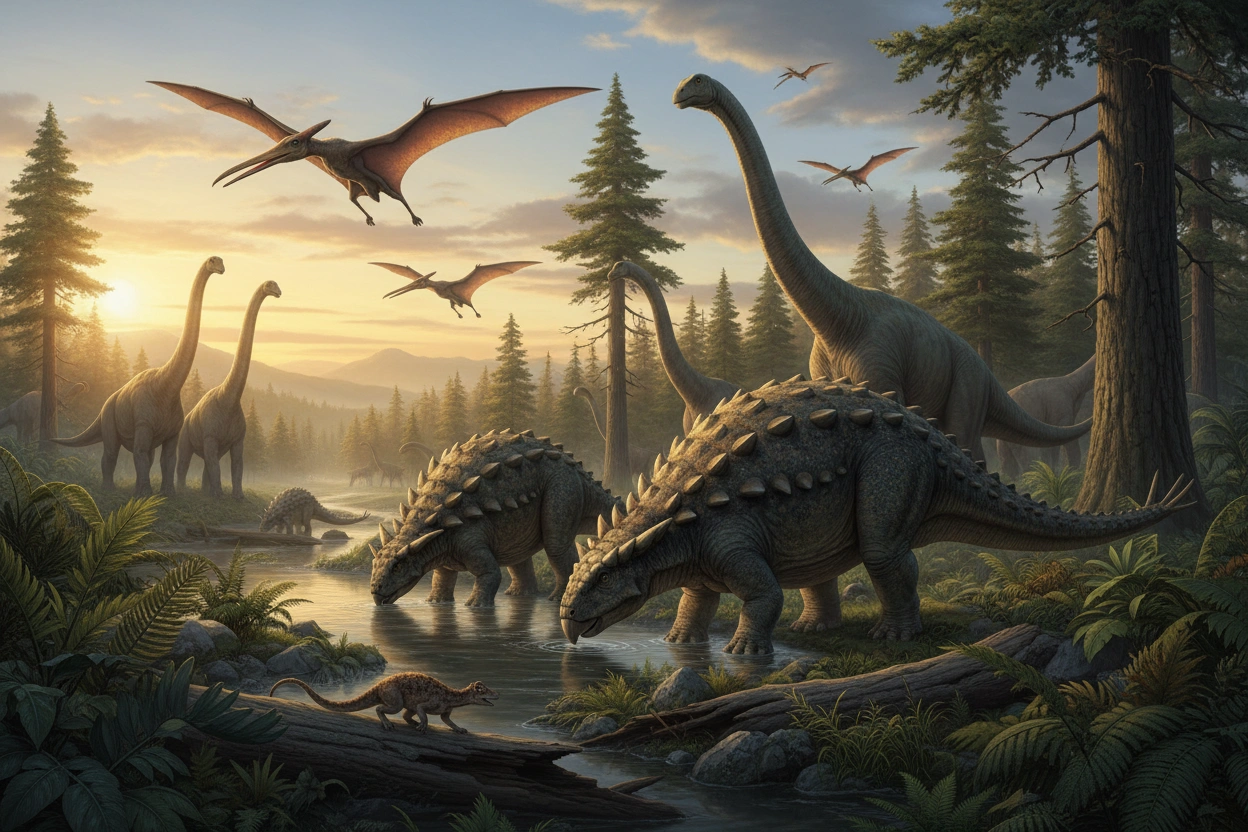
Adaptation is a fundamental concept in evolutionary biology. It refers to the process through which organisms evolve traits that enhance their ability to survive and reproduce in specific environments. Prehistoric animals exhibited a myriad of adaptations that allowed them to thrive in diverse ecosystems, from lush forests to arid deserts.

The Role of Natural Selection

Natural selection is a key driver of adaptation. In prehistoric times, species that developed advantageous traits were more likely to survive and pass those traits on to future generations. For example, the long neck of the sauropod dinosaurs enabled them to reach high vegetation, giving them access to food that other herbivores could not reach.

  • Survival of the Fittest: The concept of "survival of the fittest" illustrates how those best suited to their environment thrive, while others face extinction.
  • Environmental Pressures: Factors such as climate change, predation, and competition for resources influenced the adaptive strategies of prehistoric animals.

Types of Adaptations

Adaptations can be classified into several categories, including morphological, physiological, and behavioral adaptations.

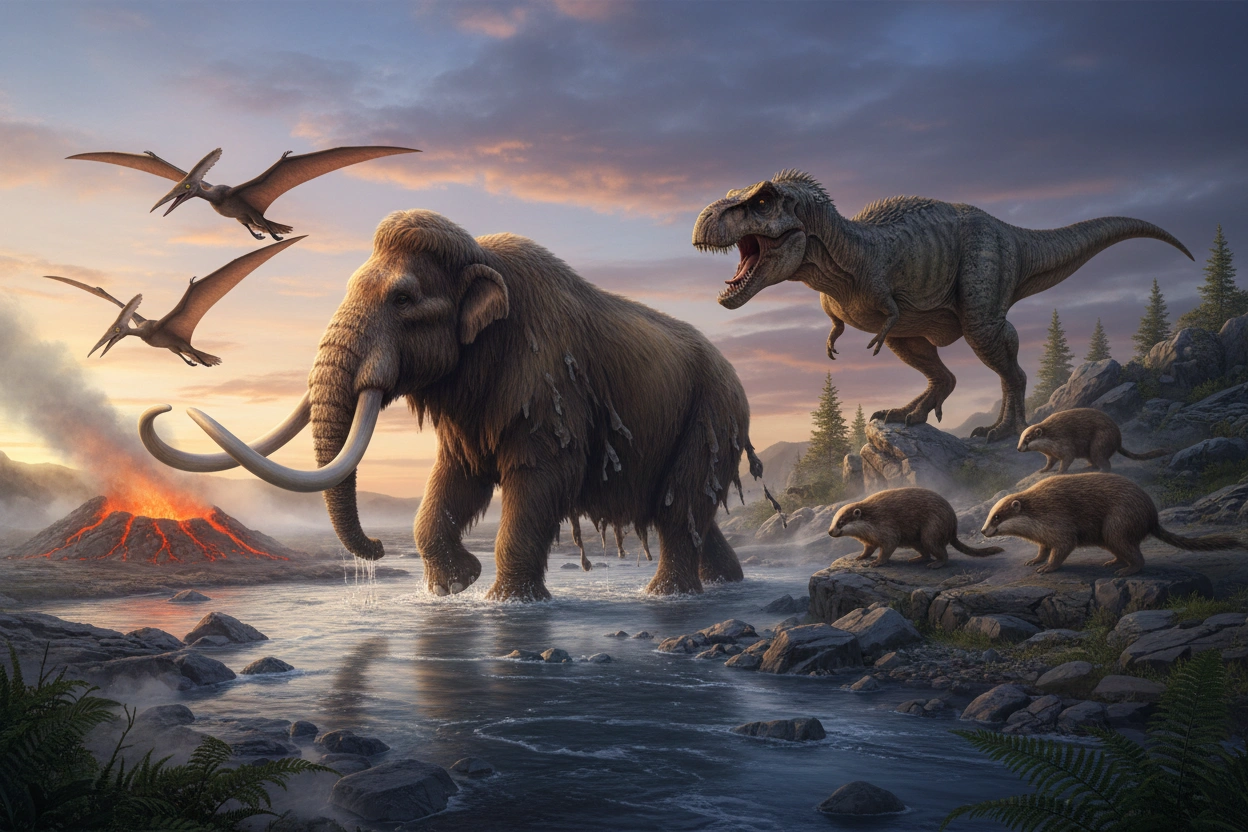
  • Morphological Adaptations: These involve physical changes in structure, such as the thick fur of woolly mammoths for insulation in cold climates.
  • Physiological Adaptations: These are internal changes that enhance survival, such as the ability of some reptiles to regulate their body temperature.
  • Behavioral Adaptations: These include changes in behavior, such as migration patterns to follow food sources.

Understanding these adaptations not only sheds light on the past but also provides context for the challenges faced by modern wildlife and ecosystems.
Top 10 Most Fascinating Extinct Animals You Should Know About

Professional image illustrating Top 10 Most Fascinating Extinct Animals You Should Know About

The world of prehistoric animals is rich with diversity and intrigue. Here, we present a list of the top ten most fascinating extinct animals, highlighting their unique adaptations and significance in the study of evolution.

  1. Tyrannosaurus Rex

    • Known for its massive size and formidable teeth, the T. Rex was an apex predator of its time. Its strong hind limbs and keen sense of smell were adaptations that enhanced its hunting capabilities.
  2. Woolly Mammoth

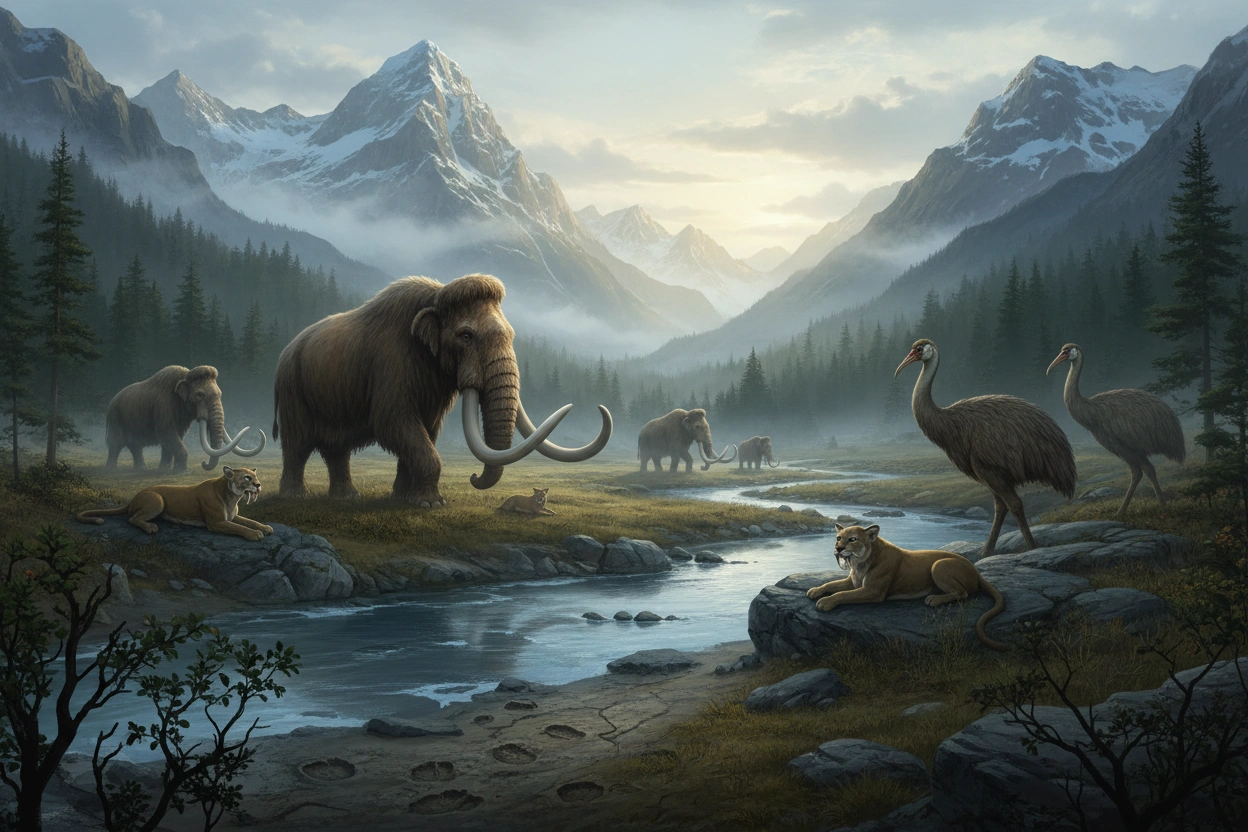
    • Adapted to cold environments, woolly mammoths had long, shaggy fur and a thick layer of fat beneath their skin. Their large tusks were used for digging through snow to reach vegetation. adapted to cold environments
  3. Saber-Toothed Cat (Smilodon)

    • Renowned for its elongated canine teeth, the saber-toothed cat was a powerful predator. Its muscular build and keen senses allowed it to ambush prey effectively.
  4. Megalodon

    • This colossal shark was one of the largest predators to ever roam the oceans. Its massive teeth and powerful jaws were adaptations for hunting large marine animals.
  5. Dodo Bird

    • The dodo was flightless, with a stout body and a large beak. Its adaptations reflected its island habitat, where it faced few natural predators before human arrival led to its extinction.
  6. Triceratops

    • With its three distinctive facial horns and large frill, the triceratops was well-equipped for defense against predators. These adaptations also played a role in social interactions among its species.
  7. Pterosaur (Pteranodon)

    • As a flying reptile, the Pteranodon had elongated wings and a lightweight body. These adaptations allowed it to soar above land and sea in search of food.
  8. Megalania

    • This giant lizard from Australia was a top predator in its environment. Its large size and powerful limbs were adaptations that enabled it to hunt effectively.
  9. Giant Ground Sloth (Megatherium)

    • The giant ground sloth had a massive body and long claws, adapted for foraging on vegetation. Its size helped it deter predators in its habitat.
  10. Irish Elk

    • Known for its enormous antlers, the Irish elk was a herbivore that roamed across Europe and Asia. Its impressive antlers were likely used for display during mating rituals.

These prehistoric animals exemplify how diverse adaptations can be, providing insights into the influenced the evolution of modern wildlife that shape life on Earth.
Lessons from Prehistoric Animals for Modern Wildlife

Professional image illustrating Lessons from Prehistoric Animals for Modern Wildlife

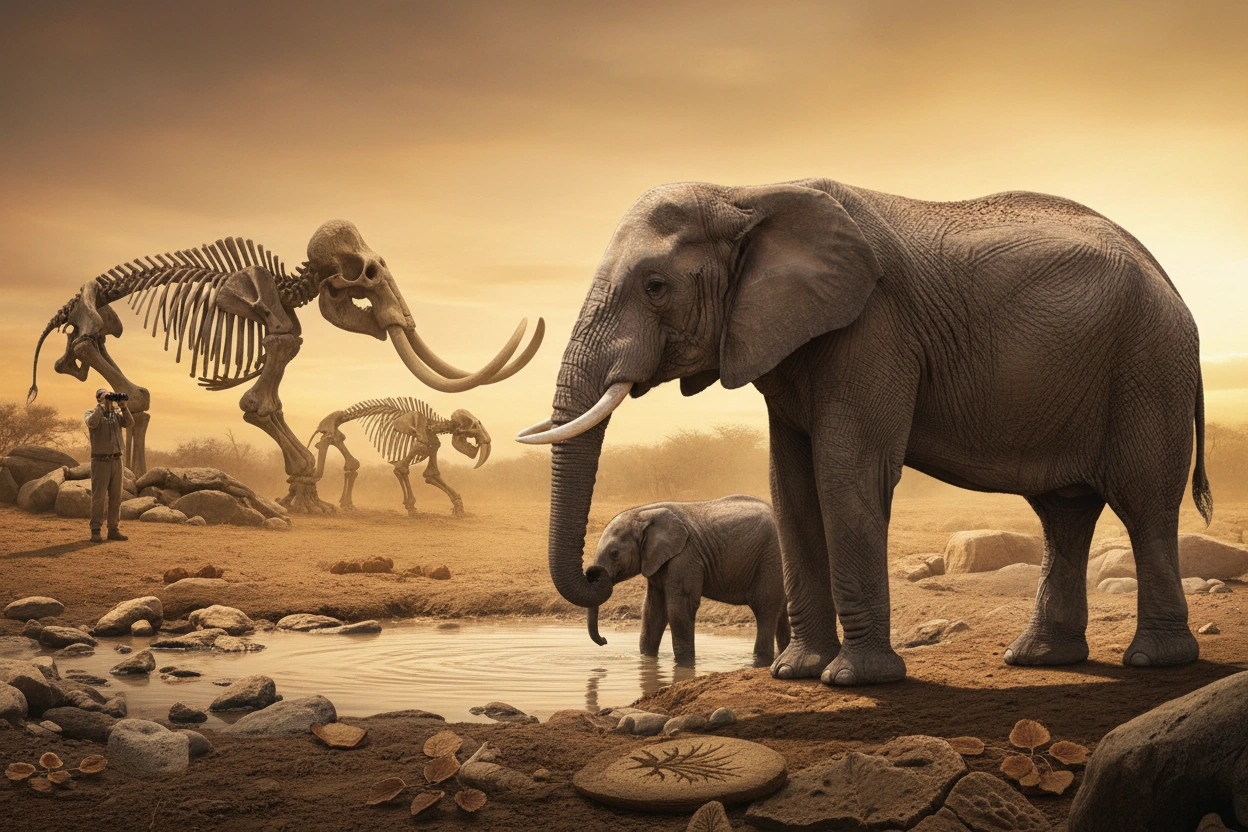
The adaptations of prehistoric animals offer valuable lessons that can be applied to contemporary issues in wildlife conservation and environmental management. Understanding how these ancient species adapted to their environments can inform strategies for preserving biodiversity and promoting resilience in the face of climate change.

The Importance of Biodiversity

Biodiversity is crucial for the health of ecosystems. The extinction of prehistoric animals often resulted from environmental changes and human activities.

  • Ecosystem Stability: A diverse range of species contributes to ecosystem stability. The loss of a single species can disrupt food chains and lead to further extinctions.
  • Conservation Efforts: Learning from the past can guide current conservation efforts, emphasizing the need to protect habitats and promote species diversity.

Adapting to Change

Prehistoric animals had to adapt to changing conditions, a lesson that is particularly relevant today as climate change accelerates.

  • Adaptive Strategies: Modern wildlife can benefit from adaptive management strategies that allow for flexibility in response to environmental shifts.
  • Habitat Restoration: Restoring natural habitats can provide wildlife with the resources needed to thrive amidst changing conditions.

Human Impact and Responsibility

The extinction of many prehistoric animals was largely driven by human actions. This emphasizes the responsibility we hold in protecting remaining species and their habitats.

  • Sustainable Practices: Promoting sustainable practices in agriculture, forestry, and urban development can help mitigate negative impacts on wildlife.
  • Education and Advocacy: Raising awareness about the importance of conservation can foster a sense of responsibility among communities and individuals.

Common Misconceptions about Prehistoric Animals

Despite the wealth of information available about prehistoric animals, several misconceptions persist. Addressing these myths can enhance our understanding of these fascinating creatures and their adaptations.

Myth 1: Dinosaurs Were All Gigantic

While many dinosaurs were indeed large, not all were. Some species were quite small, and size varied significantly among different species.

  • Example: The Compsognathus was a small dinosaur, about the size of a chicken, showcasing the diversity in dinosaur sizes.

Myth 2: Prehistoric Animals Lived in a Constantly Warm Climate

Many assume that prehistoric times were uniformly warm, but climate varied significantly across different epochs.

  • Example: The Ice Age saw the emergence of woolly mammoths and saber-toothed cats, adapted to cold environments.

Myth 3: Extinction is a Recent Phenomenon

Extinction has been a natural part of evolution for millions of years, long before human influence.

  • Example: The mass extinction event at the end of the Cretaceous period led to the demise of the dinosaurs, long before humans existed.

Correcting these misconceptions can deepen our appreciation for the complexity of prehistoric life and the factors that shaped it.

The Relevance of Prehistoric Animals in Modern Science

Studying prehistoric animals is not merely an academic pursuit; it has practical implications for various fields, including biology, ecology, and climate science.

Evolutionary Biology

The study of prehistoric animals provides critical insights into the mechanisms of evolution. By examining fossil records reveal secrets, scientists can trace the lineage of modern species and understand the evolutionary pressures that shaped them.

  • Phylogenetics: This branch of biology uses genetic data to construct evolutionary trees, helping to illustrate relationships among species.

Climate Change Research

Understanding how prehistoric animals adapted to past climate changes can inform predictions about how current species may respond to ongoing changes.

  • Paleoecology: This field examines ancient ecosystems, providing context for current ecological challenges and potential resilience strategies.

Conservation Biology

Insights gained from the study of extinct species can inform conservation efforts for endangered species today.

  • Restoration Ecology: By understanding the historical range of species and their habitats, ecologists can better design restoration projects that aim to revive ecosystems.

Embracing the Lessons of Prehistoric Animals Today

The adaptations of prehistoric animals provide not only a glimpse into the past but also a guide for navigating the challenges of the present and future. By studying their survival strategies, we can develop more effective conservation practices and foster resilience in both wildlife and ecosystems.

Engaging with Nature

To truly appreciate the lessons of prehistoric animals, individuals can engage with nature through educational programs, wildlife conservation efforts, and community initiatives.

  • Volunteering: Participating in local conservation projects can help protect habitats and promote biodiversity.
  • Educational Resources: Utilizing resources to learn about prehistoric animals can inspire curiosity and a deeper understanding of ecological systems.

Advocacy for Wildlife Protection

Advocating for policies that protect wildlife and their habitats is essential in ensuring that the lessons learned from prehistoric animals are not forgotten.

  • Policy Engagement: Individuals can support legislation that aims to protect endangered species and their ecosystems.
  • Community Involvement: Engaging with local conservation organizations can amplify efforts to raise awareness and drive action.

The Intersection of Prehistoric Wisdom and Modern Conservation

The lessons derived from prehistoric animals underscore the interconnectedness of life on Earth. As we face unprecedented environmental challenges, the wisdom of these ancient creatures can guide our actions today. The adaptations that enabled prehistoric animals to thrive offer a framework for resilience, sustainability, and conservation efforts.

Banana Slug Club is dedicated to fostering understanding and appreciation for wildlife, helping individuals connect with nature and learn from our planet's history. By embracing the lessons of prehistoric animals, we can work together to protect and preserve the incredible diversity of life on Earth.

To explore how you can get involved and apply the insights from prehistoric animals, visit Banana Slug Club today. Together, we can ensure that the lessons of the past inform a sustainable future for all species.

Join the Banana Slug Club!

Get free resources, early access to new features and updates.
No spam. Just fun educational emails!