The world of prehistoric animals is both fascinating and complex, providing insights into ancient ecosystems that shaped the planet as we know it today. Fossil records serve as the primary source of information about these creatures, allowing scientists to reconstruct their physical characteristics, behaviors, and environments. By studying these ancient remains, we can uncover secrets that highlight the evolutionary history of life on Earth. This article will delve into how fossil records reveal secrets of prehistoric animals, focusing on the top ten most fascinating extinct animals you should know about.

Fossil records are crucial for studying prehistoric animals as they provide a tangible link to the past. These remains can include bones, teeth, shells, and even traces of behavior such as footprints or burrows. The study of fossils, known as paleontology, has evolved significantly over the years, enabling researchers to glean information about extinct species and their habitats.
Understanding the formation of fossils is essential in appreciating the stories they tell. Fossils are formed through a process called fossilization, which typically occurs in the following stages:
This process can take thousands to millions of years, making the study of fossils a window into a distant past.
Modern technology has revolutionized the field of paleontology, allowing for more detailed analysis of fossils. Techniques such as computed tomography (CT) scanning, isotopic analysis, and 3D modeling enable researchers to examine fossils non-destructively and in great detail. These advancements have led to new discoveries about the biology and ecology of prehistoric animals, enhancing our understanding of their lives.

The study of prehistoric animals is enriched by the discovery of various fascinating species that once roamed the Earth. Here are ten of the most intriguing extinct animals that have captured the imagination of scientists and enthusiasts alike.
Woolly mammoths were large, elephant-like creatures that lived during the last Ice Age. With their long, curved tusks and thick fur, they were well-adapted to cold environments. Fossil evidence suggests they primarily inhabited the tundra regions of Europe, Asia, and North America. Their extinction is believed to be a result of climate change and overhunting by humans.
The saber-toothed cat, often mistakenly referred to as a tiger, was a formidable predator known for its elongated canine teeth. These cats lived in North and South America during the Pleistocene epoch. They are believed to have hunted large herbivores such as bison and camels, and their extinction is attributed to changing climates and prey availability.
The dodo is an iconic example of extinction caused by human activity. This flightless bird was native to Mauritius and became extinct in the late 17th century due to hunting and the introduction of invasive species. Fossil records of the dodo provide insight into its physical characteristics and ecological role in its native habitat.
Megalodon was a massive prehistoric shark that lived approximately 23 to 3.6 million years ago. It is estimated to have reached lengths of up to 60 feet, making it one of the largest predators to ever roam the oceans. Fossilized teeth and vertebrae provide evidence of its size and predatory behavior, highlighting its role in marine ecosystems.
Triceratops is one of the most recognizable dinosaurs, characterized by its three facial horns and large bony frill. Fossil evidence indicates that these herbivorous dinosaurs lived in herds, providing insights into their social behavior. Their extinction, alongside many other dinosaurs, is linked to the catastrophic events at the end of the Cretaceous period.
The woolly rhinoceros was another remarkable creature adapted to cold environments. With a thick coat of fur and a large horn, it roamed the tundra of Europe and Asia during the Ice Age. Fossil remains have been found preserved in permafrost, offering a glimpse into its lifestyle and habitat.
The Irish elk is known for its enormous antlers, which could span up to 12 feet. This prehistoric deer lived across Europe and Asia during the Pleistocene epoch. Fossil records reveal that they thrived in open woodlands and grasslands, and their extinction is attributed to climate change and hunting.
Plesiosaurs were marine reptiles that lived during the age of dinosaurs. Characterized by their long necks and small heads, they were formidable predators in the oceans. Fossils of plesiosaurs have been found worldwide, and their unique body structure provides insight into the evolution of marine reptiles.
Argentinosaurus was one of the largest land animals to ever exist, estimated to weigh over 100 tons. This massive sauropod dinosaur lived during the Late Cretaceous period in what is now Argentina. Fossilized bones and tracks help scientists understand its size and the environments it inhabited.
Once one of the most abundant birds in North America, the passenger pigeon became extinct in the early 20th century due to overhunting and habitat destruction. Fossil records, along with historical accounts, provide valuable information about its population dynamics and the impact of human activities on wildlife.
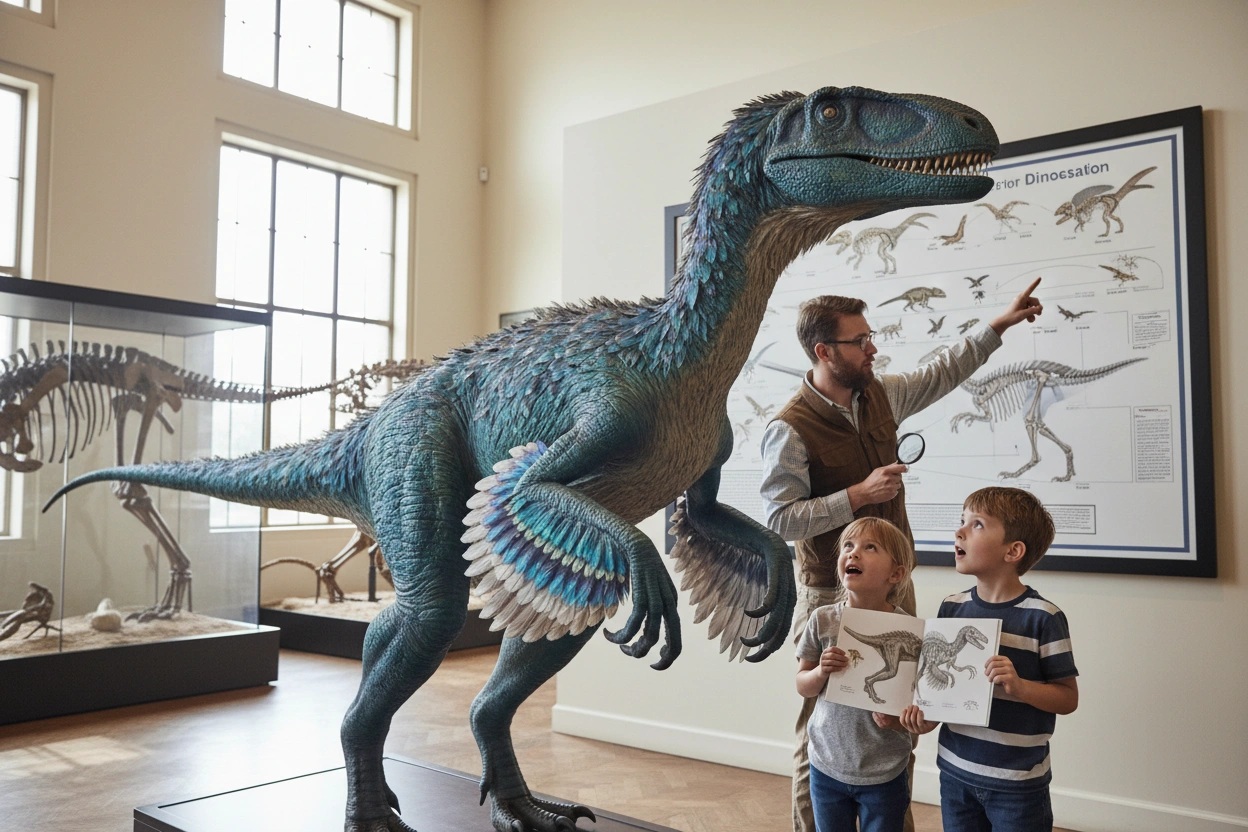
Despite the wealth of knowledge gained from fossil records, several misconceptions about prehistoric animals persist. Addressing these can enhance our understanding of these fascinating creatures.
Many people mistakenly believe that dinosaurs were the only prehistoric animals. While dinosaurs were indeed dominant during the Mesozoic era, they coexisted with a diverse range of other species, including mammals, reptiles, and marine life. The extinction of dinosaurs did not mark the end of prehistoric life; many other fascinating creatures emerged in subsequent epochs.
Another common misconception is that all prehistoric animals were enormous. While some species, like the Argentinosaurus, were indeed massive, many prehistoric animals were relatively small. The fossil record shows a diverse range of sizes and adaptations among prehistoric species, reflecting various ecological niches.
Fossils are often thought of as merely old bones, but they encompass a broader range of remains, including soft tissues, footprints, and even coprolites (fossilized feces). These various forms of fossils provide a wealth of information about the biology and behavior of prehistoric animals.
As technology continues to advance, the field of paleontology is poised for exciting developments. Innovations such as DNA analysis from ancient remains and improved imaging techniques are opening new avenues for research. These advancements will likely lead to more precise reconstructions of prehistoric animals and their environments.
The future of paleontology will also see increased collaboration between various scientific disciplines. Integrating genetics, geology, and climate science will provide a more holistic understanding of how prehistoric animals lived and adapted to their environments. Such interdisciplinary approaches will enhance our ability to predict how current species may respond to ongoing environmental changes.
Public interest in prehistoric animals remains high, and engaging educational initiatives can foster a deeper appreciation for paleontology. Museums, documentaries, and interactive exhibits can help bridge the gap between scientific research and public understanding, inspiring future generations to explore the secrets of ancient wildlife.
Understanding prehistoric animals through fossil records not only highlights the diversity of life on Earth but also emphasizes the importance of conservation today. the Banana Slug Club is dedicated to promoting awareness of wildlife and the ecosystems that support them. By educating the public about prehistoric animals, we can draw parallels to modern conservation efforts, emphasizing the need to protect our planet's biodiversity.
In conclusion, the study of prehistoric animals through fossil records is a captivating journey into the past that reveals the complexities of life on Earth. The insights gained from these ancient remains not only enhance our understanding of evolution but also underscore the importance of preserving current ecosystems.
For those eager to learn more about wildlife and ecosystems conservation and prehistoric studies, visit the Banana Slug Club. Together, we can ensure that the lessons of the past inform our actions in the present and future. Contact Banana Slug Club for more information on how you can get involved and support wildlife conservation efforts.
Get free resources, early access to new features and updates.
No spam. Just fun educational emails!


.svg)
.svg)