
Insects play an indispensable role in the ecosystem, influencing biodiversity through their behaviors and interactions. As of 2026, the world is home to approximately 10 million insect species, with new discoveries occurring regularly. These creatures, despite their small size, have a significant impact on various ecological processes, including pollination, decomposition, and nutrient cycling. Understanding insect behavior patterns is crucial for recognizing their contributions to biodiversity and the overall health of our planet.
In this article, we will delve into the fascinating world of insects, exploring how their behaviors shape ecosystems and discussing the top ten most intriguing insect species. By examining these elements, we can better appreciate the vital role insects play in maintaining biodiversity and the delicate balance of natural environments.
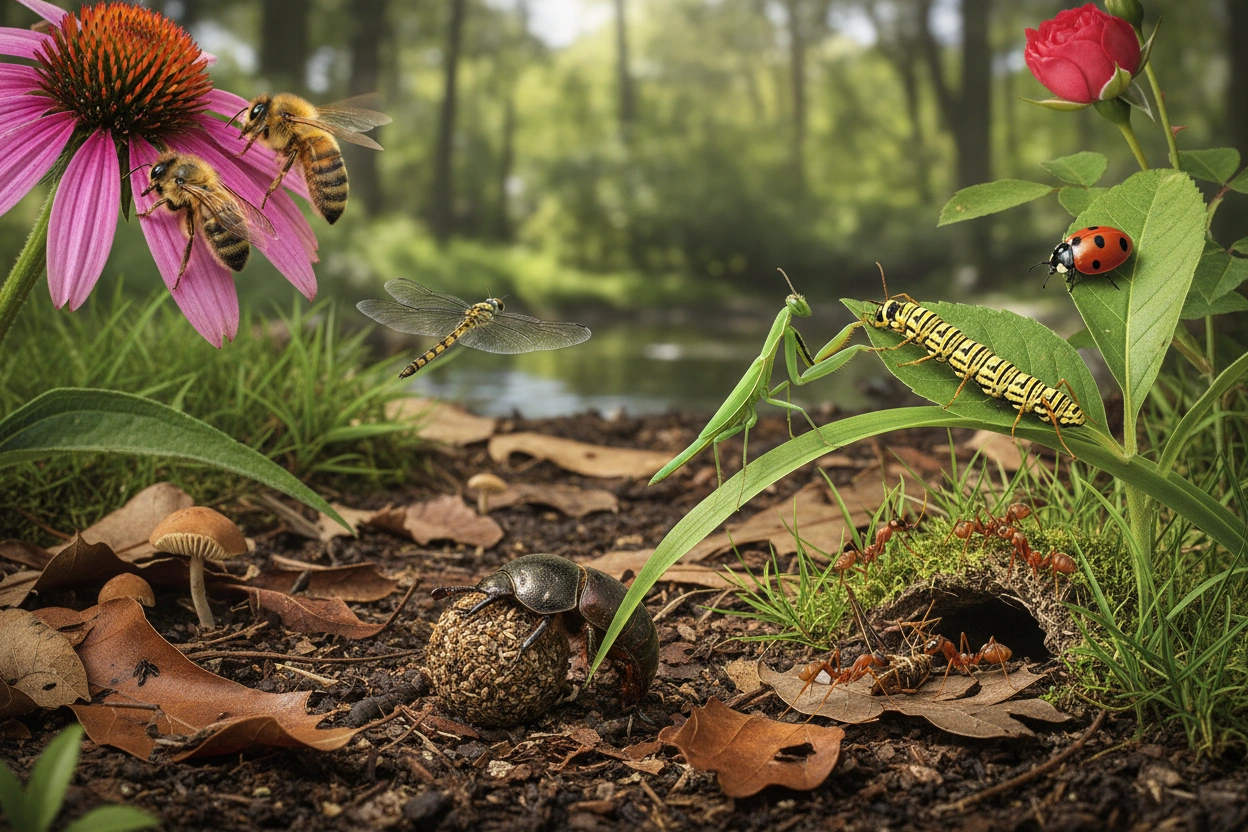
Insects are often referred to as nature's workhorses due to their critical roles in various ecological processes. They contribute to the ecosystem in numerous ways, including:
Pollination is one of the most well-known roles of insects. Many plants depend on insects for the transfer of pollen, which is essential for reproduction. Bees, butterflies, and other pollinators facilitate the growth of fruits, vegetables, and flowers, making them indispensable for agricultural systems. Research indicates that approximately 75% of flowering plants rely on animal pollinators, highlighting the crucial connection between insects and plant biodiversity.
Insects also play a vital role in the decomposition process. They break down organic matter, such as dead plants and animals, returning essential nutrients to the soil. This process not only enriches the soil but also supports the growth of new plants. For instance, beetles, ants, and termites are known for their efficiency in decomposing organic materials. Their activities enhance soil fertility and promote healthy ecosystems.
Nutrient cycling is another critical function of insects in ecosystems. Insects contribute to the movement and transformation of nutrients within ecosystems, ensuring that essential elements like nitrogen and phosphorus are available for plant growth. This process is vital for maintaining soil health and overall ecosystem productivity.
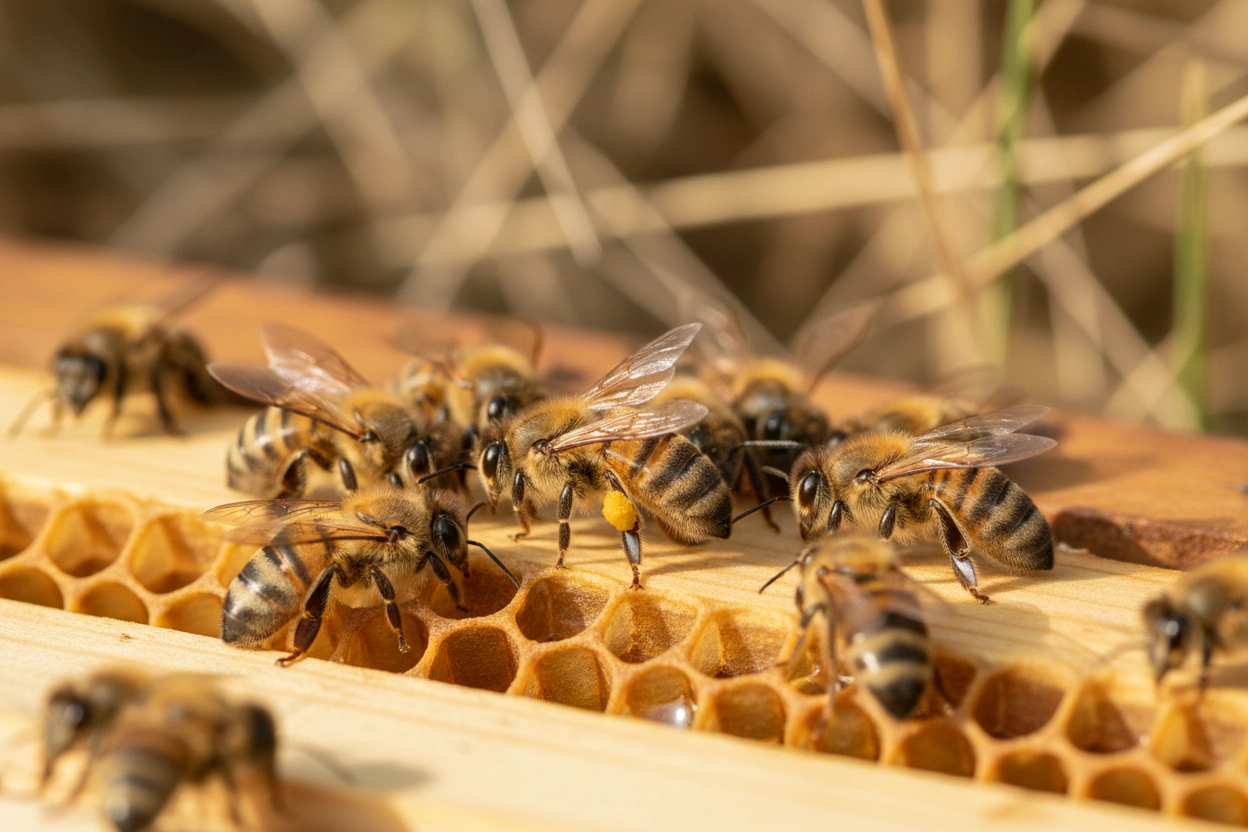
The behavior of insects is influenced by various factors, including environmental conditions, social structures, and evolutionary adaptations. Understanding these behavior patterns is essential for recognizing how insects interact with their environment and contribute to biodiversity.
Many insect species exhibit complex social behaviors, particularly in colonies or hives. Ants and bees are prime examples of social insects that work together to build nests, forage for food, and protect their colonies. These social structures enable them to thrive in diverse environments, showcasing the importance of cooperation in their survival.
Foraging behavior in insects is another critical aspect of their ecology. Insects like bees and butterflies utilize specific strategies to locate food sources. They often rely on sensory cues, such as color and scent, to identify flowers rich in nectar. Understanding these foraging behaviors can aid in the conservation of pollinator populations and the plants they support.
Mating behaviors among insects can be elaborate and varied. Many species have unique courtship displays, pheromone signaling, or mating calls that attract potential partners. These behaviors ensure genetic diversity within populations, which is essential for the adaptability and resilience of insect species.
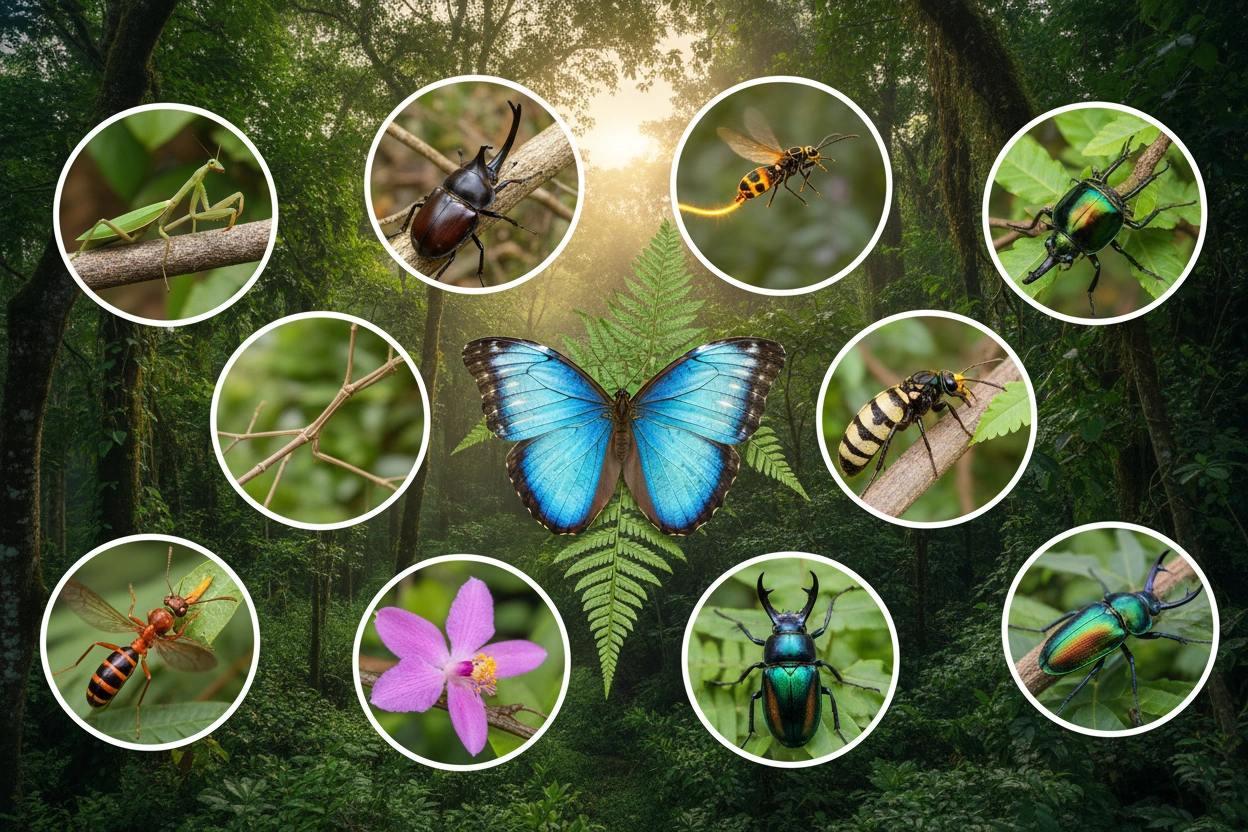
Insects exhibit a remarkable diversity of forms, behaviors, and ecological roles. Here, we explore ten of the most fascinating insect species, each illustrating unique adaptations that contribute to biodiversity.
The Monarch butterfly is renowned for its incredible migration journey, traveling thousands of miles from North America to central Mexico. This remarkable feat highlights their navigational skills and the importance of preserving migratory routes for biodiversity.
The bombardier beetle has a unique defense mechanism that involves ejecting a hot, noxious chemical spray to deter predators. This fascinating behavior showcases the evolutionary adaptations that insects have developed for survival.
Leafcutter ants are known for their complex social structures and their unique ability to cultivate fungus. By cutting leaves and transporting them back to their nests, they create a sustainable food source for their colony, illustrating the intricate relationships within ecosystems.
Fireflies are famous for their bioluminescence, which they use for communication and mating. The light produced by fireflies has fascinated people for generations and serves as an example of how insects have adapted their behaviors for reproductive success.
The Goliath beetle is one of the largest insect species, known for its striking appearance and impressive size. These beetles play a role in their ecosystems as decomposers, contributing to nutrient cycling.
The praying mantis is a predatory insect known for its unique hunting techniques and striking appearance. They are often used as natural pest control agents, showcasing the benefits of insects in agricultural systems.
Stick insects exhibit incredible camouflage, mimicking twigs and branches to evade predators. This adaptation demonstrates the importance of survival strategies in maintaining insect populations.
Honeybees are essential pollinators that contribute significantly to agriculture and biodiversity. Their complex social structures and foraging behaviors highlight their importance in maintaining healthy ecosystems.
Dragonflies are skilled predators, consuming vast numbers of mosquitoes and other insects. Their presence in an ecosystem indicates good water quality and health, underscoring the interconnectedness of aquatic and terrestrial environments.
Cicadas are known for their distinctive mating calls and unique life cycles, with some species emerging after several years underground. Their emergence patterns contribute to the dynamics of local ecosystems, affecting plant and animal interactions.
Despite their importance, many misconceptions about insects persist. Addressing these misconceptions can help foster a better understanding of their role in biodiversity.
While some insects can be pests, the majority play beneficial roles in ecosystems. For example, pollinators like bees and butterflies are crucial for food production, while decomposers like beetles enrich soil health.
Not all insects pose threats to humans or plants. Many species are harmless and provide essential services, such as pest control and pollination. Recognizing the positive contributions of insects can lead to more effective conservation efforts.
Insects exhibit complex behaviors and social structures that demonstrate their intelligence and adaptability. Understanding these complexities can enhance our appreciation for their contributions to biodiversity.
To support biodiversity and protect insect populations, consider the following actionable strategies:
Create Pollinator Gardens
Plant native flowers that attract pollinators to provide food sources and habitats for insects.
Reduce Pesticide Use
Minimize the use of harmful pesticides in gardens and agricultural practices to protect beneficial insect populations.
Support Local Conservation Efforts
Engage with local organizations focused on preserving habitats and promoting biodiversity initiatives.
Educate Others
Share knowledge about the importance of insects and their roles in ecosystems to raise awareness and foster appreciation.
Insects are not just a component of our ecosystems; they are fundamental to the intricate web of life that sustains our planet. Their behaviors, from pollination to decomposition, illustrate the complex interdependencies that characterize biodiversity. As we continue to explore the fascinating world of insects, it becomes clear that their survival is intrinsically linked to the health of our ecosystems.
The Banana Slug Club is dedicated to promoting awareness and understanding of biodiversity, including the vital role insects play in our environment. By engaging with educational resources and community initiatives, you can contribute to the conservation of these essential creatures.
If you're interested in learning more about how to support biodiversity and the role of insects, visit Banana Slug Club. Together, we can make a difference in preserving our planet's natural heritage.
Get free resources, early access to new features and updates.
No spam. Just fun educational emails!


.svg)
.svg)