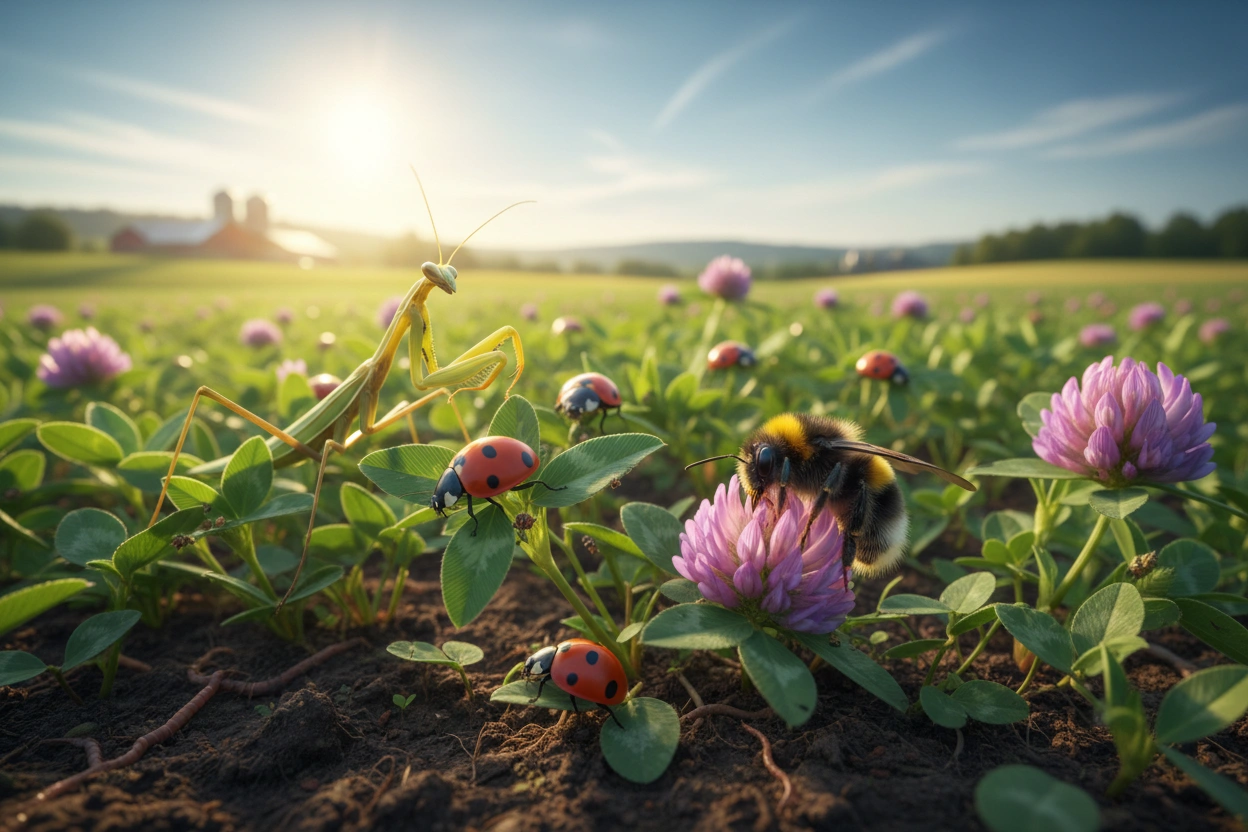
Insects play a pivotal role in the ecosystem, significantly influencing agriculture and crop yields. As of 2026, the understanding of insects extends beyond their nuisance characteristics; they are essential allies in sustainable farming practices. From pollination to natural pest control, insects contribute to the health and productivity of crops, making them indispensable in modern agriculture. This article will delve into how various insect species impact agriculture, along with a curated list of the top ten most fascinating insect species that contribute to these processes.

Insects are often perceived as pests, but their contributions to agriculture are profound. They serve crucial roles in various ecological functions that directly affect crop yields. Understanding these roles can help farmers and agricultural stakeholders optimize their practices to harness the benefits of these tiny allies.
One of the most significant contributions of insects to agriculture is pollination. Pollinators, primarily bees, butterflies, and some beetles, are responsible for the fertilization of over 75% of the world's flowering plants, including many crops. Without these insects, many fruits, vegetables, and nuts would fail to produce.
Bees: Honeybees and native bees are the most effective pollinators. Research shows that the presence of bee populations can increase crop yields significantly. For instance, studies have found that crops like almonds and blueberries can yield up to 50% more when pollinated by bees compared to those that are not.
Butterflies: While not as efficient as bees, butterflies also contribute to pollination. Their role is especially notable in certain ecosystems where they help in the reproduction of wildflowers, which, in turn, supports agricultural biodiversity.
Insects also play a crucial role in controlling pest populations, thereby reducing the reliance on chemical pesticides. Beneficial insects such as ladybugs, lacewings, and predatory beetles target harmful pests, maintaining a natural balance in the ecosystem.
Ladybugs: These insects are voracious consumers of aphids, a common pest that can devastate crops. A single ladybug can consume up to 5,000 aphids in its lifetime, making it an invaluable asset for organic farmers.
Parasitic Wasps: These tiny wasps lay their eggs inside or on pest insects, effectively controlling their populations. By promoting the presence of these beneficial species, farmers can enhance their pest management strategies without resorting to harmful chemicals.
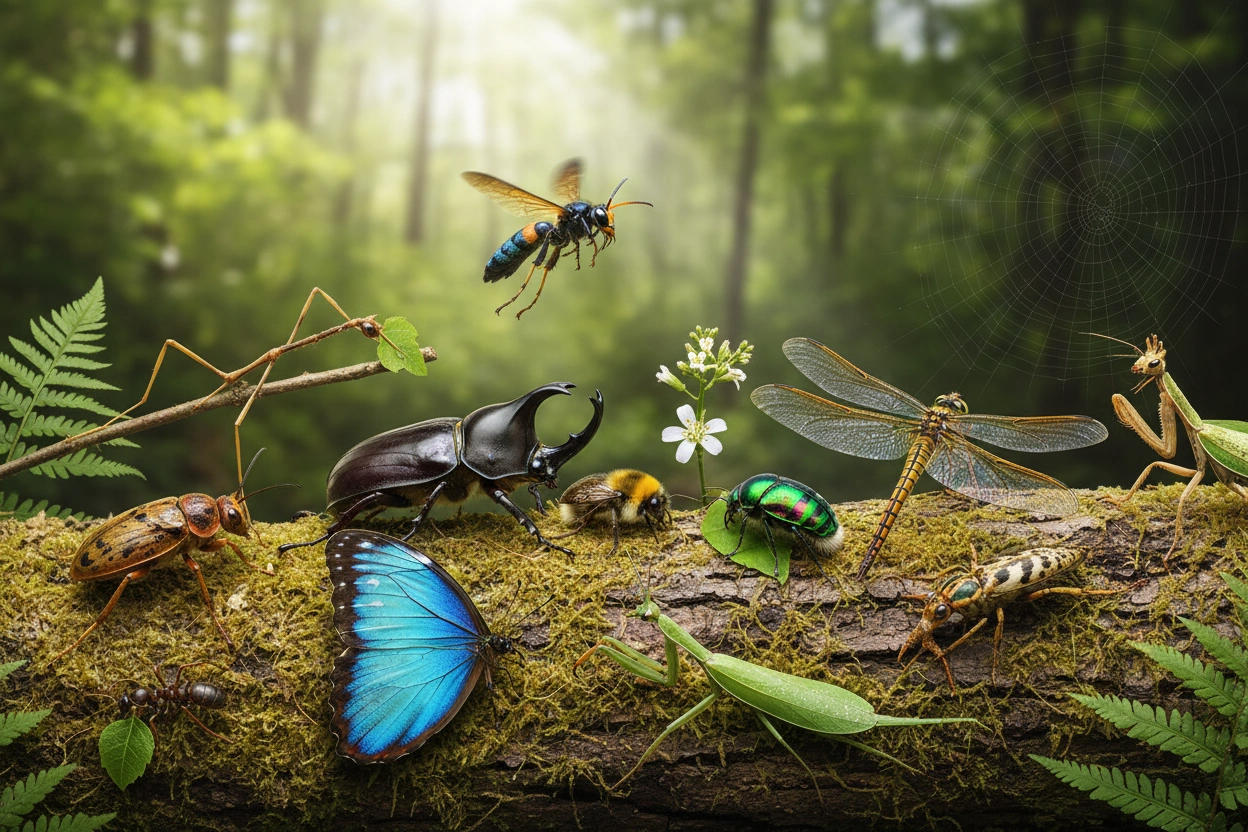
Insects are incredibly diverse, with some species showcasing remarkable traits that benefit agriculture and the environment. Here is a list of the top ten most fascinating insect species that play a significant role in agricultural systems.
Honeybees are the quintessential pollinators, crucial for the reproduction of many crops. Their social structure and ability to communicate through dances make them unique among insects.
This migratory butterfly not only adds beauty to the environment but also plays a role in pollination. The decline of monarch populations has raised concerns about biodiversity and agricultural health.
Known for their spotted appearance, ladybugs are beneficial insects that help control aphid populations, making them essential for organic farming.
Lacewing larvae are known as "aphid lions" due to their appetite for aphids and other pests. Their presence in crops is a natural pest control method.
While not an insect, earthworms are vital for soil health. They aerate the soil and enhance nutrient availability, indirectly supporting insect populations and crop growth.
Dragonflies are efficient predators of mosquito larvae and other pests, making them beneficial for pest management in agricultural settings.
Certain ant species engage in mutualistic relationships with aphids, protecting them from predators in exchange for honeydew. This interaction highlights the complex dynamics of pest control.
Dung beetles recycle nutrients and improve soil structure by burying animal waste. Their activities enhance soil fertility, benefiting crop production.
The silk moth is essential for the silk industry and has agricultural implications through its role in sericulture, which can be a supplementary income source for farmers.
Fireflies are not only enchanting but also serve as indicators of a healthy ecosystem. Their presence can signify a balanced environment, essential for successful agriculture.
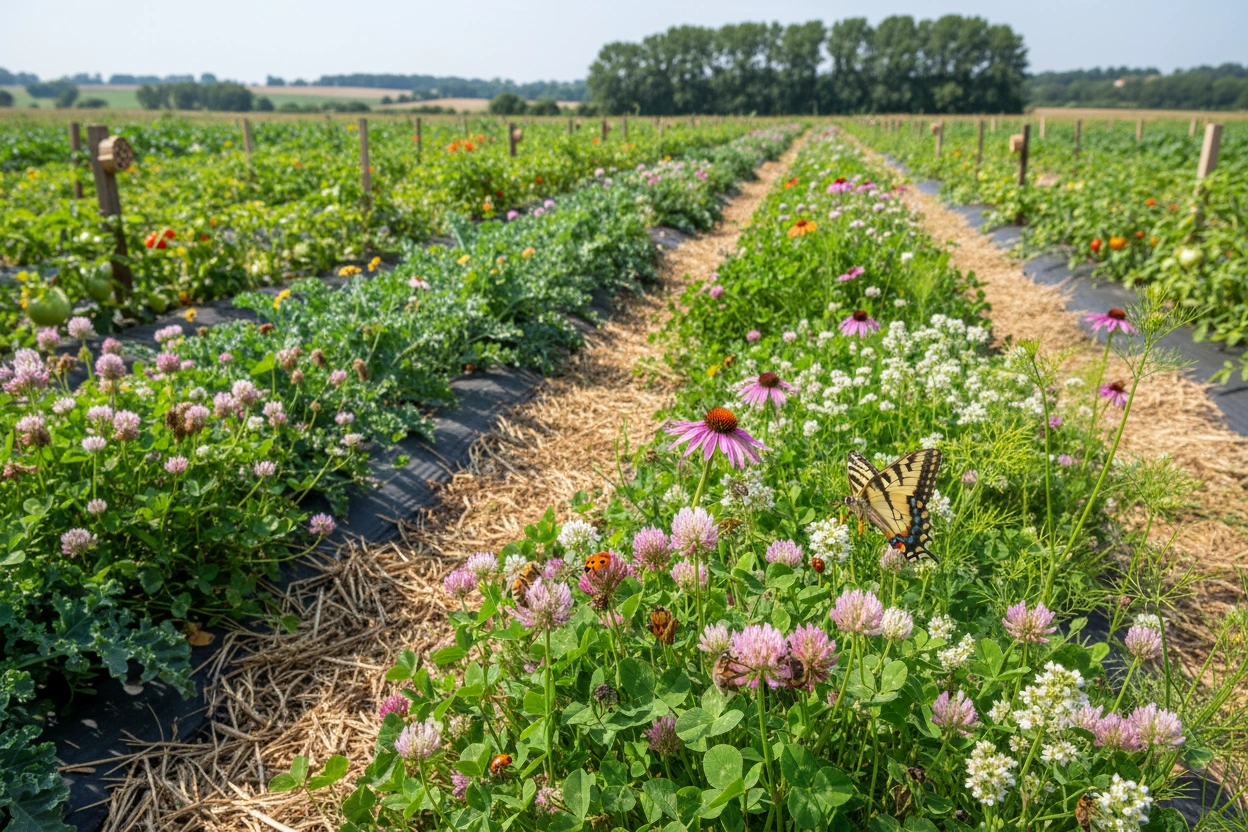
Maximizing the benefits of insects in agriculture requires strategic planning and implementation. Here are some actionable strategies that farmers can adopt to enhance beneficial insect populations.
Diversity in crop planting attracts a wider range of beneficial insects. By integrating flowers and other plants that bloom at different times, farmers can provide food sources for pollinators and beneficial predatory insects throughout the growing season.
Minimizing or eliminating chemical pesticides can promote the survival of beneficial insect populations. Instead, farmers can use integrated pest management (IPM) strategies that combine biological control, habitat manipulation, and cultural practices.
Establishing habitats such as hedgerows, insect hotels, and native plant gardens can encourage the presence of beneficial insects. These habitats provide shelter, food, and breeding grounds for various insect species.
Crop rotation can disrupt pest cycles and promote soil health. This practice encourages the diversity of both plant and insect life, leading to a more balanced ecosystem.
Despite their importance, misconceptions about insects in agriculture persist. Addressing these can help farmers make more informed decisions.
While some insects can harm crops, many are beneficial. Understanding the roles of insects can help farmers see them as allies rather than just nuisances.
Many farmers rely on chemical pesticides to manage pests. However, embracing natural pest control methods can lead to healthier ecosystems and more sustainable farming practices.
This misconception overlooks the vast diversity of insect species. Many insects are crucial for pollination, pest control, and soil health, contributing to sustainable agriculture.
Identifying insect species is vital for effective pest management and maximizing the benefits they provide. Here are some steps to enhance your insect species identification skills.
Understanding the roles of insects in agriculture not only enhances crop yields but also promotes sustainable practices. By fostering beneficial insect populations, farmers can reduce chemical inputs, improve soil health, and enhance biodiversity. The incorporation of insects into agricultural strategies is essential for a resilient food system, particularly as we face global challenges such as climate change and food security.
As you explore the fascinating world of insects and their impact on agriculture, consider how Banana Slug Club can support your efforts in implementing sustainable practices. Our resources and expertise can guide you in enhancing your agricultural strategies while fostering the beneficial insect populations that are crucial for your success. critical role in ecosystems.
For more information on sustainable agricultural practices and to learn how to apply what you’ve discovered about insects, contact Banana Slug Club today. Together, we can cultivate a healthier and more productive agricultural landscape.
Get free resources, early access to new features and updates.
No spam. Just fun educational emails!


.svg)
.svg)