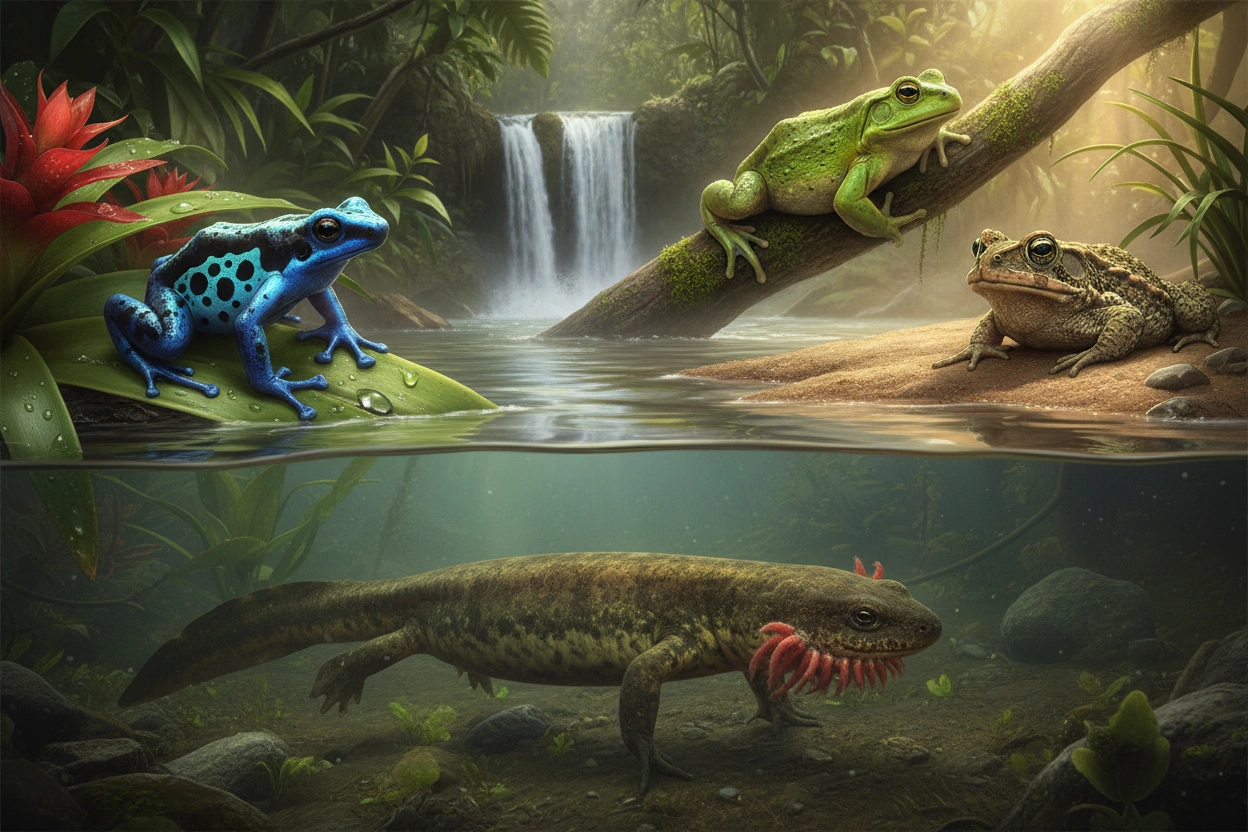
Amphibians are a remarkable group of animals that exhibit a unique ability to thrive in a variety of environments. These creatures, which include frogs, toads, salamanders, and newts, are not only essential components of their ecosystems but also serve as indicators of environmental health. As of 2026, amphibians face numerous challenges, including habitat loss, climate change, and pollution, yet they continue to demonstrate incredible adaptability. This article delves into how amphibians adapt to diverse environments in the wild, exploring their roles in ecosystems and offering insights into their survival strategies. challenges amphibians face
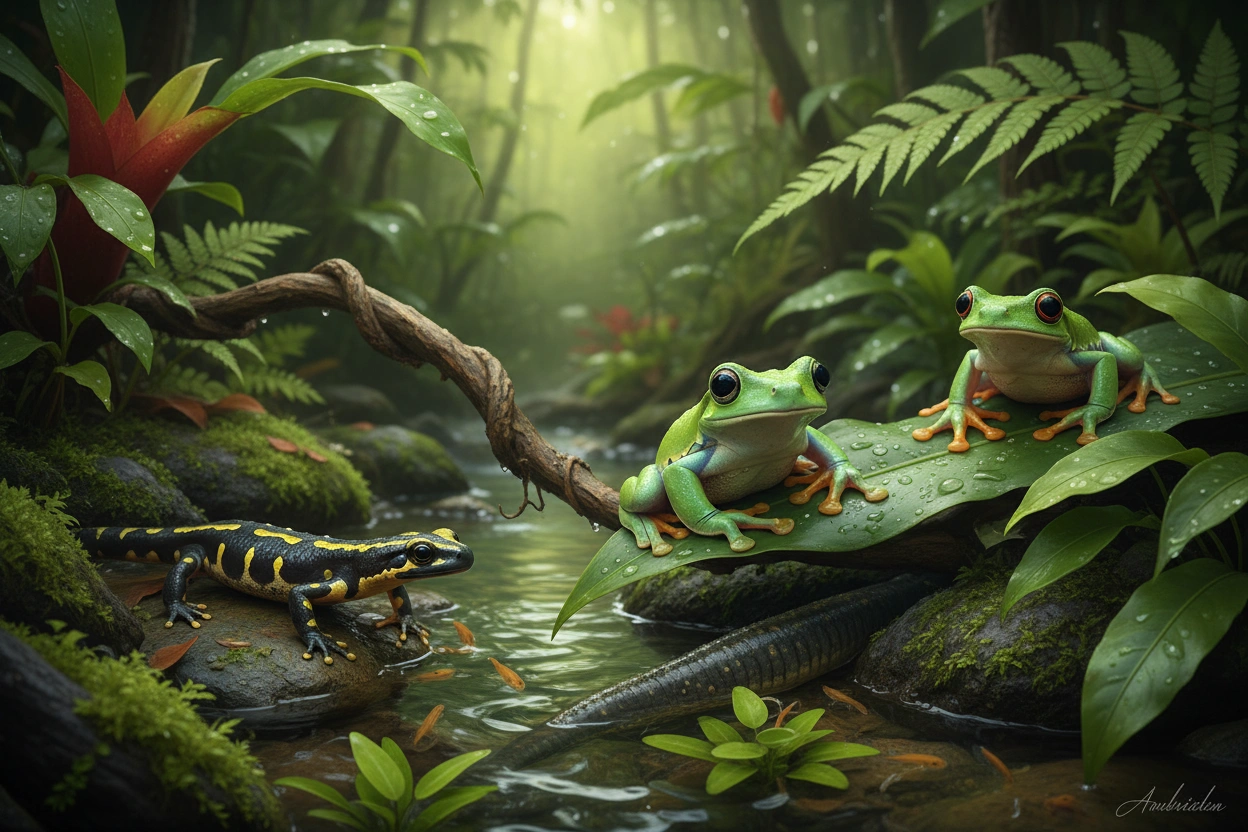
Amphibians are ectothermic vertebrates that typically undergo a life cycle involving both aquatic and terrestrial phases. This dual existence allows them to inhabit a range of environments, from lush rainforests to arid deserts. The adaptations that enable their survival in these varied habitats are both fascinating and complex. varied habitats are both fascinating
Amphibians possess distinct physiological traits that facilitate their adaptability. Their permeable skin allows for gas exchange and hydration, making them reliant on moist environments. However, many amphibians have developed mechanisms to cope with varying moisture levels:
These physiological adaptations highlight the remarkable versatility of amphibians, allowing them to inhabit environments that may seem inhospitable.
Amphibians play crucial roles in ecosystems, contributing to both biodiversity and ecological balance. Their presence or absence can serve as indicators of environmental health, making them vital for ecological monitoring.
Amphibians occupy various niches within food webs, serving as both predators and prey. For instance:
This dual role underscores the interconnectedness of ecosystems and the importance of amphibians in maintaining ecological balance.
Amphibians contribute to nutrient cycling within their habitats. Their waste products enrich the soil, enhancing plant growth, which in turn supports various organisms within the ecosystem. Additionally, the decomposition of amphibian carcasses provides nutrients for detritivores and other decomposers, further promoting ecosystem health.
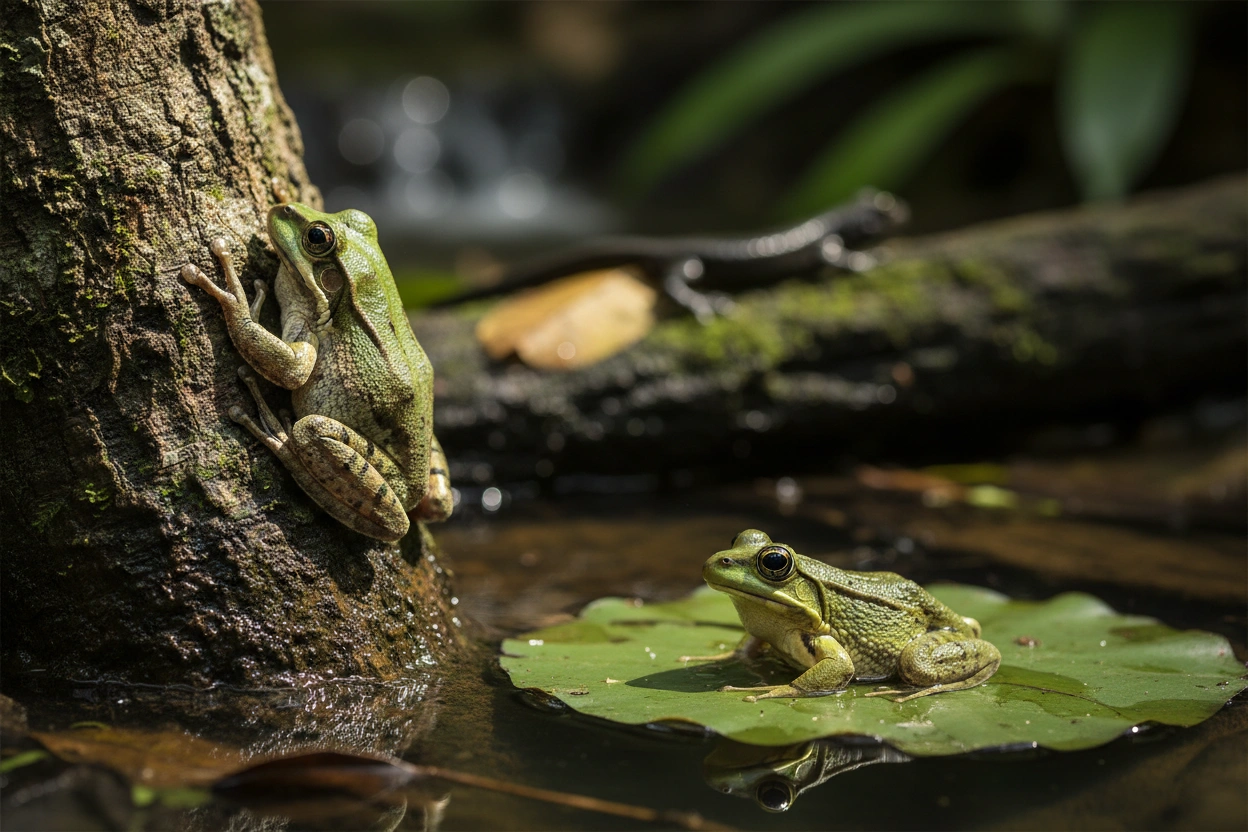
Amphibians have evolved a range of strategies to adapt to their environments. Understanding these strategies provides insight into their resilience and the challenges they face.
Behavioral adaptations are crucial for amphibians to thrive in varying conditions. These adaptations include:
These behaviors are essential for avoiding unfavorable conditions and ensuring reproductive success.
Amphibians exhibit diverse reproductive strategies that enhance their adaptability: diverse reproductive strategies
These reproductive strategies demonstrate how amphibians adjust their life cycles to maximize reproductive success in varying environments.
As climate change continues to affect ecosystems globally, amphibians are adapting in remarkable ways:
These adaptations are critical for their survival as climate patterns continue to shift.

Despite their ecological importance, there are several misconceptions about amphibians that can hinder conservation efforts. Addressing these misconceptions is vital for fostering a deeper understanding of these creatures.
While many amphibians are closely associated with water, not all species live exclusively in aquatic environments. Some thrive in forests, grasslands, and even urban areas. Understanding the diversity of amphibian habitats is essential for effective conservation strategies. understanding the diversity of amphibian habitats
Some may underestimate the role of amphibians in ecosystems, viewing them as insignificant. In reality, their contributions to food webs and nutrient cycling are crucial for maintaining ecological balance. Protecting amphibian populations is vital for preserving overall biodiversity.
While some amphibians possess toxic skin secretions as a defense mechanism, not all species are poisonous. In fact, many amphibians have developed non-toxic adaptations that allow them to coexist with various predators. Education about these differences can help reduce fear and promote conservation.
Given the threats amphibians face, conservation efforts are more important than ever. Protecting their habitats and understanding their ecological roles can help ensure their survival.
Preserving natural habitats is critical for amphibian conservation. This can be achieved through:
Raising awareness about amphibians and their ecological importance can foster community involvement in conservation efforts. This can include:
Ongoing research is essential for understanding amphibian populations and their responses to environmental changes. This includes:
The Banana Slug Club is dedicated to promoting the understanding and conservation of amphibians and their habitats. By educating the public and advocating for protective measures, the club plays a vital role in ensuring the survival of these remarkable creatures.
Through workshops, events, and educational materials, the Banana Slug Club fosters awareness about amphibians and their ecological significance. Engaging the community helps build a collective effort towards conservation.
The club collaborates with researchers and conservation organizations to support studies focused on amphibian populations and habitat needs. This research is essential for developing effective conservation strategies.
The Banana Slug Club actively advocates for policies that protect amphibian habitats and promote sustainable land use. By influencing local and national policies, the club contributes to the long-term survival of amphibians.
The adaptability of amphibians in diverse environments showcases their resilience and ecological importance. As we navigate the challenges they face, organizations like the Banana Slug Club play a crucial role in promoting awareness and conservation efforts.
By understanding how amphibians adapt to their environments, we can better appreciate their role in ecosystems and the necessity of protecting them. If you are interested in learning more about amphibians and how you can contribute to their conservation, consider getting involved with the Banana Slug Club.
For more information on how to support amphibian conservation efforts, visit Banana Slug Club and join the mission to protect these extraordinary creatures and their habitats.
Get free resources, early access to new features and updates.
No spam. Just fun educational emails!


.svg)
.svg)