Insects play a pivotal role in maintaining the ecological balance of our planet. With over a million identified species, they represent the most diverse group of organisms on Earth. As of 2026, the fascinating world of insects continues to reveal new species and insights into their behaviors, habitats, and ecological significance. This article delves into the rich tapestry of insect biodiversity, highlighting the top ten most fascinating insect species that showcase the incredible variety and adaptability of these creatures.
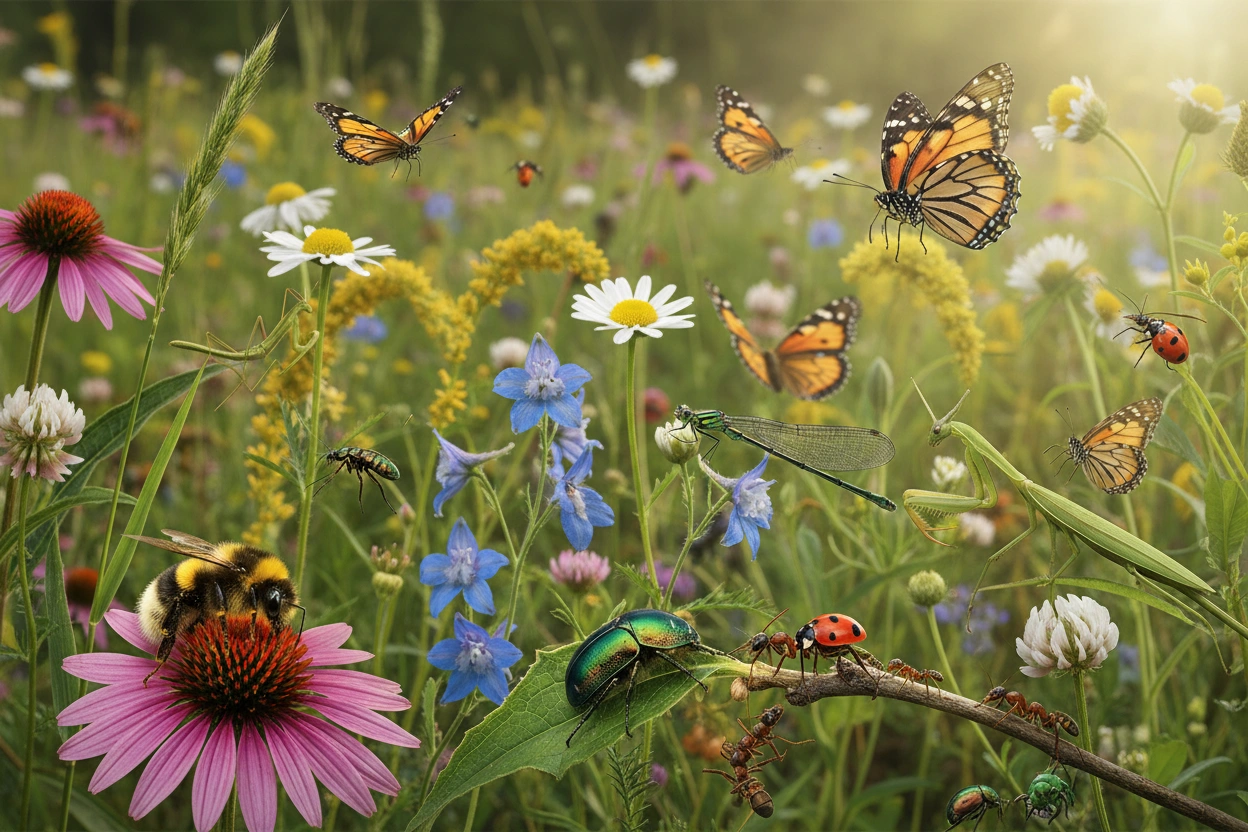
Insects are integral to ecosystems worldwide. They contribute to pollination, decomposition, and nutrient cycling, making them essential for healthy ecosystems. The decline of insect populations, often termed the "insect apocalypse," has garnered attention in recent years, prompting calls for conservation efforts. Understanding insect species identification is crucial for conservationists, researchers, and enthusiasts alike.
Insects serve numerous ecological functions that are vital for the survival of many other species:
Despite their importance, insect populations face numerous threats, including:
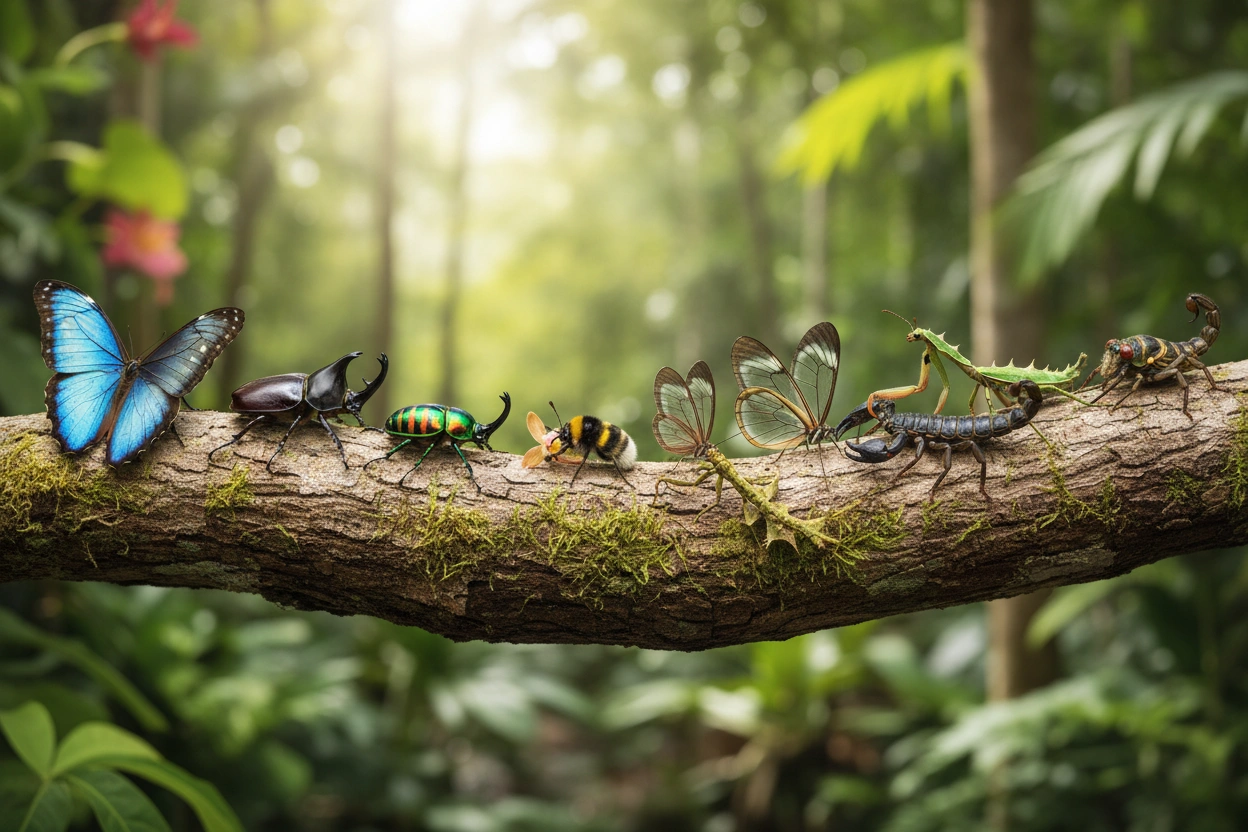
Exploring the vast array of insect species reveals some truly remarkable and unique creatures. Below are ten of the most fascinating insects from around the globe, each with its own set of extraordinary adaptations and behaviors.
The bombardier beetle is known for its remarkable defense mechanism. When threatened, it ejects a hot, noxious chemical spray from its abdomen. This spray is a mixture of chemicals that, when combined, create a violent reaction, producing a boiling liquid that can deter predators. This ability not only showcases the beetle's unique evolutionary adaptations but also sparks interest in potential applications in biomimicry and chemical engineering.
Native to Africa, the goliath beetle is one of the largest insects in the world, with some individuals weighing over 3.5 ounces. Their impressive size is matched by their striking appearance, featuring a mix of white, brown, and green coloring. Goliath beetles are also known for their fascinating life cycle, which includes a larval stage that can last up to three years before metamorphosing into adults.
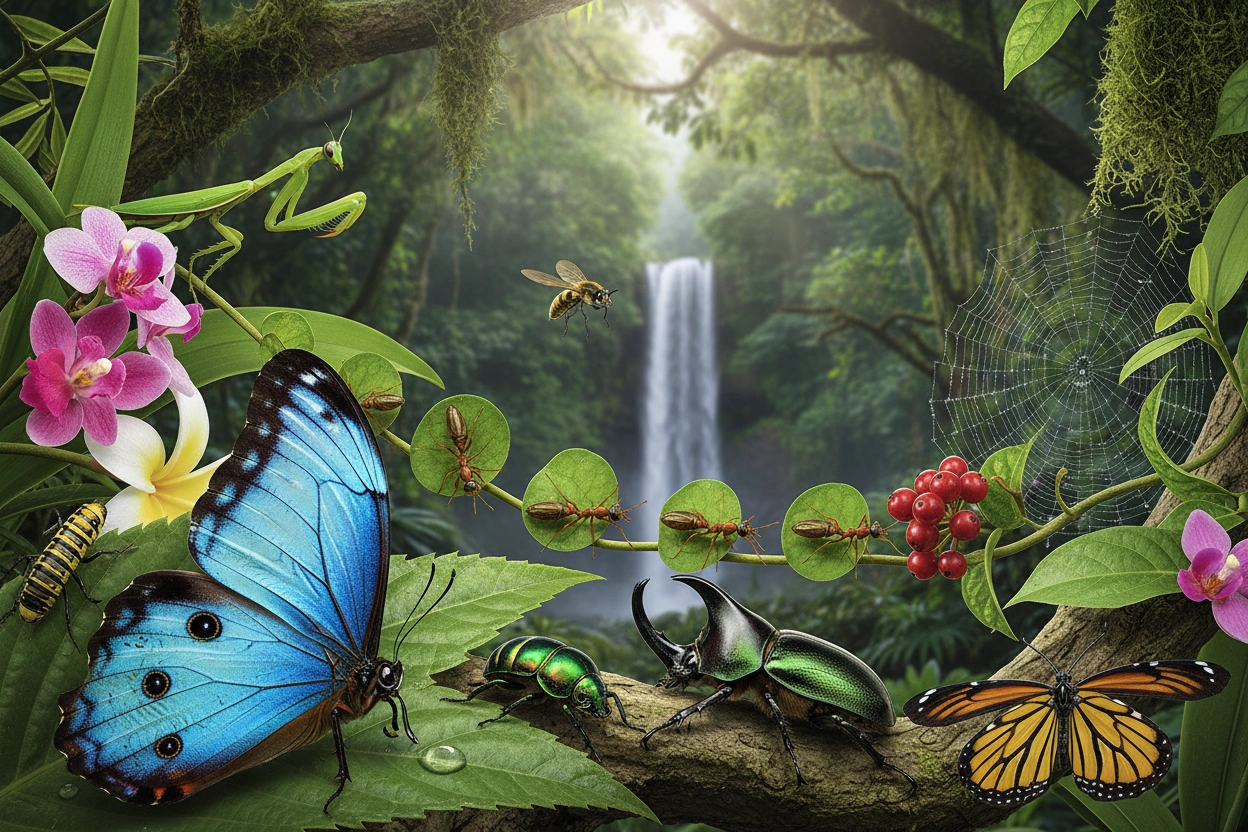
The orchid mantis is a master of camouflage, resembling the flowers of orchids. This mimicry allows it to ambush unsuspecting pollinators, such as bees and butterflies, that come too close. Found in Southeast Asia, the orchid mantis not only showcases the beauty of nature but also highlights the intricate relationships between predator and prey in ecosystems.
Another contender for the title of the largest insect, the Hercules beetle can grow up to 7 inches long. This impressive size is complemented by its strength; it can lift objects over 850 times its body weight. The Hercules beetle’s unique horn, used during mating battles, adds to its allure, making it a subject of fascination among entomologists and insect enthusiasts.
Originally from Asia, the spotted lanternfly has become an invasive species in the United States. Known for its striking coloration, it poses a significant threat to agriculture, particularly vineyards. The lanternfly’s sap-sucking habits can weaken plants, leading to economic losses. Understanding its behavior and life cycle is crucial for managing its impact on local ecosystems.
Famed for its vibrant, iridescent blue wings, the blue morpho butterfly is a sight to behold in the rainforests of Central and South America. The brilliant coloration serves as a warning to predators about its toxicity. The blue morpho's life cycle, from caterpillar to chrysalis to adult, is a vivid example of metamorphosis, captivating naturalists and researchers alike.
Leafcutter ants are fascinating social insects that engage in a unique behavior: cutting leaves and carrying them back to their nests. Instead of consuming the leaves directly, they use them to cultivate a fungus, which serves as their primary food source. This mutualistic relationship between the ants and the fungus showcases complex ecological interactions and highlights the sophistication of insect societies.
Fireflies, or lightning bugs, are renowned for their bioluminescence. This ability to produce light is primarily used for mating displays, with males flashing specific patterns to attract females. Fireflies are an excellent example of how insects can communicate and signal to one another, and their populations are often indicators of environmental health.
The praying mantis is a formidable predator, known for its distinctive posture and hunting prowess. Its triangular head and flexible neck allow it to scan for prey effectively. Praying mantises are not only skilled hunters but also exhibit fascinating mating behaviors, where females may consume males post-mating, a phenomenon that has intrigued researchers for years.
The monarch butterfly is famous for its incredible migration journey, traveling thousands of miles from North America to central Mexico each year. This remarkable feat is a testament to their navigation skills and adaptability. Monarchs are also vital for pollination and serve as indicators of environmental changes, making their conservation critical.
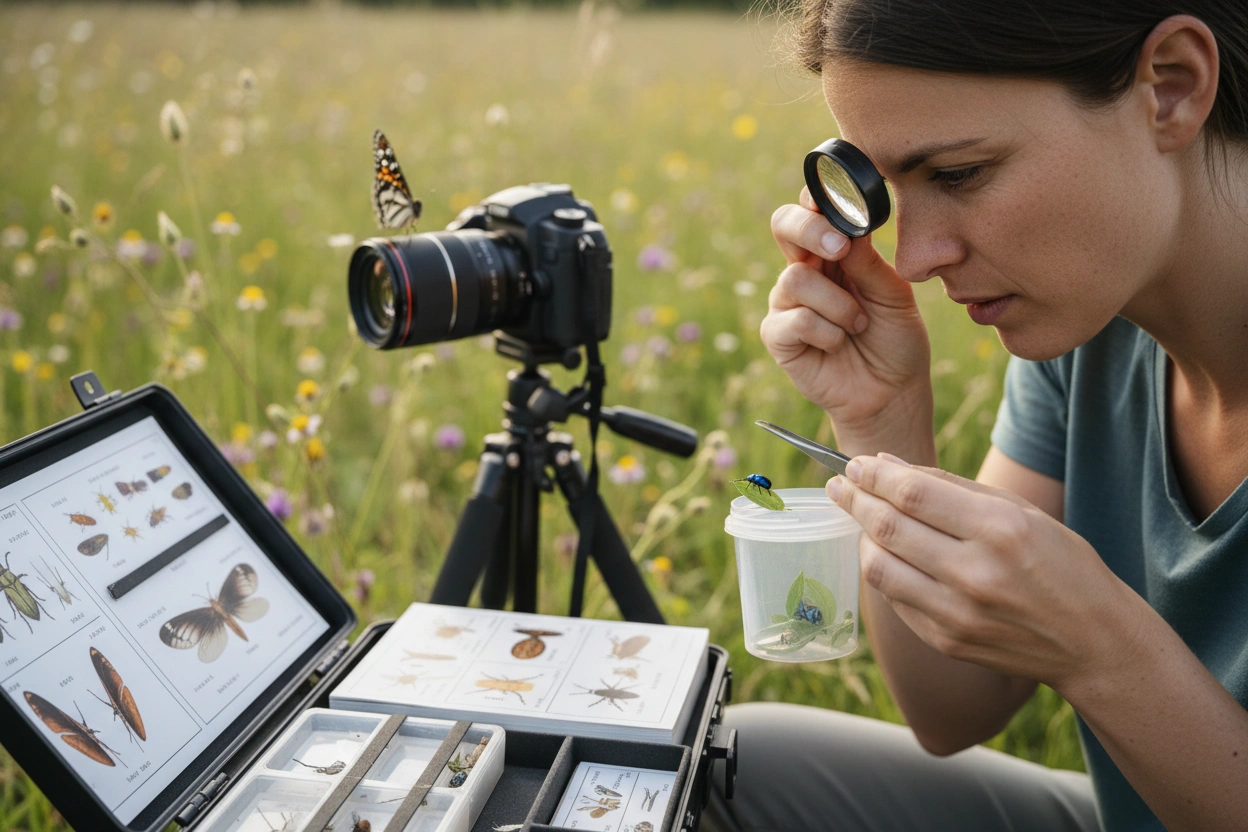
Identifying insect species can be a rewarding endeavor for both amateur naturalists and professional entomologists. Here are effective strategies to enhance your insect species identification skills.
Investing in a good field guide or using mobile identification apps can significantly aid in recognizing different insect species. These resources often provide detailed images, descriptions, and habitat information that are invaluable for accurate identification.
Insects exhibit a wide range of behaviors that can be critical for identification. Pay attention to:
For those serious about entomology, collecting specimens can provide a hands-on approach to identification. However, ensure you follow local regulations regarding insect collection, as some species may be protected.
Joining local entomology clubs or online forums can provide access to a wealth of knowledge and resources. Engaging with experienced entomologists can offer insights into regional species and identification techniques.
Despite their importance, many misconceptions about insects persist. Addressing these myths can lead to a better understanding and appreciation of these remarkable creatures.
While some insects can be pests, the vast majority play vital roles in ecosystems. Pollinators like bees and butterflies are essential for food production, while decomposers like beetles help recycle nutrients.
Not all insects pose a threat to humans or crops. Many insects are harmless and contribute positively to their environments. Educating others about beneficial insects can help shift perceptions.
Insects exhibit complex behaviors and social structures that demonstrate intelligence. For instance, honeybees communicate through a sophisticated dance language, and ants can solve problems collectively.
Insects are not only fascinating in their diversity but are also crucial for maintaining ecosystem health. Their roles in pollination, decomposition, and as food sources for other animals highlight their importance in the food web. The decline of insect populations can lead to cascading effects, disrupting ecological balance and impacting human food security.
Efforts to conserve insect biodiversity are more critical than ever. Actions that individuals and communities can take include:
Insects are a testament to the incredible diversity of life on Earth. By exploring the fascinating species discussed in this article, we gain a greater appreciation for their roles in our ecosystems. The Banana Slug Club is dedicated to promoting awareness and conservation of all forms of biodiversity, including the often-overlooked world of insects.
As you delve deeper into the study of insects and their ecological significance, consider connecting with the Banana Slug Club. Together, we can foster a greater understanding of the importance of insect biodiversity and take meaningful steps toward conservation.
For more information and resources on how you can get involved, visit the Banana Slug Club today.
Get free resources, early access to new features and updates.
No spam. Just fun educational emails!


.svg)
.svg)