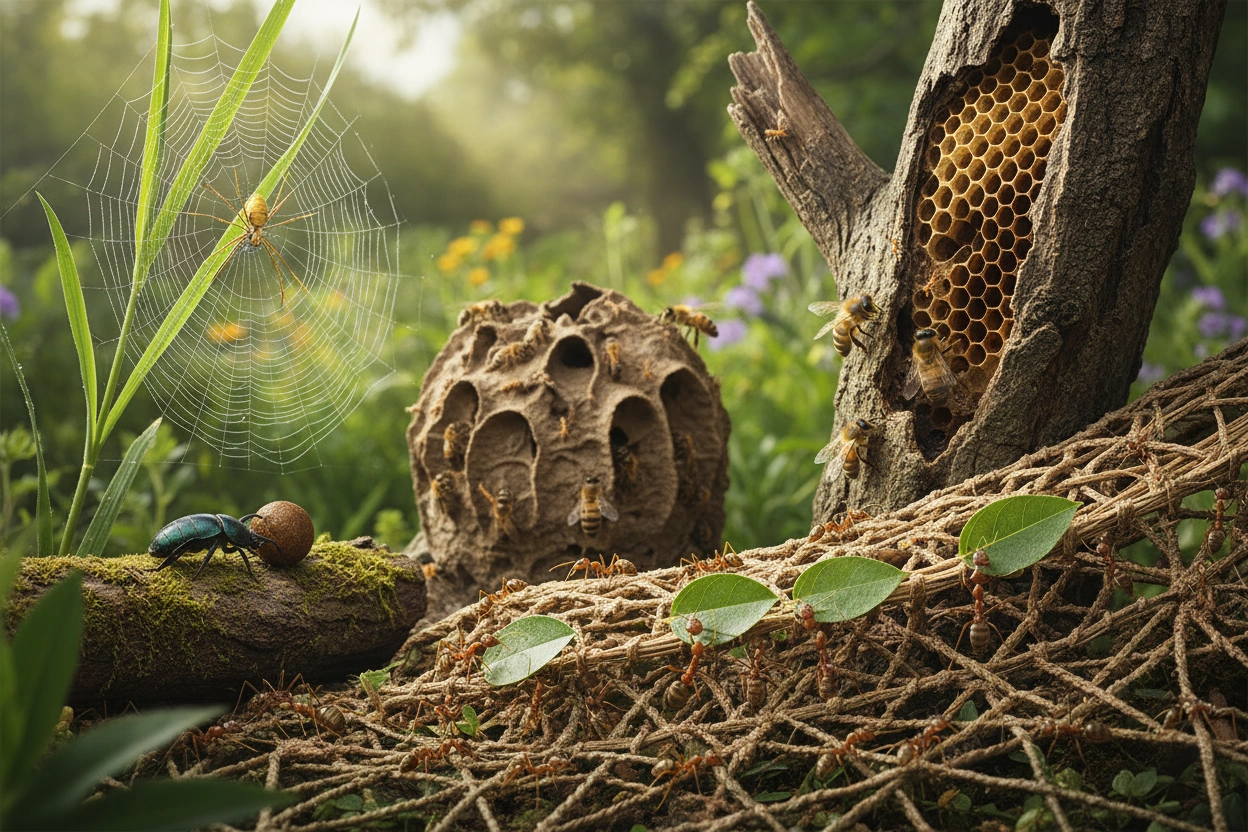
Insects are among the most diverse and fascinating creatures on our planet. With over a million identified species, they play crucial roles in ecosystems, agriculture, and even human health. Their intricate behaviors and adaptations often mirror advanced engineering principles, making them nature's tiny engineers. Understanding these behaviors not only enhances our appreciation of these creatures but also informs various scientific fields, from ecology to robotics. This article delves into the captivating world of the evolution of insects, providing insights into their unique characteristics and the top ten most fascinating insect species.
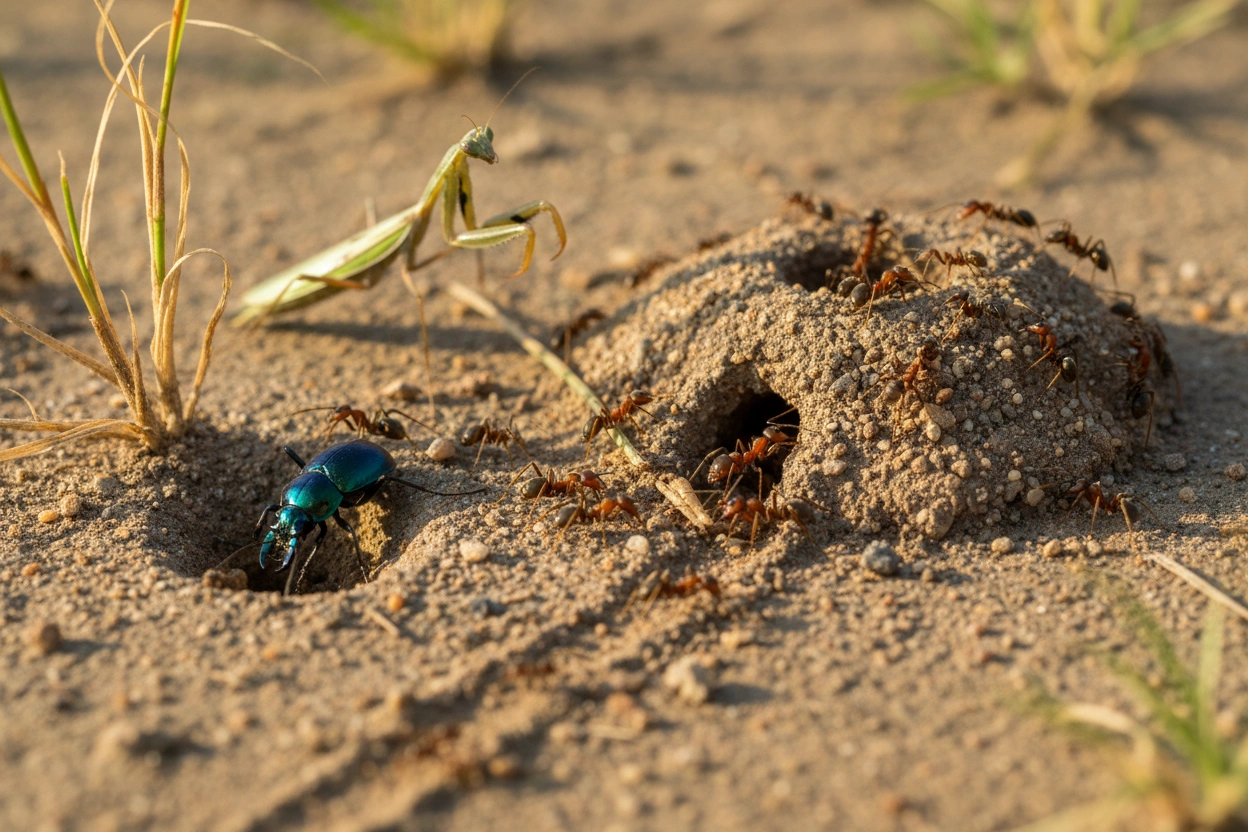
Insects exhibit a wide range of behaviors that are essential for their survival and reproduction. These behaviors can be categorized into several key areas, including foraging, communication, and social organization.
Foraging behavior is crucial for insects as it directly impacts their survival. Different species employ various strategies to locate and gather food.
Understanding these foraging strategies provides insights into how insects adapt to their environments and optimize resource use.
Insects have developed sophisticated communication systems, essential for mating, warning of predators, and coordinating group activities.
These communication methods illustrate the complexity of insect interactions and their reliance on various senses to navigate their environments.
Insects demonstrate a wide array of social structures, ranging from solitary to highly organized colonies.
The study of social structures among insects reveals how cooperation and specialization contribute to the success of species in various environments.
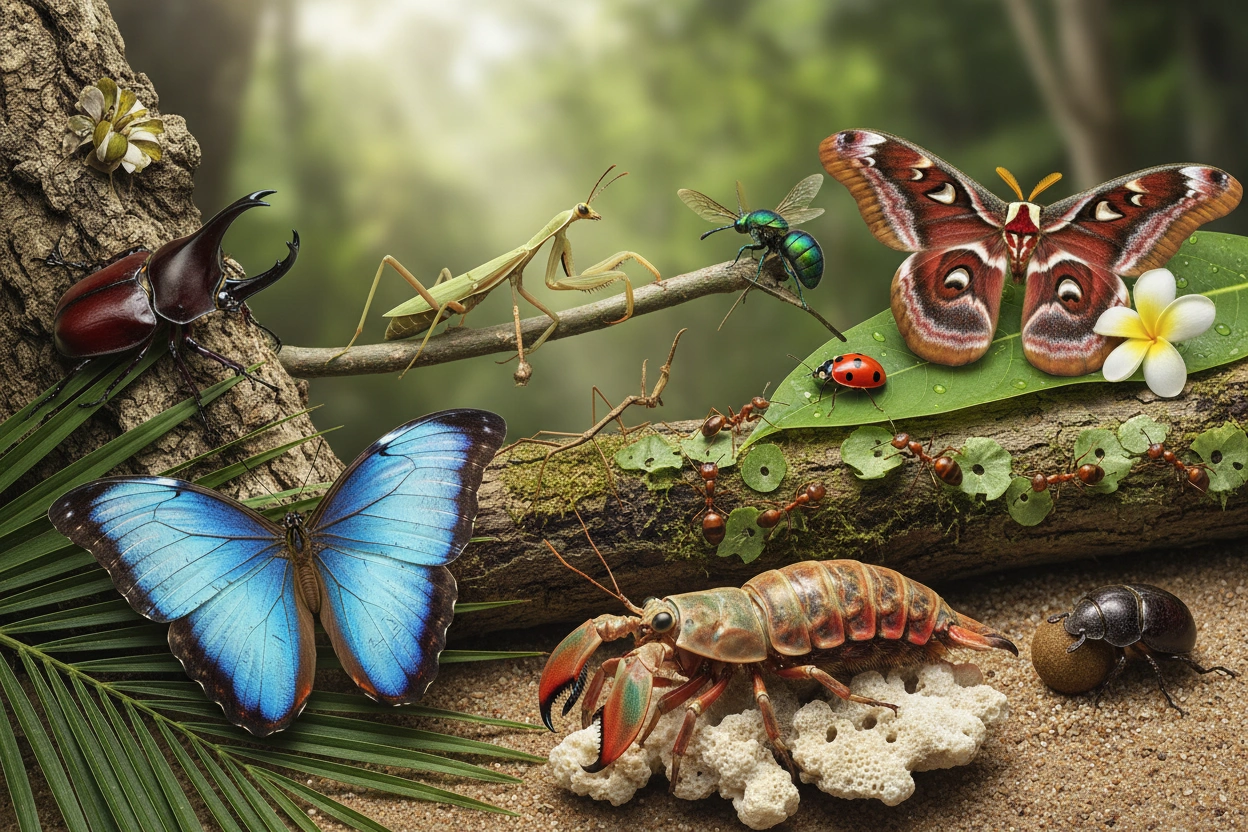
Understanding the diversity of insect species and their unique behaviors enhances our appreciation for these tiny engineers. Here are ten of the most captivating insect species that showcase remarkable adaptations and behaviors.
The bombardier beetle is famous for its unique defense mechanism. When threatened, it ejects a hot chemical spray from its abdomen, which can reach temperatures of over 100 degrees Celsius. This spray is a mixture of chemicals that react violently, allowing the beetle to fend off predators effectively.
Leafcutter ants are remarkable for their agricultural practices. They cut leaves and transport them to their underground nests, where they cultivate fungus, which serves as their primary food source. This mutualistic relationship between the ants and the fungus showcases advanced farming techniques in the insect world.
The monarch butterfly is well-known for its incredible migratory journey. Each year, millions of these butterflies travel up to 3,000 miles from North America to central Mexico, navigating using environmental cues. Their ability to migrate across such vast distances is a marvel of nature.
Honeybees are essential pollinators that play a vital role in our ecosystems and agriculture. Their complex social structure and communication methods, including the famous "waggle dance," allow them to efficiently locate and gather nectar while maintaining colony health.
Fireflies, or lightning bugs, are fascinating due to their bioluminescent abilities. They use light signals for mating, with different species having unique flashing patterns. This enchanting display not only captivates humans but also plays a crucial role in their reproductive success.
The praying mantis is known for its predatory skills and unique body structure. With its triangular head and ability to rotate it 180 degrees, the mantis can easily spot prey. Their ambush tactics and exceptional camouflage make them formidable hunters.
Dragonflies are agile flyers and skilled hunters. Their exceptional flying abilities, including hovering and rapid acceleration, allow them to catch prey mid-air. With large multifaceted eyes, they have excellent vision, enabling them to detect movement and navigate effectively.
Stick insects are masters of camouflage, resembling twigs or branches to evade predators. This incredible adaptation helps them remain hidden from both prey and predators, showcasing nature's ingenuity in survival strategies.
Cicadas are known for their distinctive sounds, produced by males to attract females. Their life cycles are fascinating, with some species spending up to 17 years underground before emerging in synchrony to mate, creating a remarkable natural phenomenon.
Termites are often misunderstood as pests, but they play a crucial role in their ecosystems. Their ability to decompose wood and other organic materials contributes to nutrient cycling in the soil. Their complex social structures and cooperative behaviors highlight their importance in ecological systems.

Despite their prevalence, insects are often misunderstood. Addressing these misconceptions can help foster a deeper appreciation for their roles in ecosystems.
While some insects can be pests, many play vital roles in pollination, decomposition, and as part of the food web. For instance, bees and butterflies are essential for pollinating crops, while decomposer insects like dung beetles recycle nutrients in the environment.
Insects are often associated with dirt and disease. However, many species are clean and play important roles in maintaining ecosystem health. For example, certain beetles help break down waste, contributing to soil fertility.
While many insects have short lifespans, others, like cicadas and queen ants, can live for several years. Understanding the life cycles of different insect species can provide insight into their behaviors and ecological roles.
For those interested in learning more about insects and their behaviors, there are several ways to engage with this fascinating field.
Documenting observations of local insect species can enhance your understanding of their behaviors. Note their foraging patterns, interactions, and environmental preferences to develop a personal connection with nature.
Planting a garden that attracts pollinators can support local ecosystems. Choose native flowering plants that bloom at different times to provide a continuous food source for bees, butterflies, and other beneficial insects.
Many organizations offer opportunities for citizen scientists to contribute to insect research. Participating in projects like butterfly counts or insect surveys can deepen your knowledge and help scientists track population trends.
Sharing your knowledge about insects with friends and family can help dispel myths and promote appreciation for these creatures. Consider organizing workshops or community events focused on local insect species and their ecological importance.
Insects are not only vital components of our ecosystems but also serve as a gateway to understanding complex biological systems. The diverse behaviors and adaptations of insects illustrate nature's ingenuity and the intricate balance of life. At Banana Slug Club, we are dedicated to fostering a love for nature and educating communities about the importance of all species, including insects. Pest management is essential for maintaining healthy ecosystems.
By exploring the fascinating world of insects, we can better appreciate their contributions and advocate for their conservation. If you're eager to learn more about insects or engage in educational activities, we invite you to reach out. Insect conservation efforts are vital for sustaining biodiversity. Visit Banana Slug Club to discover more resources and join our community of nature enthusiasts dedicated to understanding and preserving the intricate tapestry of life on Earth.
Get free resources, early access to new features and updates.
No spam. Just fun educational emails!


.svg)
.svg)