Understanding crustaceans is essential for anyone interested in marine biology, aquaculture, or simply enjoying seafood. These fascinating creatures, which include crabs, lobsters, shrimp, and more, play significant roles in ecosystems and the culinary world. For beginners, diving into the world of crustaceans can seem daunting, but with the right essential tools and techniques, anyone can become adept at understanding, handling, and even cooking these marine delicacies. This article serves as a comprehensive guide to essential tools and techniques for beginners interested in crustaceans.
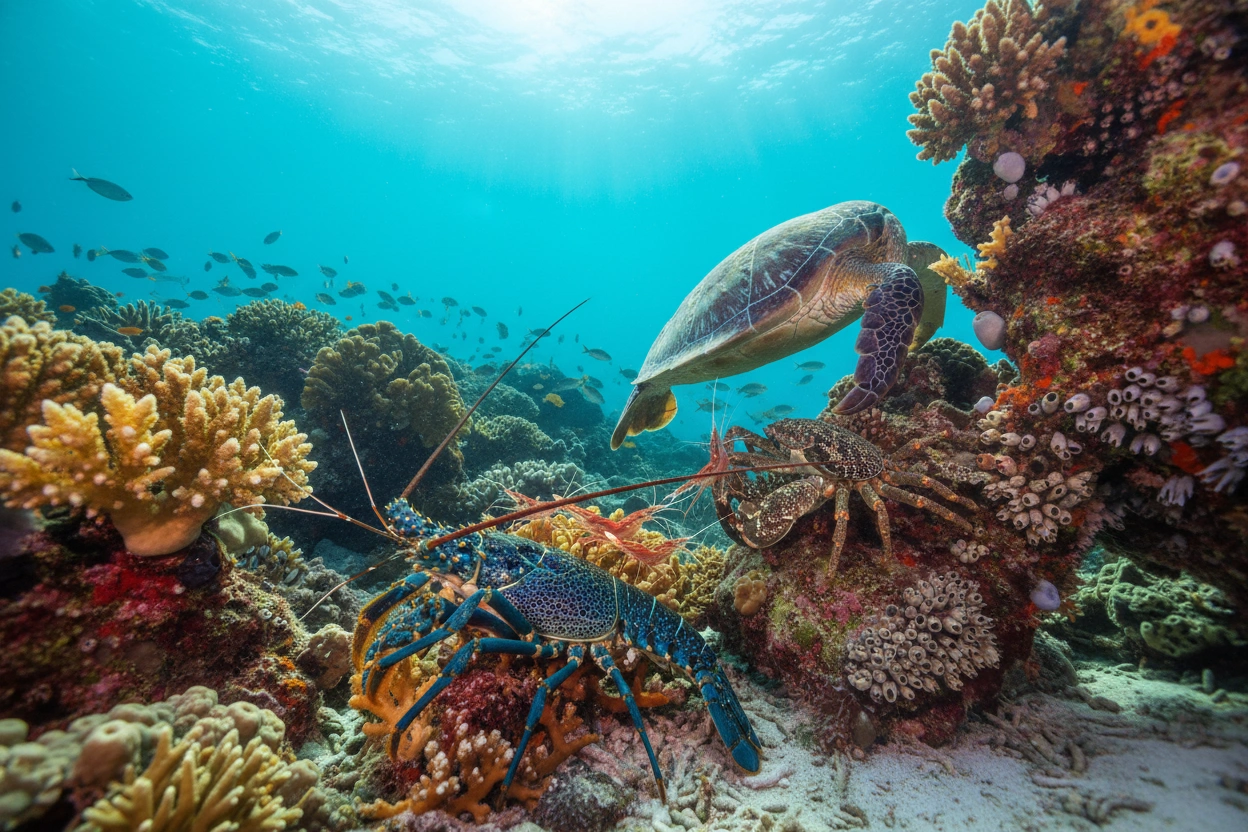
Crustaceans are not only vital to marine ecosystems but also serve as a significant food source for humans. They contribute to the biodiversity of aquatic environments and are integral to many food webs. Additionally, the aquaculture industry relies heavily on crustaceans, making them economically important as well.
When beginning your journey with crustaceans, it is essential to understand their biology and habitat. Crustaceans are primarily found in marine environments, but many species also inhabit freshwater and terrestrial ecosystems. Familiarity with their life cycles, feeding habits, and ecological roles will enhance your appreciation and ability to work with them.
Understanding the diversity within crustaceans will help you choose the right species for your culinary or research endeavors.
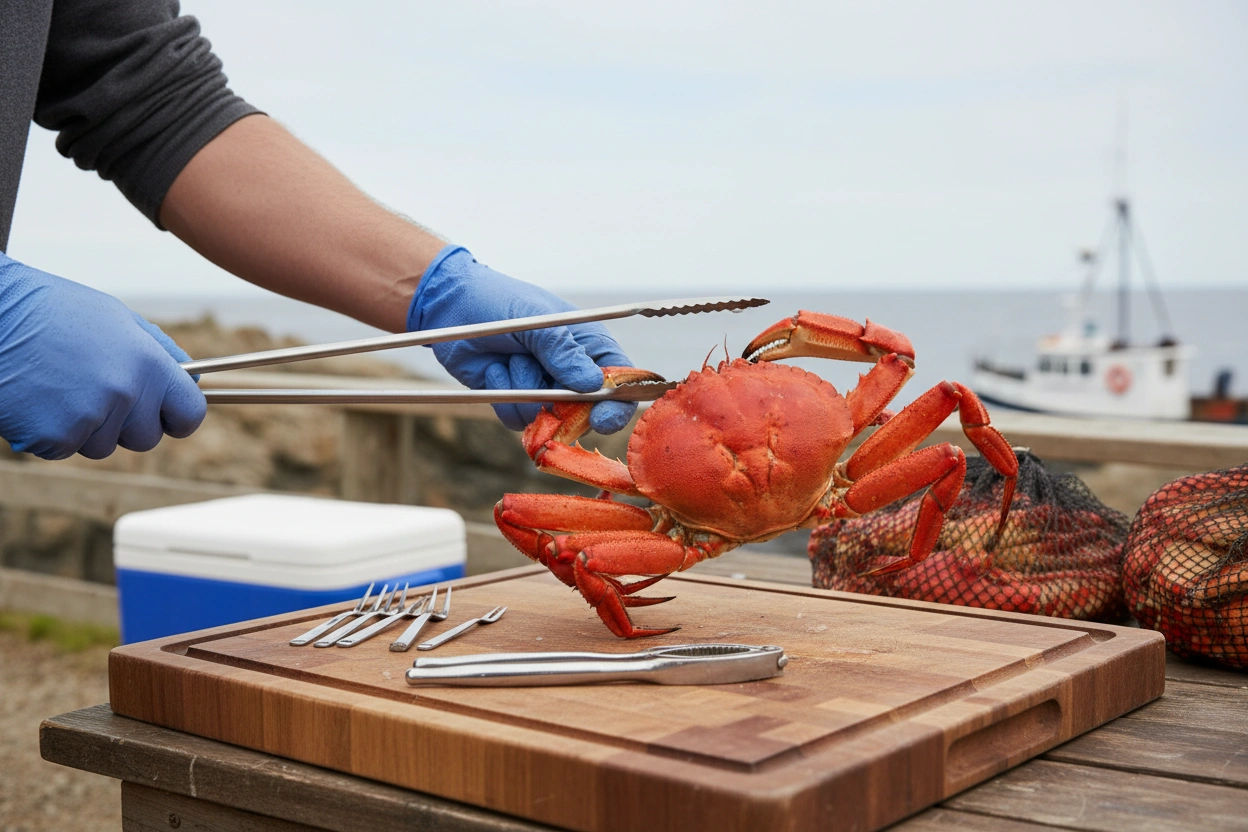
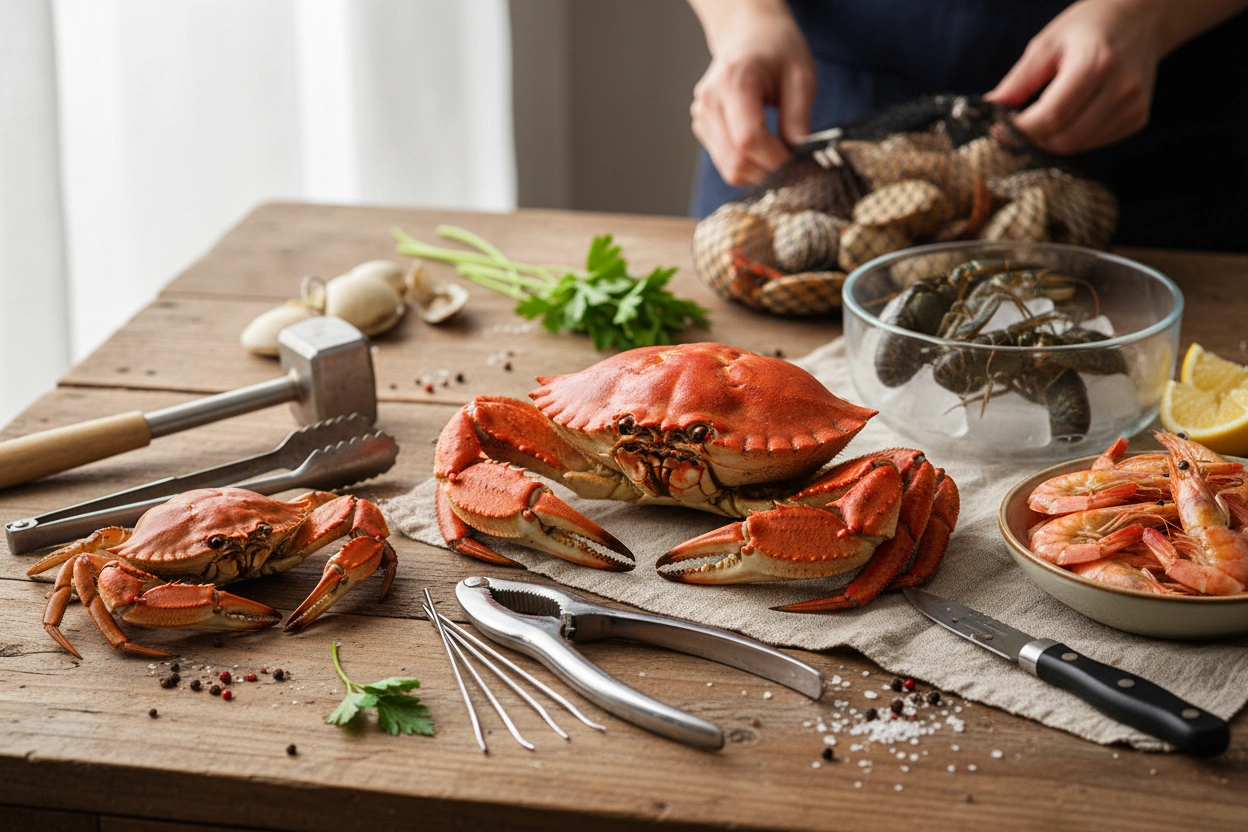
Working with crustaceans requires specific tools to ensure safety, efficiency, and quality. Here are essential tools that beginners should consider acquiring:
Seafood shears are specially designed scissors that make it easy to cut through shells and exoskeletons. They are particularly useful for shrimp and crab, allowing for precise cuts without damaging the meat inside.
A crab mallet is a wooden or plastic tool used to crack open crab shells. Using a mallet instead of a hammer minimizes the risk of shattering the shell and losing valuable meat.
A large boiling pot is essential for cooking crustaceans. It should be deep enough to accommodate the size of the crustaceans and allow for even cooking. A pot with a lid will help retain heat and steam.
A cooking thermometer ensures that crustaceans are cooked to the appropriate temperature, which is vital for food safety. Overcooked crustaceans can become tough and lose their flavor.
Long-handled tongs are invaluable when handling hot crustaceans. They allow you to safely transfer cooked seafood from boiling water to a serving platter without risking burns.
An ice bath container is essential for cooling crustaceans quickly after cooking. This technique helps preserve the texture and flavor of the meat.
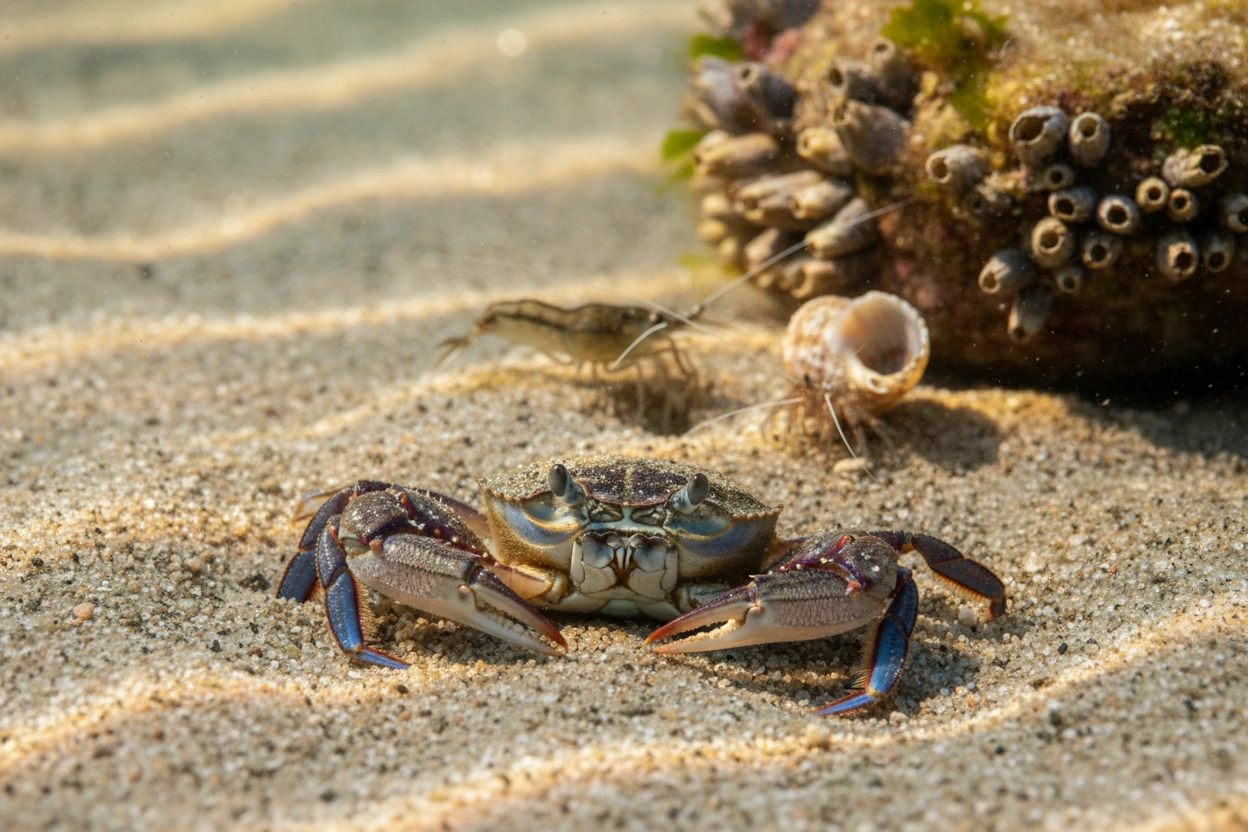
To successfully navigate the world of crustaceans, beginners should adopt effective strategies for handling, cooking, and enjoying these marine creatures. Below are some top strategies that can enhance your crustacean experience:
When sourcing crustaceans, prioritize freshness. Look for suppliers that provide live or freshly caught options, as these will yield the best flavor and texture. If purchasing frozen crustaceans, ensure they have been flash-frozen shortly after capture to preserve quality.
There are several cooking methods to prepare crustaceans, including boiling, steaming, grilling, and baking. Each method can yield different flavors and textures. For example:
Experimenting with seasonings and marinades can elevate the flavor of crustaceans. Common ingredients include garlic, lemon, butter, and herbs. Marinating shrimp before grilling can enhance their flavor profile and tenderness.
When cooking crustaceans, timing is crucial. Overcooking can lead to tough, rubbery meat. As a general rule, shrimp should be cooked for about two to three minutes, while crabs and lobsters require longer—approximately 10 to 15 minutes depending on size.
Crustaceans pair well with a variety of side dishes. Consider serving them with:
These sides complement the rich flavors of crustaceans and create a well-rounded meal.
Beginners often make several common mistakes to avoid when working with crustaceans. Here are some pitfalls to avoid and how to navigate them:
Different species of crustaceans have distinct cooking times and flavor profiles. Familiarizing yourself with these differences will improve your cooking outcomes. For instance, the cooking time for a large lobster is significantly longer than that for small shrimp.
Overcooking crustaceans is one of the most frequent mistakes. Always monitor cooking times closely, as even a minute too long can change the texture dramatically. The meat should be opaque and firm but not tough.
Improper techniques for removing shells can lead to wasted meat. Always use the right tools and methods, such as seafood shears for shrimp and crab mallets for crabs, to maximize meat recovery.
Food safety is paramount when handling crustaceans. Ensure they are stored at the correct temperatures and cooked to safe internal temperatures to prevent foodborne illnesses.
Many beginners underestimate the importance of seasoning. Experimenting with different spices, herbs, and marinades can significantly enhance the flavor of your crustacean dishes.
To ensure a successful cooking experience, beginners should adhere to the following best practices:
Before cooking, gather all necessary tools and ingredients. This preparation will streamline the cooking process and help you focus on timing and technique.
Starting with established recipes can provide a solid foundation for your crustacean cooking. As you gain confidence, you can begin to experiment with your flavor combinations.
Throughout the cooking process, taste testing is essential. This allows you to adjust seasoning and ensure the final dish meets your expectations.
Fresh ingredients, including herbs and spices, will enhance the overall flavor of your crustacean dishes. Whenever possible, choose local and seasonal ingredients.
After cooking, make sure to clean all tools and surfaces thoroughly to prevent cross-contamination. Proper sanitation is crucial in food preparation.
Crustaceans play a vital role in maintaining the health of marine ecosystems. They serve as both predators and prey, contributing to the balance of aquatic life. Their feeding habits help control algae growth and provide nutrients to the seabed.
Understanding the ecological importance of crustaceans can deepen your appreciation for these creatures and inform your practices in aquaculture and sustainable seafood sourcing.
Crustaceans have long been celebrated in culinary traditions around the world. From sophisticated dishes in fine dining to comforting seafood boils, these creatures offer a versatile canvas for chefs and home cooks alike. The techniques and tools discussed in this guide will empower you to explore the culinary potential of crustaceans.
For those looking to deepen their knowledge, consider joining communities such as the Banana Slug Club, where you can engage with fellow crustacean enthusiasts, share recipes, and learn more about sustainable practices in seafood consumption.
In your culinary journey with crustaceans, remember that practice makes perfect. Embrace the learning curve, experiment with different cooking methods, and enjoy the process of discovering new flavors and textures.
To further enhance your crustacean experience and connect with like-minded individuals, visit the Banana Slug Club for resources, tips, and community support. Whether you're a novice or an experienced cook, the knowledge shared within this community can elevate your crustacean cooking skills to new heights. key tips for success.
Contact Banana Slug Club for more information and to join a network of passionate seafood lovers dedicated to enjoying and preserving the bounty of our oceans.
Get free resources, early access to new features and updates.
No spam. Just fun educational emails!


.svg)
.svg)