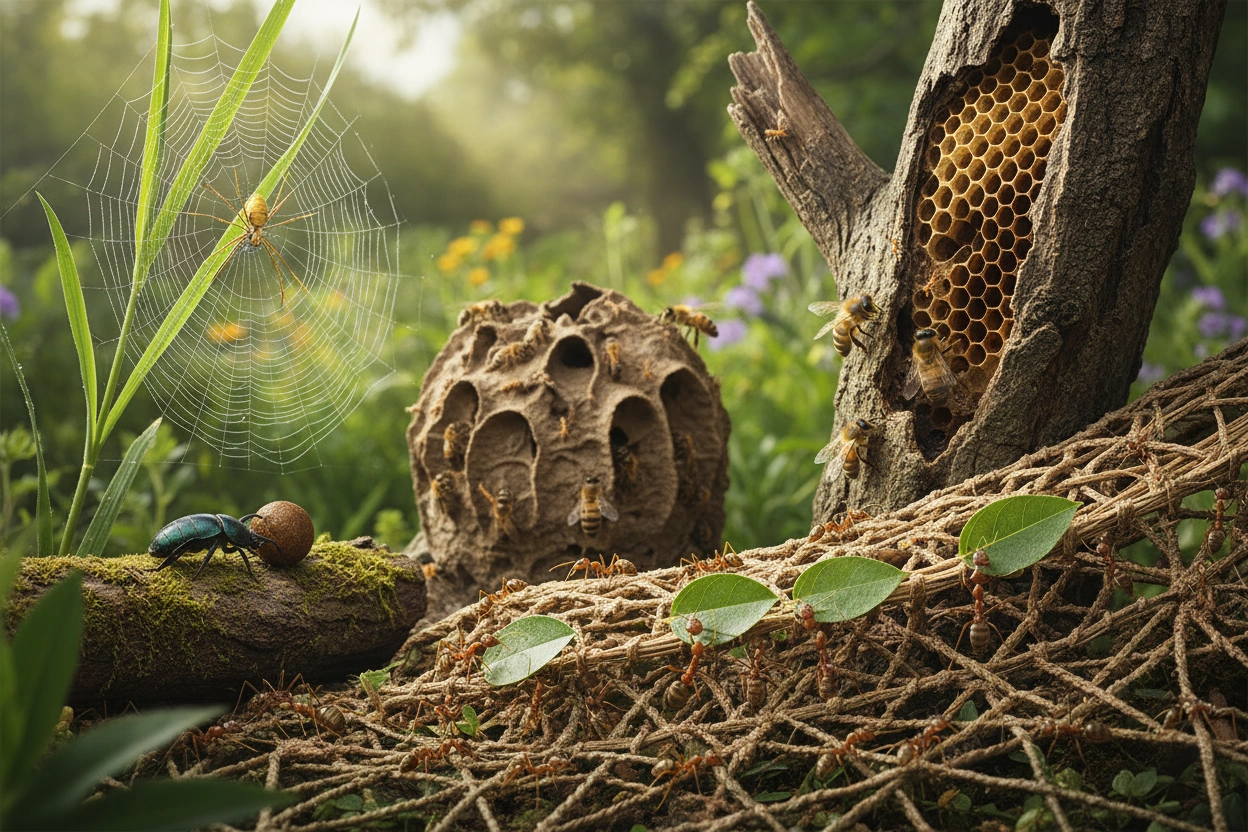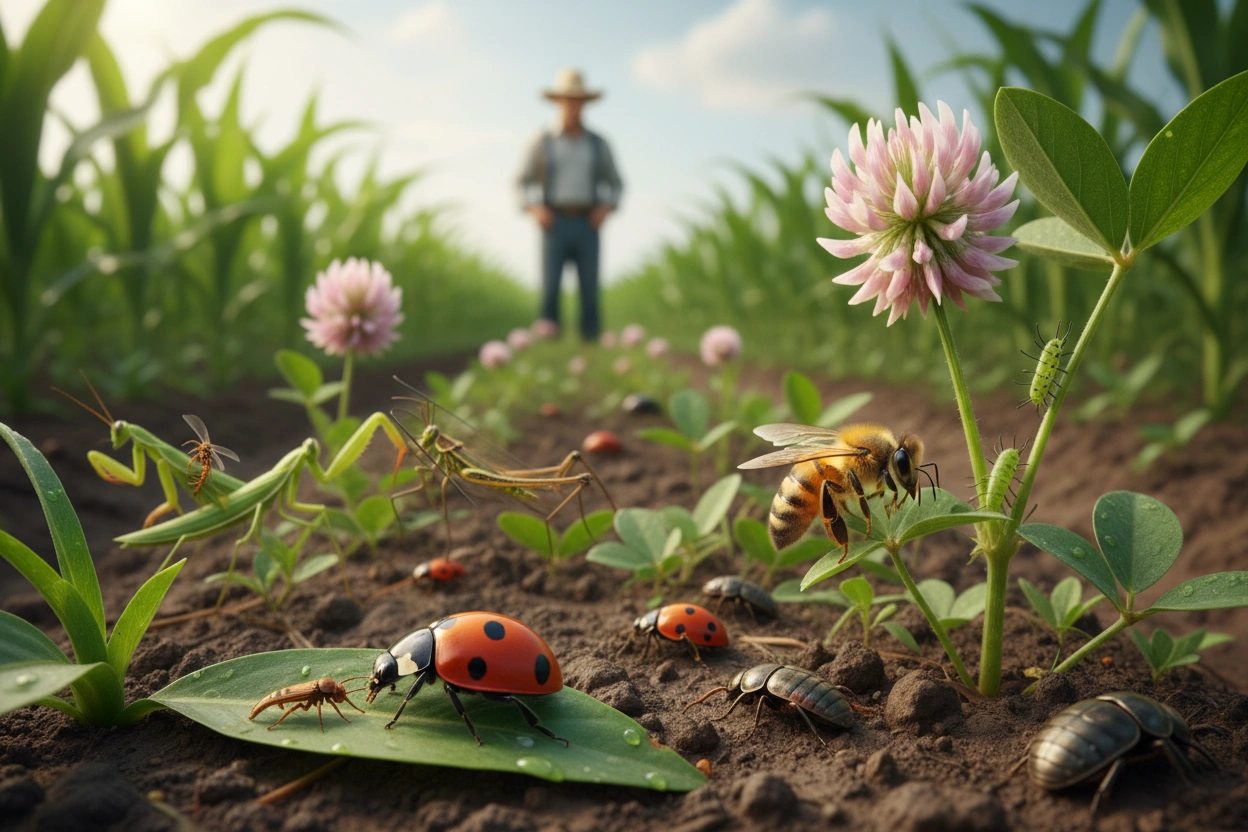
Insects play a critical role in agriculture and pest control, affecting everything from crop health to the ecosystem's balance. In 2026, understanding insects is more vital than ever, especially as agricultural practices evolve and the need for sustainable pest management becomes increasingly pressing. This guide aims to provide a comprehensive overview of insects in agriculture, focusing on their identification, roles, and management strategies.
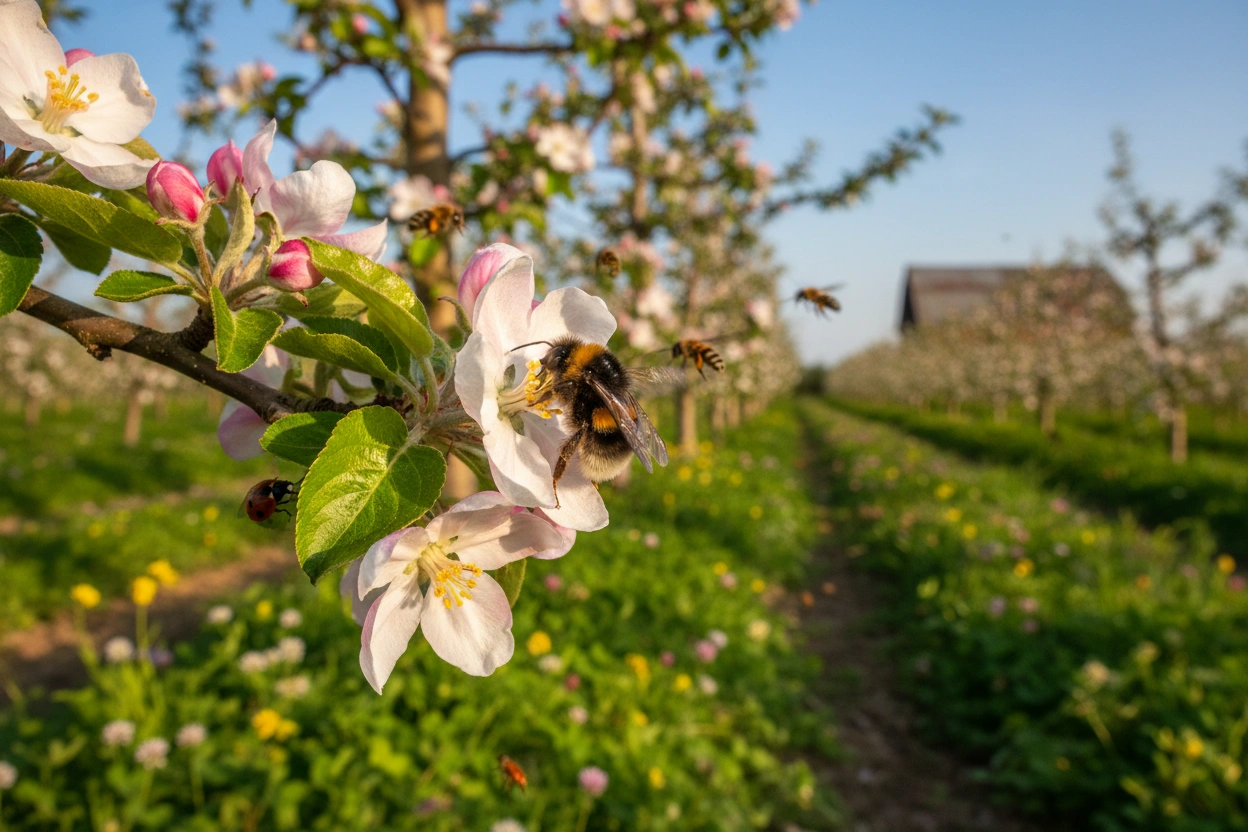
Insects are often viewed solely as pests, but they hold significant value in agriculture. They contribute to pollination, nutrient cycling, and natural pest control. For instance, many crops depend on insects for pollination, which is essential for fruit and seed production. A study from the Food and Agriculture Organization indicates that approximately 75% of the world's food crops rely on animal pollination, predominantly by insects.
Additionally, certain insect species serve as natural predators to agricultural pests, reducing the need for chemical interventions. This natural pest control not only helps maintain healthy crops but also promotes biodiversity and sustainability. Understanding the roles of various insect species is crucial for developing effective agricultural practices and pest management strategies.
Pollination: Insects such as bees, butterflies, and beetles are essential for the pollination of many crops. Without them, yields can significantly decrease.
Soil Health: Insects like ants and beetles contribute to soil aeration and nutrient cycling, enhancing soil structure and fertility.
Natural Pest Control: Predatory insects such as ladybugs and lacewings help control pest populations, reducing the reliance on chemical pesticides.
One prevalent misconception is that all insects are harmful to crops. While some insects do cause damage, many play beneficial roles. For instance, aphids are often vilified for their role as pests, yet they also serve as a food source for beneficial insects. Understanding the ecological balance is vital for effective pest management.
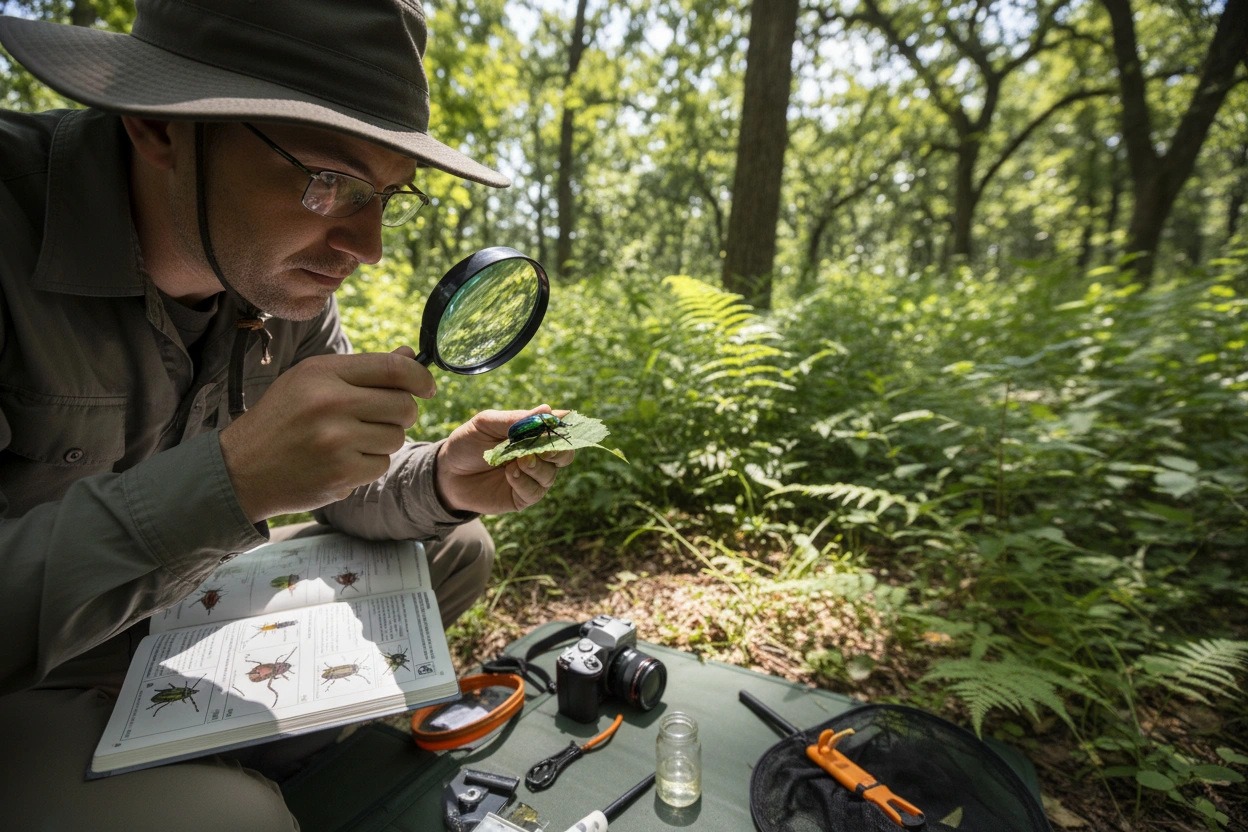
Correctly identifying insect species is essential for effective pest control and agricultural management. Misidentification can lead to inappropriate management strategies, resulting in ineffective pest control or harm to beneficial insects.
Field Guides: Using field guides specific to your region can help identify common insect species.
Mobile Apps: There are several mobile applications designed for insect identification that allow users to take photos and receive instant feedback.
Entomology Resources: Online databases and entomology websites provide extensive resources for identifying insect species and understanding their roles.
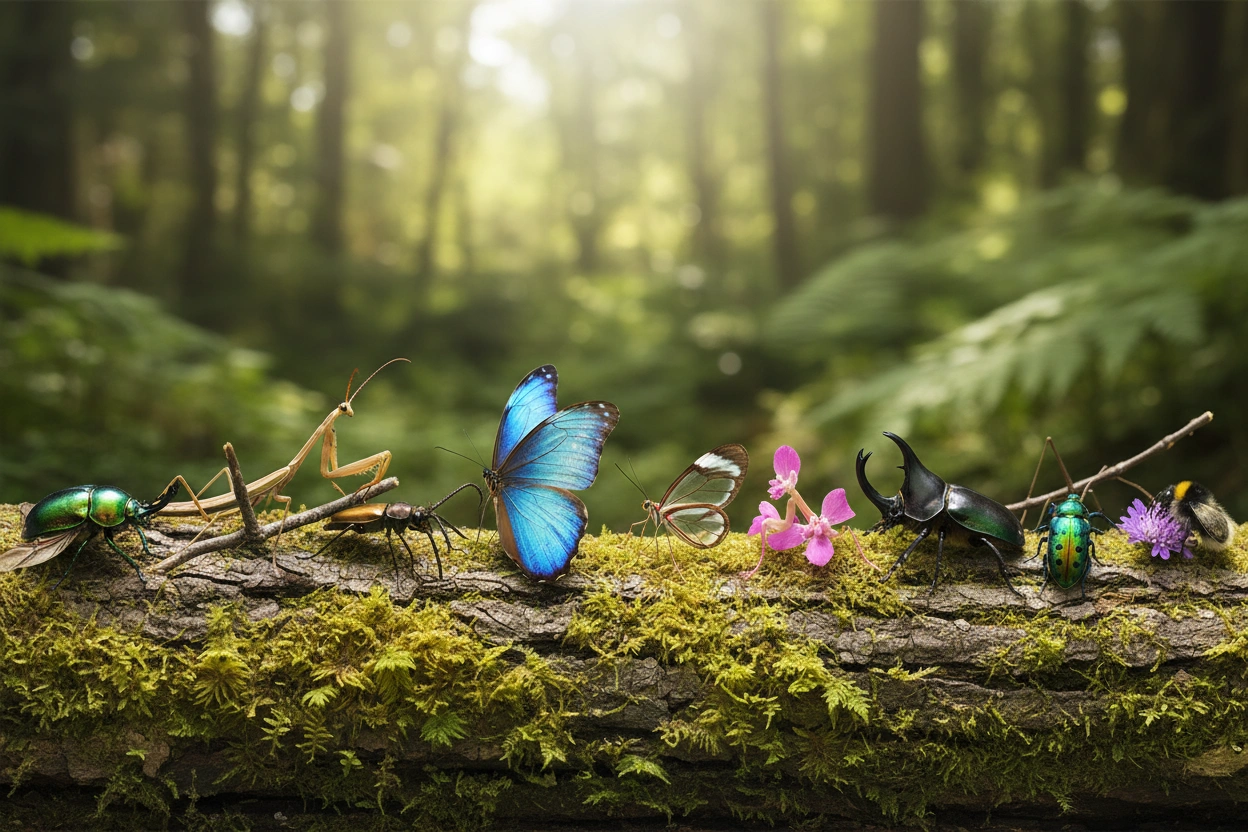
Understanding various insect species can enhance agricultural practices and pest control strategies. Here are ten fascinating insect species that play significant roles in agriculture:
Honeybee (Apis mellifera): Essential for pollination, honeybees contribute to the growth of many crops. Their decline due to pesticides and habitat loss is a major concern.
Ladybug (Coccinellidae): Known for their pest control abilities, ladybugs feed on aphids and other harmful insects, making them valuable allies for farmers.
Lacewing (Chrysopidae): The larvae of lacewings are voracious predators of pest insects, providing natural pest control.
Dragonfly (Anisoptera): These insects are not only beautiful but also effective predators of mosquitoes and other agricultural pests.
Ants (Formicidae): While some species can be pests, many ants improve soil health and act as biological control agents for other insects.
Butterflies (Lepidoptera): Beyond their aesthetic appeal, butterflies are crucial pollinators for various flowering plants.
Beetles (Coleoptera): With a vast range of species, many beetles contribute to soil health and pest control.
Moths (Lepidoptera): Certain moth species are important pollinators, especially at night.
Termites (Isoptera): While often seen as pests, termites play a significant role in decomposing wood and recycling nutrients in the soil.
Cockroaches (Blattodea): Despite their reputation, cockroaches contribute to nutrient cycling in ecosystems.
Implementing sustainable pest control strategies is vital for reducing chemical usage and promoting a healthier ecosystem. Here are effective strategies to consider:
IPM is a holistic approach that combines various management strategies. This includes:
Organic methods focus on using natural substances and techniques to manage pests. Some effective organic pest control methods include:
Insects are an integral part of agricultural ecosystems. They contribute to crop production, soil health, and pest management. Understanding insect biology, behavior, and ecology is essential for optimizing agricultural practices. Farmers can enhance their productivity and critical role in ecosystems by recognizing the roles insects play in their operations.
Banana Slug Club is committed to supporting farmers and agricultural professionals in their journey toward sustainable practices. With the right tools and knowledge, you can make informed decisions that benefit both your crops and the environment.
If you're looking to deepen your understanding of insects in agriculture and pest control, we invite you to explore our resources. Contact Banana Slug Club for expert guidance and support in implementing effective pest management strategies tailored to your needs.
Get free resources, early access to new features and updates.
No spam. Just fun educational emails!


.svg)
.svg)