Crustaceans are an incredibly diverse group of marine and freshwater animals that play significant roles in aquatic ecosystems. From the tiny shrimp to the majestic lobsters, these creatures are not only fascinating to study but also vital for both ecological balance and human consumption. As of August 2026, the interest in crustaceans has surged, with enthusiasts keen to learn more about their biology, habitats, and conservation efforts. This article aims to provide a comprehensive guide to essential tools and resources that every crustacean enthusiast should be aware of, along with top strategies to enhance your understanding and appreciation of these remarkable creatures. beginner’s guide to crustaceans

Crustaceans belong to the class Crustacea, which is part of the phylum Arthropoda. They are characterized by their hard exoskeleton, segmented bodies, and jointed limbs. This class includes a variety of species such as crabs, lobsters, shrimp, and barnacles.
Crustaceans play crucial roles in aquatic ecosystems. They serve as both predators and prey, contributing to the food web. Additionally, they help in nutrient recycling and sediment turnover. For instance, species like krill are fundamental in the diet of many marine animals, including whales and seals. Understanding these dynamics is essential for enthusiasts who want to appreciate the ecological significance of crustaceans.
Despite their importance, there are several misconceptions surrounding crustaceans. One common myth is that all crustaceans are harmful to humans. While some species can pose risks, most are harmless and even beneficial. Another misconception is that crustaceans are solely ocean dwellers; in reality, many species thrive in freshwater environments. Addressing these misconceptions is vital for fostering a more accurate understanding of these creatures.
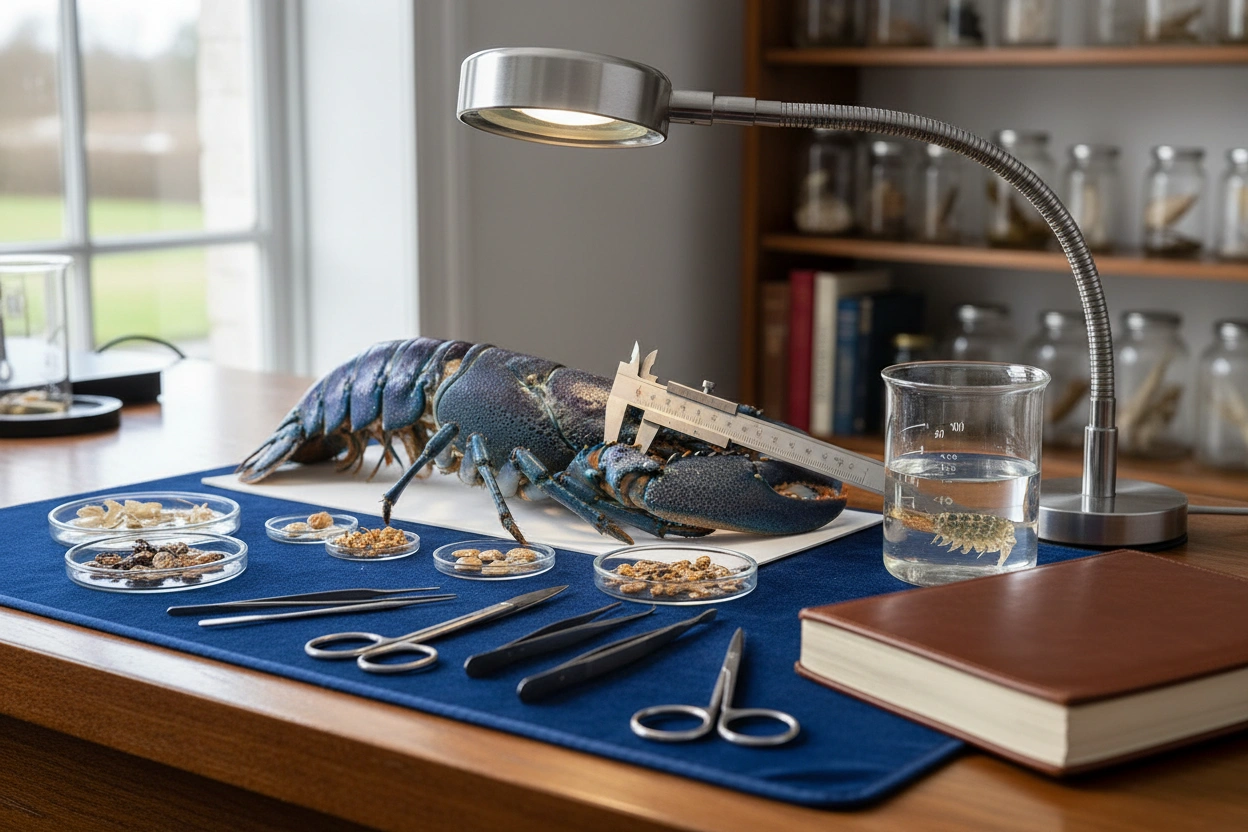
To truly appreciate and study crustaceans, enthusiasts can benefit from a variety of tools and resources. Here are some essential items to consider:
Field guides are invaluable resources for identifying crustacean species in their natural habitats. They provide detailed information on physical characteristics, behaviors, and habitats.
For those looking to study crustaceans in their natural environments, having the right sampling equipment is crucial. This may include:
In the digital age, many resources are available online that can enhance your crustacean knowledge. Consider utilizing:

For those passionate about crustaceans, implementing effective strategies can enhance your understanding and enjoyment of these creatures. Below are key strategies to consider:
Engaging in citizen science projects can deepen your knowledge while contributing to important research efforts. Many organizations seek volunteers to help with data collection regarding crustacean populations.
Joining a local conservation group can provide insights into the conservation efforts for crustaceans in your area.
Participating in workshops and conferences focused on marine biology and crustaceans can significantly enhance your understanding.
Online platforms and forums dedicated to crustaceans can serve as excellent resources for enthusiasts.
Taking the time to explore local aquatic habitats can be one of the most rewarding experiences for a crustacean enthusiast.
Engaging with crustaceans can be a rewarding experience, but there are common pitfalls that enthusiasts should be aware of: common crustaceans mistakes
Many enthusiasts jump into observing or collecting crustaceans without sufficient background knowledge. This can lead to misidentification or misunderstanding of species behavior.
Collecting crustaceans without adhering to local regulations can harm populations and ecosystems.
Water quality plays a vital role in the health of crustacean populations. Ignoring this aspect can lead to skewed observations. optimize crustaceans in aquaculture
The Banana Slug Club is dedicated to promoting education and conservation efforts related to crustaceans and other marine life. By joining this community, enthusiasts can access a wealth of resources and opportunities to deepen their knowledge.
Banana Slug Club provides numerous educational materials that can help enthusiasts learn more about crustaceans. raising healthy crustaceans
The club often organizes events that encourage active participation in research and conservation.
Engaging with crustaceans can be a fulfilling journey filled with discovery and learning. Through the tools and resources outlined in this article, enthusiasts can deepen their understanding of these fascinating creatures. Joining the Banana Slug Club can further enhance this experience, offering educational resources and community support for all levels of enthusiasts.
For more information and to explore how you can get involved, visit Banana Slug Club. This community is dedicated to fostering a love for crustaceans and promoting their conservation, ensuring that future generations can enjoy and learn from these incredible animals.
Get free resources, early access to new features and updates.
No spam. Just fun educational emails!


.svg)
.svg)