Beginner Tips for Identifying Different Crustaceans Species
Identifying different species of crustaceans can be a rewarding endeavor, whether you're a marine biology enthusiast, a hobbyist, or simply someone curious about the natural world. Crustaceans are a diverse group of arthropods that inhabit a variety of environments, from oceans to freshwater bodies, and even terrestrial ecosystems. Understanding their unique characteristics is essential for proper identification and appreciation of their ecological roles.
In this guide, we will delve into the fundamental aspects of crustacean identification, providing you with practical tips and strategies to enhance your skills. By the end of this article, you'll have a solid foundation for recognizing various crustacean species and understanding their behaviors, habitats, and significance within their ecosystems.
Understanding Crustaceans
What are Crustaceans?
Crustaceans belong to the class Crustacea within the phylum Arthropoda, which also includes insects and arachnids. They are characterized by their hard exoskeletons, segmented bodies, and jointed limbs. Crustaceans can be found in a variety of forms, including crabs, lobsters, shrimp, and barnacles, and they play vital roles in aquatic ecosystems as both predators and prey.
The diversity of crustaceans is staggering, with over 67,000 recognized species, ranging from the minuscule copepods to the massive Japanese spider crab. Their adaptability to various environments makes them a fascinating subject of study for scientists and enthusiasts alike.
Common Misconceptions About Crustaceans
There are several misconceptions surrounding crustaceans that can hinder proper identification.
- Misconception 1: All crustaceans live in water. While many crustaceans are aquatic, some species, like the woodlice, are terrestrial and thrive in moist environments.
- Misconception 2: All crustaceans have the same body structure. Crustaceans exhibit a wide range of body forms and adaptations, making it essential to understand their specific characteristics for accurate identification.
- Misconception 3: Crustaceans are only important for food. While they are a crucial food source for many animals and humans, crustaceans also contribute to nutrient cycling and habitat structure in their ecosystems.
Understanding these misconceptions will provide a clearer perspective as you begin your journey into the world of crustaceans.
Top Crustaceans Strategies for Identification
To effectively identify different crustacean species, it's important to develop a systematic approach. Below are essential strategies that can enhance your identification skills.
1. Observe Physical Characteristics
Physical characteristics are the most immediate indicators for identifying crustaceans. Key features to focus on include:
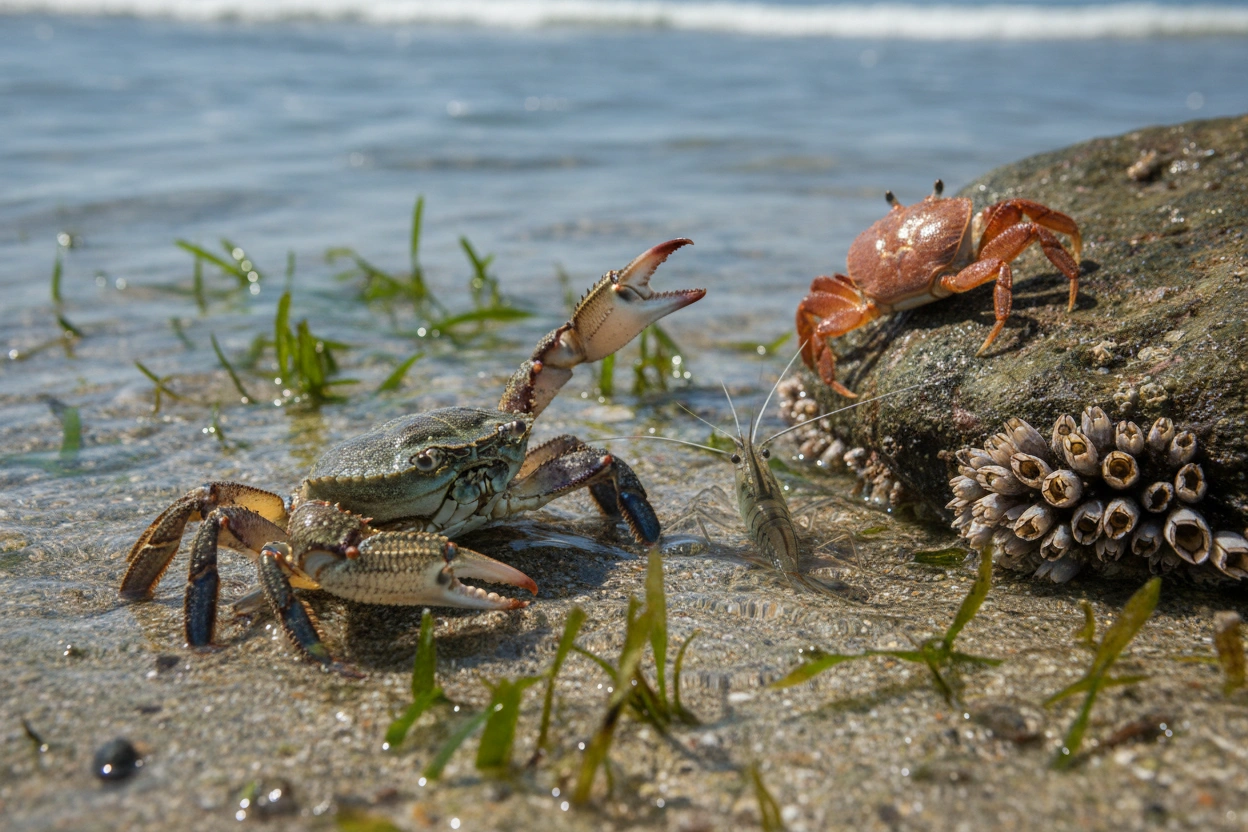
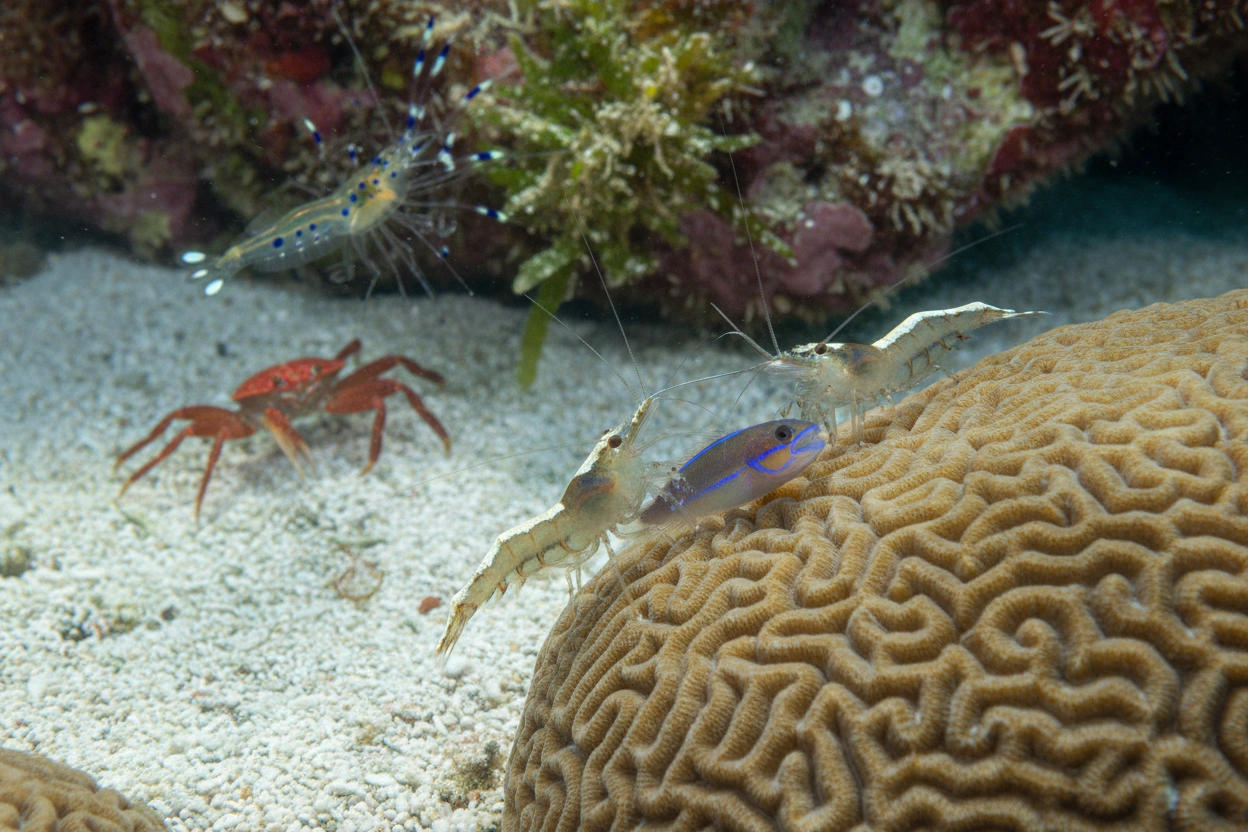
- Body Shape and Size: Crustaceans come in various shapes and sizes. For instance, crabs generally have a broad, flat body, while shrimp have a more elongated form.
- Appendages: The number and type of limbs can vary significantly. Some species have specialized appendages for swimming or grasping.
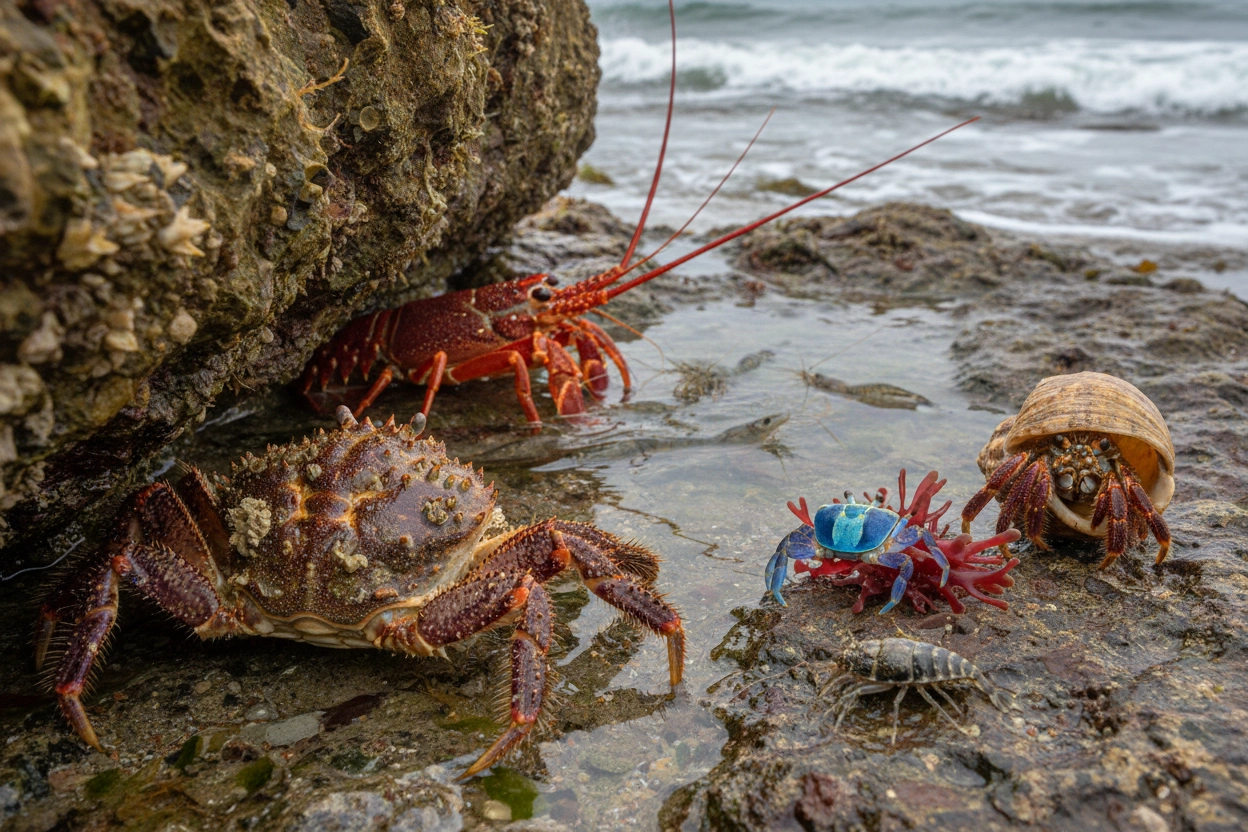
- Exoskeleton Texture: The texture of the exoskeleton can provide clues about the species. Some crustaceans have smooth shells, while others may have spiny or rough surfaces.
2. Analyze Coloration and Patterns
Coloration can be a helpful aspect of crustacean identification.
- Color Variations: Different species may exhibit distinct colors or patterns. For example, the blue crab has a characteristic blue hue on its claws, while the American lobster is typically brownish-red.
- Mimicry and Camouflage: Some crustaceans use mimicry or camouflage to blend into their environments. Familiarizing yourself with local species can help you identify these adaptive strategies.
3. Study Behavioral Traits
Behavioral traits can also aid in identification. Observing how a crustacean moves, feeds, or interacts with its environment can provide insight into its species.
- Feeding Habits: Some crustaceans are scavengers, while others are active predators. Understanding their feeding behavior can help narrow down species.
- Habitat Preferences: Knowing where a crustacean typically resides, whether in sandy bottoms, rocky crevices, or open water, can also assist in identification.
4. Utilize Identification Guides
Using identification guides is an invaluable strategy for anyone looking to deepen their understanding of crustaceans. These resources often include:
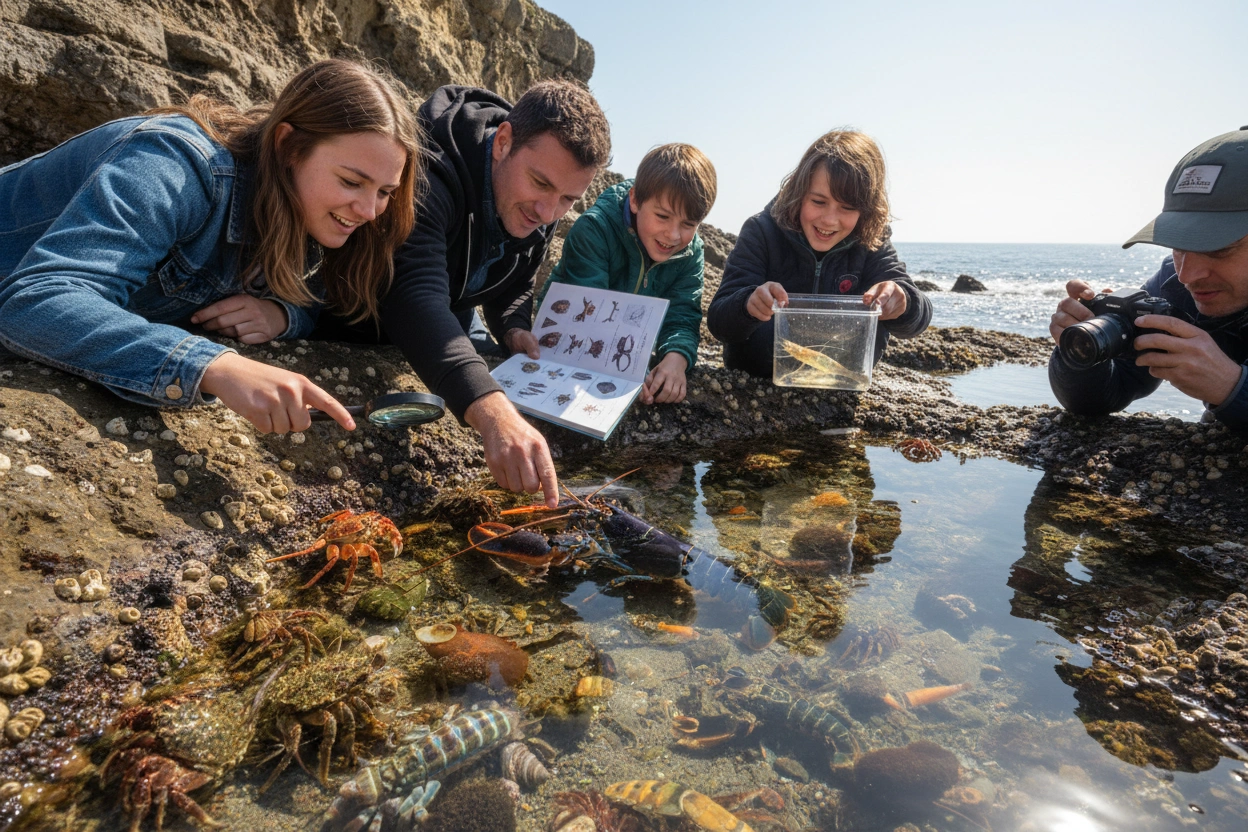
- Field Guides: Comprehensive field guides provide detailed descriptions, illustrations, and photographs of various crustacean species.
- Mobile Apps: There are several mobile applications designed to help identify crustaceans based on user-submitted photos and characteristics. These tools can be particularly handy during fieldwork.
5. Join Local Clubs or Online Communities
Engaging with local clubs or online communities can enhance your crustacean identification skills through shared knowledge and experiences.
- Local Marine Biology Clubs: Joining a club allows you to learn from experienced enthusiasts and participate in field trips to observe crustaceans in their natural habitats.
- Online Forums and Social Media Groups: Platforms like Reddit or Facebook often have dedicated groups for marine life enthusiasts, where you can ask questions and share your observations.
Practical Tips for Beginners
As a beginner in identifying crustaceans, consider these practical tips to enhance your learning experience.
Familiarize Yourself with Local Species
Understanding the species that inhabit your local area is crucial. Start by:
- Researching the common crustaceans in your region.
- Visiting local aquariums or marine centers to observe live specimens.
- Participating in local beach clean-ups or nature walks to encounter crustaceans in their natural habitats.
Keep a Field Journal
Maintaining a field journal can help you document your findings and track your progress. Include:
- Sketches or photographs of crustaceans you encounter.
- Notes on their behaviors, habitats, and any unique features.
- Reflections on your identification process and what you learned.
Practice Patience and Observation
Identifying crustaceans can take time and practice. Focus on:
- Spending time observing crustaceans in their environments without disturbing them.
- Taking detailed notes about their behaviors and interactions.
- Revisiting locations over time to see how different species may appear in different seasons.
Avoid Common Mistakes
As you embark on your crustacean identification journey, be mindful of these common mistakes:
- Rushing the Identification Process: Take your time and ensure you are confident in your identification before concluding.
- Ignoring Variability: Be aware that individual crustaceans within the same species can exhibit variations in color and size due to environmental factors.
- Overlooking Juvenile Forms: Many crustaceans have different appearances in their juvenile stages. Familiarizing yourself with these forms is essential for accurate identification.
The Intersection of Crustaceans and Conservation
As you learn to identify different crustacean species, it’s also important to understand their ecological significance. Crustaceans play critical roles in aquatic food webs and contribute to the health of marine environments. They serve as:
- Key Prey: Many fish and birds rely on crustaceans as a primary food source.
- Ecosystem Engineers: Some species, like barnacles and mussels, help create habitats for other marine life by forming reefs and structures.
Understanding these roles can enhance your appreciation for crustaceans and motivate you to participate in conservation efforts. sustainable aquaculture initiatives can include:
- Supporting local marine conservation organizations.
- Participating in citizen science projects that monitor crustacean populations.
- Advocating for common crustaceans mistakes to protect crustacean habitats.
How Banana Slug Club Can Help
At Banana Slug Club, we are dedicated to fostering a deeper understanding of the natural world, including the diverse species of crustaceans. Our resources and community initiatives are designed to support your journey in learning and appreciating marine life.
By becoming part of our community, you will gain access to:
- Informative workshops on advanced crustaceans care and growth and identification.
- Networking opportunities with experts in marine ecology.
- Educational materials that enhance your understanding of local ecosystems.
If you are eager to deepen your knowledge and connect with fellow enthusiasts, we invite you to join us. best practices for upcoming events and resources that can help you further explore the fascinating world of crustaceans. Together, we can celebrate and protect these remarkable creatures that play such a vital role in our ecosystems.


.svg)
.svg)