Marine farming is an increasingly vital industry, especially as demand for seafood continues to rise. Among the most sought-after products in this sector are crustaceans, which include species such as shrimp, crabs, and lobsters. While the potential for profit is significant, many aquaculture operators encounter common mistakes outlined above that can hinder their success. This article will explore these common mistakes and provide actionable strategies to help you optimize your crustacean farming efforts.

Crustaceans are a diverse group of aquatic animals characterized by their hard exoskeletons and segmented bodies. They play a crucial role in aquatic ecosystems and are a staple in many diets worldwide. The global market for crustaceans has expanded significantly, with shrimp farming alone accounting for a substantial portion of the aquaculture industry. However, the complexities involved in farming these creatures can lead to mistakes that can impact yield and profitability.
In the context of marine farming, it is essential to recognize the unique needs of crustaceans, which differ significantly from finfish species. They require specific water quality parameters, feeding regimens, and environmental conditions to thrive. Understanding these requirements is the foundation for a successful operation.
Neglecting Water Quality Management
Water quality is paramount in crustacean farming. Factors such as salinity, temperature, pH, and dissolved oxygen levels must be closely monitored and maintained within optimal ranges. Failure to do so can lead to stress, disease, and ultimately, high mortality rates.
Inadequate Feeding Practices
Providing a balanced diet is essential for the growth and health of crustaceans. Many farmers underestimate the importance of nutrition, leading to poor growth rates and increased susceptibility to disease. It's crucial to provide a diet that meets the specific nutritional needs of the species being farmed.
Overcrowding and Poor Stocking Density
Stocking density can significantly impact the health and growth of crustaceans. Overcrowding can lead to competition for resources, increased stress, and higher disease transmission rates. Conversely, too low of a density can lead to underutilization of resources.
Ignoring Biosecurity Protocols
Crustaceans are particularly vulnerable to diseases, which can spread rapidly in a farming environment. Implementing strict biosecurity measures is essential to prevent disease outbreaks that can devastate entire populations.
Failure to Adapt to Environmental Changes
Climate change and other environmental factors can alter the conditions of marine farming. Farmers must be prepared to adapt their practices in response to changing conditions, such as fluctuating water temperatures or salinity levels.
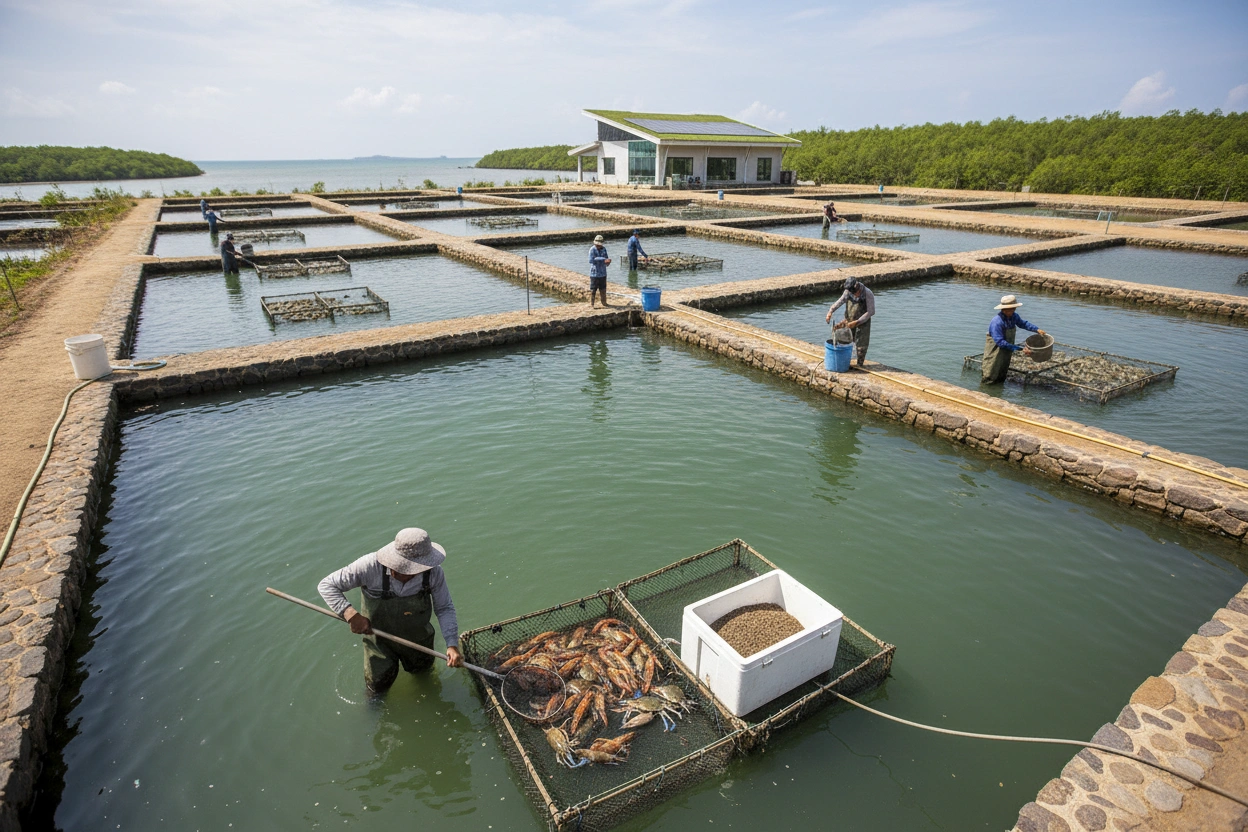
To avoid the common mistakes outlined above, consider implementing these effective strategies for crustacean farming:
Effective water quality management is the backbone of successful crustacean farming. Regularly test for the following parameters:
Utilizing automated monitoring systems can help maintain consistent water quality, ensuring optimal growth conditions for your crustaceans.
Create a feeding schedule that reflects the nutritional needs of your crustaceans. Consider the following points:
Finding the right balance in stocking density is crucial for the health of your crustaceans. Follow these guidelines:
Implementing biosecurity measures is essential to protect your crustacean populations from disease. Consider these steps:
Keeping abreast of environmental changes and trends is vital for adapting your farming practices. Here are some strategies:

In addition to the mistakes previously discussed, several misconceptions can lead to ineffective practices in crustacean farming. Understanding these can help farmers avoid unnecessary pitfalls.
While crustaceans are often perceived as easier to farm than other species, they require careful attention to detail. The belief that they can thrive in poor conditions is misguided. Proper management practices are essential for their health and productivity.
Different species of crustaceans have unique requirements regarding water quality, temperature, and diet. Assuming that all crustaceans can be treated the same can lead to poor outcomes. It is crucial to understand the specific needs of each species.
Some farmers underestimate the importance of disease prevention, believing that their crustaceans will naturally resist illness. In reality, proactive biosecurity measures are essential to prevent outbreaks that can devastate populations.
Crustacean farming presents unique opportunities and challenges for aquaculture operators. By understanding the common mistakes and implementing effective strategies, farmers can enhance their operations and improve their yields.
The Banana Slug Club is dedicated to providing resources and support for individuals looking to excel in the marine farming industry. Whether you are just starting or seeking to optimize your existing practices, we offer valuable insights to help you succeed.
For expert guidance tailored to your specific needs in crustacean farming, contact Banana Slug Club today. We are here to assist you in navigating the complexities of this rewarding industry.
Get free resources, early access to new features and updates.
No spam. Just fun educational emails!


.svg)
.svg)