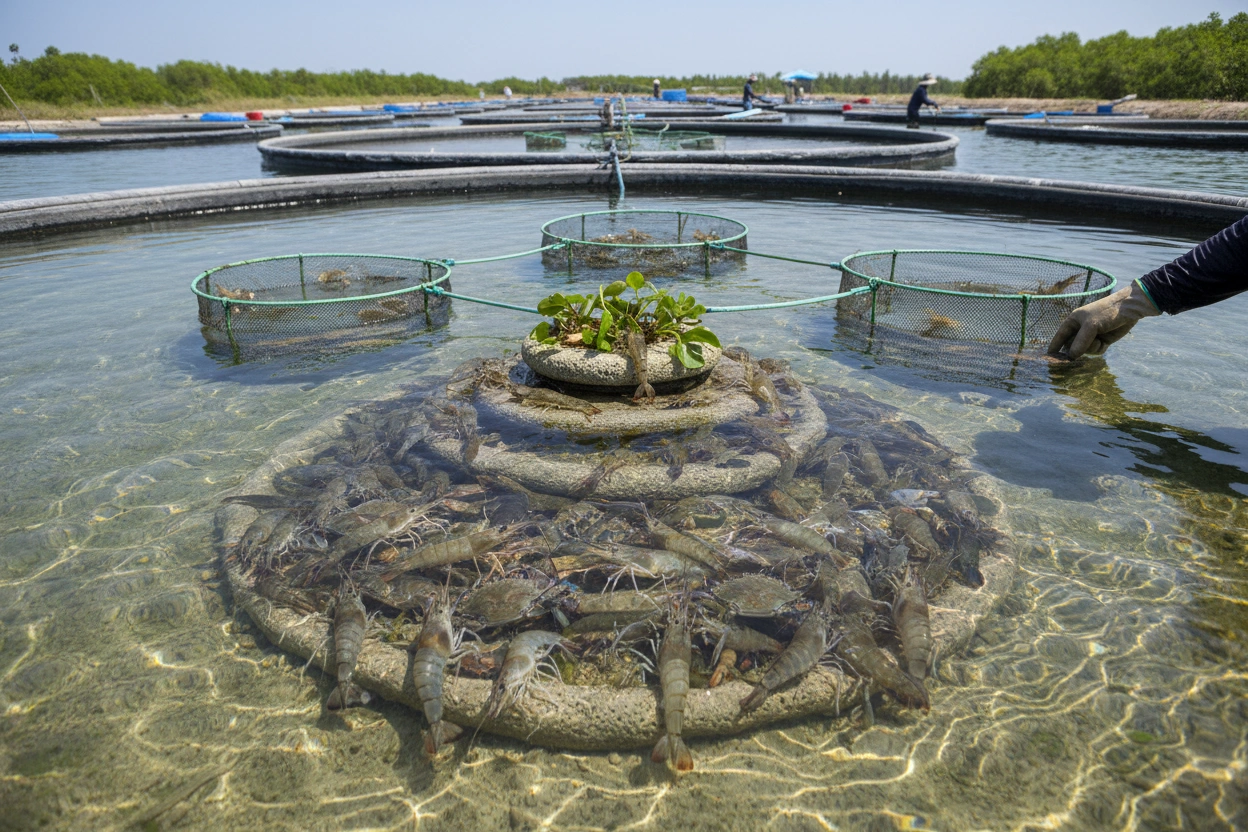
The aquaculture industry has seen significant advancements in recent years, particularly in the cultivation of crustaceans. As of 2026, the demand for sustainable seafood has surged, prompting aquaculture businesses to optimizing crustaceans in aquaculture. Crustaceans, which include species like shrimp, crabs, and lobsters, are not only a vital source of protein but also a significant contributor to the global economy. This article will provide a comprehensive guide to optimizing crustaceans in aquaculture, highlighting best practices, common pitfalls, and innovative strategies.
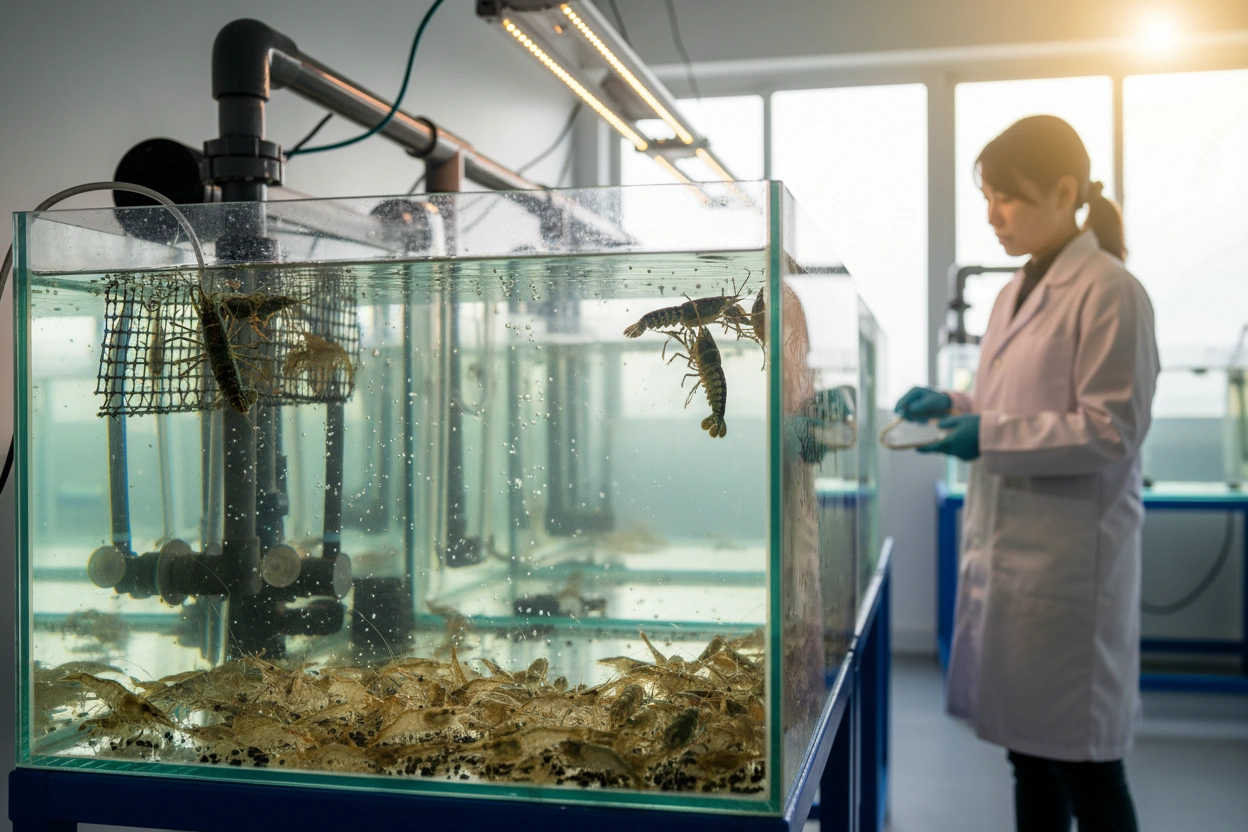
Crustaceans play a crucial role in aquaculture due to their high market value and nutritional benefits. However, successful cultivation requires a deep understanding of their biology, habitat requirements, and farming techniques.
Crustaceans are characterized by their exoskeletons, segmented bodies, and jointed limbs. These features influence their growth and reproduction, making it essential for aquaculture producers to tailor their farming practices accordingly.
Growth Rates: Understanding the growth patterns of different crustacean species is vital. For example, Pacific white shrimp (Litopenaeus vannamei) can grow rapidly under optimal conditions, reaching market size in just a few months.
Reproductive Cycles: Knowledge of the reproductive cycles of crustaceans aids in breeding programs and ensures a sustainable supply. For instance, many species exhibit specific breeding seasons influenced by environmental factors.
Creating a suitable environment for crustaceans is fundamental to their health and growth. Factors such as water quality, salinity, and temperature must be carefully monitored and managed.
Water Quality: High levels of ammonia and nitrite can be detrimental. Regular testing and maintenance of water quality parameters are crucial for preventing disease and promoting growth.
Salinity: Different species have varying salinity preferences. For instance, brine shrimp thrive in high salinity conditions, while most shrimp species prefer brackish water.
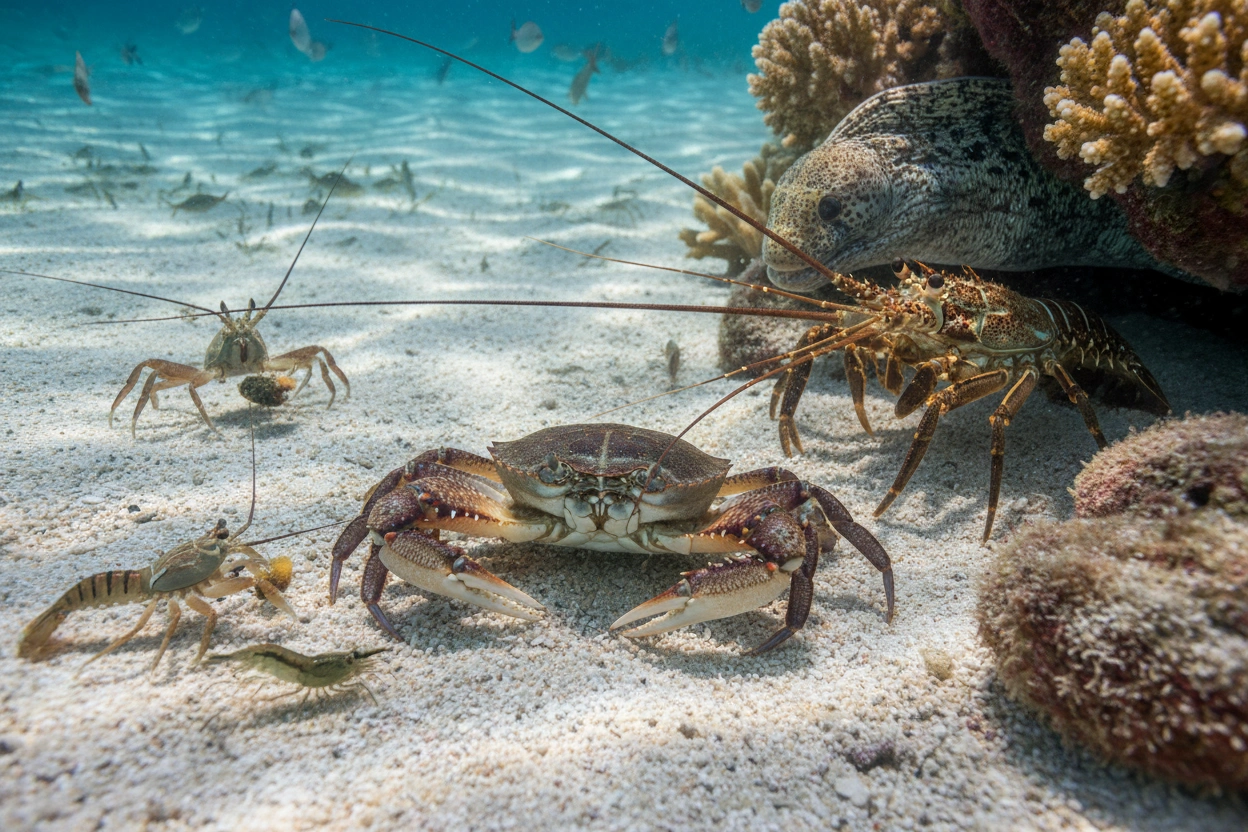
To optimize crustaceans in aquaculture effectively, implementing specific strategies is essential. Below are several best practices that can enhance productivity and sustainability.
Optimal Feeding Practices
Water Quality Management
Disease Management
Sustainable Practices
Breeding and Genetic Selection
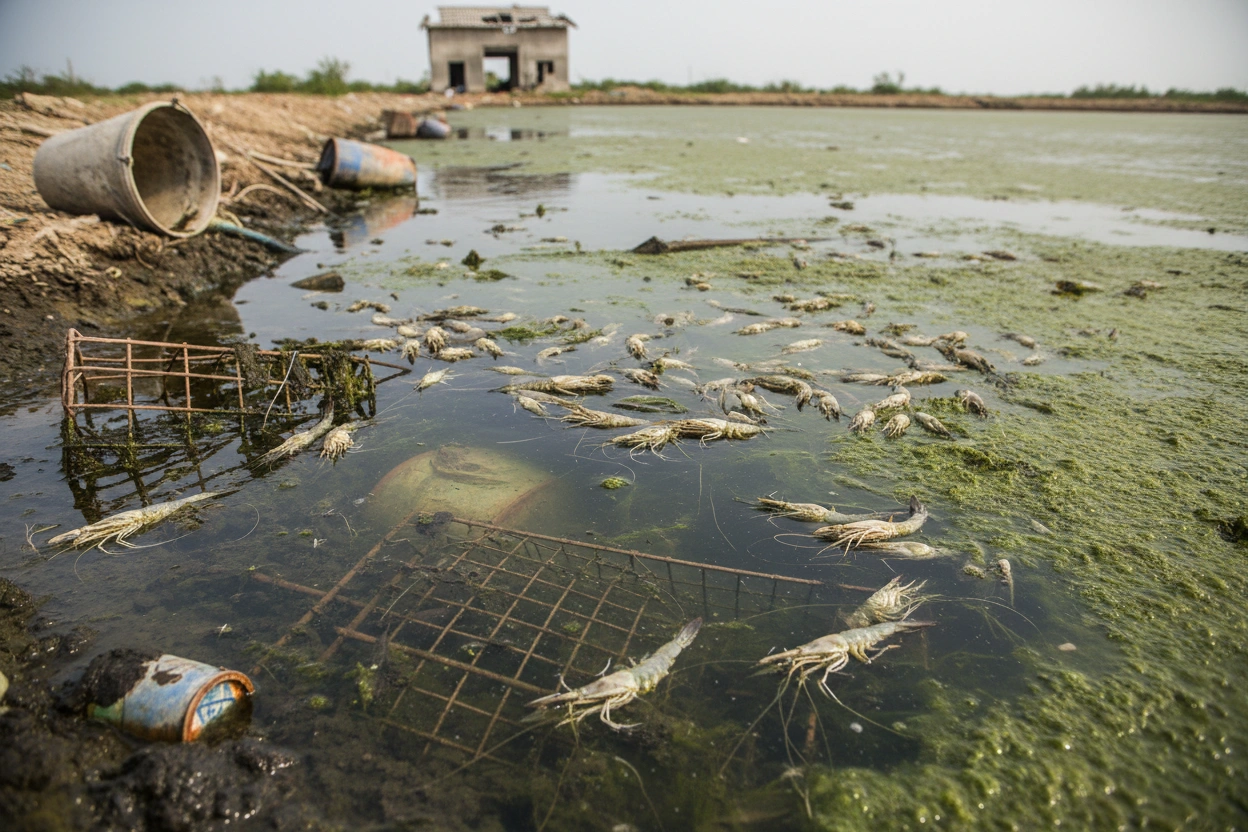
Despite the potential for success, many aquaculture operations encounter challenges that hinder their productivity. Understanding and avoiding these common mistakes can lead to significant improvements.
One prevalent issue in crustacean aquaculture is overfeeding, which can lead to water quality deterioration. Aquaculture producers should:
Another mistake is ignoring environmental conditions that affect crustacean health. To prevent this, aquaculture operations should:
The incorporation of technology in aquaculture is transforming how crustaceans are farmed. Innovative solutions can lead to better management practices and improved yields.
Automated systems for feeding, water quality monitoring, and data collection can streamline operations and reduce labor costs.
Automated Feeding Systems: These systems ensure precise feeding, reducing waste and optimizing growth rates.
Remote Monitoring Technologies: Sensors can provide real-time data on water quality, allowing for immediate adjustments and preventing potential issues.
Advancements in genetic engineering are enabling the development of crustaceans with enhanced traits.
CRISPR Technology: This gene-editing technology can be used to create disease-resistant strains, helping to ensure the sustainability of aquaculture operations.
Biotechnology in Feed Production: Utilizing biotechnology to enhance the nutritional quality of feed can lead to healthier crustaceans and improved growth rates.
As the global demand for seafood continues to rise, the aquaculture industry will need to adapt and innovate. The future of crustacean farming will likely focus on sustainability, technology integration, and improved management practices.
The shift towards sustainability is already impacting aquaculture practices. Regulatory bodies are increasingly emphasizing responsible farming methods to protect marine ecosystems.
Eco-Labeling: Certifications for sustainable aquaculture practices can enhance marketability and consumer trust.
Regulatory Compliance: Staying informed about regulations and compliance requirements is crucial for successful operations.
Investing in research and development is essential for the growth of crustacean aquaculture.
Collaborative Research Initiatives: Partnerships between universities, research institutions, and aquaculture businesses can lead to breakthroughs in crustacean farming techniques and technologies.
Funding for Innovations: Seeking grants and funding for innovative projects can facilitate advancements in sustainable aquaculture practices.
The Banana Slug Club is dedicated to promoting sustainable practices and advancing knowledge in aquaculture. By leveraging the insights and best practices outlined in this article, aquaculture producers can optimize their crustacean farming operations effectively.
Through educational resources and support, the Banana Slug Club aims to empower aquaculture producers to implement the latest strategies and technologies in crustacean farming.
Workshops and Training Programs: Participating in workshops can enhance knowledge and skills, ensuring that producers stay at the forefront of industry advancements.
Networking Opportunities: Engaging with other professionals in the field can lead to valuable partnerships and collaborations that drive innovation.
The Banana Slug Club is committed to promoting sustainable practices in aquaculture, ensuring that crustacean farming can thrive without compromising the health of marine ecosystems.
Advocacy for Responsible Farming: The organization actively advocates for policies that support sustainable aquaculture and responsible resource management.
Research Funding: Supporting research initiatives that focus on sustainability and innovation in aquaculture can benefit the entire industry.
The insights gained from optimizing crustaceans in aquaculture can significantly impact both productivity and sustainability. As aquaculture continues to evolve, organizations like the Banana Slug Club play a vital role in shaping the future of crustacean farming.
To learn more about how you can improve your crustacean farming practices or to get involved in sustainable aquaculture initiatives, visit Banana Slug Club today. By engaging with the community and applying the best practices discussed, you can contribute to a more sustainable and productive aquaculture industry.
Get free resources, early access to new features and updates.
No spam. Just fun educational emails!


.svg)
.svg)