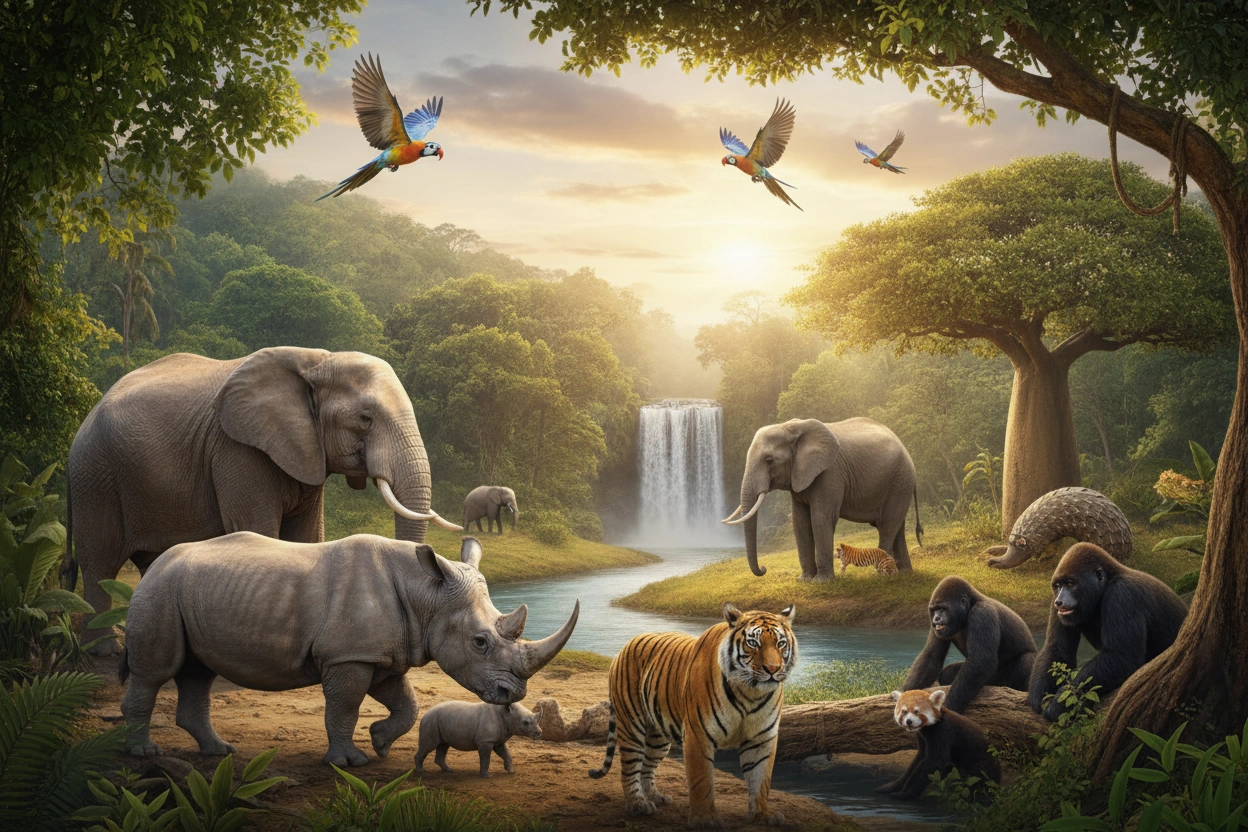
The plight of endangered animals has never been more critical as human activities continue to threaten biodiversity on our planet. In 2026, the urgent need for effective conservation efforts is clear, with species disappearing at an alarming rate. Conservation efforts are not merely about saving individual species; they represent a broader commitment to preserving ecosystems and the myriad of life forms that inhabit them. This article will delve into the top conservation efforts currently underway and highlight ten endangered animals you need to know about.
Understanding the importance of conserving endangered animals is essential for fostering a sustainable future. The actions we take today will determine the fate of many species and the health of our ecosystems. By examining successful strategies and initiatives, we can gain insights into how to protect these vulnerable creatures effectively.
Endangered animals are species that are at risk of extinction due to a variety of factors including habitat loss, poaching, climate change, and pollution. The International Union for Conservation of Nature (IUCN) classifies species into several categories based on their risk of extinction, including vulnerable, endangered, and critically endangered. These classifications help prioritize conservation efforts and allocate resources effectively.
Every species plays a crucial role in its ecosystem. The loss of any one species can lead to a cascade of negative effects on the environment. For example, the extinction of a predator can lead to overpopulation of prey species, which in turn can result in the degradation of vegetation and habitat. This interconnectedness highlights the importance of protecting endangered animals, not only for their survival but for the health of our planet.
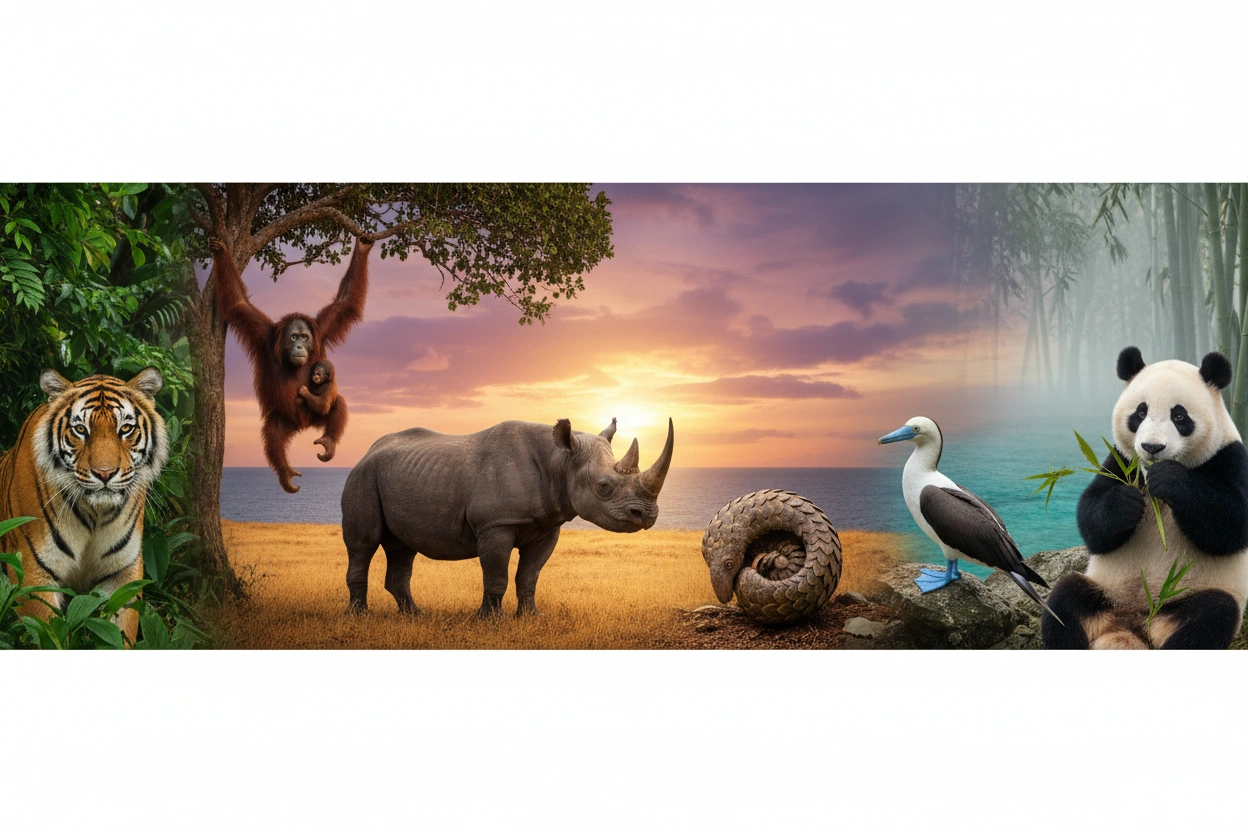
Awareness of endangered species is critical in promoting conservation efforts. Here are ten endangered animals that deserve your attention:
Amur Leopard
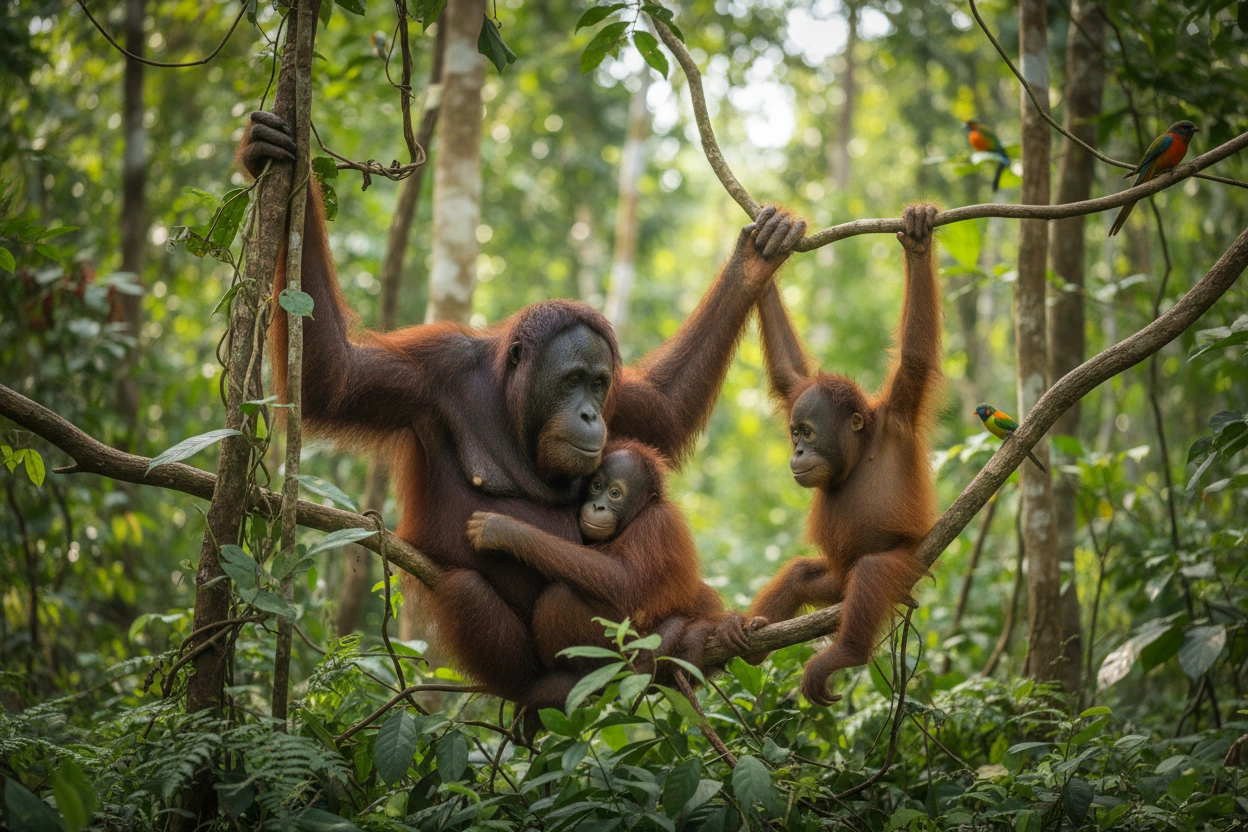
Sumatran Orangutan
Vaquita
Javan Rhino
Northern White Rhino
African Wild Dog
Snow Leopard
Hawksbill Sea Turtle
Pangolin
Yangtze Giant Softshell Turtle
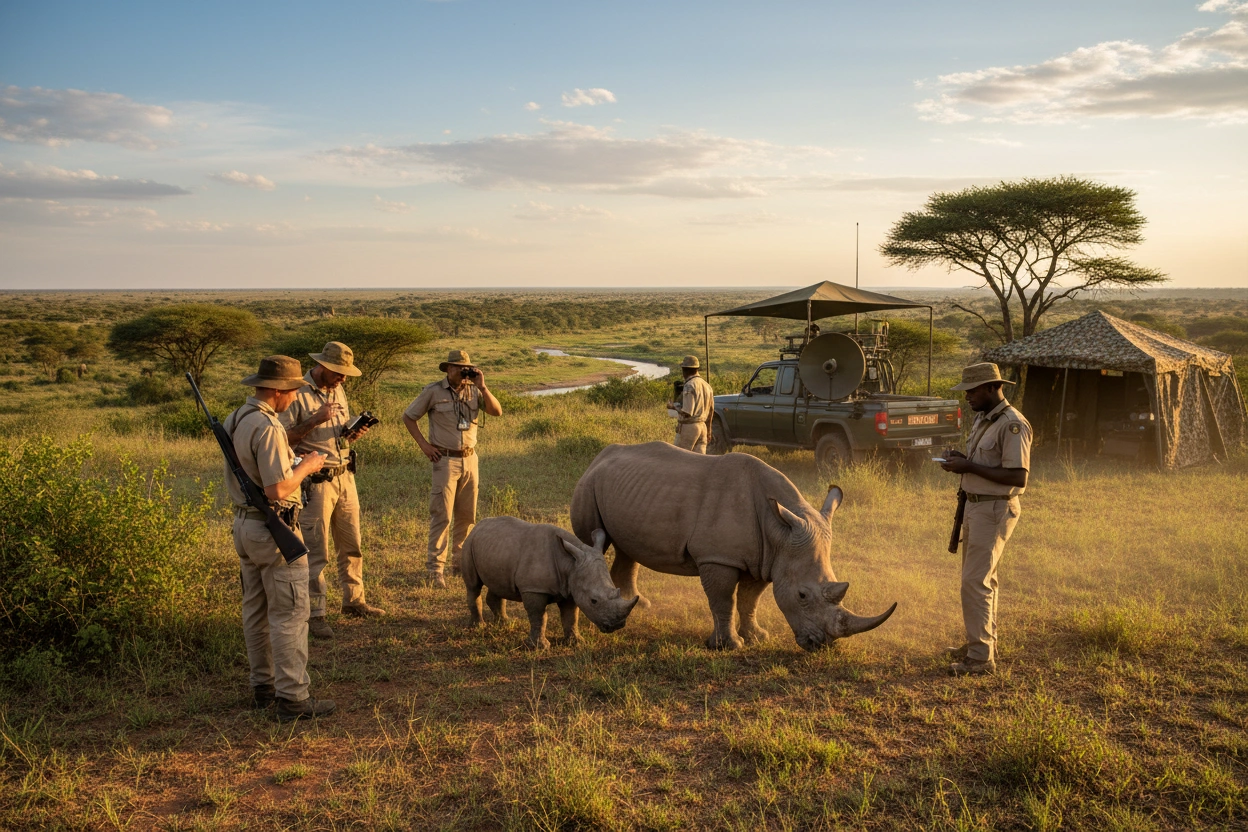
The fight to protect endangered animals encompasses a range of conservation efforts that aim to preserve both species and their habitats. Below are some of the most impactful strategies currently in practice.
Habitat loss is one of the primary drivers of species endangerment. Effective conservation efforts focus on protecting existing habitats and restoring degraded ecosystems. This can involve:
Strong laws and policies are essential for the protection of endangered animals. Conservation organizations work to:
Involving local communities in conservation efforts is crucial for long-term success. Educational initiatives can help raise awareness about the importance of preserving endangered animals and their habitats. Effective strategies include:
Continuous research and monitoring are vital to understanding the status of endangered species and the effectiveness of conservation efforts. This includes:
For some critically endangered species, captive breeding programs are a last resort to prevent extinction. These programs aim to:
Despite the increasing awareness of endangered animals, several misconceptions persist that can hinder conservation efforts. Addressing these can lead to more effective strategies.
Many people believe that conservation efforts focus solely on animals. In reality, conservation encompasses entire ecosystems, including plants, fungi, and microorganisms. Protecting habitats ensures that all forms of life can thrive.
Some may think that only the most endangered species warrant conservation efforts. However, protecting less endangered species can prevent them from becoming endangered, preserving biodiversity and ecosystem stability.
While conservation initiatives require funding, many programs demonstrate that investing in conservation can yield significant economic benefits, such as eco-tourism, sustainable agriculture, and improved ecosystem services.
Technological advancements are revolutionizing conservation efforts, providing tools that enhance monitoring and protection strategies. Key technologies include:
Remote sensing technologies allow conservationists to monitor habitats and track changes in land use over time. GIS provides valuable data for planning conservation strategies and assessing the impact of human activities on ecosystems.
Drones are increasingly used for wildlife monitoring and habitat assessment. They can cover large areas quickly and provide high-resolution images that help identify threats and track species populations.
Genetic analysis can inform conservation strategies by identifying genetic diversity within populations, guiding breeding programs, and helping manage wildlife corridors.
While large-scale conservation efforts are crucial, individual actions also play a significant role in protecting endangered animals. Here are some steps individuals can take:
Community involvement is vital to the success of conservation efforts. Local communities often possess invaluable knowledge about their ecosystems and can play a crucial role in protecting endangered animals. By fostering partnerships between conservation organizations and communities, we can create sustainable solutions that benefit both wildlife and people.
As we look to the future, it is clear that the conservation of endangered animals will require innovative approaches and a collaborative spirit. Policymakers, conservationists, and communities must work together to address the root causes of endangerment, such as habitat destruction, climate change, and poaching. By leveraging technology and fostering community engagement, we can create a brighter future for endangered species.
Engaging with conservation efforts are essential for protecting endangered animals, and organizations like Banana Slug Club can provide the resources and support you need. Through educational programs, community initiatives, and advocacy efforts, Banana Slug Club aims to raise awareness about the importance of preserving biodiversity.
By understanding the intricacies of conservation and the role of endangered animals, you can contribute to meaningful change. Visit Banana Slug Club to learn more about how you can get involved and support conservation initiatives in your community. Together, we can make a difference for the future of our planet and its precious wildlife.
Get free resources, early access to new features and updates.
No spam. Just fun educational emails!


.svg)
.svg)