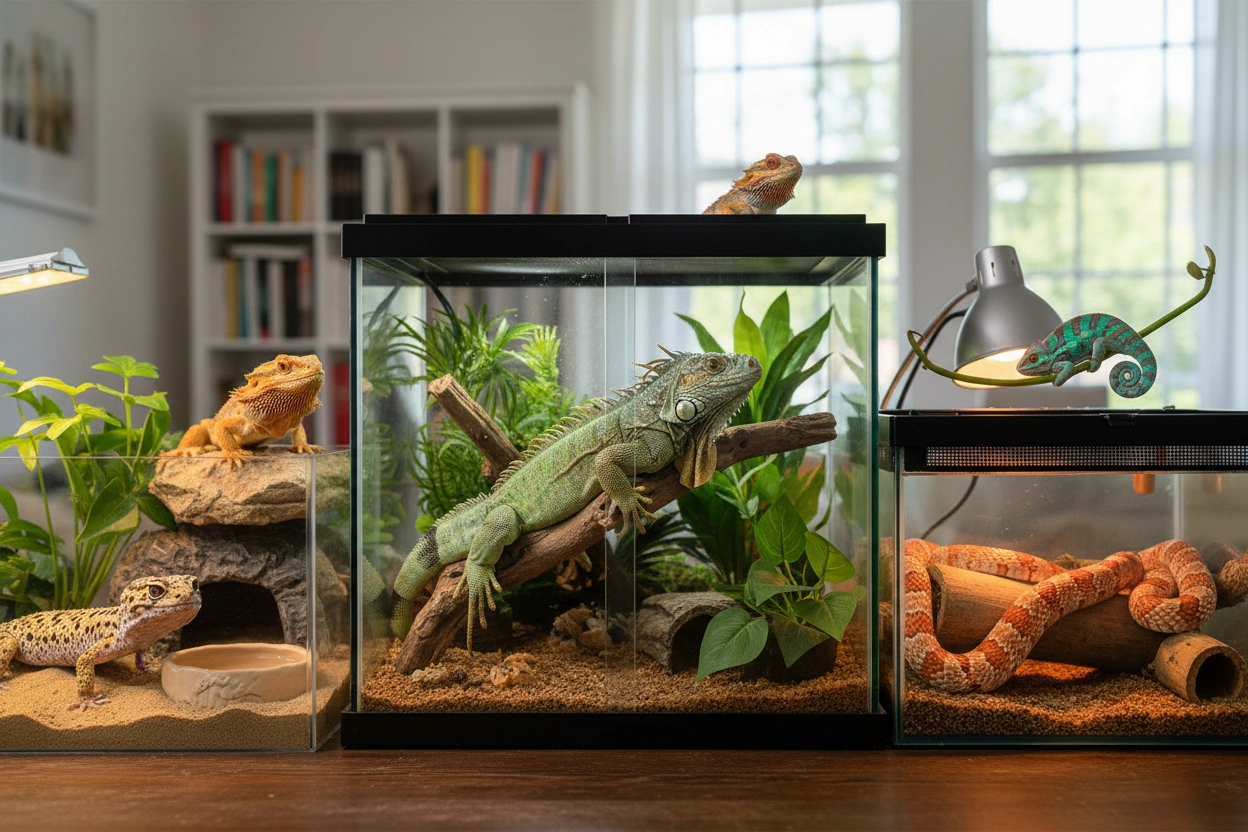
Reptiles have become increasingly popular as pets, captivating enthusiasts with their unique characteristics, low maintenance needs, and fascinating behaviors. In 2026, the diversity of reptiles available for pet ownership offers prospective owners a plethora of choices, each with its own set of requirements and quirks. Understanding the distinctions among various species can greatly enhance the pet ownership experience and ensure the well-being of these cold-blooded companions. This article serves as a comprehensive guide for potential reptile owners, comparing popular reptile species and providing insights into their care, habitat needs, and behavioral traits.
Furthermore, this guide will delve into the pressing issue of endangered reptile species and their conservation. This dual focus aims not only to inform prospective pet owners but also to raise awareness about the importance of reptile conservation in our ecosystems.
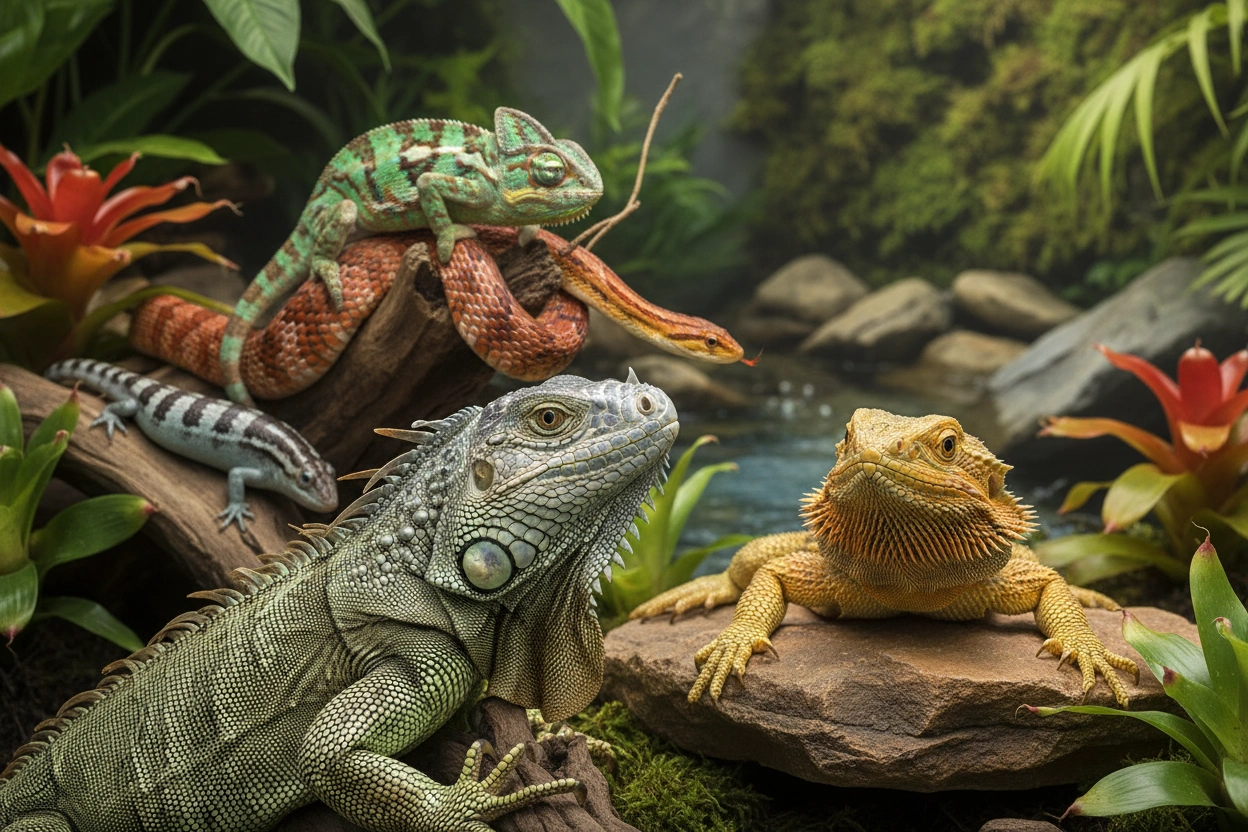
Choosing the right reptile as a pet can be a daunting task, especially for first-time owners. Each species has its own unique set of requirements and challenges. Here are some of the most popular reptiles and what makes them suitable companions:
Bearded Dragon
Bearded dragons are one of the most popular reptiles among pet owners. Known for their docile nature and interactive behavior, they are often described as "friendly" reptiles. These lizards require a spacious habitat with proper UV lighting and a diet that includes insects and vegetables. Their adaptability to handling makes them ideal for families.
Ball Python
Ball pythons are popular for their manageable size and relatively simple care requirements. They thrive in terrariums with controlled temperatures and humidity levels. Their calm demeanor and striking patterns make them appealing to both new and experienced snake owners.
Leopard Gecko
Leopard geckos are nocturnal lizards known for their distinctive spotted appearance. They are relatively easy to care for, requiring a simple habitat with a heat source and a diet primarily consisting of insects. Their friendly nature makes them great for handling, which is an added bonus for pet owners.
Corn Snake
Corn snakes are often recommended for beginners due to their docile temperament and ease of care. They can thrive in various environments and are known for their beautiful color variations. Corn snakes require a secure enclosure and a diet of rodents.
Red-Eared Slider
Red-eared sliders are a popular choice for aquatic reptile enthusiasts. They require a water tank with a basking area, UV lighting, and a diet of pellets, vegetables, and occasional protein. Their active swimming behavior can be quite entertaining.
Beyond the commonly kept reptiles, there are many lesser-known species that might intrigue potential owners:
Understanding the specific needs of each reptile species is crucial for ensuring their health and happiness. This knowledge not only aids in making an informed decision but also fosters a deeper connection between the owner and their reptilian companion.
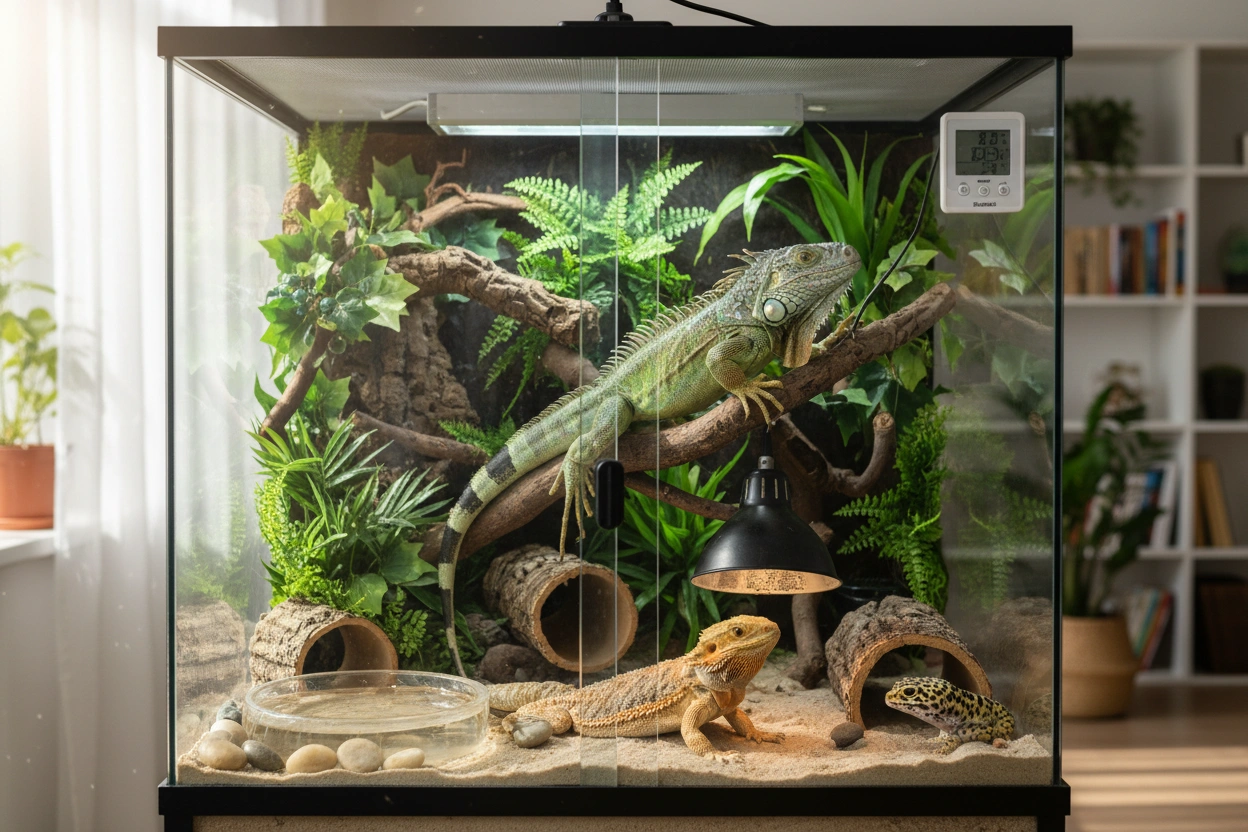
When choosing a reptile, it's essential to consider several factors to ensure a fulfilling pet ownership experience. Essential reptile care tips will help guide you through this process.
The habitat is a critical aspect of reptile care. Each species has specific requirements regarding temperature, humidity, and space:
Understanding the dietary needs of reptiles is vital for their health. Different species have unique dietary requirements:
Many reptiles can be handled, but it's important to approach this aspect with care:
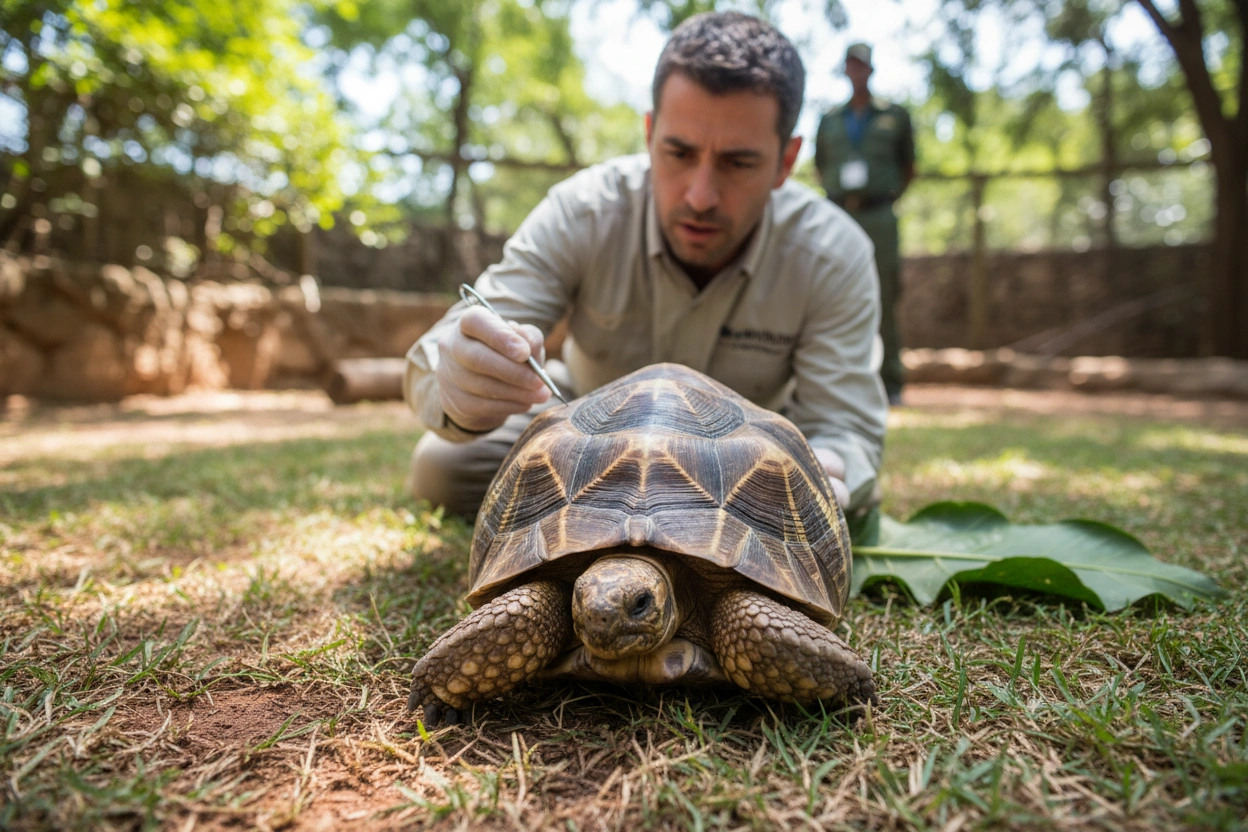
While many reptiles thrive in captivity, numerous species face threats in the wild, leading to their endangered status. Understanding these species can help raise awareness and support conservation efforts. Key differences explained can provide further insights into the challenges faced by these reptiles.
Reptiles play essential roles in their ecosystems, including controlling pest populations and contributing to the food chain. Unfortunately, habitat loss, climate change, and poaching have put many species at risk. Here are ten endangered reptile species that need urgent attention:
Hawksbill Sea Turtle (Eretmochelys imbricata)
Critically endangered due to illegal trade and habitat loss, the hawksbill turtle is vital for marine ecosystems, particularly coral reefs.
Sumatran Tiger (Panthera tigris sumatrae)
While primarily known as a mammal, the Sumatran tiger's habitat overlaps with that of certain reptiles, impacting their ecosystems. Their conservation is crucial for biodiversity.
Gharial (Gavialis gangeticus)
This fish-eating crocodile is critically endangered due to habitat destruction and depletion of fish populations. Conservation efforts focus on habitat restoration.
Iguana del Sol (Ctenosaura pectinata)
Endangered due to habitat loss and invasive species, this iguana is endemic to certain islands and requires habitat protection.
Psychedelic Rock Gecko (Cnemaspis psychedelica)
This species is threatened by habitat destruction and illegal collection for the pet trade. Conservation efforts are needed to protect its native habitat.
Mexican Spotted Owl (Strix occidentalis lucida)
While primarily a bird, its habitat overlaps with many reptiles. Conservation of its forest habitat is crucial for overall biodiversity.
Eastern Indigo Snake (Drymarchon couperi)
Once abundant, this non-venomous snake is now threatened due to habitat destruction and fragmentation. Conservation efforts are focused on habitat protection.
Galápagos Giant Tortoise (Chelonoidis nigra)
This iconic species faces threats from invasive species and climate change. Conservation programs focus on habitat restoration and breeding efforts.
Pygmy Rattlesnake (Sistrurus catenatus)
This small snake is threatened by habitat loss and human encroachment. Education and conservation efforts are crucial to protect its environment.
Chinese Alligator (Alligator sinensis)
Critically endangered due to habitat destruction and poaching, conservation programs are working to protect its remaining habitat and restore populations.
Supporting reptile conservation efforts is vital for protecting these endangered species. Here are some actionable ways to contribute:
Choosing to bring a reptile into your home is not just about personal enjoyment; it also carries a responsibility to understand and support the broader context of reptile conservation. By being informed about the needs of your pet and the challenges faced by wild populations, you can make a positive impact.
At Banana Slug Club, we are dedicated to fostering a community that values education and conservation. We encourage you to learn more about the reptiles you may be interested in and to consider the implications of pet ownership.
If you’re ready to dive deeper into the world of reptiles and learn how you can contribute to their conservation, visit Banana Slug Club for resources and support tailored to reptile enthusiasts and conservation advocates alike.
Get free resources, early access to new features and updates.
No spam. Just fun educational emails!


.svg)
.svg)