Reptiles have become increasingly popular as pets, offering unique companionship and intriguing behaviors. These cold-blooded creatures come in various species, each with distinct characteristics, care requirements, and temperaments. Whether you're considering adopting a reptile or simply curious about the options available, understanding the common reptiles and their needs is crucial. In this article, we will explore several common reptiles, their suitability as pets, and delve into the conservation efforts surrounding endangered species.
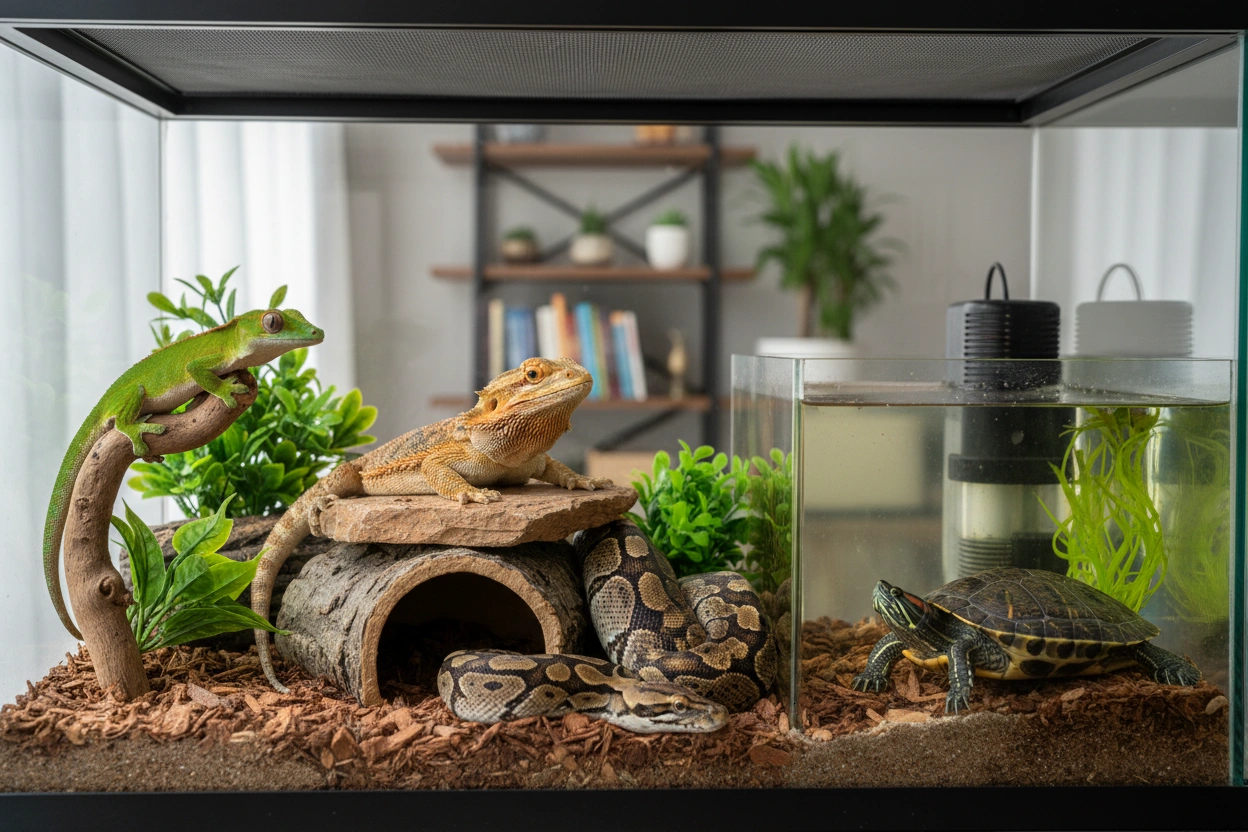
Reptiles are often misunderstood, leading to misconceptions about their care and behavior. Unlike traditional pets such as cats and dogs, reptiles require specific environments, diets, and handling techniques. Understanding these needs is vital for anyone considering a reptile as a pet.
Reptiles offer a unique alternative to traditional pets. They are often quieter, require less social interaction, and can be fascinating to observe. Many reptile enthusiasts are drawn to the exotic nature of these creatures, as well as the challenge of creating the ideal habitat for them. Some of the most common reptiles kept as pets include:
Each type has its own specific care requirements, making it essential for potential owners to research thoroughly before making a decision.
Many misconceptions exist about reptiles that can deter potential owners. A few common myths include:
By addressing these misconceptions, potential reptile owners can make informed decisions about the best species for their lifestyle.
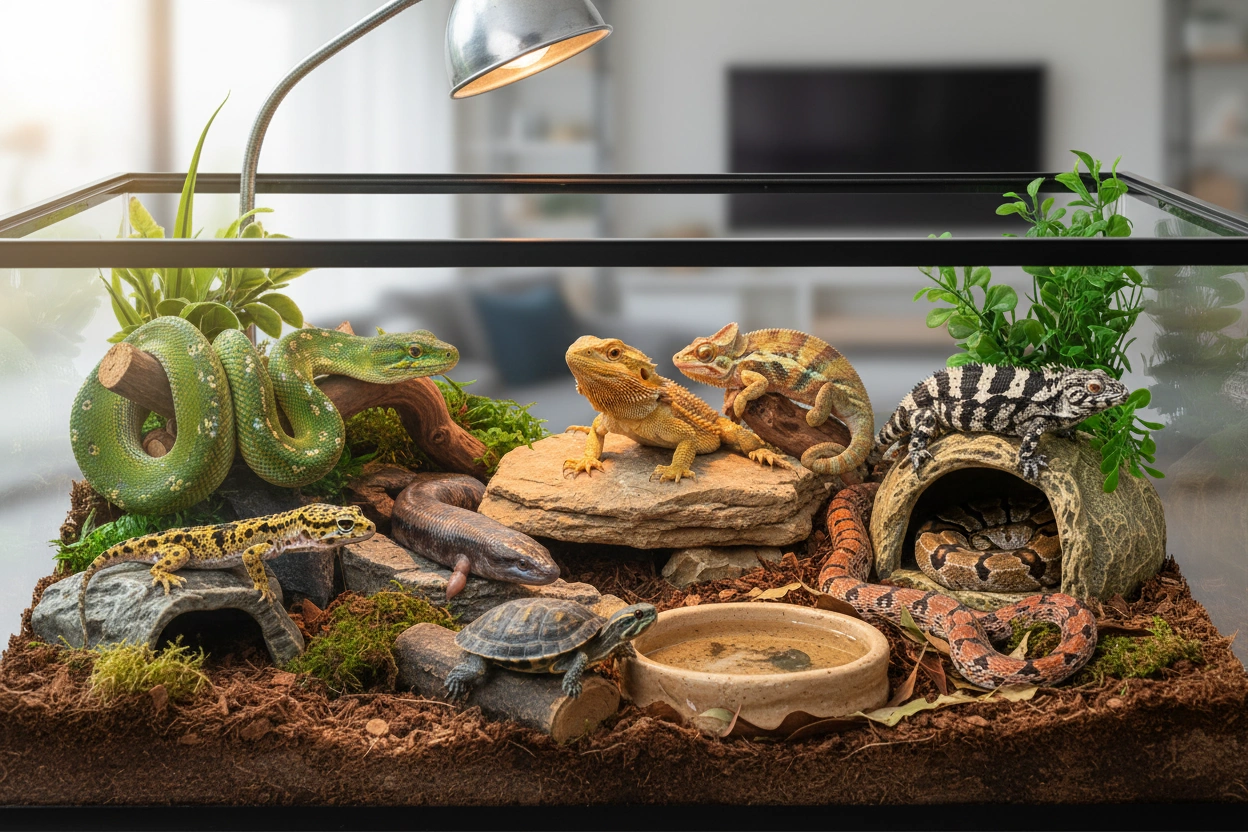
When selecting a reptile, it is essential to consider their care requirements, size, and temperament. Here are ten common reptiles that are popular among pet enthusiasts:
Bearded Dragon
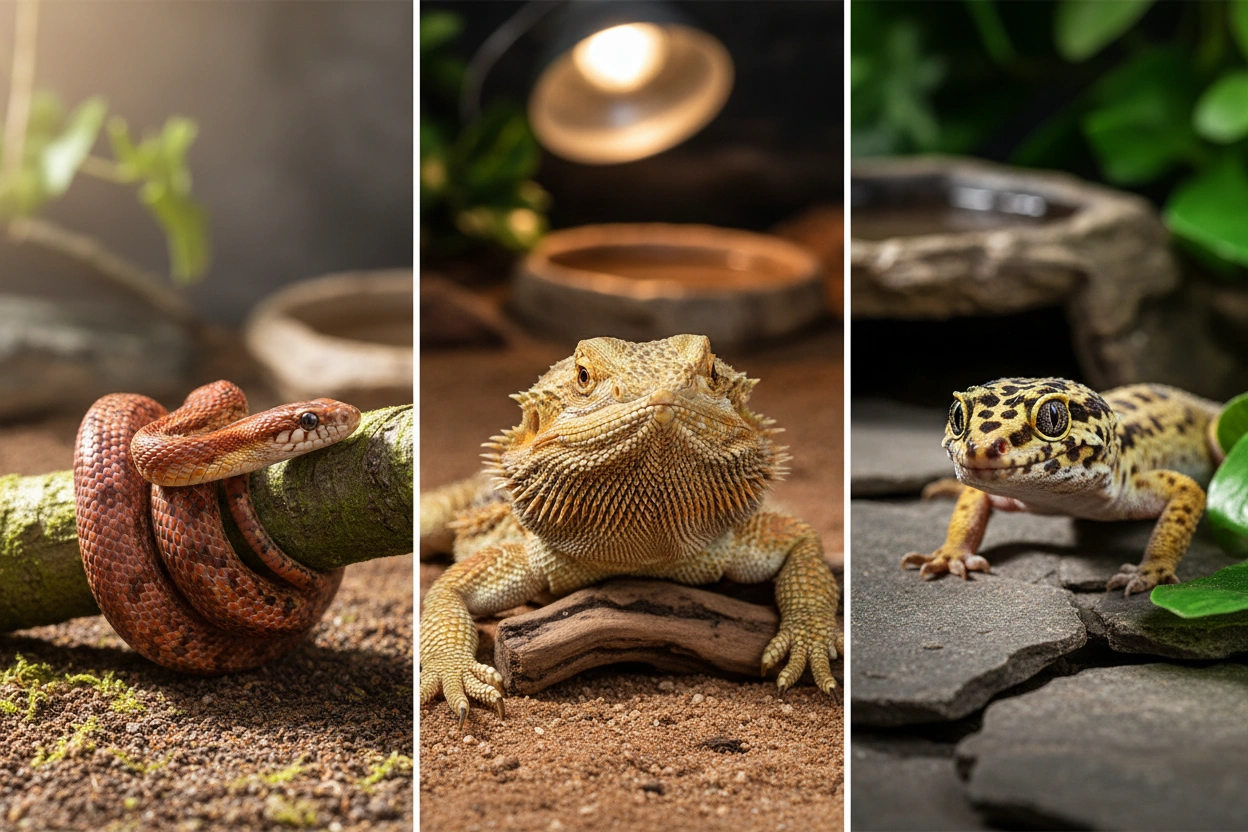
Bearded dragons are friendly and social lizards known for their calm demeanor. They require a spacious enclosure with proper lighting and a varied diet of insects and vegetables.
Leopard Gecko
These small lizards are easy to care for and come in various colors. They thrive in a simple habitat and primarily eat insects.
Corn Snake
Corn snakes are known for their docile nature and beautiful coloration. They are relatively easy to care for and require a secure enclosure with proper humidity and temperature control.
Ball Python
Ball pythons are popular due to their manageable size and gentle temperament. They require a warm environment and a diet of appropriately sized rodents.
Russian Tortoise
Russian tortoises are hardy and can live for several decades. They need an outdoor space or a large indoor enclosure with access to sunlight and a diet of leafy greens.
Red-Eared Slider
This aquatic turtle is one of the most common pet turtles. They require a tank with water filtration and basking areas, along with a diet of pellets and vegetables.
Blue-Tongue Skink
Known for their distinctive blue tongues, blue-tongue skinks are friendly and easy to handle. They thrive in a warm, humid environment and enjoy a varied diet.
Iguana
Iguanas are large lizards that require significant space and a specialized diet. They can be challenging for beginners but are rewarding pets for experienced owners.
Chameleon
Chameleons are known for their color-changing abilities and unique appearance. They require specific humidity and temperature levels, making them suitable for more experienced keepers.
Green Anole
These small, colorful lizards are easy to care for and can be kept in a small enclosure. They primarily eat insects and require a warm environment.
When selecting a reptile, consider the following factors:
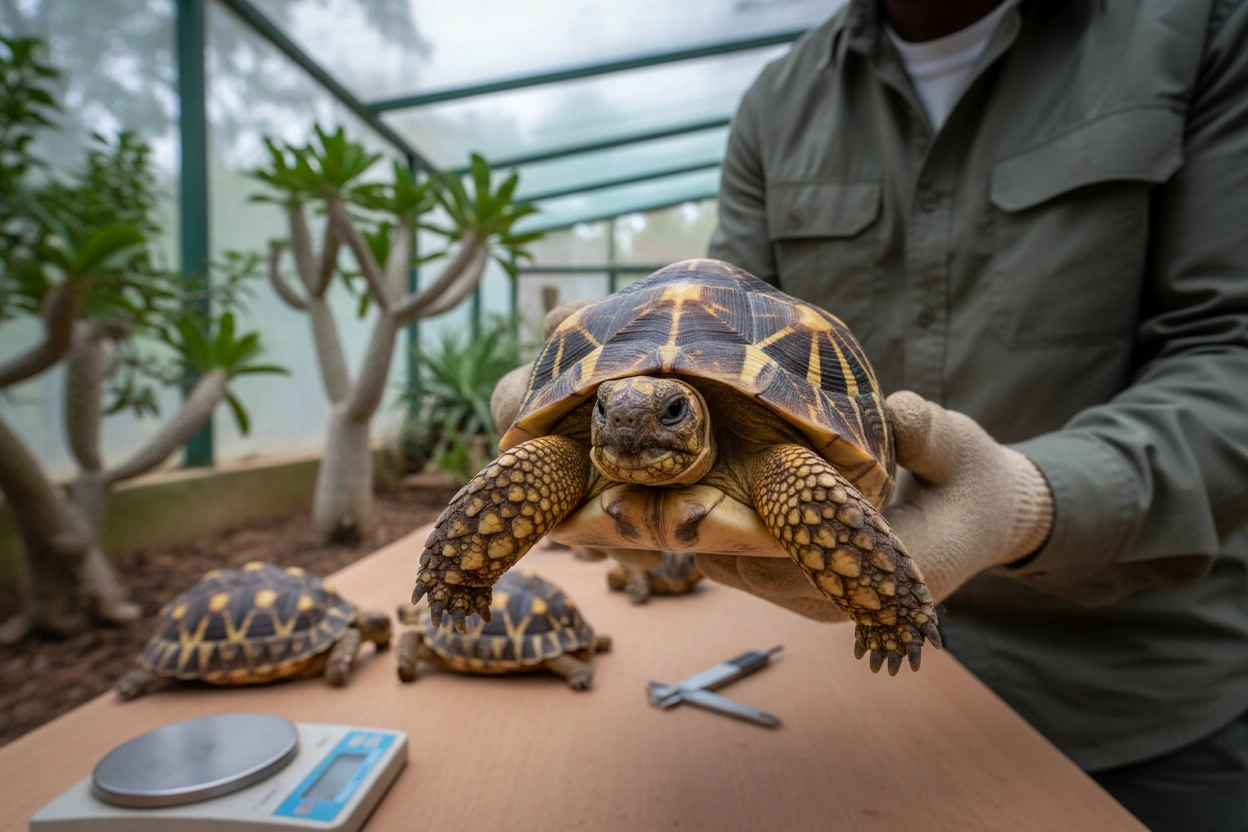
Despite their popularity, many reptile species are facing threats due to habitat loss, poaching, and climate change. Understanding these endangered species is vital for conservation efforts.
Reptiles play essential roles in their ecosystems, such as controlling pest populations and serving as prey for other animals. Their decline can disrupt ecological balance and indicate environmental health. Protecting endangered reptiles helps preserve biodiversity and maintain healthy ecosystems.
Here are ten endangered reptile species that require immediate conservation efforts:
Hawksbill Sea Turtle (Eretmochelys imbricata)
Critically endangered due to illegal trade and habitat loss, these turtles are vital for maintaining coral reef health.
Gharial (Gavialis gangeticus)
This fish-eating crocodilian is critically endangered, primarily due to habitat loss and depletion of fish resources.
Psychedelic Rock Gecko (Cnemaspis psychedelica)
Found only in Vietnam, this gecko is threatened by habitat destruction and the pet trade.
Bornean Earless Monitor Lizard (Lanthanotus borneensis)
This rare lizard is facing threats from habitat destruction and is poorly understood, making conservation challenging.
Chinese Alligator (Alligator sinensis)
Critically endangered due to habitat loss and hunting, the Chinese alligator is one of the smallest species of alligator.
Philippine Crocodile (Crocodylus mindorensis)
With only a few hundred individuals left in the wild, this crocodile is threatened by habitat destruction and hunting.
Antiguan Racer (Natrix antillensis)
Once considered the world's rarest snake, conservation efforts have increased its population, but it remains endangered.
Kemp's Ridley Sea Turtle (Lepidochelys kempii)
The most endangered sea turtle species, Kemp's ridley faces threats from fisheries and habitat degradation.
Zebra-Tailed Lizard (Callisaurus draconoides)
Habitat loss and climate change threaten this lizard, which is known for its distinctive coloration.
Desert Tortoise (Gopherus agassizii)
This tortoise is facing threats from habitat destruction and climate change, leading to declining populations.
To aid in the conservation of endangered reptiles, consider the following actions:
Reptiles are crucial components of ecosystems, serving various roles that contribute to ecological balance. Understanding their functions can enhance appreciation and support for their conservation.
Reptiles contribute to ecosystems in several ways:
By protecting reptile populations, we indirectly support the health of entire ecosystems. Engaging in conservation efforts not only aids reptiles but also benefits other wildlife and plant species.
Choosing a reptile as a pet can be a rewarding experience, provided that potential owners are informed about their needs and the importance of conservation. Reptiles require commitment, care, and understanding, making them suitable for dedicated individuals or families.
As you consider adding a reptile to your family, remember that each species has unique requirements and characteristics. Research thoroughly to ensure a good match for your lifestyle and environment.
Banana Slug Club is dedicated to providing resources and guidance for anyone interested in reptiles, whether as pets or for conservation purposes. With the right knowledge and support, you can create a thriving environment for your new reptile companion while contributing to the conservation of endangered species.
If you're ready to explore the fascinating world of reptiles further, visit Banana Slug Club for more information and guidance on pet care, conservation, and more.
Get free resources, early access to new features and updates.
No spam. Just fun educational emails!


.svg)
.svg)