The plight of endangered animals has become a crucial topic in the contemporary environmental dialogue. As habitat loss, climate change, and poaching continue to threaten numerous species, conservation efforts are becoming more vital than ever. These initiatives not only protect biodiversity but also ensure ecological balance and the survival of future generations. In this article, we will explore the top conservation efforts making a significant difference for endangered animals, along with a list of ten endangered animals you need to know about.

Endangered animals are species at risk of extinction due to various factors, including habitat destruction, illegal wildlife trade, and climate change. The International Union for Conservation of Nature (IUCN) classifies species into different categories based on their risk of extinction, ranging from Least Concern to Critically Endangered. The loss of these species can have cascading effects on ecosystems, affecting food chains, plant pollination, and even human livelihoods.
The significance of protecting endangered animals extends beyond mere preservation. Biodiversity is essential for maintaining healthy ecosystems that provide services such as clean air, water filtration, and pollination. Furthermore, many cultures around the world have deep-rooted connections to wildlife, making conservation efforts not just an environmental concern, but a cultural and ethical imperative.

Conservation efforts are diverse and can range from policy changes and habitat restoration to community engagement and education. Here are some of the most impactful conservation strategies currently in place:
One of the most effective ways to conserve endangered animals is to protect and restore their natural habitats. This can involve reforestation, wetland restoration, and establishing protected areas. For instance, the establishment of national parks and wildlife reserves provides safe havens for endangered species, allowing them to thrive without the pressures of human encroachment.
The illegal wildlife trade poses a significant threat to many endangered species, particularly those targeted for their horns, scales, or pelts. Anti-poaching initiatives, such as deploying ranger patrols and using advanced technology like drones and infrared cameras, have proven effective in curbing poaching rates. Countries like Kenya and South Africa have implemented rigorous anti-poaching laws, resulting in a notable decrease in poaching incidents for species like rhinos and elephants.
Engaging local communities in conservation efforts is essential for the long-term success of these initiatives. Community-based conservation programs empower locals by providing them with economic incentives to protect wildlife. For example, ecotourism initiatives allow communities to benefit financially from wildlife preservation, creating a vested interest in protecting endangered species.
Strong legislative frameworks are crucial in the fight against wildlife extinction. Many countries have enacted laws that protect endangered species and regulate hunting and trade. International agreements like the Convention on International Trade in Endangered Species of Wild Fauna and Flora (CITES) aim to ensure that international trade does not threaten the survival of wild animals and plants.
Captive breeding programs have been instrumental in saving species from the brink of extinction. By breeding endangered animals in controlled environments and subsequently reintroducing them into the wild, conservationists have successfully increased populations of species such as the California condor and the Arabian oryx. These programs require meticulous planning and management to ensure that animals can adapt to their natural habitats upon release. conservation success stories illustrate the potential of these efforts.
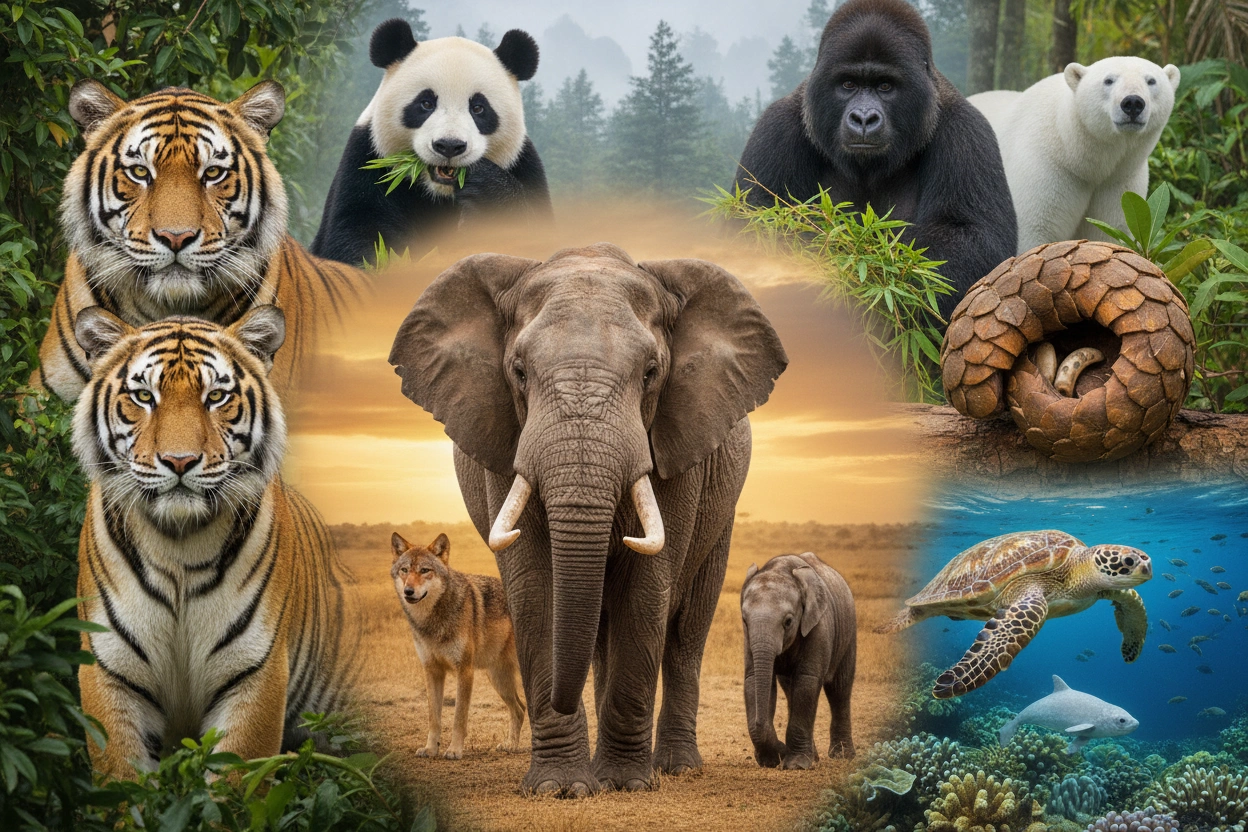
Understanding which species are critically endangered is crucial for supporting conservation efforts. Here are ten endangered animals that highlight the urgency of wildlife protection:
The Amur leopard is one of the rarest big cats in the world, with an estimated population of fewer than 100 individuals. Habitat loss due to logging and human encroachment, along with poaching, has severely impacted this species.
With only about 76 individuals remaining, the Javan rhino is critically endangered. These rhinos are primarily threatened by habitat destruction and poaching, as their horns are highly valued in illegal markets.
The vaquita, a small porpoise native to the Gulf of California, is the world's most endangered marine mammal, with fewer than 30 individuals left. Fishing nets pose the greatest threat to their survival, as they often become entangled and drown.
The Sumatran orangutan is critically endangered, primarily due to habitat loss from palm oil plantations and logging. Conservation efforts focus on habitat protection and the rehabilitation of orphaned orangutans.
Snow leopards are elusive big cats found in the mountain ranges of Central and South Asia. With their population declining due to poaching and habitat fragmentation, conservation initiatives aim to protect their habitats and reduce human-wildlife conflict.
Asian elephants face numerous threats, including habitat loss, human-wildlife conflict, and poaching. Conservation efforts involve creating wildlife corridors and promoting coexistence strategies with local communities.
Known as the "Asian unicorn," the saola is one of the rarest large mammals in the world, with an unknown population size. Conservationists are working to protect their habitat and reduce threats from poaching.
With only two individuals left, the northern white rhino is functionally extinct. Conservationists are exploring advanced reproductive technologies to try to save this species.
The kakapo, a flightless parrot from New Zealand, is critically endangered due to introduced predators and habitat destruction. Intensive conservation efforts, including breeding programs and predator control, are underway to save this unique species.
Once on the brink of extinction, the California condor has been brought back from the edge through captive breeding and reintroduction programs. Continued efforts are essential to maintain their population and habitat.
When discussing endangered animals, several misconceptions can cloud public understanding. Addressing these is crucial for fostering informed conservation efforts.
While large animals like elephants and tigers often receive the most attention, many smaller species are also endangered. Insects, amphibians, and birds are often overlooked, yet they play vital roles in their ecosystems.
Conservation efforts encompass a broader scope, including habitat preservation, ecosystem management, and community engagement. Protecting animals without considering their habitats and the communities that coexist with them can lead to failure.
While government action is crucial, individual and community involvement is equally important. People can contribute to conservation through sustainable practices, volunteering, and supporting wildlife-friendly policies.
Supporting conservation efforts can take many forms, and individuals can make a significant impact. Here are some actionable steps:
Educate Yourself and Others
Understanding the issues facing endangered animals is the first step toward making a difference. Share knowledge with friends, family, and your community to raise awareness.
Support Wildlife Organizations
Contributing to reputable wildlife conservation organizations can help fund critical efforts. Research organizations to ensure your donations support effective programs.
Practice Sustainable Living
Making environmentally conscious choices in daily life, such as reducing plastic use and supporting sustainable products, can help protect wildlife habitats.
Advocate for Policy Changes
Engage in advocacy by supporting policies that protect endangered species and their habitats. Contact local representatives to express your support for conservation legislation.
Participate in Local Conservation Programs
Many communities offer opportunities to volunteer with local wildlife organizations. Getting involved can provide hands-on experience and help protect local endangered species.
Conservation is a collective responsibility that requires collaboration among governments, organizations, communities, and individuals. By pooling resources and knowledge, we can implement more effective strategies to protect endangered animals and their habitats. Initiatives such as international wildlife treaties and partnerships between NGOs and local communities exemplify how collaborative efforts can lead to meaningful change.
The Banana Slug Club is dedicated to fostering awareness and action around environmental conservation, particularly concerning endangered animals. By providing educational resources and promoting community involvement, the club plays a vital role in supporting conservation efforts.
Through workshops, events, and outreach programs, the Banana Slug Club encourages individuals to become active participants in conservation efforts. Whether through volunteering or spreading awareness, every action counts in the fight to protect endangered animals.
If you’re interested in making a difference and learning more about endangered animals and conservation efforts, consider engaging with the Banana Slug Club. By joining their initiatives, you can contribute to protecting wildlife and their habitats.
Visit Banana Slug Club today to learn how you can get involved and make a positive impact on the future of endangered species. Together, we can ensure a thriving planet for all living beings.
Get free resources, early access to new features and updates.
No spam. Just fun educational emails!


.svg)
.svg)