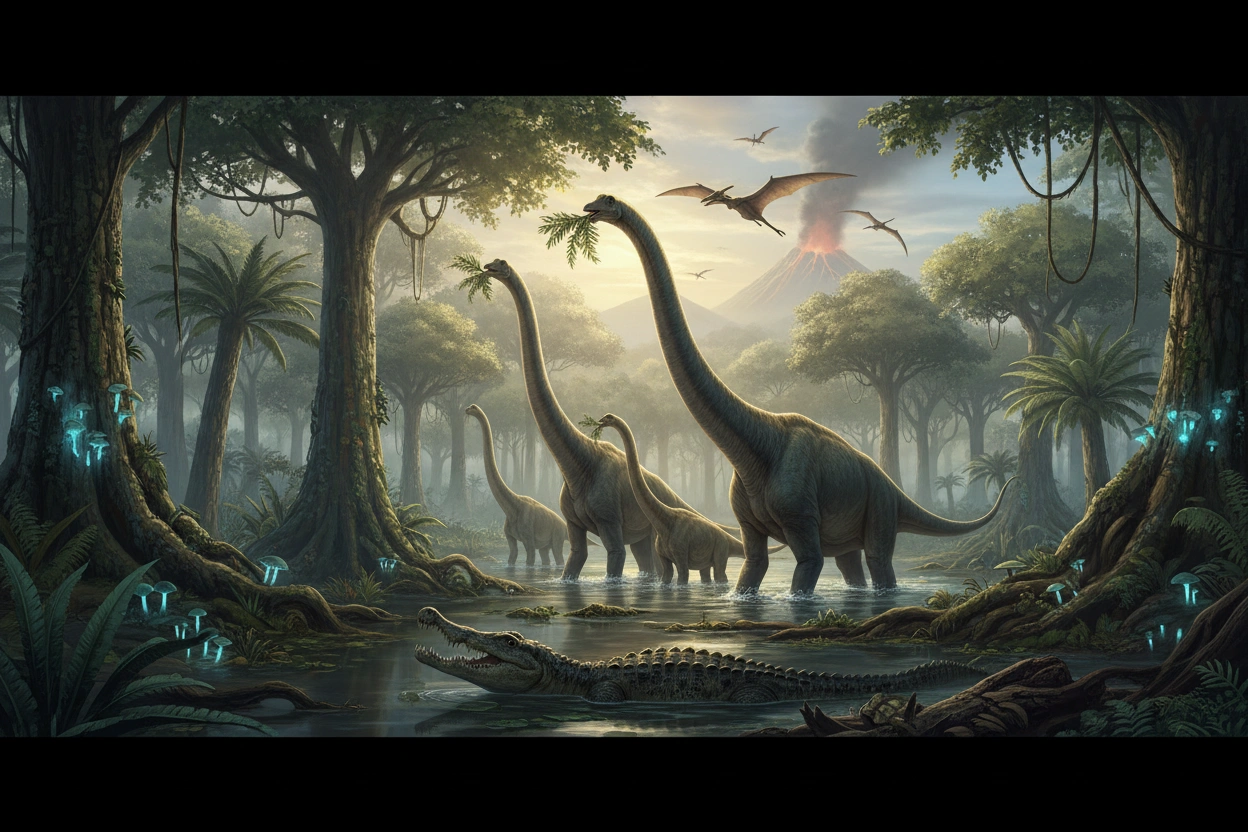
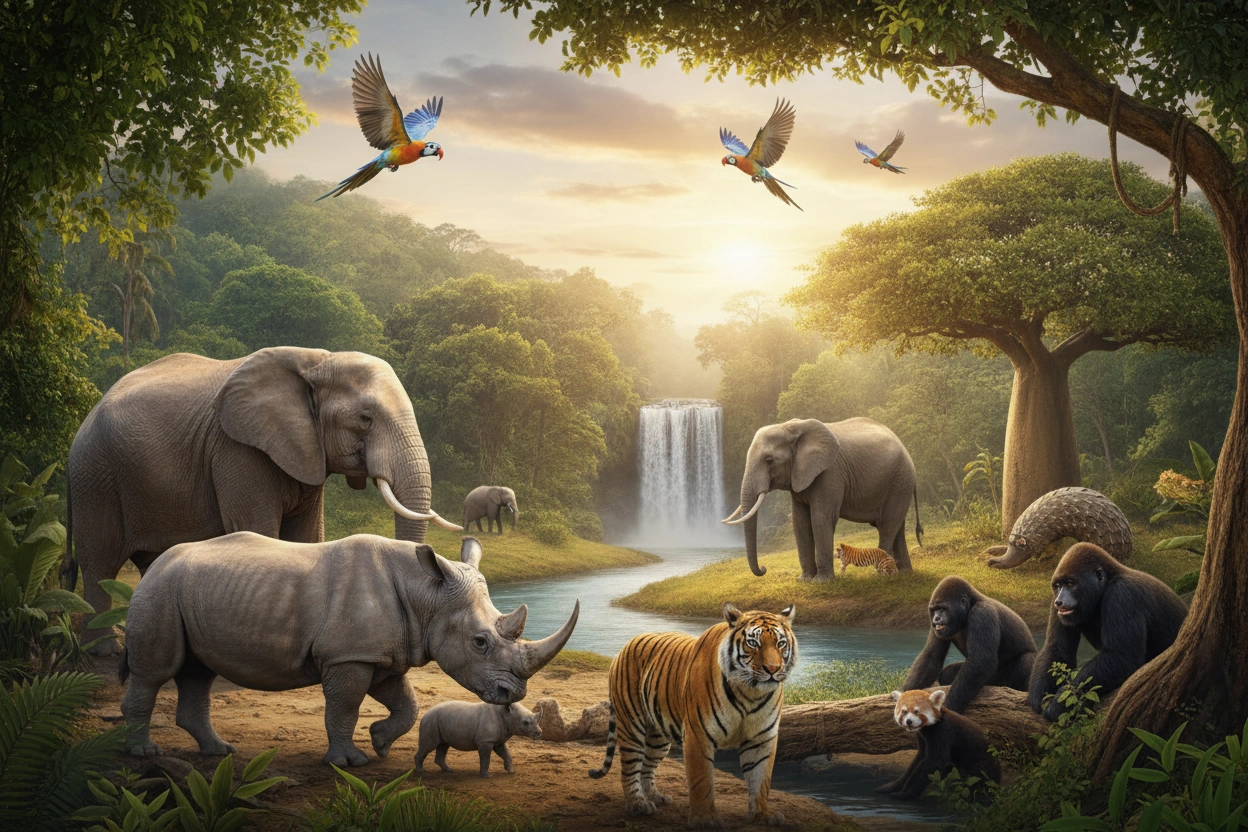
The world is home to a diverse range of wildlife, but unfortunately, many species are facing the threat of extinction. Endangered animals are not just a concern for conservationists; they represent a vital part of our planet's ecological balance. Understanding the plight of these species can inspire individuals and communities to take action in support of conservation efforts aimed at protecting endangered species. This article delves into ten fascinating facts about endangered animals worldwide, shedding light on their struggles, the importance of biodiversity, and what we can do to help.
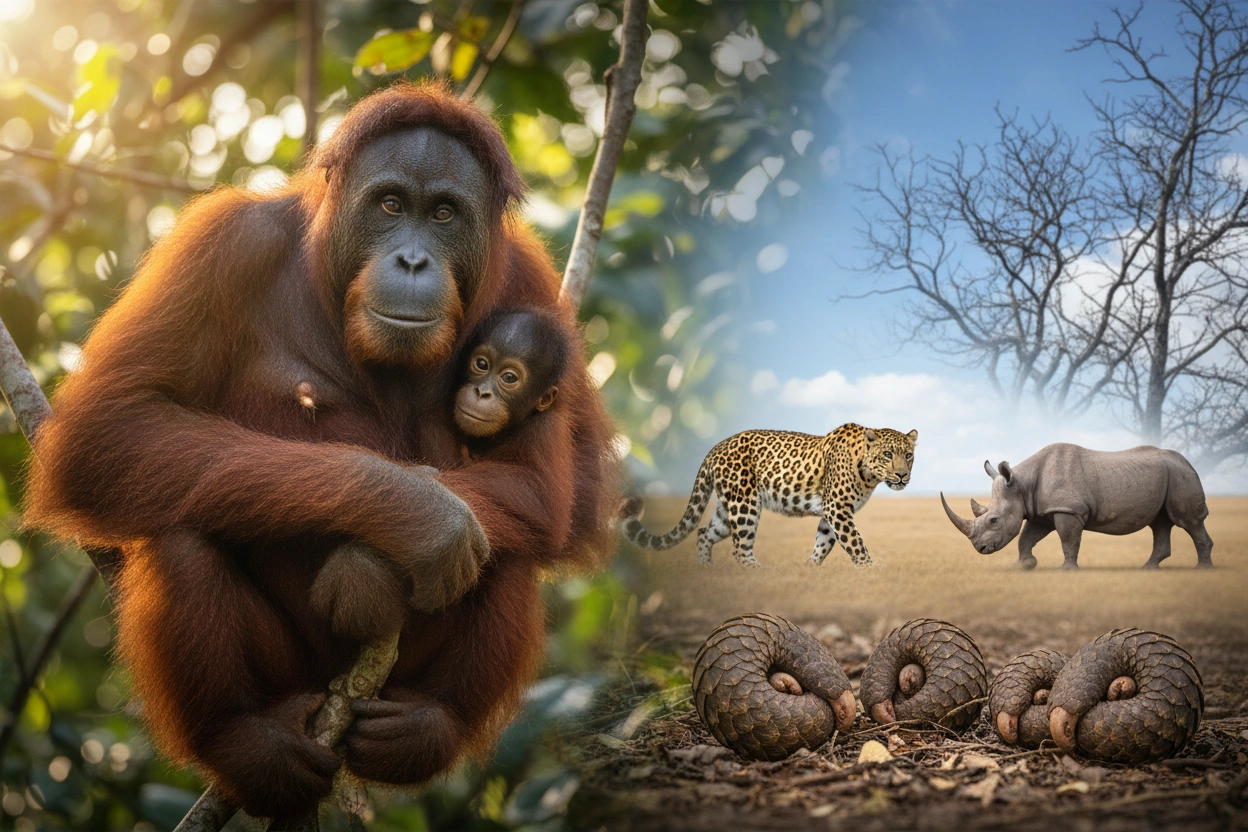
Biodiversity refers to the variety of life on Earth, encompassing the different species, genetic variations, and ecosystems. It is crucial for the health and stability of our planet. Each species plays a unique role in its ecosystem, contributing to processes such as pollination, nutrient cycling, and pest control. When endangered animals face extinction, the ripple effects can disrupt these processes, leading to further ecological imbalances.
Conservation efforts aimed at protecting endangered species are essential for maintaining biodiversity. These initiatives not only help safeguard specific animals but also contribute to preserving their habitats and the overall health of ecosystems. The loss of biodiversity poses a direct threat to human well-being, as it can impact food security, clean water supply, and climate regulation.
Only Large Animals Are Endangered: Many people associate endangered species with large mammals like elephants or tigers. However, countless smaller animals, including amphibians and insects, are also at risk.
Endangered Status Is Permanent: Some believe that once a species is classified as endangered, it will remain so indefinitely. In reality, with concerted conservation efforts, some species can recover and be removed from the endangered list.
Conservation Is a Distant Concern: Many think endangered species are only a concern for people living in remote areas. However, the loss of biodiversity affects everyone, regardless of location.
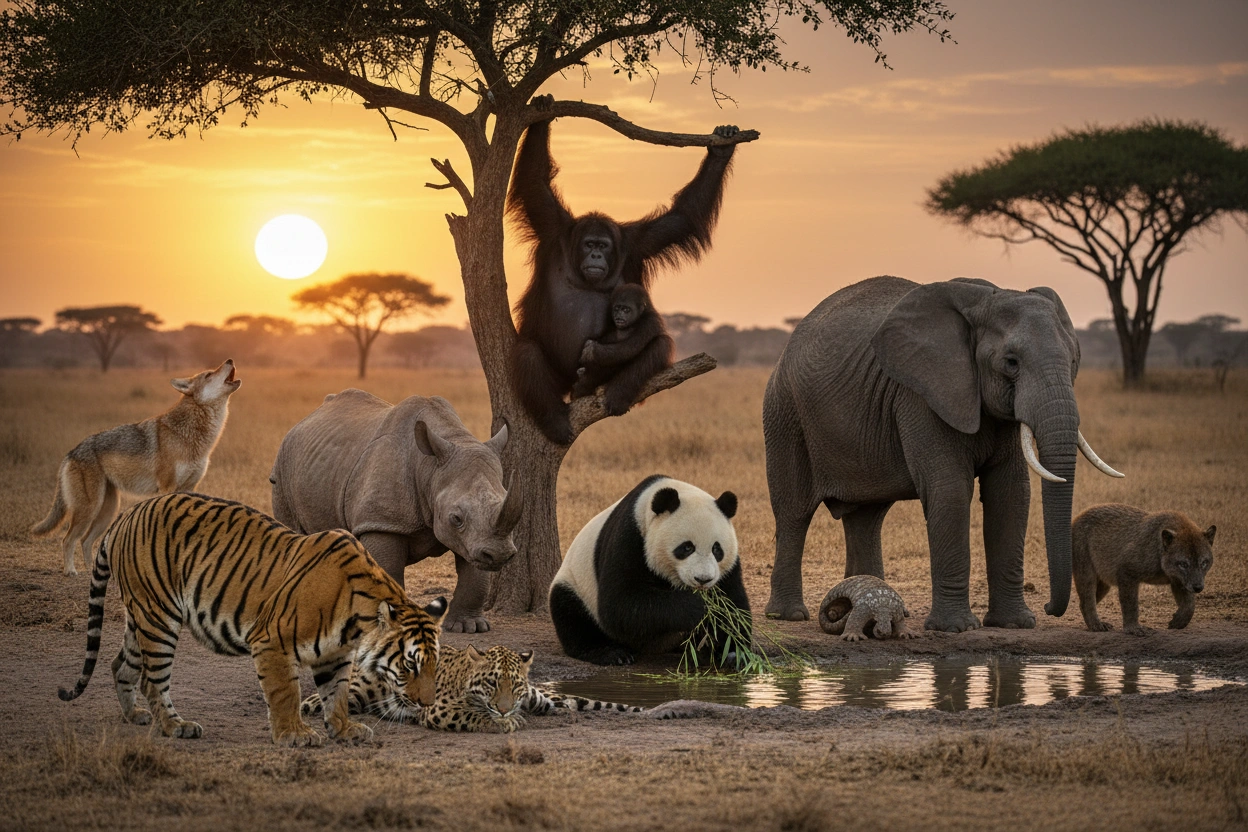
Understanding the specific endangered animals can help raise awareness about their plight. Here are ten species that are currently facing significant threats:
The Amur leopard, native to the temperate forests of the Russian Far East and Northeast China, is one of the rarest big cats in the world. With fewer than 100 individuals left in the wild, habitat loss and poaching are its primary threats. Conservation efforts include habitat restoration and anti-poaching initiatives.
The vaquita, a small porpoise found only in the northern part of the Gulf of California, is critically endangered, with fewer than 30 individuals remaining. Illegal fishing practices, particularly gillnets used for catching another endangered species, the totoaba, pose a significant threat. International cooperation is crucial for the protection of this elusive marine mammal.
The Javan rhino, primarily found in Ujung Kulon National Park in Indonesia, is one of the most endangered large mammals. With only around 80 individuals left, threats include habitat destruction and poaching. Conservation strategies focus on habitat protection and monitoring the population.
The Sumatran orangutan is critically endangered, primarily due to deforestation for palm oil production. With an estimated population of 14,000 individuals, conservation efforts emphasize sustainable agriculture practices and habitat preservation.
The African wild dog, also known as the painted wolf, is facing a significant decline in numbers, with only about 6,000 individuals remaining. Habitat loss, human-wildlife conflict, and diseases are key threats. Conservation programs focus on protecting their habitats and reducing conflicts with humans.
Snow leopards inhabit the mountain ranges of Central and South Asia. With an estimated population of 4,000 to 6,500, they are threatened by poaching and habitat fragmentation. Conservation efforts include community engagement to reduce human-wildlife conflict.
Similar to its Sumatran counterpart, the Bornean orangutan is critically endangered, with habitat loss primarily due to logging and palm oil plantations. There are around 55,000 individuals left in the wild. Conservation initiatives focus on habitat protection and sustainable land-use practices.
The hawksbill sea turtle is critically endangered, primarily due to illegal trade of their shells and loss of nesting sites. They play a crucial role in maintaining the health of coral reefs. Conservation efforts include protecting nesting beaches and reducing bycatch in fishing operations.
The Yangtze giant softshell turtle is critically endangered, with only three known individuals left. Habitat loss and hunting are significant threats. Conservation efforts are focusing on breeding programs and habitat restoration.
Pangolins are the most trafficked mammals in the world, with all eight species classified as threatened. They are hunted for their scales and meat. Conservation efforts are focused on legal protection and combating illegal trafficking.

The plight of endangered animals is a pressing issue that requires immediate action from individuals, communities, and governments alike. Here are several effective strategies to support conservation efforts:
Engaging local communities in conservation can lead to more sustainable practices. When communities understand the value of biodiversity and the role of endangered species, they are more likely to participate in conservation efforts. This can include education programs, community-based monitoring, and sustainable livelihood initiatives.
Strong legal frameworks are essential for protecting endangered animals. Governments must enforce laws against poaching and illegal trade while also implementing policies that support habitat conservation. International cooperation is crucial, especially for migratory species that cross borders.
Donating to or volunteering with conservation organizations can significantly impact endangered species protection. These organizations often lead critical research, habitat restoration, and advocacy efforts. By supporting them, individuals can contribute to the preservation of biodiversity.
Adopting sustainable practices in everyday life can also help protect endangered animals. This includes reducing plastic use, supporting sustainable agriculture, and being conscious of product sourcing, especially when it comes to palm oil and seafood.
Technology is playing an increasingly vital role in conservation efforts. From drone surveillance to track wildlife populations to advanced genetic studies that help breed endangered species, innovative solutions are making a difference.
Protecting endangered animals is not just about saving species; it is also about fostering a sense of responsibility and stewardship among communities. By integrating conservation efforts with local development, communities can thrive while ensuring the survival of their natural heritage.
Conservation initiatives that include local stakeholders often lead to more effective and sustainable outcomes. Empowering communities to take an active role in protecting their environment can create a lasting impact on both wildlife and human populations.
Every individual has the power to contribute to the conservation of endangered animals. Here are actionable steps you can take:
Educate Yourself and Others: Understanding the issues surrounding endangered species can help spread awareness. Share information with friends and family to foster a culture of conservation.
Reduce Your Ecological Footprint: Simple lifestyle changes, such as reducing waste, conserving water, and choosing sustainable products, can help protect habitats.
Advocate for Change: Support policies and legislation that protect endangered species and their habitats. Engage with local representatives to voice your concerns.
Get Involved Locally: Participate in local conservation projects or volunteer with organizations dedicated to protecting wildlife.
In conclusion, the plight of endangered animals is a critical issue that impacts all of us. By understanding the facts and engaging in conservation efforts, we can work together to protect these species and their habitats.
Banana Slug Club is dedicated to raising awareness and supporting initiatives that focus on wildlife conservation. By staying informed and taking action, you can join the fight against the extinction of endangered animals.
To learn more about how you can contribute to wildlife conservation, visit Banana Slug Club and discover ways to get involved. Together, we can make a difference for endangered animals worldwide.
Get free resources, early access to new features and updates.
No spam. Just fun educational emails!


.svg)
.svg)