Choosing the Best Reptiles for Beginners: Care Tips and Comparisons
Reptiles have become increasingly popular pets, captivating enthusiasts with their unique appearances and diverse behaviors. For beginners, selecting the right reptile can be daunting, given the myriad of species available and their varying care requirements. In this article, we will explore the best reptiles for beginners, provide essential care tips, and offer a comparison of common reptiles to help you make informed choices. Additionally, we will delve into the pressing issue of endangered reptile species and their conservation efforts, ensuring that your passion for reptiles aligns with a commitment to their preservation.
Understanding Reptiles: An Overview
Reptiles are a class of cold-blooded vertebrates characterized by their scaly skin and, typically, egg-laying reproduction. They include a wide range of species, such as snakes, lizards, turtles, and crocodilians. One of the primary attractions of reptiles as pets is their relatively low maintenance compared to traditional pets like dogs or cats. However, each reptile species has its specific needs regarding habitat, diet, and care.
Common Misconceptions About Reptiles
- Reptiles are low-maintenance pets: While they require less daily attention than some mammals, reptiles still need a proper environment, regular feeding, and monitoring of their health.
- All reptiles are the same: This is far from the truth. Each species has unique requirements in terms of habitat, temperature, humidity, and diet.
- Reptiles are not social: Many reptile species can exhibit social behaviors, especially when raised in captivity and handled regularly.
Understanding these misconceptions is crucial for potential reptile owners, as it ensures they are well-prepared for the responsibilities involved in reptile care.
Top 10 Reptiles for Beginners
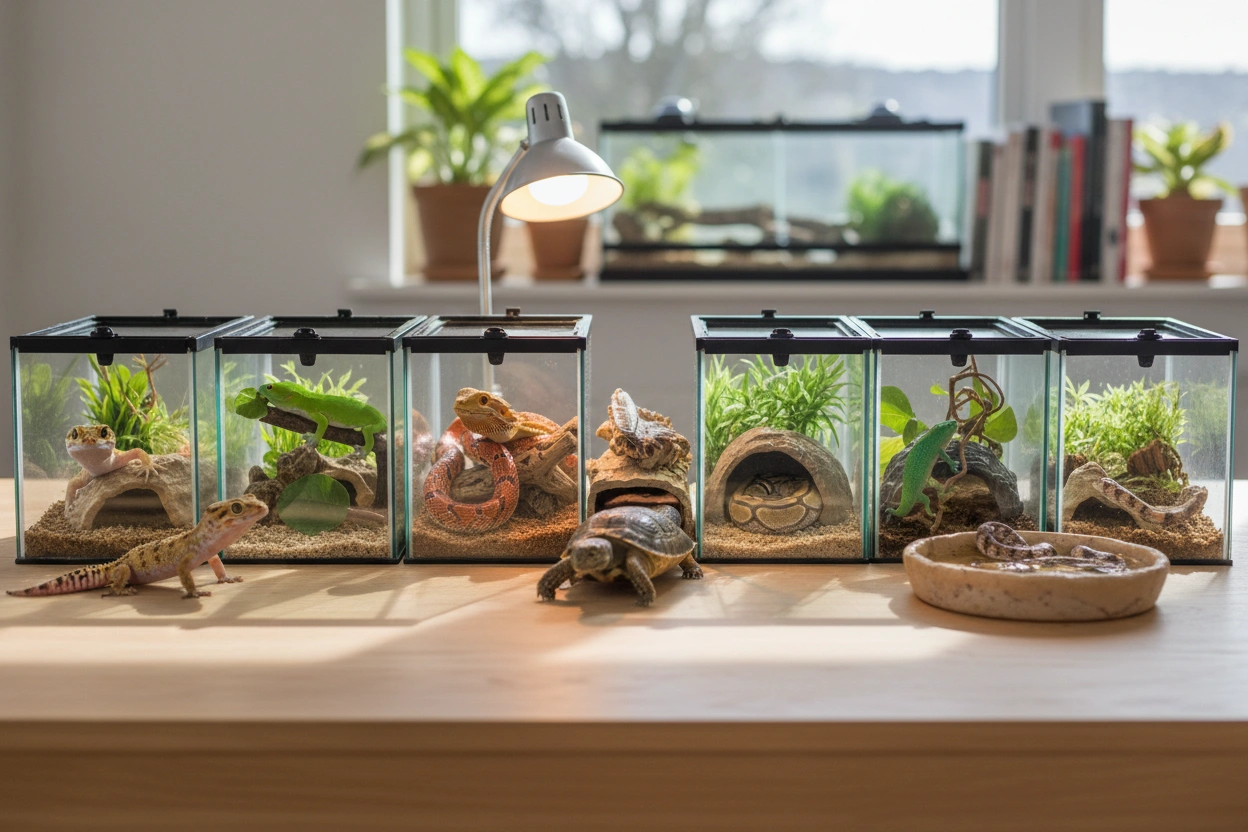
Choosing the right reptile as a beginner involves assessing factors such as size, temperament, and care requirements. Here is a detailed list of the top ten reptiles that are often recommended for novice keepers:
Bearded Dragon
- Size: Up to 24 inches
- Temperament: Friendly and social
- Care: Requires a spacious terrarium with UV lighting and a balanced diet of insects and vegetables.
Leopard Gecko
- Size: 7 to 10 inches
- Temperament: Generally docile and easy to handle
- Care: Needs a warm environment with a simple habitat setup, primarily feeding on insects.
Corn Snake
- Size: 3 to 6 feet
- Temperament: Calm and easy to handle
- Care: Requires a secure enclosure with proper humidity and temperature control, primarily feeding on rodents.
Ball Python
- Size: 3 to 5 feet
- Temperament: Typically gentle and good-natured
- Care: Needs a secure and warm enclosure, feeding primarily on rodents.
Russian Tortoise
- Size: 6 to 10 inches
- Temperament: Generally calm and low-key
- Care: Requires an outdoor or indoor habitat with ample space and a diet of leafy greens.
Red-Eared Slider
- Size: Up to 12 inches
- Temperament: Semi-aquatic and active
- Care: Needs a large aquarium with a basking area and a varied diet including pellets and vegetables.
Blue-Tongued Skink
- Size: 18 to 24 inches
- Temperament: Friendly and curious
- Care: Requires a spacious enclosure with a warm basking area and a diet of insects, fruits, and vegetables.
African Fat-Tailed Gecko
- Size: 7 to 10 inches
- Temperament: Docile and easy to handle
- Care: Needs a warm environment with a simple habitat setup, primarily feeding on insects.
Crested Gecko
- Size: 8 to 10 inches
- Temperament: Generally calm and easy to handle
- Care: Requires a vertical enclosure with humidity control and a diet of fruit-based foods.
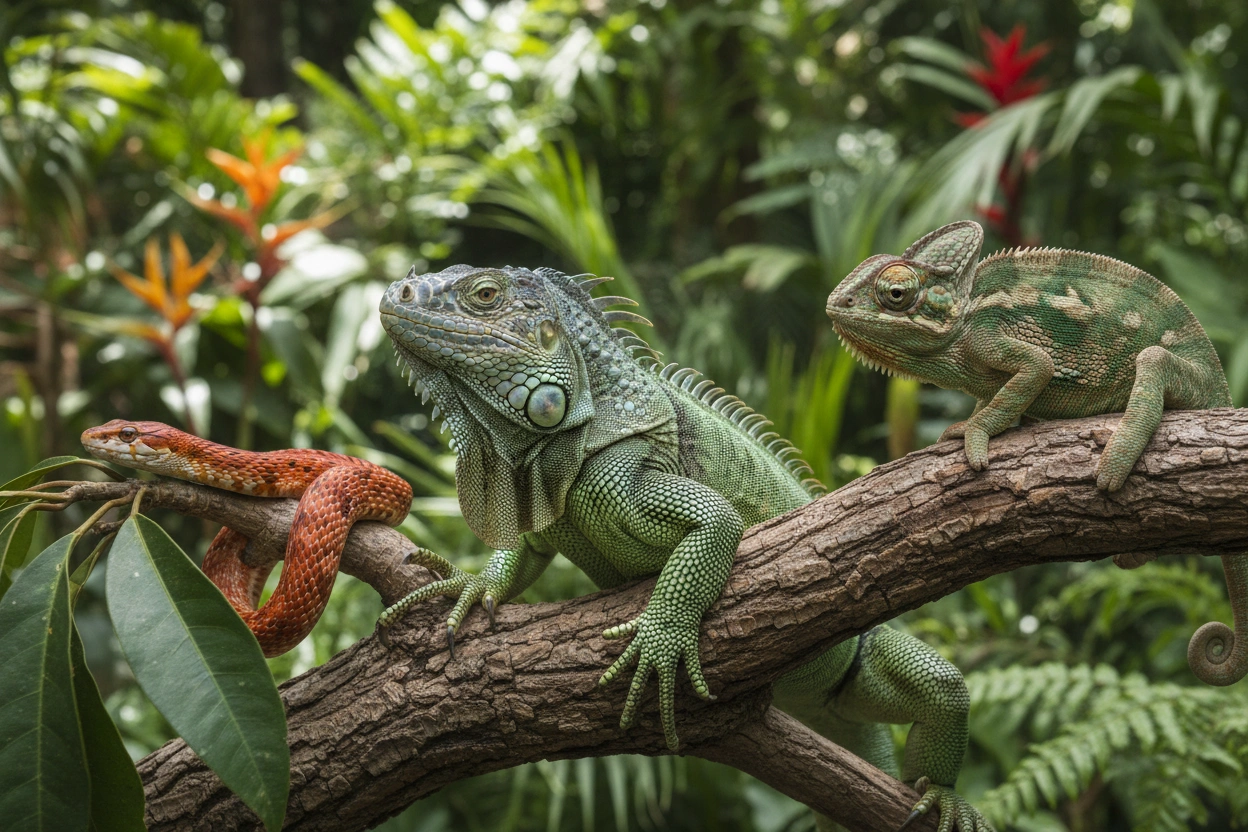
Iguana
- Size: 4 to 6 feet
- Temperament: Can be territorial but can be socialized with proper handling
- Care: Needs a large enclosure with UV lighting and a diet of greens.
This list highlights reptiles that are not only visually appealing but also manageable for beginner keepers. When choosing a reptile, consider factors such as the size of the animal, its habitat requirements, and how much interaction you desire.
Essential Care Tips for Reptiles
Taking care of reptiles requires an understanding of their specific needs. Here are essential care tips that every beginner should follow:
Habitat Setup
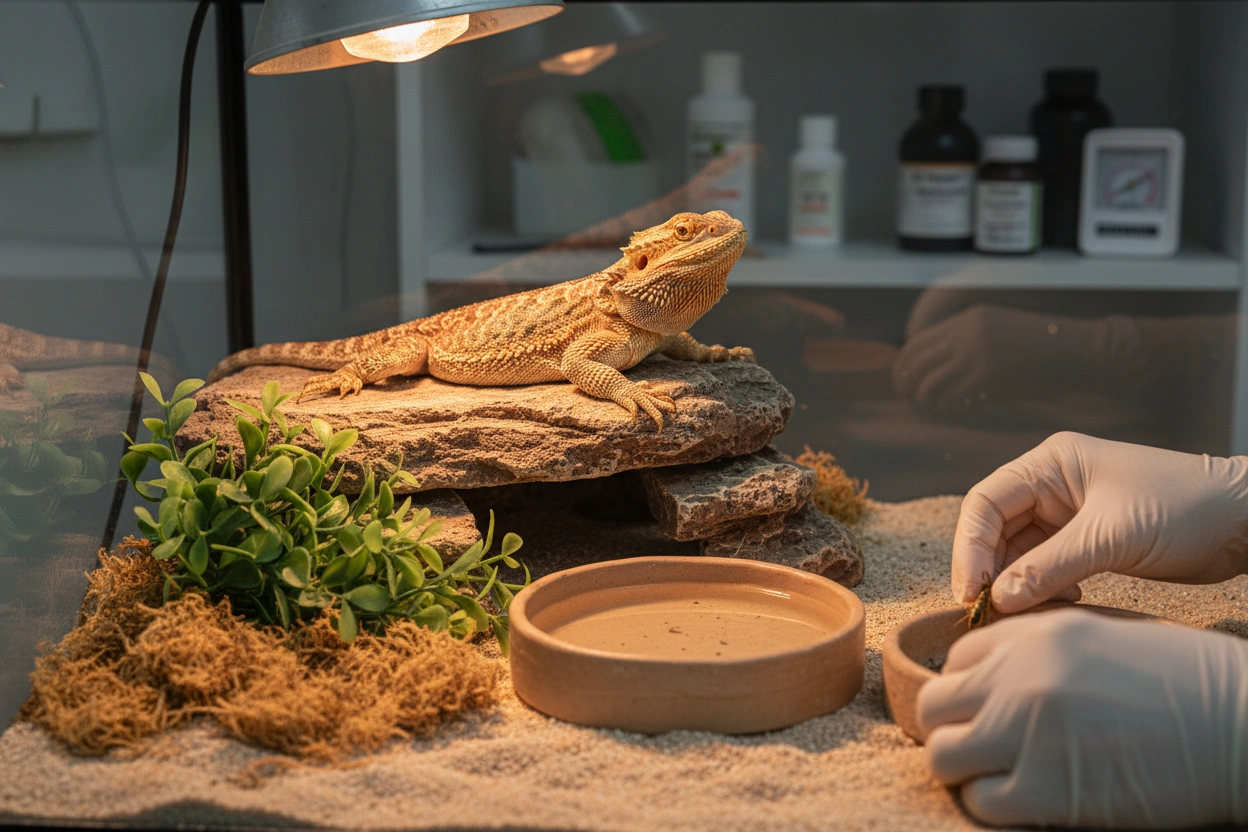
- Enclosure Size: Ensure the enclosure is spacious enough for the reptile to move around comfortably. For example, a bearded dragon may require a terrarium that is at least 40 gallons.
- Heating and Lighting: Most reptiles require a basking area with a temperature gradient. Use heat lamps and UVB lighting to replicate their natural environment.
- Substrate: Choose appropriate substrate based on the species. For example, sand is suitable for desert reptiles, while coconut fiber may be better for tropical species.
Diet and Nutrition
- Balanced Diet: Research the dietary needs of your reptile. Some require a mix of live insects, while others may need fruits, vegetables, or specialized pellets.
- Supplements: Use calcium and vitamin supplements to ensure your reptile receives all necessary nutrients, particularly if they are not getting a varied diet.
Regular Health Monitoring
- Signs of Illness: Monitor your reptile for signs of illness, such as lack of appetite, lethargy, or abnormal behavior. Early detection is crucial for successful treatment.
- Routine Veterinary Care: Schedule regular check-ups with a veterinarian experienced in reptiles to ensure your pet remains healthy.
Top 10 Endangered Reptile Species and Their Conservation
The plight of endangered reptiles is a pressing concern, as many species are threatened by habitat loss, climate change, and illegal trade. Understanding these species and their conservation status is essential for fostering awareness and promoting action. common reptile species
Key Endangered Reptiles
Hawksbill Sea Turtle (Eretmochelys imbricata)
- Status: Critically Endangered
- Threats: Habitat loss, poaching for shells, and climate change affecting nesting sites.
Psychedelic Rock Gecko (Cnemaspis psychedelica)
- Status: Critically Endangered
- Threats: Habitat destruction due to logging and agriculture.
Gharial (Gavialis gangeticus)
- Status: Critically Endangered
- Threats: River habitat loss, fishing nets, and poaching.
Chinese Softshell Turtle (Rafetus swinhoei)
- Status: Critically Endangered
- Threats: Habitat loss, pollution, and overexploitation.
Bornean Eared Frog (Polypedates oophorus)
- Status: Endangered
- Threats: Habitat destruction and climate change.
Saint Lucia Racer (Erythrolamprus ornatus)
- Status: Critically Endangered
- Threats: Habitat loss and predation from invasive species.
Sunda Pangolin (Manis javanica)
- Status: Critically Endangered
- Threats: Poaching for scales and meat.
Northern Red-Bellied Turtle (Pseudemys rubriventris)
- Status: Endangered
- Threats: Habitat loss and road mortality.
Kemp’s Ridley Sea Turtle (Lepidochelys kempii)
- Status: Critically Endangered
- Threats: Bycatch in fishing gear and habitat degradation.
Eastern Indigo Snake (Drymarchon couperi)
- Status: Threatened
- Threats: Habitat loss and fragmentation.
Conservation Efforts
- Habitat Protection: Initiatives to protect and restore natural habitats are crucial for the survival of endangered reptiles.
- Legal Protections: Laws and regulations, such as the Endangered Species Act, play a vital role in protecting vulnerable species from exploitation.
- Community Engagement: Educating the public about the importance of reptiles and their ecosystems fosters a sense of responsibility and encourages conservation efforts.
The Intersection of Reptile Care and Conservation
As you embark on your journey into the world of reptiles, it's essential to consider both their care and the broader conservation issues that affect their populations. By choosing to adopt reptiles responsibly and supporting conservation efforts, you can contribute to the preservation of these fascinating creatures.
At Banana Slug Club, we are passionate about educating reptile enthusiasts about proper care and the importance of conservation. Our resources can help you better understand the needs of your reptile while also providing insights into how you can support endangered species. Learn all about Reptiles
If you want to learn more about reptile care or how you can get involved in conservation efforts, visit Banana Slug Club for comprehensive guides and community support. Together, we can make a difference for reptiles and ensure their survival for generations to come.



.svg)
.svg)